Australia Shooting Is a Reminder of Islamic State’s Power to Inspire Attacks

© Matthew Abbott for The New York Times

© Matthew Abbott for The New York Times


© Mario Anzuoni/Reuters

中国外长王毅认为,中东长期陷于动荡,既有错综复杂的历史背景,也有外部势力大搞地缘争夺的因素。解决问题的钥匙就在于充分尊重中东历史经纬,契合中东地缘现实,顺应中东发展方向,呼应中东人民意愿。
应中东三国外长邀请,王毅12月12日至16日先后访问阿联酋、沙特、约旦,结束六天访问行程后接受中国媒体采访。采访问答于星期四(17日)在中国外交部官网上发布。
对于今年中东战乱频发、动荡不定,王毅指出,中东饱受战乱之祸、流离之苦,始终是全球热点问题最集中的地区。该地区今年连续经历巴以、伊以两场大规模冲突,安全形势更加脆弱敏感,各种矛盾相互叠加作用。
王毅表示,当前中东国家团结自主势头在上升,积极要素在积累,但仍面临严峻挑战。中国将继续支持中东国家探索维护自身和平、实现共同安全的有效路径。
他指出,北京也将推动国际社会尊重中东人民的自主选择,重视地区国家的合理关切,坚持通过对话协商以和平方式解决分歧争端,不断增强自主发展的能力和韧性,以发展促稳定,以稳定保安全。
中国国家主席习近平12月4日在北京宣布,将向巴勒斯坦提供1亿美元(1.3亿新元)援助。王毅说,这新一笔援助,重在缓解加沙人道主义危机,支持加沙恢复与重建。
王毅指出,巴勒斯坦人民已经承受太多苦难,巴勒斯坦问题也已积聚太多不公。本轮巴以冲突正是巴勒斯坦问题长期被边缘化、工具化的恶果。
他重申,在解决巴勒斯坦问题上,“两国方案”是唯一路径,“巴人治巴”是重要基础。任何关于加沙未来的安排,都应尊重巴勒斯坦人民的意愿,照顾中东国家的合理关切。
王毅表示,将继续支持巴勒斯坦在加沙战后治理中的主体地位,敦促国际社会切实承担责任,避免战火重燃,缓和人道困局,共同推动巴勒斯坦问题重回正确轨道。

BBCA 15-year-old boy has been charged with the murder of nine-year-old Aria Thorpe.
Aria was found dead at a house in Lime Close, Weston-super-Mare, shortly after 18:00 GMT on Monday.
A post-mortem examination found the preliminary cause of her death was a single stab wound, Avon and Somerset Police said.
The teenage suspect, who cannot be named due to his age, remains in custody and is due to appear at Bristol Magistrates' Court later.
This breaking news story is being updated and more details will be published shortly. Please refresh the page for the fullest version.
You can receive Breaking News on a smartphone or tablet via the BBC News App. You can also follow @BBCBreaking on X to get the latest alerts.

PA MediaThe Duke of Marlborough has been charged with intentional strangulation.
The 70-year-old is accused of attacking the same person in Woodstock, Oxfordshire, three times over an 18-month period.
Charles James Spencer-Churchill, formerly known as Jamie Blandford, is a relative of Sir Winston Churchill and Diana, Princess of Wales.
He is due to appear before Oxford magistrates on Thursday.
The offences are alleged to have taken place between November 2022 and May 2024, Thames Valley Police said.
Spencer-Churchill, the former Marquess of Blandford, was arrested on 13 May 2024.
The twice-married aristocrat inherited his dukedom in 2014, following the death of his father, the 11th Duke of Marlborough.
You can follow BBC Oxfordshire on Facebook, X, or Instagram.

PA MediaPatients are being told to expect disruption as doctors start their five-day strike in England, with NHS bosses saying they are struggling to keep as many services going as they have done in recent walkouts.
NHS England said with a wave of flu placing pressure on hospitals, non-urgent services would be affected by the strike which begins at 07:00 Wednesday.
This is the 14th walkout by resident doctors, the new name for junior doctors, in the long-running pay dispute.
Health Secretary Wes Streeting said the strike had been timed to inflict most damage on the NHS and put patients at risk, but the British Medical Association said it would work with NHS bosses to ensure patient safety.
The strike is being held after the two sides held last-minute talks on Tuesday afternoon.
The talks were described as "constructive" by the government, but not enough progress had been made to call off the strike.
Resident doctors represent nearly half of the doctors working in the NHS. They will walk out of both emergency and non-urgent care with senior doctors drafted in to provide cover.
In the two most recent strikes – in July and November – NHS England said it was able to keep the majority of non-urgent operations and treatments, such as hip and knee replacements, going.
But NHS England said it expected more disruption this time. Concern has also been expressed that hospitals may struggle to discharge patients in time for Christmas as the doctors who are working concentrate on providing strike cover.
Medical director Prof Meghana Pandit said: "These strikes come at an immensely challenging time for the NHS, with record numbers of patients in hospital with flu for this time of year.
"Staff will come together as they always do, going above and beyond to provide safe care for patients and limit disruption.
"But sadly more patients are likely to feel the impact of this round of strikes than in the previous two – and staff who are covering will not get the Christmas break they deserve with their families."
Streeting added: "We have been working right up to today to try and avert these strike actions.
"Everyone knows the period leading up to Christmas and into the New Year are always the busiest for the NHS. With super flu, this year is harder.
"And that double whammy of flu plus strikes means that there is an additional burden now on other NHS staff."
NHS England said GP practices will continue to be open and urgent and emergency care services will be available for those who need them.
But even then there is likely to be some disruption. Cheltenham General Hospital's emergency department is closing for emergencies during the strike - it will remain open for minor injuries - with patients advised to use nearby Gloucestershire Royal Hospital.
NHS England said the public should use 111 online as the first port of call for urgent, but not life-threatening issues during the strike.
Patients who need emergency medical care should continue to use 999 or come forward to A&E as normal, it added.
The strike is going ahead despite a new offer from the government being made last week, which included increasing the number of speciality training posts and covering out-of-pocket expenses like exam fees.
The speciality training jobs, which resident doctors start in year three of their training after completing medical school, have become highly competitive.
This year 30,000 applicants went for 10,000 jobs – although some of the applicants were doctors from abroad.
Dr Tom Twentyman is one of those who lost out after trying to secure an emergency medicine post. He says finding a job is an "absolute nightmare".
Since then he has been struggling to find work, juggling a handful of locum shifts each month at the same time as applying for more than 40 short-term contracts at hospitals across the country – one of which he now secured.
But this will not count towards his training, so he will now look to reapply next year.
"Some of the job adverts were coming down within two hours of going up after they received 650 applications, which is clearly an enormous number to shortlist," he says.


On Monday the BMA announced its members had voted to continue with the strike – effectively rejecting the offer in the process – after the union agreed to hold an online poll of members.
BMA resident doctor leader Dr Jack Fletcher described it as a "resounding response" and said the government needed to go further on jobs as well as pay.
Streeting has maintained he will not discuss pay as doctors have received pay rises totalling nearly 30% over the past three years.
The BMA argues that, despite the pay rises, resident doctors' pay is still a fifth lower than it was in 2008, once inflation is taken into account.
Dr Fletcher added: "It is well past the time for ministers to come up with a genuinely long-term plan.
"If they can simply provide a clear route to responsibly raise pay over a number of years and enough genuinely new jobs instead of recycled ones, then there need not be any more strikes for the remainder of this government."
But the BMA said it was committed to ensuring patient safety.
"We will be in close contact with NHS England throughout the strikes to address safety concerns if they arise," the union added.

Getty ImagesLeft-wing candidate Andrea Egan has been elected as the new leader of Unison, the UK's biggest trade union, in a blow to Sir Keir Starmer.
Ms Egan, who was expelled from the Labour Party three years ago, beat the union's current general secretary Christina McAnea, an ally of the prime minister.
Following her election, Ms Egan promised to "stand up to any employer, politician or cabinet minister who acts against our interests".
During her campaign, she had pledged to hold Labour's "feet to the fire" and refuse to write the party "blank cheques".
Congratulating Ms Egan on her victory, Sir Keir said he looked forward to working with her.
The PM also praised Ms McAnea's "outstanding contribution to the Labour and trade union movement".
"She played an important role in securing the landmark Employment Rights Bill and her work has ensured this Labour government will bring in a fair pay agreement to boost the wages of social care workers," he added.
With more than 1.3 million members working in sectors providing public services, including education, local government, the NHS and the police, Unison is the UK's biggest trade union.
Ms Egan won just under 60% of the vote, although turnout was low, with fewer than 100,000 of the union's members taking part.
She will begin her five-year term in January.
In a statement following her victory, Ms Egan said: "This result means ordinary Unison members are at long last taking charge of our union.
"We will put faith in members' decisions and stand up to any employer, politician or cabinet minister who acts against our interests."
Ms Egan's election was welcomed by former Labour leader Jeremy Corbyn and his new left-wing group, Your Party.
A Your Party spokesperson said: "Andrea's victory on an anti-austerity ticket shows that working-class people won't take more cuts and more decline.
"Unison members have said no to Starmer's crumbs off the table, no to chronic low pay, no to underfunding and no to privatisation."


Sign up for our Politics Essential newsletter to keep up with the inner workings of Westminster and beyond.

ReutersHollywood star Timothée Chalamet is compiling his list of five Brits who he considers to be all-time greats.
"Lewis Hamilton, David and Victoria," he begins, referring to the seven-time Formula One champion and the Beckhams.
"Fakemink," he continues, naming the underground London rapper who recently teamed up with EsDeeKid, the anonymous Liverpool drill artist who many have linked to Chalamet.
("No comment," is his reply when pressed on this. "All will be revealed.")
But Chalamet's final pick of someone who demonstrated British greatness comes totally out of left field.
After a long pause and some deep thought, he reveals his answer: "Susan Boyle."
Yes, it turns out that one of the biggest movie stars on the planet is an admirer of the 64-year-old former Britain's Got Talent star, who went on to have two US number one albums.
"She dreamt bigger than all of us," he explains, without any hint of irony.
"Who wasn't moved by that?" he says about the 2009 viral clip of the Scottish singer performing I Dreamed A Dream from Les Misérables on the talent show.
"I remember that like it was yesterday," the actor says. "That was like the advent of YouTube, you know."

Getty ImagesChalamet, 29, knows a lot about using social media to advance a career.
The reason he is selecting great Britons, is due to one of the many ways he has found to promote his new 1950s table tennis film, Marty Supreme.
For the last month, he has been presenting jackets bearing the film's title to people he deems as being a great.
Honourees so far include swimmer Michael Phelps, NFL legend Tom Brady and Barcelona's Spanish wonder kid Lamine Yamal.
Now his promotional tour has taken him to London, where he opened a pop-up store and is now sitting in a hotel bar looking out over Hyde Park.
I had asked him which Brits would be worth of receiving a jacket, resulting in the SuBo surprise.

Andrew Yates/AFP via Getty ImagesChalamet's frenetically entertaining performance in Marty Supreme has already landed him best actor nominations at both the Golden Globes and the Critics Choice Awards, and the Oscar race is currently seen as a head-to-head between him and Leonardo DiCaprio.
The film is based on real life post-war table tennis star, Marty Reisman. The semi-fictionalised film version Marty Mauser, however, has some dubious morals, getting involved in a heist and trying to destroy the marriage of his biggest sponsor, who he resents.
Despite his questionable on-screen actions, Chalamet is a big fan of his character.
"You know, when you're in your early twenties, you're an idiot," he laughs. "And this movie, in large part, is about being an idiot in your early twenties.
"And if on top of that, you have a passion that you're singular about, you risk looking foolish in addition to being an idiot."

A24Marty Mauser exudes the same confidence that Chalamet demonstrated while collecting his best actor SAG Award this year for playing Bob Dylan in A Complete Unknown.
During his acceptance speech he pontificated: "I'm really in pursuit of greatness. I know people don't usually talk like that, but I want to be one of the greats," before listing Daniel Day Lewis, Marlon Brando, Viola Davis and Michael Jordan, as actors who inspired him.
I ask where his confidence comes from.
"You know, it ebbs and flows. And I feel like that's kind of what keeps me on my toes," he says, in a far more humble way that he demonstrated on stage at the SAGs, wearing a bright green suit.
"It's my New York mentality insofar as if I'm on a movie or in a social situation, if things are going well, you feel great. And if not, the world's falling apart," he says, becoming far more introspective than I had expected.
"And I think increasingly in my life, like as I approach 30 here in a couple weeks, you want to be more on your feet. You want to grow into yourself. But that is a constant learning process. And it's a huge learning curve. And I try not to be too hard on myself or those around me who are also growing."

Getty ImagesThe actor's landmark birthday presents the perfect chance to ask him how he looks back at his twenties, a decade in which he has twice been nominated for best actor at the Oscars, and starred in huge box office hits including Dune and Wonka.
A huge smile comes over his face as he says: "It's been great. You know, it's been awesome.
"I feel like I'm living in a dream. I'm on top of a fancy hotel in London and talking about a film I'm deeply passionate about.
"And, you know, I got to offend somebody from Scotland the second they walked in with my English shirt," he jokes, referencing my barely disguised displeasure at his choice of interview garb.
Chalamet's dedication to roles is part of his success. He spent five years learning to play the guitar to play Bob Dylan; for Marty Supreme he embarked on seven years of table tennis lessons.
"I got approached with this project in 2018. So that basically gave me six, seven years to prepare on and off. In all my downtime, I would train as much as possible," he enthuses.
"I think the responsibility in this movie, like in the Bob Dylan movie, if you were a Dylan fan or a guitar player, that that looks real to you on screen. Similarly here, if you're a ping-pong aficionado, that that looks believable to you."
His dedication included taking his table tennis table into the desert during Dune and it was oompah-loompah ping-pong between takes on Wonka.
And he's already learning skills for film roles way in the future.
"I can't give anything away, but I do have a couple of white rabbits up my sleeve."

Getty ImagesOne thing that is totally clear, is his love of the big screen.
In the same month that Netflix has announced its intention to buy one of the major film studios, Warner Bros, Marty Supreme is a film which will have a wide cinema release and has not been made for any streaming service.
It has been produced by A24, the independent film company behind recent Oscar favourites Moonlight, Past Lives and The Brutalist.
"That is an intense question," Chalamet muses after I ask him if he thinks cinemas will actually survive the length of his career.
"I do think with streaming stuff, there's less incentive for these streaming companies to try to put things in theatres, which is dangerous.
"But equally, I do think cinemas will survive and thrive. And that's not to be a false optimist."
And he wants to play his part.
"I feel like my responsibility as a young actor especially, is less to go, 'Hey, how do we get people to revisit this traditional form?' And rather to go, "Hey, how do we take this traditional form and bring it to people?"
Chalamet sincerely believes that Marty Supreme will, in its own way, help cinemas be saved.
"This is an original film at a time where a lot of original films aren't made.
"And there's no part of me that's a salesman that's saying this, but I've never been more confident in saying, "Hey, if you bring yourself to see this movie, you won't be let down. It's really like a slingshot."
Timothée Chalamet – about to turn 30 and more than ready to channel his inner Susan Boyle and dream his dream.
Marty Supreme is released on Boxing Day.

EPAFinland's delegate to last month's Miss Universe pageant held in Thailand has sparked a racism firestorm over a viral photo that showed her pulling the corners of her eyes.
Sarah Dzafce, who has been dethroned, uploaded the photo with the caption "eating with a Chinese". The slanted-eyes pose is often seen as disrespectful to East Asians.
The post drew backlash in Japan, South Korea and China against the 22-year-old and even against her country's flag carrier, Finnair.
Back home in Finland, the prime minister said on Monday making such gestures was "thoughtless and stupid" and that the controversy that ensued was "damaging" to the country.
Ms Dzafce claimed the gesture was her reaction to a headache during dinner. She said a friend added the offensive caption to the 11 December post without her consent, according to local tabloid Ilta-Sanomat.
Ms Dzafce has apologised for the photo, noting it has "caused ill will in many people".
"That was not my intention in any way... One of the most important things for me is respect for people, their backgrounds and differences," she wrote on an Instagram post.
The apology still drew criticism, with some calling it "insincere" given it was written in Finnish.
"Not sure Chinese outside of Finland would understand it. Such considerate and sincere apology," one wrote in a comment on her post.
Another wrote: "That was uncalled for, Asian people didn't do anything to you... We [are] still disappointed in you."
Two right-wing MPs in Finland, Juho Eerola and Kaisa Garedew, posted photos of themselves mimicking Ms Dzafce's gesture to show their support for the beauty queen.
The posts were taken down after backlash. Eerola apologised adding he felt Ms Dzafce was given "disproportionately harsh punishment".
Finnish Prime Minister Petteri Orpo condemned the MPs' actions as "childish", adding that lawmakers should set an example of proper conduct.
The Finns Party is deliberating whether the MPs should face any sanctions for their actions, local media reported.
Finland's flag carrier Finnair told public broadcaster Yle that the controversy had affected the company, and that there had been calls for tourists to boycott Finland.
"The statements or posts mentioned by some Finnish members of parliament do not represent the values of Finnair," the airline wrote on its Japanese X account on Tuesday.
"As an airline supported by employees from diverse backgrounds and customers around the world, we promise to welcome everyone with respect," it wrote.
The debacle has also drawn attention in Japan, South Korea and China, among other East Asian countries.
A Japanese man living in Finland launched an petition calling for an investigation into anti-Asian discrimination, which had gathered more than 7,000 signatures as of Sunday evening, the Asahi Shimbun reported.
The Finnish embassy in Japan said it had received "numerous opinions and questions" on Finland's efforts to address racism.
"Racism remains a challenge in Finnish society, and its resolution requires continuous and resolute efforts," it acknowledged in an X post early this week.
The controversy around Ms Dzafce is a postscript to a chaotic Miss Universe audition hosted in Thailand that had been hounded by walkouts and allegations of rigging.
The Miss Finland Organisation said dethroning Ms Dzafce was a "difficult but necessary" move.
"Miss Finland holds a position of role-model status, which requires respecting all people regardless of their origin, background, or appearance," the organisation said in a statement.
"We are deeply sorry for the harm these events have caused. Especially to the Asian community, but also to everyone affected. Racism is never acceptable in any form," it wrote.
This video can not be played
England take wickets but Carey century highlights first day of third Test
Third Ashes Test, Adelaide Oval (day one of five)
Australia 326-8: Carey 106, Khawaja 82; Archer 3-29
England: yet to bat
Australia won the toss
England battled hard to stay in the Ashes as Alex Carey's century led Australia to 326-8 on the first day of the third Test.
On a dramatic, poignant and emotional day in Adelaide, Carey's composed 106 ensured Australia did not waste the opportunity to bat first on a slow pitch in baking temperatures.
Carey's knock was not without controversy. On 72 England failed with a review for caught behind off Josh Tongue, which Carey later admitted to edging.
Australia's effort means England, who must win to keep their hopes of regaining the Ashes alive, will be batting under pressure on the second day.
Even before the Adelaide Oval paid tribute to the victims of the shooting at Bondi Beach, Steve Smith was ruled out of the Test with symptoms of dizziness and nausea.
Smith's replacement Usman Khawaja took his unexpected opportunity with 82 after being dropped by Harry Brook on five. Khawaja steadied the home side amid some loose Australian shots against some mixed England bowling.
Jofra Archer was outstanding for his 3-29 from 16 overs, including taking two wickets in the first over after lunch.
Khawaja and Carey added 91 for the fifth wicket, yet when Australia were reduced to 271-7 England had a real opportunity.
Once again, Mitchell Starc found a way to contribute, adding 50 for the eighth wicket with Carey.
England will return on Thursday with a second new ball only three overs old. They have the chance to dismiss Australia for a par total, then could potentially bat themselves back into the series.
This video can not be played
'Terrific' Carey brings up first Test century against England
This video can not be played
Australia and England players unite in minute's silence for Bondi shooting victims
For all the talk of England errors in the first two Tests, the wisdom of their holiday in Noosa and a change of approach in this match, the tourists cannot be faulted for their effort or attitude in the 34-degree heat.
There were times when the bowling was ragged and part-time off-spinner Will Jacks struggled to contain.
But Archer stepped up as the attack leader and, bar the Brook drop, England's fielding was largely blemish-free.
They were helped by the wastefulness of the Australians, who had to deal with the loss of Smith. The hosts' premier batter is expected to be fit for the fourth Test on Boxing Day.
The mood at the Adelaide Oval - one of the most beautiful grounds in world cricket – was initially sombre as the victims of Bondi were mourned. A moment's silence was observed and Australian singer John Williamson performed 'True Blue'.
From then on the cricket was nip-and-tuck, an arm-wrestle for supremacy. Both sides mixed moments of quality with self-inflicted errors.
Even in such good conditions for batting, there was a suspicion this was a good toss for England to lose. They are a good chasing team and Thursday is forecast to be even hotter. Still, there is the extra heat of batting to stay in the Ashes.
This video can not be played
Khawaja reaches half-century on return to Australia side
Their respective innings would have carried plenty of meaning for both Khawaja and Carey.
A day short of his 39th birthday, Khawaja may have thought his Test career was over until Smith's illness. For Carey, a South Australian, this was a first Test on his home ground since the passing of his father in September.
Both men arrived after two wickets fell in quick succession. Khawaja looked nervous at first and a flashing drive at Tongue should have been held by Brook diving to his left at second slip.
From there, left-hander Khawaja waited for England to drift straight and tucked off his pads – barely a run came in front of square on the off side. He eventually fell sweeping Jacks into the hands of deep square leg.
Carey is proving a thorn in England's side and a third Test century came with crisp drives and aggression against Jacks.
He was almost caught on 52, only for Carse to put down an extremely difficult chance, then came the huge moment of the review.
With Australia 245-6, Carey aimed a cut at Tongue that ended in the gloves of Jamie Smith. Denied the decision on field, the tourists called for a review.
Carey even appeared to nod towards the England players, suggesting he hit the ball. Despite evidence of sound on the technology, TV umpire Chris Gaffaney did not overturn the decision of Ahsan Raza.
Carey drove Ben Stokes through the covers to reach three figures, celebrating with a look to the sky. His crucial knock was ended when he miscued Jacks into the hands of wicketkeeper Smith.
This video can not be played
'What a stunner' - Crawley takes brilliant one-handed catch to dismiss Head for 10
Stokes has said his dressing room is "no place for weak men" and called this the most important Test of his captaincy. His words certainly drew a show of character from his team.
Archer was a constant threat, bowling with high pace and miserly economy. He bounced out Jake Weatherald in the first hour, then produced leg-side pokes from both Marnus Labuschagne and Cameron Green in the over after lunch.
Carse typified England's ups and downs. He was far too short with the new ball, yet still took the wicket of Travis Head thanks to Zak Crawley's stunning one-handed catch at short cover.
The Durham paceman leaked runs at more than five an over and bowled six no-balls, though still took two catches, almost held Carey and had returning Australia captain Pat Cummins caught at short leg.
Tongue deserved more on his recall to the England side, especially as the victim of Brook's drop. The most obvious issue for the tourists was part-time spinner Jacks' inability to hold an end – he returned 2-105 from his 20 overs.
But even when the day looked like it could get away from England when Carey and Starc were together, Stokes' men stuck at it. They are in this Test and now face a day of reckoning with the bat.


Prime VideoThe second season of Fallout - Prime Video's mega-hit based on the popular video game series - has landed.
Set in a post-apocalyptic future where Earth has been ravaged by nuclear war, the first series was a commercial and critical hit, impressing long-time fans and viewers who'd never played before.
Its surprising success had a huge impact on Bethesda Softworks, the developer of its source material, bringing back lapsed players and creating new ones along the way.
Key creatives from the company have told BBC Newsbeat about working with the show's producers, and what the success of the programme means for the future of the games.
The first season of Fallout arrived at a turning point for Hollywood video game adaptations.
Often far-removed from their source material, and often just a bit rubbish, they'd gained a reputation as low-quality cash grabs.
Then The Last of Us came along.
The 2023 adaptation of the PlayStation blockbuster, released ten years earlier, was a smash hit.
It impressed fans of the games, as well as winning over critics and viewers who'd never picked up a controller.
But there were those who argued the show's creators were running on easy mode.
Because the post-apocalyptic story of bounty hunter Joel and his adoptive daughter Ellie drew heavy influences from prestige TV shows, there was an obvious road map for bringing it to the screen.
The drama's story closely followed the game's, with a few deviations, and fans pointed out shot-for-shot comparisons where sequences were almost identical to their pixelated inspiration.
While The Last of Us was wowing audiences, the producers of Fallout were putting the finishing touches to the first season of their adaptation, one which took a different approach to its source material.

BethesdaUnlike The Last of Us, which guides the player through a linear story experience, the Fallout games drop them into a more freeform world.
The branching narratives, full of side quests and incidental characters, offer plenty of material to draw from, but deciding what to bring to the screen is a mammoth task.
Todd Howard, director of developer Bethesda Game Studios, tells Newsbeat he was first approached about a filmed version of the game in 2009.
He was agreeable to the idea, he says, but didn't push ahead until meeting executive producer Jonathan Nolan.
Todd says he was a fan of the Briton's work on HBO's Westworld, and impressed by his co-writer credits on films such as The Dark Knight and Interstellar directed by his brother, Christopher Nolan.
The feeling was mutual.
"It turned out he was a huge fan of Fallout," says Todd.
He says the two have become "very close friends" while working on the show together, and he believes it's helped to create trust between the TV and gaming side.
"Everyone involved is on the same page with how they want to treat it with authenticity," he says.
One of the people in charge of keeping the TV show authentic was studio design director Emil Pagliarulo, a Bethesda veteran who's been closely involved with the Fallout series since its breakout third instalment, released in 2008.
He tells Newsbeat there was an early decision to keep the TV show "canon" - that would become a guiding principle.
That meant "everything that happens in the show happened in the games, or will happen in the games," says Emil.
Fallout, first launched in 1997, has a deep well of established lore the series' biggest fans know well and feel protective of.
Emil admits there was some "back-and-forth" between the TV and gaming sides, especially earlier on.
"It's difficult because TV's an entirely different medium," he says.
"It's really about getting the tone right, but they were very respectful of where we wanted to take it."
He says the strict adherence to the video games' timeline did result in the "occasional late-night text" from the TV show's set.
"Hey, we're filming tomorrow, we had this question," recalls Emil.
"Is this… canonically right?"
"It was always a back-and-forth. It's really fun."

BethesdaFor all the thrill of seeing world you dreamed up realised in another medium, there's a less romantic reason for TV and game studios to get behind adaptations.
As the first season of Fallout was released, prices on most of the games in the series were slashed, appealing to curious new players, and content updates and upgrades aimed at enticing lapsed players were also launched.
It had the desired effect - Fallout 4, the most recent big title, topped sales charts nine years after its original release.
But one of the most significant bumps came to Fallout 76, an online multiplayer spin-off launched in 2018.
The game was poorly received when it first came out, with players complaining of technical issues and a lack of activities in the world.
Bethesda's spent time since addressing those complaints, and managed to attract a healthy number of regular players.
When the first season of Fallout dropped, those numbers skyrocketed to an all-time high.
"We always knew that players would come in after seeing the show," production director Bill Lacoste tells Newsbeat.
But, creative director Jon Rush says "it's safe to say the amount of players that we saw come in, that was… a fun surprise."

Prime VideoWith game-makers becoming more directly involved in adaptation work, fans often wonder what impact it has on future game instalments.
Jon says some new Fallout 76 players have stuck around, and it would be "impossible" for them to not have influenced the decisions developers make about regular updates and tweaks.
"Exactly which ways that is, I can't really say. It's kind of an organic process," says Jon.
"We don't make the game in a vacuum. We make it hand-in-hand with the folks that are playing it."
The big question for fans awaiting Fallout 5 - which is likely to still be years away from release - is whether the TV show will have an impact on the game.
"In short, yes," says Todd.
"Fallout 5 will be existing in a world where the stories and events of the show happened or are happening.
"We are taking that into account."
As for whether he's expecting a similar surge in new players in the wake of season two, Todd's not so sure.
"There's still so many people that won't play a game - I think that's getting better but there's still people who are intimidated," he says.
"They still get to experience Fallout and I think that's really important because they're now equal fans of the world."


ReutersIn a further escalation of tension between the United States and Venezuela, President Donald Trump has ordered a naval blockade to stop sanctioned oil tankers from entering and leaving the South American country.
Venezuela - which has the world's largest proven oil reserves - is highly dependent on revenues from its oil exports to finance its government spending.
But US sanctions targeting Venezuela's state-run oil company PDVSA have made exporting oil difficult for the Venezuelan government, leading them to resort to a fleet of "ghost ships".
So what do we know about these vessels and how they operate?
As of last week, more than 30 of the 80 ships in Venezuelan waters or approaching the country were under US sanctions, according to data compiled by TankerTrackers.com.
It is these vessels President Trump is targeting with the "total and complete blockade of all sanctioned oil tankers going into, and out of, Venezuela" he announced on his Truth Social account on 16 December.
The post came less than a week after the US seized an oil tanker believed to be part of the "ghost fleet" off the coast of Venezuela, which used various strategies to conceal its work.
Trump imposed sanctions on Venezuela's oil industry as far back as 2019, during his first term as president.
That year, Venezuelan crude exports fell by more than half from roughly 1.1 million barrels per day in January to about 495,000 by the end of 2019, according to the US Energy Information Administration.
Six years later, the sanctions remain in place but Venezuela's oil exports have grown again to around 920,000 barrels per day as of November, according to the news agency Reuters.
While this falls far short of the country's peak level of oil exports of 3 million barrels per day in 1998, this partial recovery indicates that the sanctions against Venezuela are not working as the US hoped.
It indicates that the government of Nicolás Maduro has found new ways to sell Venezuelan oil with the "ghost fleet" at their centre.
Ghost fleets are a growing phenomenon, used not just by Venezuela but also by two other oil-producing countries under Western sanctions - Russia and Iran.
Financial intelligence firm S&P Global estimates that one in five oil tankers worldwide are used to smuggle oil from sanctioned countries.
Of these, 10% carry only Venezuelan oil, 20% carry Iranian oil, while 50% are exclusively dedicated to Russian oil. The remaining 20% are not tied to any particular country and can transport oil from more than one of these nations.
Oil sanctions aim to discourage countries or companies from buying or dealing with crude oil from sanctioned nations.
Companies and nations caught buying oil from sanctioned countries like Venezuela risk being sanctioned themselves by the US.
Sanctioned countries offer their oil at steep discounts so that companies or nations are willing to take the risk of buying it whilst applying tricks to disguise its origin.
One of the most common strategies ghost tankers use is to frequently change their name or flag - sometimes several times in a month.
For example, the tanker seized this Wednesday is called The Skipper, according to CBS News, the BBC's US partner.
The ship has been sanctioned by the US Treasury since 2022 for its alleged role in an oil-smuggling network that helps finance Iran's Revolutionary Guard and the Lebanese militia Hezbollah, according to CBS.
At that time, the tanker was named Adisa, but it was originally called Toyo. It was one of the vessels linked to Russian oil tycoon Viktor Artemov, who is also under sanctions.
The Skipper is a 20-year-old vessel - another common trait among ghost fleet tankers. Major shipping companies usually dispose of ships after 15 years of service, and after 25 years they are typically scrapped.
Another trick these ships use is to steal the identity of scrapped vessels by using their unique registration numbers assigned by the International Maritime Organization – similar to criminals using the identity of a dead person.
These are known as "zombie ships".
Last April, a ship called Varada arrived in Malaysian waters after a two-month journey from Venezuela.
It raised suspicions because it was a 32-year-old boat and flew the flag of the Comoros, an island nation off east Africa, which is a popular choice among ships that want to avoid detection.
According to a Bloomberg investigation, it was a zombie ship, as the real Varada had been scrapped in Bangladesh in 2017.
The news agency compared satellite images with historical photos to detect four zombie ships carrying Venezuelan crude oil.
Other common tactics include disguising the origin of crude oil by transferring it in international waters to legally compliant tankers with other flags.
These then deliver the oil to its destination, presenting it as coming from a country that is not sanctioned.
This happened with Venezuelan oil exports to China during Trump's first term when sanctions were tightened.
Another common trick among these tankers is disabling the Automatic Identification System, which transmits data including the vessel's name, flag, position, speed or route.
This allows ships to hide their identity and location.
Maritime risk company Vanguard Tech says it believes The Skipper was "spoofing its position for a long time" - that is, transmitting a false signal, making it appear to be in a different location.

Planet Labs PBC / ReutersAccording to a report in October by the anti-corruption NGO Transparencia Venezuela, there were 71 foreign tankers at the ports of Venezuelan state oil company PDVSA - of which 15 are under sanctions and nine are linked to ghost fleets.
It found that 24 tankers were operating under stealth, with their mandatory location signals deactivated.
The NGO says it detected six ship-to-ship cargo transfers in waters off western Venezuela.
Most of the ships flew flags of countries considered regulatory havens with lax oversight of sanctions, including Panama, Comoros and Malta.
Many spent more than 20 days without docking at an oil terminal, unlike the Chevron-operated ships that the US has authorised in Venezuela, which load and leave within six days.
"The extended stay in port areas without directly reaching oil terminals raises serious doubts about the type of operations these vessels are conducting," said Transparencia Venezuela in its report.
Given that the operation to seize the ship on 10 December came from the USS Gerald Ford aircraft carrier - the largest in the world - which is now part of the massive US military deployment in Caribbean waters, Maduro's ability to rely on the ghost fleet is likely to be significantly curtailed.

Getty ImagesNativity play nerves, Santa's grotto queues and Christmas lights crowds can make the festive season a sensory overload for children even before the big day arrives.
And their mini-meltdowns only add to the stresses of parents dashing between school plays, present shopping and masterminding the family feast.
Comedian and dad-of-three George Lewis tells CBeebies Parenting Download that while his children "love the thought of Christmas", the disruption in routine can make December "a real inner conflict" for them.
Parenting and child behaviour specialist San Mehra explains the mismatch of high excitement layered with unpredictability is the perfect recipe for "Christmas overwhelm". George and San share four ways to create a calmer Christmas for your children.

George LewisChristmas disrupts normal routines, but San stresses that keeping anchor points like wake-ups, mealtimes and bedtimes the same helps children feel grounded.
"Chaos all day is hard for kids to cope with," she says. "If one part of the routine changes, it's manageable but if everything changes, overwhelm builds quickly."
She recommends putting up a calendar and marking on events like relatives arriving or a trip to see Santa so children can see what's coming up and ask questions.
"If you've got a child who's got anxiety around change you can have conversations around that and talk about any worries," she says.
And crucially, she adds, parents should schedule downtime as deliberately as activities as it will help you anticipate if you do or don't have time for certain events.

Getty ImagesGeorge once clung to an idealised, movie-style Christmas - perfectly wrapped presents, big meals and a bustling house.
But two of his children have autism and the unpredictability and crowds quickly became overwhelming.
"I always had this version of the perfect Christmas in my head," he says. "But when my son spent an entire family gathering standing alone at the end of the garden, I thought: if this isn't for him, then who is it for?"
Now he builds Christmas around comfort and predictability: staying at home, keeping numbers low and spreading activities out.
One major change was the meal itself.
"We've stopped having Christmas dinner on Christmas Day," he explains and instead they cook it on Christmas Eve or Boxing Day.
"Then on the day itself we're not stressing about a big project and we just play with the kids and order a curry in the evening."

Getty ImagesEven with careful planning, festive outings can tip into overload quickly.
And when a meltdown hits, often after a long queue or an overstimulating attraction, San says the first step for parents is to check in with yourself.
"Your first instinct is panic and you might feel embarrassed or stressed and that's okay," she says. But it's important to first make yourself calm.
Then she recommends getting down to the child's level and helping them feel understood.
A simple acknowledgement like: "You've been waiting for ages, haven't you? You're probably fed up right now" can ease the tension.
"If you can name what they are feeling, like frustration or boredom, it will reduce the intensity by 50%," she says.
George adds that his family often chooses SEND-friendly sessions with reduced noise and fewer people to help keep outings enjoyable rather than overwhelming.

Getty ImagesWith routines off-kilter and excitement running high squabbles can break out between siblings as well as cousins or friends they may not see regularly.
When kids clash, San says parents don't always need to dive in immediately. But if things look like they're escalating she suggests guiding them through these stages:
After a while San says that children will "start to sort it out themselves" using the same method.
![]()
胡思乱想,不一定对。
一
读徐贲《东德的思想宣传》。内中提到东德全部人口不过1650万,其中竟有80多万“宣传工作者”,占到了总人口的5%。相当于每20名东德人当中就有一位“洗脑者”,其统治成本之高可见一斑。这不但意味着大量民众创造的财富被用于压迫民众而非创造更多的社会财富,也意味着谎言必然成为东德人日常生活的重要组成部分。发展到后来,不但官场不能讲真话,社会不能讲真话,连宣传机器的谎言也没办法正常运转——事件发生后,所有撒谎者都要等上级指示。若无上级指示来统一谎言口径,再小的社会问题,也有可能让统治机器陷入自相矛盾、难以自圆其说的窘境。
二
索隐派流行,根本原因是社会缺乏正常表达的空间。人们默认作者不能正常说真话,作者的真实思想真实情感只能通过非常隐晦的方式传递。细读过《红楼梦》的人,大概率不会相信“《红楼梦》是悼明之作”,毕竟其内容深度远不是“悼明”两字可以概括。人们愿意相信“《红楼梦》是悼明之作”,一方面是因为思维缺乏逻辑训练,另一方面也是因为清帝国(尤其是康雍乾时代)确确实实是个不允许民众自由表达的时代。所有诞生于不允许自由表达时代的作品,都有可能在后世遭遇被“索隐”的命运,《红楼梦》不是个案。
三
我觉得在2025年讨论某某朝代是不是“中华正统”挺无聊的,会让人的脑子整个散发出一种古老而腐朽的气息。要知道,所谓“正统”不过是古代统治者自诩“天命所归”的政治表达。与其接过作古帝王的旧命题继续讨论谁是“中华正统”,不如比较一下哪些历史时段里底层百姓活得更接近于人(等于人那是奢望,是不存在的)。
古代知识分子笔下的“华夷之辩”,也与民族主义无关,比较的是文明程度,即谁才是真正的“礼仪之邦”。用今天的话来讲,就是谁的政治更文明,谁的文化更繁荣,谁的经济更发达,谁的社会更自由。可惜的是,这套叙事后来也被皇帝们抢夺了过去,用来给“政权正统性”背书(清帝国尤其爱用)。为了让背书生效,又捏造了许多自我夸耀的虚假信息。结果就是当历史进入晚清,许多读书人的脑子已经坏掉了,他们拒绝承认外部世界也存在文明,甚至拒绝承认外部世界存在“人”。备好了棺材去痛骂恭亲王、反对开设同文馆的杨廷熙,就认定洋人只是“犬羊”,向“犬羊”学习天文、数学知识绝对不可接受。醇亲王奕譞、江浙名士李慈铭这些人,也一度持同样的看法。
四
读美国汉学家彭慕兰的《清朝之迷:有限的财政收入如何维持长期统治》一文。内中说:“清政府在地方社会的存在感其实相当有限,绝大多数清朝的老百姓一辈子都不曾与一位领有俸禄的官员打过交道”;又说“清代的法律制度无疑具有威权性质,但从整体而言却维护了私人产权”;还说“清朝的统治者在长达一百五十余年的时间里,始终满足于有限的财政收入”,且“清朝在有限的财政收入内,在有些事务上却有出色的表现,例如在荒歉岁月保护民生方面……”
这些论断都相当可疑。比如第一句话就很扯淡。清代官员总数(即所谓“领有俸禄的官员”)不过两三万人,与四万万人口相比自然是少数,说“绝大多数清朝的老百姓一辈子都不曾与一位领有俸禄的官员打过交道”没问题,可据此认定“清政府在地方社会的存在感其实相当有限”那就属于胡说八道。要知道,在这些“领有俸禄的官员”之外,还存在规模庞大的胥吏群体,他们有足够的能力让“地方社会”领教“清政府的存在感”(不理解的人,可以想想C管)。距离容易产生美,海外汉学家做中国史研究,常被古代官方资料蒙蔽,于是有人赞美隋炀帝,有人闹着要给宋徽宗翻案,又有人盛赞清帝国的治理实在棒,颇有些类似当年伏尔泰赞颂康熙皇帝是“哲人王”。
五
观历史教材七年级上册(2016年出版),提到汉武帝的盐铁官营政策时说:“还在全国各地设盐铁官,把煮盐、冶铁等经营权收归国有,实行盐铁官营、专卖;……这些措施,使国家的财政状况有了很大改善,为汉武帝许多政策的推行奠定了经济基础。”
全篇无一字提及盐铁官营之后百姓承受的苦难。食盐里都是沙子,铁制农具质量直线下滑,且盐铁价格远高于以前,整个社会退回到了吃草梗用木石农具的地步。当然也无一字提及汉武帝的“许多政策”最终造就了“天下户口减半”的结局,简言之就是没有具体的“人”。所以我经常跟大猫说,这样的历史教材你随便看看就好,不必当真;也不用在意考试成绩,能及格就挺好,不及格也无所谓。相比考试成绩,保卫自己的大脑是更重要的事情。
![]()
这两年AI突飞猛进,带来的肯定不全是好事。一个真实的变化是现在我上网看到图片和视频会多想一下是真的还是AI生成的。
而且AI的技术越强,它们生成的内容越逼真,真实的东西也会被越来越多人当成AI,然后你的血肉和喜怒哀乐,也会变得虚无。就像前不久香港大火的的这张照片,也被很多质疑是不是AI生成的。
![]()
但另一方面,在某些场景里AI确实有很大的意义,比如晚上在评论里看到这里了这张照片,开始我还想是不是有人故意拿这些离谱的药来摆拍。
![]()
点击图片放大可以查看药名,AI没识别出的是板蓝根注射液
我去小红书里找到原帖看了一下,发现并不是。
![]()
在被诊所开了上面这些药灌肠之后,听了网友的意见家长又去两个三甲医院,看了2个医生,最后多说是支气管炎,然后又开了下面的药。
![]()
![]()
这里的老读者相信大部分还是能辨别这些药该不该用,但关注我的人毕竟还是人群中的少数。
我想要是如果AI足够普及,在这样的医疗环境下,大家去看病的时候拿到药或处方,都拍照让AI给看一眼甄别一下,是不是会有些意义?
我试着把这个图片发给小怡AI 问了一下,下面是它的回复。
![]()
在这个场景下,AI是不是还是有一些意义?
![]()
01
最近,俄罗斯对华免签消息一出,给不少身边朋友整激动了。
毕竟早在9月中国对俄免签后,普京曾给出对等免签承诺,这让很多人苦等了3个月后,一度以为只是张口惠而实不至的空头支票。
现在俄罗斯对中国免签真的来了,这对于很多早已厌倦了东南亚海岛、又因为日本航班取消而头疼的中国游客来说,显然是天降喜讯。
家在广东做外贸生意的90后阿豪,是免签后第一批踏上莫斯科的中国游客。
他对俄罗斯想象,完全建立在过去十年的全球旅行经验之上,落地,插卡,打车,入住,这应该是一套行云流水的标准动作。
但现实给了他狠狠一记耳光。
阿豪落地谢列梅捷沃机场的那一刻,习惯性地掏出手机准备连网报平安,他提前在国内买好的漫游包显示已激活,信号格那个位置,却始终是个令人心慌的圆圈。
阿豪开始以为是机场屏蔽,拖着行李箱走了两公里,依然是一座孤岛,才发现事情不对,只好斥巨资上了辆黑车。
千辛万苦到酒店,阿豪好不容易连上酒店Wi-Fi,打开社交媒体想搜搜怎么解决,结果弹出来满屏和他一样的倒霉蛋。
原来这根本不是什么技术故障,是一条针对落地外国人的隐形新规,为了安全管控,新入境俄罗斯的境外手机卡,落地后会有长达24小时静默期。
后来,阿豪和当地做生意朋友一聊,发现所有人都是怨声载道。
朋友一脸苦笑,和阿豪说这事在莫斯科华人圈早就骂翻了,“所谓的安全防御,防住了想去克里姆林宫发朋友圈的游客,唯独防不住无人机。”
![]()
另一位行动力极强的朋友,是有着多年出行自由行经验的北京人老陈。
12月1日,俄罗斯对华免签政策落地后,他和老婆立刻出了张上周直飞莫斯科的机票。
按照老陈说法,出完票那一刻,才是真正的傻眼时刻,打开携程,那些中产出行习惯锚定的希尔顿、万豪全都不见了,制裁带走了国际酒店品牌,只留下了昂贵的本土选项,普普通通的民宿敢要五星级酒店的价。
到了莫斯科,老陈手机里的地图导航同样开始跳迪斯科,和阿豪一样,因为特殊安全防御机制,首都区域GPS信号被严重干扰。
定位飘忽不定,人在红场,定位在机场。
AI时代,老陈被迫退回到了原始社会,找路全靠路牌和肢体语言,每走一步都是盲盒。
更让他焦虑的是付钱,微信和支付宝彻底失灵,Visa和Master信用卡也成了废塑料。
在莫斯科那几天,老陈每天做得最多的动作就是摸口袋,像个会计一样计算现金余额,生怕那一沓卢布花完了,自己就会在这个数字化荒漠里寸步难行。
等到老陈想转机去摩尔曼斯克追极光,酒店和机票再次教他做人。
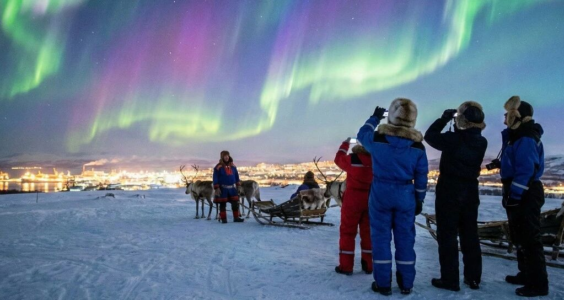
那里三星级酒店价格轻松突破四位数,稍微带点星的直接两千元起跳,俄罗斯境内航班也都贵得离谱,莫斯科飞摩尔曼斯克,单程含行李就要1500元以上。
![]()
老陈和我感慨,这哪里是去穷游,简直是去扶贫啊,俄罗斯绝对是他人生去过自由行难度最高的国家,没有之一。
阿豪和老陈的遭遇,并非个例。
在社交媒体上随便搜一搜,你能看到海量对俄罗斯自由行不方便的吐槽。
有人在捷里别尔卡的风雪中因为封路被困了三天,赶不上回国飞机,也有人因为语言不通且翻译软件失灵,失声痛哭。
![]()
很多中国游客带着享受红利的预期兴冲冲地去了,结果发现这个红利着实有点烫手。
02
中国游客在俄罗斯频频踩雷,但真正让中国游客感到被刺痛的,是那个完全失衡的性价比公式。
老陈后来才明白,战时经济早就推高了俄罗斯隐形物价。
他和我直言,如果有谁是冲着物价低才买的俄罗斯机票,那建议赶紧退票。
因为这里的物价逻辑,早就彻底被制裁重写了。
而很多中国人对制裁的理解停留在宏观经济层面,觉得那是国家之间博弈,和去不去旅游没关系,花多少钱没关系。
但从阿豪旅游体感来说,不仅有关系,而且关系巨大。
他在莫斯科遇挫后,不死心,又去了一趟索契,那里是俄罗斯最好的滑雪胜地,也曾是冬奥会举办地。
在那里的经历,让他彻底看懂了这套扭曲定价体系。
![]()
阿豪在索契滑雪时跟我发语音,背景里是呼啸的风声,语气里全是无奈。
他说,我本来以为卢布贬值了,我是带着汇率优势来的,结果发现这边好点的雪场酒店,一晚上也要好几千,比在法国滑雪还要贵。
这正是制裁带来的内循环效应。
以前,俄罗斯的有钱人,那些居住在莫斯科和圣彼得堡的精英阶层,他们的冬天属于阿尔卑斯山,属于法国的高雪维尔,属于瑞士的圣莫里茨。
现在,那扇通往欧洲的大门关上了。
巨量的财富出不去,高端消费需求被强行留在了国内。
这些平时喝惯了香槟、住惯了奢华木屋的俄罗斯富人,只能全部涌向国内仅有的几个拿得出手的度假地,索契就是其中最核心的一个冬季蓄水池。
当整个俄罗斯上流社会消费力都灌注进这一个地方时,价格自然会被推高到不可思议的程度。
这在经济学上叫作需求溢出导致的局部通胀。
中国游客以为自己是去抄底的,结果一头撞进了俄罗斯富人扎堆的内卷高地,阿豪、老陈们是在用人民币,去和那些无处消费的卢布竞价。
当然,除了价格,还有一个让中国游客们更难受的点,那就是旅游设施维护的衰退。
阿豪称,他在雪场排队时发现,那里的缆车虽然看着宏伟,但运转效率极低,经常停运检修。
后来才了解到,这也是被制裁链条上的痛点之一。
很多高端雪场的设备都是欧洲进口的,现在零部件断供,维护变得异常艰难,经营者只能拆东墙补西墙,或者通过大幅涨价来覆盖极高的维护成本。
游客支付了比欧洲更贵的价格,享受的却是正在老化的基建。
如果说硬件的硬伤还能忍受,那么软件上的“硬”,则成了压垮骆驼的最后一根稻草。
那就是服务态度。
中国游客在国内习惯了顾客就是上帝,习惯了海底捞式的过度服务,甚至习惯了泰国的微笑服务。
到了莫斯科、圣彼得堡,你会发现服务员比你还要冷酷。
老陈说他在餐厅吃饭,多要一份餐巾纸,服务员看他的眼神,仿佛他在索要国家机密,全程没有笑脸,只有机械动作和不耐烦。
有人说这是俄罗斯人的民族性格,天生高冷。
但从商业逻辑看,这也是典型的卖方市场心态。
现在的俄罗斯高端旅游资源极度稀缺,根本不愁客源,酒店永远爆满,餐厅永远排队,他们不需要讨好任何人。
当你不需要为获客焦虑时,服务质量一定下滑。
这就像三十年前国内的国营供销社,东西只有我有,你爱买不买。
中国游客作为后来者,作为一个语言不通、支付麻烦、还需要额外照顾的群体,在当地服务业的鄙视链里,自然排不到前面。
03
对于一部分中国游客来说,这种赴俄旅游巨大的心理落差,某种程度上源于一次错误对标。
很多人之所以在这个冬天涌向俄罗斯,是因为另一个选项变得模糊了。
日本。
最近这段时间,飞往东京和北海道的航班大量取消,让原本计划去北海道滑粉雪、去箱根泡温泉的中产们,被迫寻找一个新的出口。
这时候,免签的俄罗斯出现了,大家在潜意识里完成了一次商业置换。
既然去不了北海道,那就去西伯利亚、勘查加。
反正都有雪,都有帝王蟹,而且飞行距离差不多,看起来是一个完美备胎。
![]()
但以我年轻时多次前往俄罗斯旅行的经历来看,完全是另一个物种。
对于很多中国游客来说,俄罗斯代表的是极度的不确定性,更是粗犷,宏大,充满变数的野生旅游环境。
试图用俄罗斯去平替日本,就像是用伏特加去平替清酒。
它们虽然都是酒,但喝下去的反应截然不同。
那些指望在索契体验日式跪式服务的游客,注定会被那里的冷脸撞得头破血流。
这不是俄罗斯的错,是你自己选品的问题。
老陈后来跟我说,当他不再纠结酒店破旧,汇率亏损,裹着厚厚军大衣,坐在一辆破旧越野车里,看着窗外荒原上那轮巨大的红月亮时,突然释怀了。
那是一种粗砺的美感,也是一种在精致的现代文明中已经消失的野性。
这种体验,在瑞士找不到,在北海道也找不到。
如果你能接受这种硬核设定,接受花五星级的钱吃路边摊的苦,那么这趟旅程或许依然值得。
而第一批免签去俄罗斯的人,其实是在用自己的肉身,去测试这个巨大的信息差。
他们支付了昂贵的学费,买回了些真实的教训,却也亲眼看到了这个世界折叠后的另一面。
这时候你才会发现,旅行的本质是去感受世界的不同,哪怕这会带着一点刺痛。

![]()
客观地说,俄罗斯作为一个幅员辽阔、历史悠久的国家,其实有着极为丰富的旅游资源,无论是体验历史文化艺术还是探索自然风景,都有很多选择。
但是,现在的俄罗斯,倒贴一百万请我去旅游我都不会考虑。
第一,俄罗斯的飞机我不敢坐
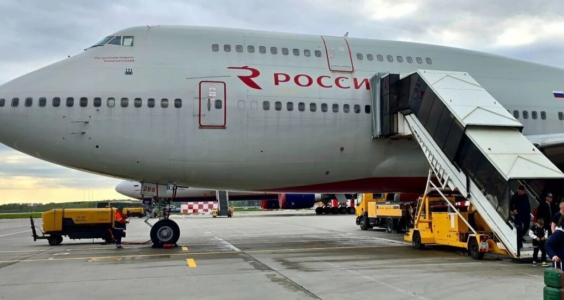
全球两大民航客机制造商空客与波音,已经好几年没有给俄罗斯提供过飞机配件与技术支持了,现在俄罗斯的飞机维修配件主要靠拆解旧飞机或俄产替代。
能飞,但也仅此而已了。
![]()
随着时间的推移与飞机的老化,俄罗斯的民航飞行将面临越来越高的安全风险,远远超出我的风险接受范围。
不止飞机,俄罗斯的铁路列车、汽车也都会面临类似的安全风险。衣服可以缝缝补补又三年,破一点也还能穿,飞机汽车缝缝补补又三年,那是拿生命在冒险。
我这人惜命,就不去冒这个险了。
而且,俄罗斯还有一些从中国公司手上扣押(也可以说是抢走)的飞机,我作为中国人绝不接受这种坑害中国企业的流氓行径,更不可能去买机票支持。
第二,俄罗斯的黑警我打不过
免签后第一批过去俄罗斯的游客已经发回了真实反馈,有俄罗斯黑警专门抓捕敲诈中国游客(也可以称为肥羊)。
![]()
我虽然是中国人,但并没有叶问那样的中国功夫,别说十个俄国大力士了,就是一个俄罗斯黑警我也打不过啊,人家可是有武器的。
为了避免被敲诈以及被抓捕后的羞辱恐吓,我肯定不会去俄罗斯旅游,不敢去以身测试俄罗斯警察的道德水平。
打不过,我躲得起。
第三,俄罗斯的侵略我忘不掉
反对侵略战争,是文明世界的共识。
作为深受侵略战争之苦的中国人,面对一个时至今日仍然没有停止入侵他国的恶棍国家,我很难保持内心平静,更不可能去旅游和消费以支持其侵略行为。
过几天我要带一群残障伙伴和健全伙伴一起去中俄边境的伊春旅行,但我绝不会过境去俄罗斯消费一分钱,也不会购买任何一件所谓俄罗斯特产。
![]()
当然,眼下的俄罗斯也没有任何值得买就是了。
去俄罗斯旅游和消费,既对不起海参崴惨遭屠杀的同胞,也对不起乌克兰正遭受战火肆虐的百姓。
建议你也别去。
The first funeral for one of the victims of the Bondi Beach shooting has taken place in Sydney, with thousands gathering to mourn Rabbi Eli Schlanger.
He was among 15 people killed when two gunmen, alleged to have been motivated by Islamic State ideology, opened fire on a festival marking the first day of Hanukkah.
Rabbi Schlanger, who was known as the "Bondi Rabbi" and had helped organise Sunday's event, was born in the UK. His wife gave birth to their fifth child just two months ago.
Rabbi Levi Wolff, who opened the service, said his death as an "unspeakable loss" for the community, the Chabad of Bondi and "the entire Jewish nation".

Associated Press"Eli was ripped away from us, doing what he loved best," he said.
"Spreading love and joy and caring for his people with endless self-sacrifice in his life and in his death, he towered above as one of the highest and holiest souls."
He was mourned by his father-in-law as a person beloved by the community. The 41-year-old was "my son, my friend, my confidant," Rabbi Yehoram Ulman told the congregation at the Chabad of Bondi.
"My biggest regret was, apart from the obvious, to tell Eli more often how much we love him, how much I love him, how much we appreciate everything that he does and how proud we are of him," Rabbi Ulman said.
"I hope he knew that but I think it should have been said more often."
Ulman also urged Jewish people not to hide in the aftermath of the attack and said that on Sunday night - the final night of Hanukkah - they would continue a 31-year-old tradition, and light the final candle on Bondi Beach.
"All the rabbis together, under the banner of our Chabat house of Bondi, to which Eli dedicated his life, we are going to gather in Bondi Beach," he said.
The funeral of Rabbi Yaakov Levitan is also expected to take place on Wednesday afternoon, while the funeral of 10-year-old Matilda, the youngest victim, is to take place on Thursday.
Speaking to reporters in Bondi on Wednesday, Matilda's father praised lifesavers, bystanders and police officers who came to their assistance as they struggled to save their daughter's life, and a woman who helped their younger daughter, Summer.
"I must say the biggest thank you to the lady that saved Summer," he said. "I don't know who she was but she literally hugged her for the whole ten minutes of shooting."
Opposition leader Sussan Ley, New South Wales Premier Chris Minns, former prime minister Scott Morrison and Israeli Ambassador Amir Maimon were among those attending Schlanger's funeral.
Anthony Albanese was not present. Asked on ABC NewsRadio about his absence, the prime minister said, "I would attend anything that I'm invited to. These are funerals that are taking place to farewell people's loved ones."
The Jewish community has criticised Albanese for not taking enough action on antisemitism.
The prime minister defended himself against those accusations on Wednesday, telling ABC NewsRadio he had taken a series of measures including appointing the country's first antisemitism envoy, toughening hate speech laws and increasing funding for social cohesion projects and Jewish institutions.
He also said that one of the two men accused of carrying out Sunday's attack would be charged later on Wednesday, although NSW Police Commissioner Mal Lanyon later said this may depend on his medical condition.
"It's important he has appropriate cognitive ability. For his fairness, we need him to understand what is exactly happening," he told reporters in Sydney.
Naveed Akram reportedly woke from a coma on Tuesday afternoon after being shot and critically injured by police in Sunday's attack. His father, 50-year-old Sajid Akram was shot dead.
The pair, who allegedly fired on people attending the Hanukkah festival for around 10 minutes, reportedly travelled to the Philippines in November and police are investigating whether they met with Islamic extremists.
Two police officers were critically injured in the shooting and police on Wednesday confirmed that one of them had lost the sight in one eye as a result.
Jack Hibbert, 22, had only been in the police force for four months when he was shot, police said in a statement. During the attack he had "responded with courage, instinct, and selflessness, continuing to protect and help others whilst injured, until he was physically no longer able to."
The second officer, constable Scott Dyson, underwent further surgery this morning and is in a critical but stable condition, Lanyon added.
Simon Atkinson contributed reporting.

BBCUS President Donald Trump has said he is ordering a "a total and complete" blockade of all sanctioned oil tankers going into and out of Venezuela.
In a post on Truth Social, he accused Venezuela of stealing US assets, such as oil and land, and of "Terrorism, Drug Smuggling, and Human Trafficking".
"Therefore, today, I am ordering A TOTAL AND COMPLETE BLOCKADE OF ALL SANCTIONED OIL TANKERS going into, and out of, Venezuela," he added.
His post came a week after the US seized an oil tanker off the coast of Venezuela – a move that marked a sharp escalation Washington's pressure campaign against Venezuelan leader Nicolás Maduro's government.
In the post, the US president said Venezuela was "completely surrounded by the largest Armada ever assembled in the History of South America".
He added that it will "only get bigger" and "be like nothing they have ever seen before".
Trump also accused Maduro's government of using stolen oil to "finance themselves, Drug Terrorism, Human Trafficking, Murder, and Kidnapping".
Venezuela has not yet responded to Trump's latest remarks.
The Trump administration has repeatedly accused Venezuela of drug smuggling and since September the US military has killed at least 90 people in strikes on boats it has alleged were carrying fentanyl and other illegal drugs to the US.
In recent months, the US has also moved warships into the region.
Venezuela - home to some of the world's largest proven oil reserves - has, in turn, accused Washington of seeking to steal its resources.
This breaking news story is being updated and more details will be published shortly. Please refresh the page for the fullest version.
You can receive Breaking News on a smartphone or tablet via the BBC News App. You can also follow @BBCBreaking on X to get the latest alerts.

Getty ImagesSouth Africa has accused the US of using Kenyan nationals who did not have work permits at a facility processing applications by white South Africans for refugee status.
Seven Kenyans were arrested after intelligence reports revealed that people "had recently entered South Africa on tourist visas and had illegally taken up work" at the centre, said a statement from South Africa's department of home affairs.
The BBC has approached the US State Department for comment.
While the US is trying to reduce overall levels of migration, it says that members of South Africa's white Afrikaner community can get asylum because they face persecution - a claim South Africa's government strongly rejects.
The US has reduced its yearly intake of refugees from around the world from 125,000 to 7,500, but says it will prioritise Afrikaners, who are mostly descendants of Dutch and French settlers.
South Africa says the Kenyan nationals arrested in Tuesday's raid will now be deported and will be banned from entering the country for five years.
They had previously been denied work visas but were found "engaging in work despite only being in possession of tourist visas, in clear violation of their conditions of entry into the country", the statement said.
South Africa said the raid showcased the commitment that the country shared "with the United States to combating illegal immigration and visa abuse in all its forms", it said.
It added that "formal diplomatic engagements" had been started with both the United States and Kenya.
No US officials were arrested and the operation was not at a diplomatic site, it said.

Getty Images/BBCGo to BBCAfrica.com for more news from the African continent.
Follow us on Twitter @BBCAfrica, on Facebook at BBC Africa or on Instagram at bbcafrica

Getty ImagesF1 driver Kimi Antonelli has surprised local go-karters by going incognito at a packed racing session.
Antonelli attended Daytona Milton Keynes on Saturday and registered under the name "Henry Shovlin".
The 19-year-old Italian, who drives professionally for Mercedes, set the fastest lap of the session in the main race but did not win.
Daniel Prince, from Daytona, said Antonelli failed to make the podium because he got "two penalties" for "pushing too hard" but was happy to pose for a photo until he was mobbed by fans.

Daytona Milton KeynesMr Prince said Antonelli did the usual briefing and then raced with everyone else but "no-one had a clue" who he was.
"He actually got two penalties for pushing too hard so didn't finish on the podium at the end of it," he told Roberto Perrone on BBC Three Counties Radio.
"But he did get the fastest lap of the race by at least three seconds."
Mr Prince said the star was not recognised because he was wearing a helmet, but when he went back inside and removed it "everyone realised who they'd been racing against".
"Everyone really mobbed him so a member of staff quickly rescued him and put him behind the desk for a cheeky photo by our celebrity leaderboard, and then he ran away and left."
F1 drivers including Alexander Albon, Isack Hadjar and Yuki Tsunoda have visited the track due to its proximity to Silverstone.

Daytona Milton KeynesFollow Beds, Herts and Bucks news on BBC Sounds, Facebook, Instagram and X.

ReutersIn a further escalation of tension between the United States and Venezuela, President Donald Trump has ordered a naval blockade to stop sanctioned oil tankers from entering and leaving the South American country.
Venezuela - which has the world's largest proven oil reserves - is highly dependent on revenues from its oil exports to finance its government spending.
But US sanctions targeting Venezuela's state-run oil company PDVSA have made exporting oil difficult for the Venezuelan government, leading them to resort to a fleet of "ghost ships".
So what do we know about these vessels and how they operate?
As of last week, more than 30 of the 80 ships in Venezuelan waters or approaching the country were under US sanctions, according to data compiled by TankerTrackers.com.
It is these vessels President Trump is targeting with the "total and complete blockade of all sanctioned oil tankers going into, and out of, Venezuela" he announced on his Truth Social account on 16 December.
The post came less than a week after the US seized an oil tanker believed to be part of the "ghost fleet" off the coast of Venezuela, which used various strategies to conceal its work.
Trump imposed sanctions on Venezuela's oil industry as far back as 2019, during his first term as president.
That year, Venezuelan crude exports fell by more than half from roughly 1.1 million barrels per day in January to about 495,000 by the end of 2019, according to the US Energy Information Administration.
Six years later, the sanctions remain in place but Venezuela's oil exports have grown again to around 920,000 barrels per day as of November, according to the news agency Reuters.
While this falls far short of the country's peak level of oil exports of 3 million barrels per day in 1998, this partial recovery indicates that the sanctions against Venezuela are not working as the US hoped.
It indicates that the government of Nicolás Maduro has found new ways to sell Venezuelan oil with the "ghost fleet" at their centre.
Ghost fleets are a growing phenomenon, used not just by Venezuela but also by two other oil-producing countries under Western sanctions - Russia and Iran.
Financial intelligence firm S&P Global estimates that one in five oil tankers worldwide are used to smuggle oil from sanctioned countries.
Of these, 10% carry only Venezuelan oil, 20% carry Iranian oil, while 50% are exclusively dedicated to Russian oil. The remaining 20% are not tied to any particular country and can transport oil from more than one of these nations.
Oil sanctions aim to discourage countries or companies from buying or dealing with crude oil from sanctioned nations.
Companies and nations caught buying oil from sanctioned countries like Venezuela risk being sanctioned themselves by the US.
Sanctioned countries offer their oil at steep discounts so that companies or nations are willing to take the risk of buying it whilst applying tricks to disguise its origin.
One of the most common strategies ghost tankers use is to frequently change their name or flag - sometimes several times in a month.
For example, the tanker seized this Wednesday is called The Skipper, according to CBS News, the BBC's US partner.
The ship has been sanctioned by the US Treasury since 2022 for its alleged role in an oil-smuggling network that helps finance Iran's Revolutionary Guard and the Lebanese militia Hezbollah, according to CBS.
At that time, the tanker was named Adisa, but it was originally called Toyo. It was one of the vessels linked to Russian oil tycoon Viktor Artemov, who is also under sanctions.
The Skipper is a 20-year-old vessel - another common trait among ghost fleet tankers. Major shipping companies usually dispose of ships after 15 years of service, and after 25 years they are typically scrapped.
Another trick these ships use is to steal the identity of scrapped vessels by using their unique registration numbers assigned by the International Maritime Organization – similar to criminals using the identity of a dead person.
These are known as "zombie ships".
Last April, a ship called Varada arrived in Malaysian waters after a two-month journey from Venezuela.
It raised suspicions because it was a 32-year-old boat and flew the flag of the Comoros, an island nation off east Africa, which is a popular choice among ships that want to avoid detection.
According to a Bloomberg investigation, it was a zombie ship, as the real Varada had been scrapped in Bangladesh in 2017.
The news agency compared satellite images with historical photos to detect four zombie ships carrying Venezuelan crude oil.
Other common tactics include disguising the origin of crude oil by transferring it in international waters to legally compliant tankers with other flags.
These then deliver the oil to its destination, presenting it as coming from a country that is not sanctioned.
This happened with Venezuelan oil exports to China during Trump's first term when sanctions were tightened.
Another common trick among these tankers is disabling the Automatic Identification System, which transmits data including the vessel's name, flag, position, speed or route.
This allows ships to hide their identity and location.
Maritime risk company Vanguard Tech says it believes The Skipper was "spoofing its position for a long time" - that is, transmitting a false signal, making it appear to be in a different location.

Planet Labs PBC / ReutersAccording to a report in October by the anti-corruption NGO Transparencia Venezuela, there were 71 foreign tankers at the ports of Venezuelan state oil company PDVSA - of which 15 are under sanctions and nine are linked to ghost fleets.
It found that 24 tankers were operating under stealth, with their mandatory location signals deactivated.
The NGO says it detected six ship-to-ship cargo transfers in waters off western Venezuela.
Most of the ships flew flags of countries considered regulatory havens with lax oversight of sanctions, including Panama, Comoros and Malta.
Many spent more than 20 days without docking at an oil terminal, unlike the Chevron-operated ships that the US has authorised in Venezuela, which load and leave within six days.
"The extended stay in port areas without directly reaching oil terminals raises serious doubts about the type of operations these vessels are conducting," said Transparencia Venezuela in its report.
Given that the operation to seize the ship on 10 December came from the USS Gerald Ford aircraft carrier - the largest in the world - which is now part of the massive US military deployment in Caribbean waters, Maduro's ability to rely on the ghost fleet is likely to be significantly curtailed.


© Aleksey Kondratyev for The New York Times

© Jade Gao/Agence France-Presse — Getty Images

© Victor J. Blue for The New York Times

© Kaylee Greenlee for The New York Times

© Filippo Monteforte/Agence France-Presse — Getty Images