The man was found beside the Wheatsheaf pub in Ewell
A 15-year-old boy has been charged with murder following the death of a man in an alleyway near a pub in Surrey.
Police were called to the scene near the Wheatsheaf pub, on Kingston Road, Ewell, at about 15:30 GMT on Tuesday where, they said, the victim, a man in his 20s, was found with "injuries consistent with a stabbing". He was pronounced dead at the scene.
The boy, who cannot be named for legal reasons, was arrested on Thursday and is due to appear at Guildford Magistrates Court on Monday.
A second 15-year-old boy, a 17-year-old boy and a 20-year-old man also arrested have since been released on police bail.
Simon Cameron (1799–1889) was an American politician who was elected senator from Pennsylvania four times, and was War Secretary under Lincoln at the start of the Civil War. At first a supporter of James Buchanan, whom he succeeded in the Senate when Buchanan became Secretary of State in 1845, Cameron broke with Buchanan and the Democrats by the 1850s. An opponent of slavery, he briefly joined the Know Nothings before winning another term in the Senate as a Republican in 1857. He helped nominate and elect Lincoln, but rumors of corruption surrounded him; it was with reluctance that Lincoln appointed him to the cabinet. He did not do well in his post, and Lincoln made him minister to Russia in 1862, a post he held briefly. He rebuilt his political machine in Pennsylvania, winning a third term in the Senate in 1867. After ten years he resigned, arranging the election of his son, Don Cameron, in his place. Simon Cameron lived to age 90; his machine dominated local politics until the 1920s. (Full article...)
... that upon receiving her pay from His Master's Voice, Asiah Aman was taught by an executive how to open a bank account?
... that while the 2024 WDF World Darts Championship final featured a 70-year-old, the 2025 final featured a 15-year-old?
... that Indonesian ambassador Niniek Kun Naryatie initially wanted to resign as a diplomat after giving birth to her first child, but her husband convinced her not to do so?
The McClure Tunnel is a tunnel in Santa Monica, California, which connects Pacific Coast Highway (State Route 1) with the western terminus of the Santa Monica Freeway (Interstate 10). It is 400 feet (120 m) long. The first tunnel on the site was a Southern Pacific Railroad tunnel constructed in 1886. This featured in a brief 1898 film called Going Through the Tunnel, which showed the ocean view appearing to the left as the passenger emerges from the western portal. The rail tunnel was demolished and replaced with the current road tunnel, which opened in 1936. It was named after local newspaper publisher Robert E. McClure in 1979.
A U.S. Air Force air-to-air refueling tanker took off from an airport in St. Croix in late November. A similar type of aircraft nearly collided with a JetBlue flight on Friday over the Caribbean, according to air traffic control radio communications.
Quemuel Arroyo, the New York transit system’s chief accessibility officer, has used a wheelchair for half his life. He understands how difficult it is to navigate the subway.
Rural departments have long relied on cheap software solutions to keep their operations running. But fire chiefs report sharp price increases as investors have entered the market.
Anon contributor “Soon Kueh” occasionally writes about China and delights in bureaucracy.
Disclaimer: All the quotes and information are obtained directly from Pin Ho and Wenguang Huang’s A Death in the Lucky Holiday Hotel: Murder, Money, and an Epic Power Struggle in China unless stated otherwise.
Under Xi’s regime, CCP purges have been exceptional in terms of quantity and quality. Xi has now purged more officials than Mao ever did, and he is not stopping. While purging is now a normalised feature of Xi’s rule, fresh rounds of purges always invite new political divinations, rumours of succession politics, and new speculations on the cabinet’s factional alignments.
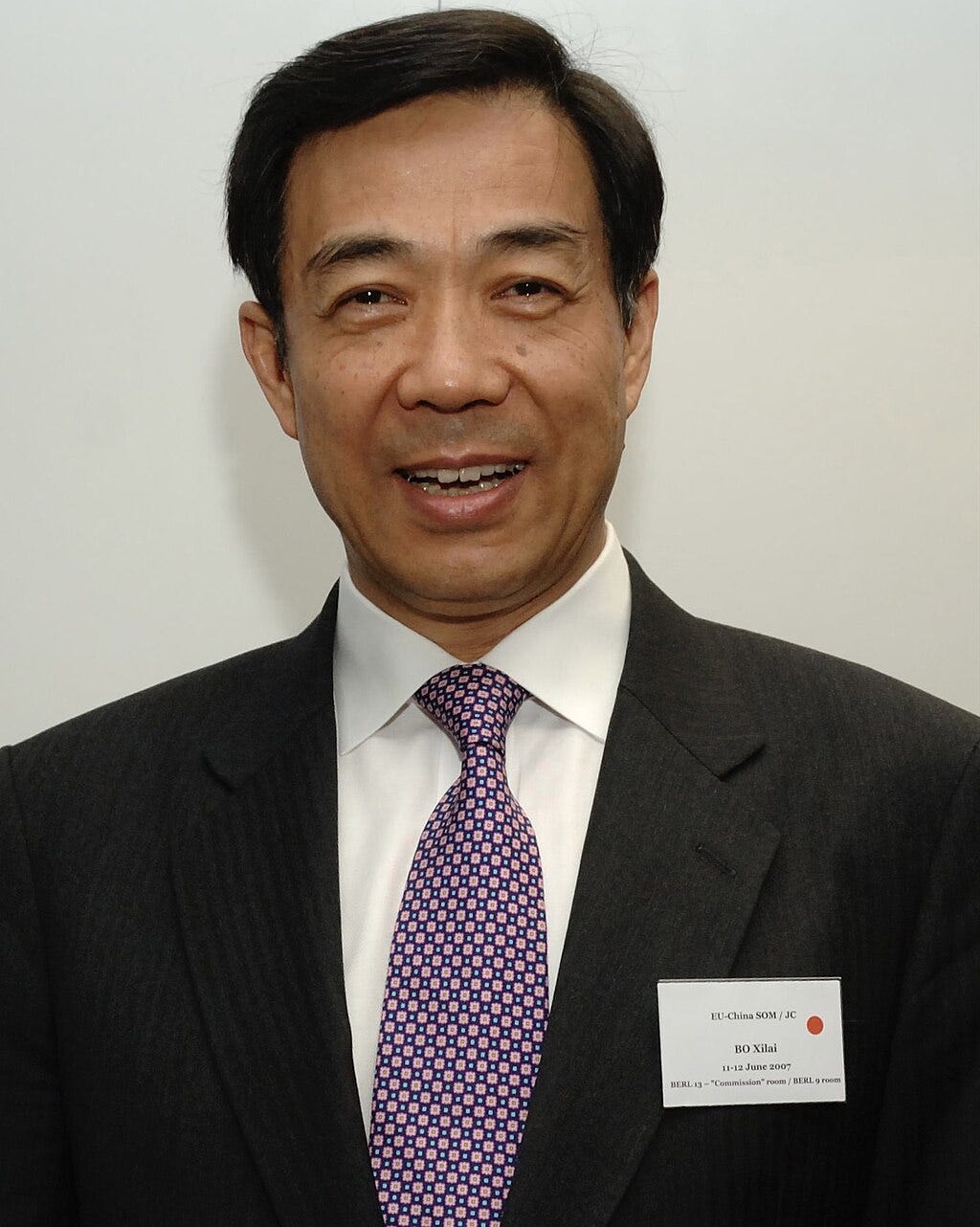
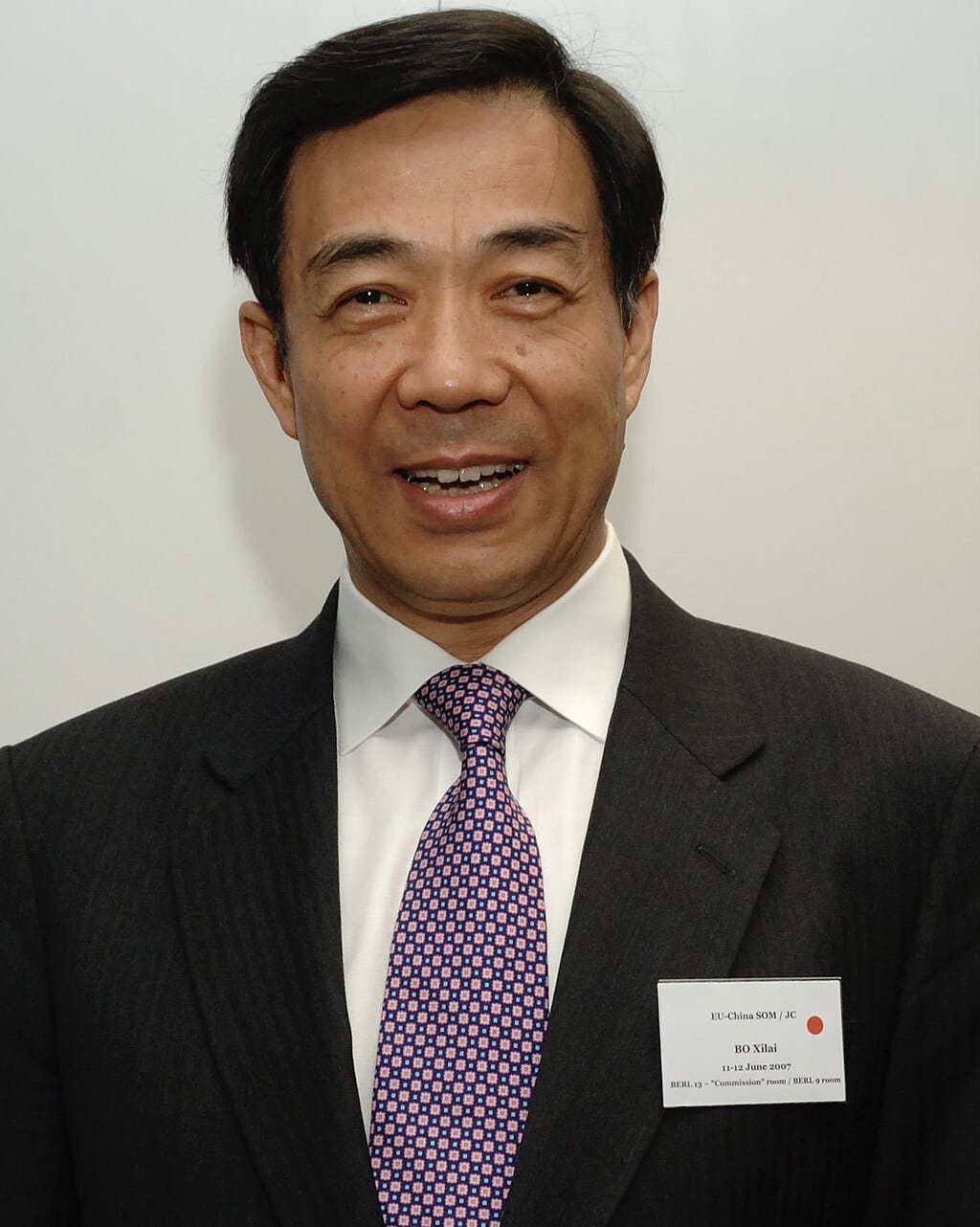
While understanding realpolitik is fun, what about the fanfare, the drama, the campiness associated with purges? Unfortunately, because of the party’s opaque politics, we are rarely privy to the internal processes of a successful purge and can only debate about the outcomes once the dust settles. Alas, we can only imagine what it’s like being a fly on the wall in the recent PLA purge, but we can draw from memory to extrapolate. So far, the only crack that allowed us a rare glimpse into the party’s shrouded political intrigue occurred 13 years ago, during the purge of Bo Xilai. For longtime party watchers, it was a strangely serendipitous time to witness how the chips fell out of place — from Wang Lijun’s 王立军 botched defection at the American embassy, to Gu Kailai’s 谷开来 shoddy murder of British businessman Neil Heywood, and the resulting purge of Bo’s faction. Borrowing mainly from Pin Ho 何頻 and Wenguang Huang’s 黃聞光 A Death in the Lucky Holiday Hotel: Murder, Money, and an Epic Power Struggle in China, this article takes a trip down memory lane to revisit Bo’s fantastical downfall and indulges in a campiness rarely associated with the CCP.
Our tale begins as a wǔxiá 武侠 novel, with Bo Xilai as our main protagonist, attempting a return to greatness. The revenge trope of the fallen prince is a common theme in the wǔxiá genre and Chinese historical dramas. Forced into exile, the disgraced noble prince swears to bide his time in the shadows as he slowly accumulates resources(韬光养晦 and plans for his return to glory.
As the son of former high-ranking revolutionary Bo Yibo 薄一波, Bo Xilai’s life fundamentally embodies this trope (although he is obviously not a conventional hero). Princeling by birth, his playmates included Xi Jinping and Liu Yuan 刘源, son of Liu Shaoqi. However, Bo’s life soon took a downturn when his father was purged during the Cultural Revolution and languished in jail for twelve years. As a result, Bo and his brothers were detained in a youth delinquency center for 5 years from 1967-1972. Bo’s life improved in his thirties, when his father was finally reinstated as vice premier. His father’s return to power signaled that young Bo’s exile was over and that it was finally appropriate for him to enter politics.
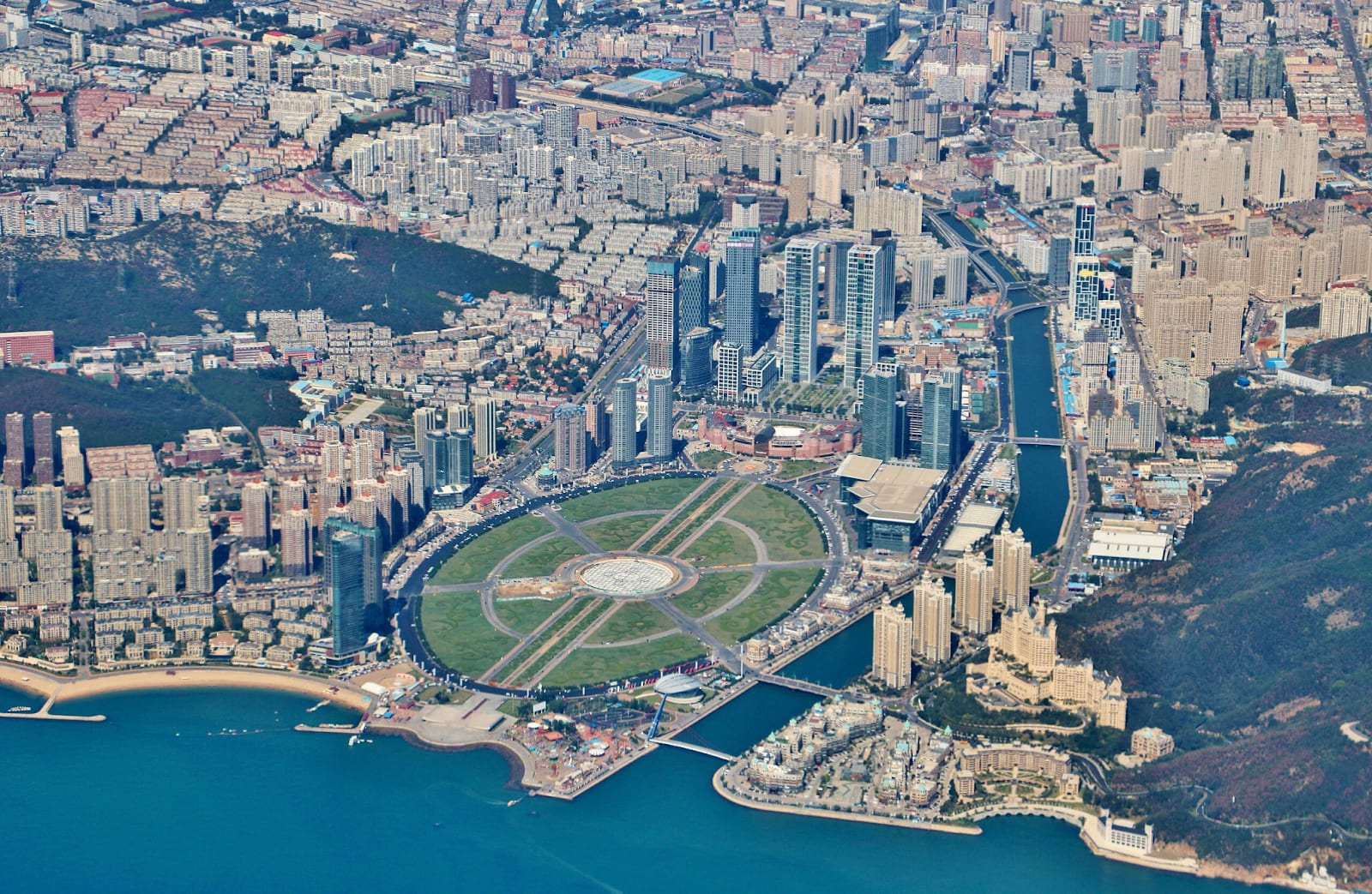
Tired of quietly lurking in the shadows, Bo’s political ambitions were obvious from the start. In 1982, he joined the Party Central Committee Secretariat as a research assistant. Following the playbook of elite officials who forged their careers by conducting revitalization efforts in the rural countryside, Bo requested a transfer in 1984 and was ultimately posted to Jin county 金县 in Liaoning. His career progressed steadily afterwards, alongside his vanity and flamboyance. In 1987, Bo became district party chief in Dalian, where he sought to beautify the city through extensive greenification (which was a questionable priority given the region’s severe water shortage) and heavy redevelopment. He was both an ambitious princeling and a debauched ruler. He had an unabashed love for beautiful women. At one point, he used government money to host fashion shows with gorgeous young women to demonstrate Dalian’s immense beauty, and even ordered the police department to create a squad of policewomen who patrolled on horseback. He was also aptly nicknamed “Bo Qilai” 薄起来, which translates to “Get-it-Up Bo” because of his lustfulness.
During his ascent, his burgeoning political ambitions ruffled many feathers. In 1994, he built Xinghai Square 星海广场, the largest city square in the world, to celebrate the handover of Hong Kong.
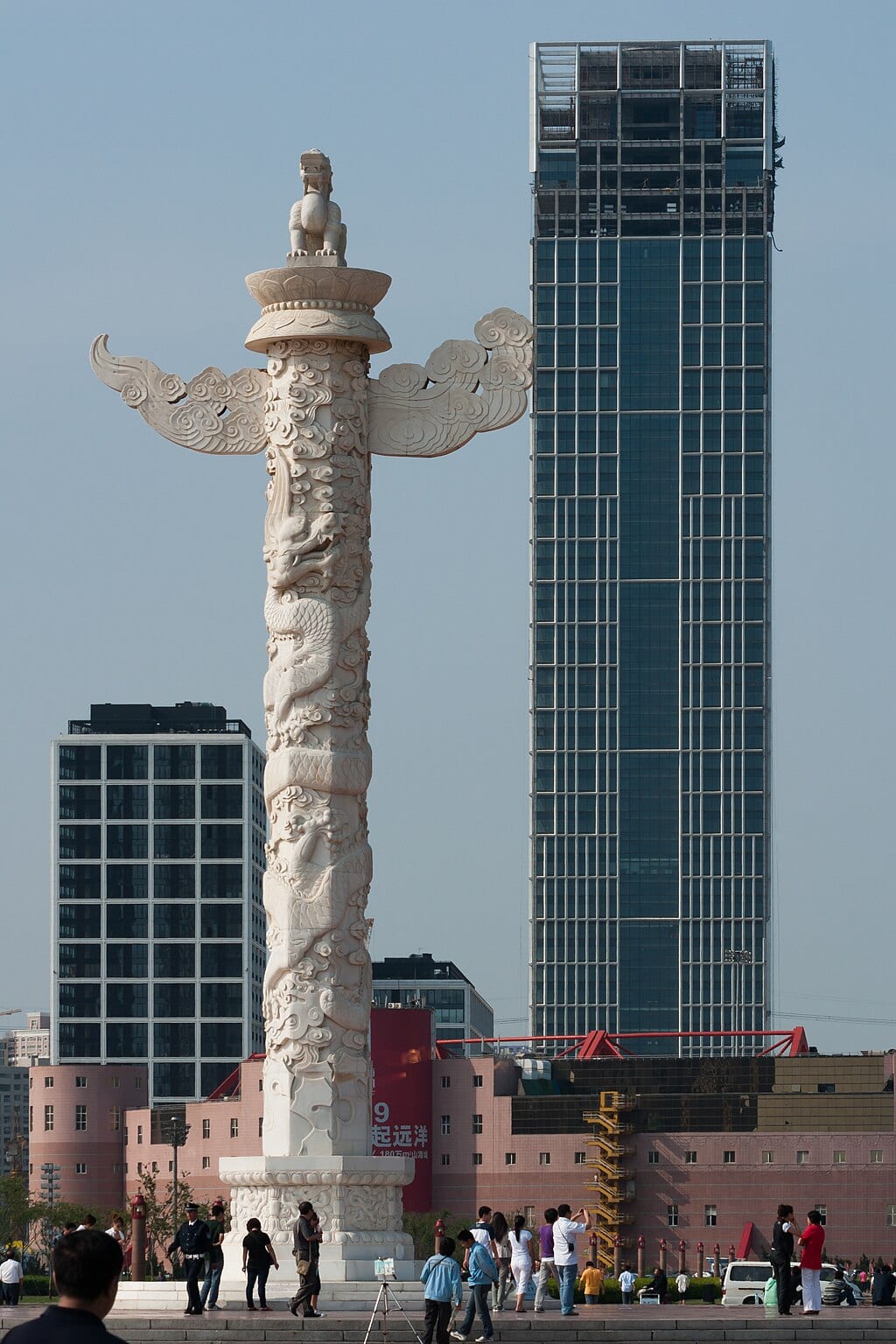
It wasn’t just the size that caught people’s attention, but the huábiǎo 华表 that was erected there.As a huábiǎo is a ceremonial column traditionally placed in front of tombs or palaces that usually signified imperial authority, many observers thought that this artistic decision revealed Bo’s thirst for influence — especially since the huábiǎo in Dalian was much larger than the one in Beijing. Rumors even alleged that Jiang Zemin was shocked when he first saw the huábiǎo in Dalian during a visit.
The now-demolished huábiǎo in Xinghai Square (Source)
Like a classic wǔxiá novel where the protagonist must undergo many trials and tribulations, Bo’s career was not all smooth sailing. In fact, his final posting, Chongqing, was initially viewed as a demotion. But to be fair, Bo is no hero. In fact, it was his domineering personality that led to his Chongqing reassignment.
Bo was initially promoted to deputy party secretary and interim governor of Liaoning in 2001 after he left Dalian. (He was given a huge sendoff by residents, although some eventually disclosed that they were promised free KFC by local officials if they attended). However, because his strong-headed personality did not gel with the Liaoning leadership, President Hu Jintao brought him to Beijing to succeed ailing Commerce Minister Lu Fuyan 吕福源 in 2002. His stint at the Commerce Ministry earned him the unpleasant nickname “Mao Zedong Jr. 小毛泽东” and he clashed with his superior, Vice Premier Wu Yi 吴仪, who oversaw the ministry. Bo sought to replace Wu Yi when she announced her imminent retirement in 2008, but was thwarted by Wu’s objections. Against his will, Bo was posted to Chongqing as party secretary — although he eventually looked at it as an opportunity to exercise more political autonomy to implement his own policies.
Act 2: Every Hero Needs a Sidekick
Bo’s narrative arc is fascinating because of its capacity for genre-shifting. While his story initially resembles the return arc of The Dark Knight Rises, where Batman painstakingly crawls out of the underground prison to defeat Bane, Bo’s stint in Chongqing embodies the spirit of a classic buddy cop film, with a twist of tragicomedy.
Bo Xilai’s stint in Chongqing was unforgettable. His year-long “Smashing Black, Singing Red” 打黑唱红 anti-corruption campaign was implemented by 10,000 police, divided into 329 investigation teams. Allegedly, nearly 5,000 arrests were made and 3,273 people were prosecuted; 520 of these cases resulted in a conviction, with 65 people executed or sentenced to life imprisonment. In the same time frame, the “police successfully captured 4,172 previously unsolved cases and broke up 128 crime rings.” While later reports claimed that the numbers were heavily exaggerated, the operation’s massive scale was enough for Beijing to become wary of Bo.
In comes Bo’s loyal sidekick and fellow buddy cop Wang Lijun, who was responsible for executing much of the campaign. Wang was the former Chongqing police chief and deputy mayor. Bo and Wang’s initial connection has been the subject of much speculation, which often veers towards the fantastical. Supposedly, Wang was an elite cop who cracked the mysterious attempted mercury poisoning of Bo’s wife Gu Kailai after he was enlisted by family friend and billionaire Xu Ming 徐明. Unfortunately, the most realistic story is also the most boring: Wang was introduced to Bo by former security czar, Zhou Yongkang 周永康, who owed Wang a favour.
In many ways, Wang was as narcissistic as Bo, if not more. He always “had an entourage of more than twenty camera-carrying assistants” who followed him everywhere and recorded his every word and action. Quotes and pictures deemed good enough were then either “compiled into a book which included lavish praise from subordinates,” or posted on the news. If the photos taken were too ugly, the photographer needed to Photoshop them until Wang was satisfied. Wang was also a terrible boss. He once jailed his secretary for “talking back to him over a trivial matter.” In just two years in Chongqing, he burned through fifty-one personal secretaries; one was even fired on his first day. And like Bo, Wang had a love for women — his bodyguard posse mainly consisted of women decked in red uniforms.
But Wang was no princeling, a fact which clearly haunted him. He started from scratch as a volunteer in a neighbourhood watch group before becoming a police officer in Tieling 铁岭, Liaoning. Thereafter, he was posted to Jinzhou 锦州, Liaoning, and finally Chongqing. Much of Wang’s career involved a dash of deceit and savviness that easily rivalled Anna Delvy and Elizabeth Holmes. To take advantage of the affirmative action policies that benefit ethnic minorities, Wang switched his ethnicity from Han to Mongolian to contest for a delegate spot at the 14th Communist Party Congress in 1992. To make up for his lack of college credentials, Wang embarked on a retroactive crusade to collect them all:
“His official résumé indicates that he obtained an [MBA]…at something called “California University” … Wang also obtained an eMBA from the China Northeastern Finance University between 2004 and 2006, when he was deputy mayor of Jinzhou. A professor at Beijing University said Wang’s eMBA degree has no academic value because the program is a revenue-generating engine for the university.”
Despite his suspicious credentials, “more than ten of China’s prestigious universities have made Wang an adjunct professor and doctoral supervisor.” The president of Beijing University of Posts and Telecommunications even claimed that Wang had a PhD in law. Chinese state media also reported that “Wang was an expert on forensics, criminal psychology, and law; had written five books on law; and had presided over eighteen legal-research projects.” Wang was supposedly also a genius inventor: he has filed more than 119 patents on China’s State Intellectual Property Office website, “from police equipment and alarm systems to police raincoats and policewomen’s boots.”
Wang’s inferiority complex found refuge in Bo’s princeling status. With Bo’s backing, Wang confidently unleashed Chongqing’s anti-corruption campaign that terrorized the city and made excessive surveillance and paranoia the new normal.
However, this camaraderie did not last long.
Act 3: The Slap that Ended it All
The genre shifts again. We are now regressing in time and now reside in the genre of the Chinese historical period drama, where political intrigue, murder, and petty catfights — alongside the occasional gender bender — unfold.
To say that a slap ended it all would be an exaggeration. But it is not entirely false to say that the slap did create the fissure that caused the cataclysmic fallout between Bo and Wang. But first, we must return to the catalyst: Neil Heywood’s murder.
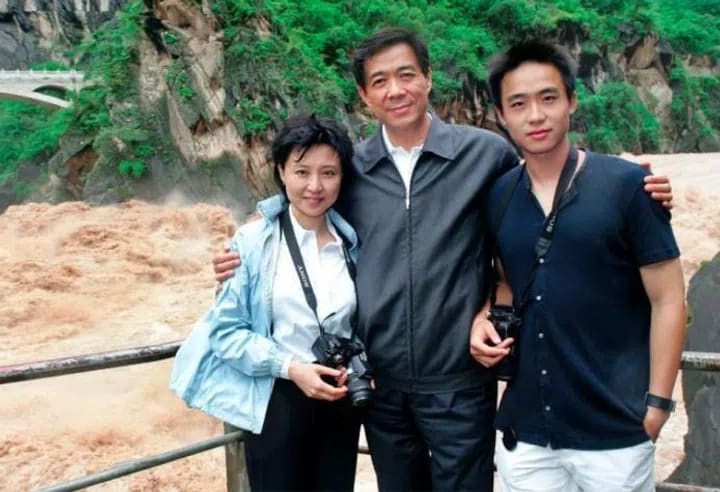
Out of all the career switches an ESL tutor can make, Neil Heywood chose the riskiest option. He started working as an English tutor to affluent families in 1998. However, with the suave confidence of a white man in early reform China, Heywood reached out to Bo Xilai’s wife, Gu Kailai, and introduced himself as an alumnus of Harrow — an elite UK private school where Gu’s son Bo Guagua 薄瓜瓜 was studying. Gu agreed to meet Heywood in London thereafter, and the rest was history. Heywood successfully transitioned out of his teaching gig to become a part-time nanny and part-time money launderer — arguably the most successful ESL career switch in history.
Heywood and Gu’s relationship had always been intense, but their relationship became severely strained when Heywood ran out of money in 2011 and started harassing Bo Guagua. (Heywood even forcibly detained Bo Guagua in his apartment once.) Consequently, Gu viewed Heywood as a threat that needed to be neutralised. In choosing between framing Heywood for drug trafficking and poisoning him to death, Gu eventually preferred the latter for its simplicity. Throughout this process, Wang was actively assisting Gu and brainstorming ideas to get rid of Heywood. (Wang even suggested killing Heywood in a shootout and planting drugs on him, but this idea was eventually rejected as it would have caused a massive international scandal and risked damaging Chongqing’s reputation.)
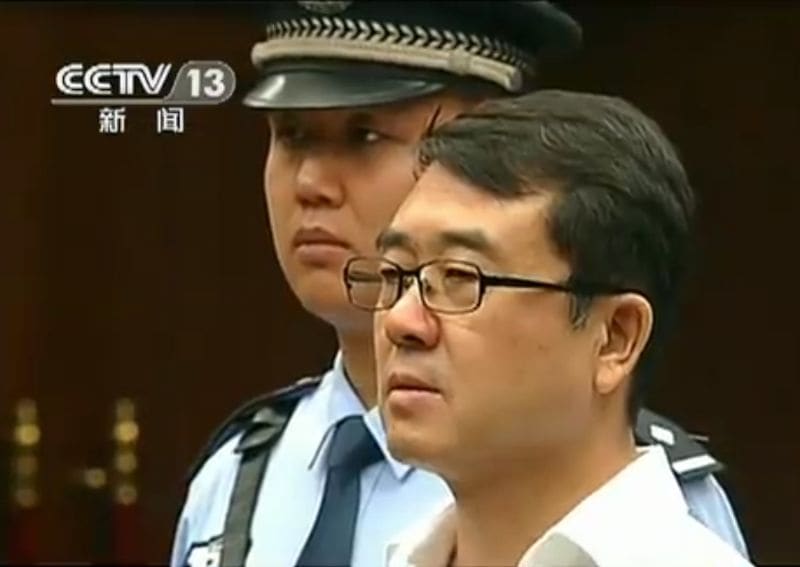
However, Wang’s assistance eventually turned into blackmail. Around the same time, Wang feared that his career was coming to an end because his political opponents were zeroing in on him; many of his old friends in Tieling were investigated by the Central Disciplinary Inspection Commission and prosecuted. Wang feared that he would be next. When Wang realised that Bo remained unconcerned, he took things into his own hands. After Gu double-crossed Wang and tried to destroy evidence of Heywood’s murder behind his back, Wang reached out to Bo directly and informed him of Gu’s role in Heywood’s murder. However, this did not end well: when Gu falsely denied her role, Bo slapped Wang for his ungratefulness and betraying him.
This slap was the turning point that “shattered the last shreds of [Wang’s] illusions about dignity,” according to a police officer in Chongqing. Realising that he was “merely Bo Xilai’s hound dog,” Wang reopened the investigation into Heywood’s murder. Unfortunately, Wang was soon fired by Bo thereafter. Although Wang and Gu had a brief reconciliation — during which he “allegedly slapped his own face in repentance” — Bo still sought to “eliminate” him, prompting Wang to find new exit options.
Drawing on his talent for self-reinvention, Wang cosplayed twice — once as an old woman, and the other as an old man — and started embassy shopping. Unfortunately, his undercover trip to the Guangzhou British Embassy as an old woman was unsuccessful; visa officials ignored him when he probed the possibility of political asylum. His second expedition became an international scandal, except this time Wang cosplayed as an old man in the American embassy in Chengdu. Indeed, Wang’s strategy of causing massive political damage at his own expense 杀敌一千自损八百 ensured that Bo could not easily kill him, albeit at the cost of the party’s reputation.
There is a conspiracy theory that Wang’s brazenness in entering the US consulate was a result of working with the anti-Bo faction in Beijing, but this cannot be fully proven. Either way, it was a win-win situation for both parties: Bo got taken down, and Wang saved his skin.
Act 4: Schadenfreude and Old Debts
We are still in a historical period drama. The genre has not shifted, except that most of the drama now unfolds in the imperial court, where backstabbing and political intrigue are the norm. Occasionally, petty disputes arise and old debts are settled.
Initially, many of Bo’s political opponents delighted in the convenient opportunity to get rid of him. After all, his tremendous anti-corruption campaign implicated many in Beijing. It was rumoured that even former Premier Wen Jiabao secretly ordered “the deputy minister of state security to dig up dirt on Bo” in 2009 because he was against the latter’s anti-corruption crusade. Bo’s association with Heywood’s murder, alongside the international ruckus it caused, was thus a perfect opportunity to drag all the skeletons out of the closet. The family’s routine money laundering, close relationship with Heywood (who was a suspected British spy), chummy relationships with billionaires such as Xu Ming, the murder allegations, and other accusations of corruption became prime fodder to eliminate Bo from the party for good.
It was also a time to settle petty debts. Remember the time when Jiang Zemin visited Dalian and was shocked by the huábiǎo that rivalled Beijing’s? During that visit, Bo covered the city with life-size posters of Jiang, only to tear them down immediately after Jiang left. This apparently upset Jiang, who began to view Bo as a “mere sycophant,” “deceptive,” and overly politically ambitious. Unfortunately, for Bo, it was Jiang, his former mentor, who denounced him as morally unscrupulous and deserving of punishment. (We can only guess how many more petty incidents like these played a part in Bo’s fall from grace.)
Nonetheless, the attack against Bo became too much of a good thing as it brought increased scrutiny to other party members. On October 25th, 2012, the very same day Bo lost his position as a delegate to the National People’s Congress, a New York Times article divulged that Wen Jiabao’s 温家宝 family had a startling estimated net worth of $2.7 billion. Correspondent David Barboza reported that the wealth was “hidden behind layers of partnership and investment vehicles involving friends, work colleagues, and business partners.” Bloomberg also published an article on the sprawling elite fortunes of the descendants of former revolutionaries shortly after.
To avoid disrupting the leadership transition by kicking up more dirt, punishment was swiftly meted out. Gu was given a suspended death sentence on August 9th, 2012, while Bo was issued a life sentence the year after. Bo Guagua escaped unscathed and now resides in Canada, where he spends time writing long eulogies about his dead dog. He married a Taiwanese hospital heiress in 2024.
Conclusion: C is for Camp
CCP politics are inherently campy because of their strong affinity for theatrical excess. Campy politics are only a natural outcome when so much weight is placed on slogans, performativity, and backroom gestures. Add in the fact that many party members have feuds that trace back to the Cultural Revolution, and the opportunities for camp and petty drama are endless. While the dust is settled for now, nothing stays buried for long. Maybe in the next few decades, we’ll see a political comeback by Bo’s faction.
But for now, we wait.
ChinaTalk is a reader-supported publication. To receive new posts and support our work, consider becoming a free or paid subscriber.
The committee cited interviews with police commanders in an effort to buttress President Trump’s federal takeover of law enforcement and the National Guard deployment in the capital city.
The committee said interviews with the city police’s seven district commanders showed the department’s leadership had put an aggressive emphasis on lowering crime numbers.
Mia Tretta, a student at Brown University, survived a US school shooting in 2019
With the holiday break just around the corner, 21-year-old Mia Tretta was in her dorm with a friend studying for their final exams.
Just like other students at Brown University, she was distraught after receiving an active shooter alert from the university's department of public safety.
But the difference for her is she has lived through this once before.
She told the BBC it shattered her sense of safety and innocence.
"Everyone always tells themselves it'll never be me," she said.
Mia Tretta
Mia spent more than a week in the hospital recovering after the 2019 shooting
A 16-year-old boy shot her in the stomach and four others; two of them died including her best friend.
A junior in high school at the time, Mia spent more than a week in the hospital recovering.
She still has bullet fragments in her stomach, and has had multiple surgeries for nerve pain and to fix a hole in her eardrum.
Attending Brown University, on the other side of the country, in Rhode Island, was meant to get her far away from what happened, in order to feel safe again.
She told herself at least it wouldn't happen again, until it did.
"Gun violence doesn't care if you've already been shot before, and it doesn't care what community you're in," she said.
"It's an epidemic that touches every single community."
Mia now feels a mixture of fear, confusion and anger. Americans, she says, shouldn't accept mass shootings as a fact of life.
Bloomberg via Getty Images
Mia spoke about gun violence during a visit to the White House in 2022
Her generation has grown up practising active shooter drills in schools, and she is not the only student at Brown University who has now lived through their second school shooting.
At a press conference on Sunday, the mayor of Providence, Brett Smiley, was asked what could be done to stop the "uniquely American experience" of mass shootings on campuses.
He was reluctant to weigh in with the investigation ongoing and the victims still recovering, but he shared a conversation he had had with one of the injured students.
"When I was at the hospital today - one of students that showed tremendous courage literally said to me, 'you know that active shooter drill they made me do in high school it actually helped me in the moment'," he said.
"Which at the same time provided me hope, and was so sad. They shouldn't have to do active shooter drills but it helped, and the reason it helped and the reason we do these drills is because it's so damn frequent."
Driving around campus, there is still a heavy police presence even though the lockdown has been lifted.
One student, who was leaving for the holidays, said: "Our perfect bubble, that we've been in for so long, just shattered."
The three finalists for this year's Strictly Come Dancing have been confirmed, after one couple was eliminated from the competition in Sunday night's results show.
In the bottom two this week were EastEnders actor Balvinder Sopal and her partner Julian Caillon - for a record sixth time this series - and reality TV star Amber Davies and her partner Nikita Kuzmin.
After a dance-off, the judges voted to send Sopal home.
Davies, who survived the dance-off for the second week running, will join social media star George Clarke and former England footballer Karen Carney in next week's final.
BBC/Guy Levy
The EastEnders star, who performed a Salsa and a Waltz as her two semi-final dances, said she had "absolutely adored every single minute".
Speaking on Sunday night's results show after her elimination, Sopal said: "All the dance-offs, all the challenges, but just more than anything, just being in this building and dancing on this floor with such an amazing human being.
"It was my 'Yes Year', and I said yes to Strictly. My family, we've had some hard times, but they've been here."
She also paid tribute to her dance partner Caillon, saying: "You've been brilliant in every sense of the word.
"When I wobbled, and when I felt really brilliant about the dance and got the steps right, you've just held me in your hands and you've gone, 'Bal, we've got this.'
"I've never felt alone on this floor, and I just want you to remember me. Don't replace me too soon!"
Caillon said Sopal "embodies" what Strictly Come Dancing is about.
"Her spirit is unbreakable, and you have shown me that I'm actually dreaming too small, and Bal can inspire us that whatever any of us want in life, all you have to have is the desire to go after it."
BBC/Guy Levy
The celebrities performed two dances each on Saturday.
Carney and her partner Carlos Gu topped the leader board for their performance, after receiving a near perfect score of 78 out of a possible 80.
The results show also featured a surprise for departing presenters Tess Daly and Claudia Winkleman.
Following a highlights package of their best moments working on the show, the pair were each awarded their own unique golden Glitterball Trophy.
BBC/Guy Levy
There was also a festive performance from Kylie Minogue of her new single XMAS accompanied by 16 Strictly professional dancers, plus a special performance of the 90s classic Sit Down from the band James.
The remaining three couples will perform during next weekend's final.
It will air on BBC One and BBC iPlayer at 19:00 GMT on Saturday 20 December, with the winner crowned that evening.
The gunman who killed two U.S. soldiers and an American civilian interpreter had been set to be dismissed from the security forces over his extremist views, U.S. and Syrian officials said.
本台法广(RFI)非洲通讯员莫伊茲(Moïse)发自阿布贾(Abuja)的实地消息描述道,在贝宁(le Bénin)发生未遂军事政变一周后,简称[西非经共体](CEDEAO)的[西非国家经济共同体](Communauté économique des États de l'Afrique de l'Ouest)成员国元首们当天(2025年12月14日星期天)在尼日利亚(le Nigéria)首都聚会。本次峰会是审视这个非洲次区当前诸多令人关注问题的一个契机。
据介绍,塞拉利昂(La Sierra Leone)总统朱利叶斯·马达·比奥(président Julius Maada Bio)当天首次以区内国家元首会议轮值主席的身份与会。这次峰会的议程十分紧凑。他将与这一非洲次区内其他与会国家元首们决定是否继续维持自12月07日科托努(Cotonou)发生未遂政变以来部署在贝宁的约200名[西非经共体](CEDEAO)待命部队士兵。塞拉利昂(la Sierra Leone)和加纳(le Ghana)的士兵们是否会加入这支部队?这个问题应该会在本周日的这次首脑峰会上得到解答。
区内已有17个团体与公民社会运动呼吁要依法,尽快公布几内亚比绍11月23日总统选举的结果。就此,[翻开新页](Tournons la page)运动在几内亚的协调员卡马拉(Alseny Farinta Camara)表示:等待几内亚比绍的策划者和同谋们受到最严厉的惩罚,以避免政变在这个非洲次区内升级。
Bill and Hillary Clinton have repeatedly offered to provide sworn statements, but Representative James R. Comer has threatened to hold them in contempt of Congress if they fail to appear.
For months, the Clintons have been engaging with Mr. Comer far more than was previously known to respond to his requests and avoid having to appear on Capitol Hill.
The shooting at Bondi beach targeted a Jewish Hanukkah event where many families were present
The first day of Hanukkah was a sweltering one in Sydney - a perfect afternoon to spend at Australia's most iconic beach.
More than 1,000 people were enjoying a festival marking the occasion at a grassy stretch in Bondi: kids careened around in facepaint, crowds snaked between food trucks, and many enjoyed live entertainment as they soaked up the last rays of sunshine.
Then, just before 7pm local time, shots rang out.
From a small footbridge - just metres from a children's playground - gunmen fired upon the fenced-in crowds. A car full of improvised bombs was parked nearby, though they never went off.
One attendee, who identified himself only as Barry, described watching people around him get shot as hundreds of beach-goers began screaming and running through the park to get away from the attack.
One video showed a man - dubbed a "genuine hero" by state officials - leaping out from behind a parked car to wrestle a gun from one of the attackers and push him away.
"It was simply an unbelievable scene… in today's day and age, that families and kids on Bondi could be completely mowed down for being Jewish," Barry said.
Getty
More than 1,000 people had gathered at the Hanukkah event.
At least 11 people have died and more than two dozen are injured, including a child. One gunman was also killed by police, another is in hospital in a critical condition, and police say they're investigating whether a third person helped stage the attack.
This is an unfamiliar, and devastating, shock for Australia - the deadliest shooting in this country since the Port Arthur massacre in 1996.
That attack, which killed 35 people, was a turning point, famously prompting the government to introduce some of the world's strictest gun control measures.
We've only had a handful of mass shootings since then, most of them horrific acts of domestic violence - not public attacks like today.
Swiftly declared a terrorist attack by police, it comes amid a rise in antisemitic attacks in Australia since the 7 October Hamas attack on Israel and Israel's subsequent offensive on Gaza.
Getty
An injured woman is treated by emergency workers at Bondi beach
Getty Images
Prime Minister Anthony Albanese called it an "act of evil antisemitism" and a "vile act of violence and hate".
But he's been accused by some - including Israel's Prime Minister Benjamin Netanyahu - of failing to address the upward trend of antisemitism here.
"The Australian government, which received countless warning signs, must come to its senses!" Israel's Foreign Minister Gideon Sa'ar wrote on X.
Alex Ryvchin, co-CEO of the Executive Council of Australian Jewry, told Sky News Sunday night that the "worst fears" of the Jewish community had been realised.
"It's been bubbling under the surface for a long time, and now it's actually happened."
In a statement, the Australia Jewish Association's Robert Gregory said many Jews would tonight be pondering whether they have a future in Australia.
"To be confronted with this horrific act of antisemitic violence during the Jewish festival of light and hope is shattering. In moments like this, we hold each other close," the Jewish Council of Australia said in a statement.
Getty
Bondi beach is one of the world's most famous beaches
There's a lot police can't - or won't - say yet. But they have declared this was a terrorist attack.
Who the gunmen are - how many of them even - and their motive is still unclear. They said one of the attackers was known to police, but wasn't on their radar for anything like this.
Officials wouldn't answer any questions about those who died either, out of respect for families who are still being notified.
"It's too early to give that information," was the most frequent refrain uttered at a press conference late on Sunday night.
But where NSW Police Commissioner Mal Lanyon couldn't offer answers, he tried instead to offer reassurance. Police are throwing everything at this investigation, he said.
He urged the community to remain calm, and avoid spreading misinformation online - including speculating on the victims and perpetrators of the attack.
"I want to make sure that there is no retribution," Commissioner Lanyon said.
Local politicians have also asked people not to share graphic footage from the attack on social media.
In the aftermath of the shooting, sirens were ringing through the city and the area surrounding Bondi swarmed with police cars, helicopters circling above.
There we found Fin Green, who was on FaceTime with his family in the UK when he saw the shooting unfolding outside his window. Unsure what was happening, he hid in his wardrobe for an hour and a half, until he felt it was safe to go out.
Danny Clayton, a broadcast journalist who was at the beach and witnessed the events from the Bondi Pavilion, said some people crashed their cars as they attempted to flee.
Many others in the area had similar stories. Restaurant worker William Doliente Petty said he was serving someone when he heard the gunshots. "The whole shop just stood up and we ran into the back exit."
Australia prides itself on being a merry, safe country and Bondi Beach has long been a symbol of that. But that image has been shattered and residents are in disbelief.
Sunday's attack also came less than two years after another nearby tragedy. In April last year, a deadly mass stabbing attack took place at nearby Bondi Junction. Shocked, many then uttered the same words we've heard over and over today too: "This sort of thing just doesn't happen here".
Additional reporting by Katy Watson and Tabby Wilson.
Mr Ahmed managed to wrestle the gun from the attacker in the struggle
A "hero" bystander who was filmed wrestling a gun from one of the Bondi Beach attackers has been named as 43-year-old Ahmed al Ahmed.
Video verified by the BBC showed Mr Ahmed run at the gunman and seize his weapon, before turning the gun round on him, forcing his retreat.
Mr Ahmed, a fruit shop owner and father of two, remains in hospital, where he has undergone surgery for bullet wounds to his arm and hand, his family told 7News Australia.
Eleven people were killed in the shooting on Sunday night, as more than 1,000 people attended an event to celebrate Hanukkah. The attack has since been declared by police as a terrorist incident targeting the Jewish community.
Mr Ahmed's cousin, Mustafa, told 7News Australia: "Still he is in hospital and we don't know exactly what is going on, the doctor says he is OK.
"We hope he is OK, he is a hero, 100% he is a hero. He has two shots, one in his arm and one in his hand, he has had to have an operation."
Watch: Eyewitness captures moment man tackles and disarms Bondi shooter
Two gunmen are believed to have carried out the attack, with police investigating whether others were involved. One of the gunmen was killed, with a second in "critical condition," police say.
The footage of Mr Ahmed's intervention has been shared widely online.
It shows one of the gunmen standing behind a palm tree near a small pedestrian bridge, aiming and shooting his gun towards a target out of shot.
Mr Ahmed, who was hiding behind a parked car, is seen leaping out at the attacker, who he tackles.
He manages to wrestle the gun from the attacker, pushes him to the ground and points the gun towards him. The attacker retreats.
He then lowers the weapon and raises one hand in the air, appearing to show police he was not one of the shooters.
Nearby on the bridge, another gunman continues firing. It's unclear who or what he is aiming at.
At a news conference late on Sunday, New South Wales Premier Chris Minns paid tribute to the bravery of Mr Ahmed, who was unnamed at the time.
"That man is a genuine hero, and I've got no doubt there are many, many people alive tonight as a result of his bravery."
Australian Prime Minister Anthony Albanese said: "We have seen Australians today run towards danger in order to help others.
"These Australians are heroes, and their bravery has saved lives."
The attack targeting the Jewish community at a Hanukkah event in Australia is "sickening", Sir Keir Starmer has said.
At least 11 people were killed in the shooting at Bondi Beach on Sunday and a further 29 taken to hospital, according to police.
In a statement on X, the UK prime minister said: "The United Kingdom will always stand with Australia and the Jewish community." He added that the government was working with Community Security Trust, a Jewish security organisation, on the policing of Hanukkah events in the UK.
The Metropolitan Police said it was increasing its "police presence, carrying out additional community patrols and engaging with the Jewish community to understand what more we can do".
"It is an awful reality that Jewish communities across the world continue to face a higher level of threat," the force said in a statement.
"At a time when London's Jewish communities are coming together to begin the celebration of Hanukkah, we know this attack will be the cause of not just terrible upset but also significant heightened concern about safety."
In October, two people were killed in an attack at a synagogue in Manchester on Yom Kippur, the holiest day in the Jewish religious calendar.
On Sunday, the UK's Jewish Leadership Council (JLC) called on the police and government to protect events celebrating Hanukkah which begins this evening and lasts for eight days.
Hanukkah, also known as Chanukah, is a festival of light usually observed in December.
"We are devastated and angered that in Sydney, Jews appear to have been targeted once again for being Jewish," the JLC said in a statement.
"We know that such hatred also exists in this country, as we are still reeling from the attack on a synagogue in Manchester on Yom Kippur.
"As we prepare to celebrate Chanukah over the next eight nights, we call on government and law enforcement to work with our community to protect Jewish life in the UK and ensure that events this week can go ahead safely. We must not let hatred extinguish the festival of light."
A historic former railway bridge has been cordoned off by police after a section of it collapsed into the River Spey in Moray.
The Spey Viaduct, an iron girder structure near Garmouth, was built in 1886 and while no longer used for trains, was popular with cyclists and walkers.
Images on social media showed one of its supporting stone piers was leaning at an angle and part of the metalwork had twisted and fallen into the river.
Local SNP MSP Richard Lochhead said people in the area would be devastated and questioned whether the structure has been adequately maintained.
He said: "The local community will be heartbroken by the collapse of the much-loved Spey viaduct, which is not only an iconic structure but also incredibly popular with walkers, cyclists, and tourists.
"I'm now in touch with Moray Council seeking answers around when and by whom the structure was last checked, and what happens next with regards to the future of the bridge."
Roddy Robertson
One of the supporting stone piers could be seen at an angle in the river
The bridge spans 350ft (107m) over the River Spey, regarded as the fastest flowing river in Scotland
The railway line closed in the 1960s but the bridge, also known as the Garmouth Viaduct, was later paved.
The Speyside Way, a long-distance trail which traces the River Spey from the Moray Firth to the Cairngorms National Park, passes the east end of the bridge.
It is also part of the National Cycle Network.
Moray Council, which manages the trail, said the bridge would remain closed until further notice.
Roddy Robertson
The bridge has been cordoned off and Moray Council says it is closed until further notice
A council statement said: "Our engineers are aware and will assess the situation before further detail can be provided.
"Members of the public and media are asked to keep their distance from the rest of the bridge structure.
"Do not pass the police cordon in place and do not climb on any part of the bridge - thank you for your co-operation."
Local councillor Shona Morrison said she was "incredibly saddened by the news".
"The viaduct holds such a special place in my family's heart, it is devastating to see the collapse of such a well-loved and iconic landmark."
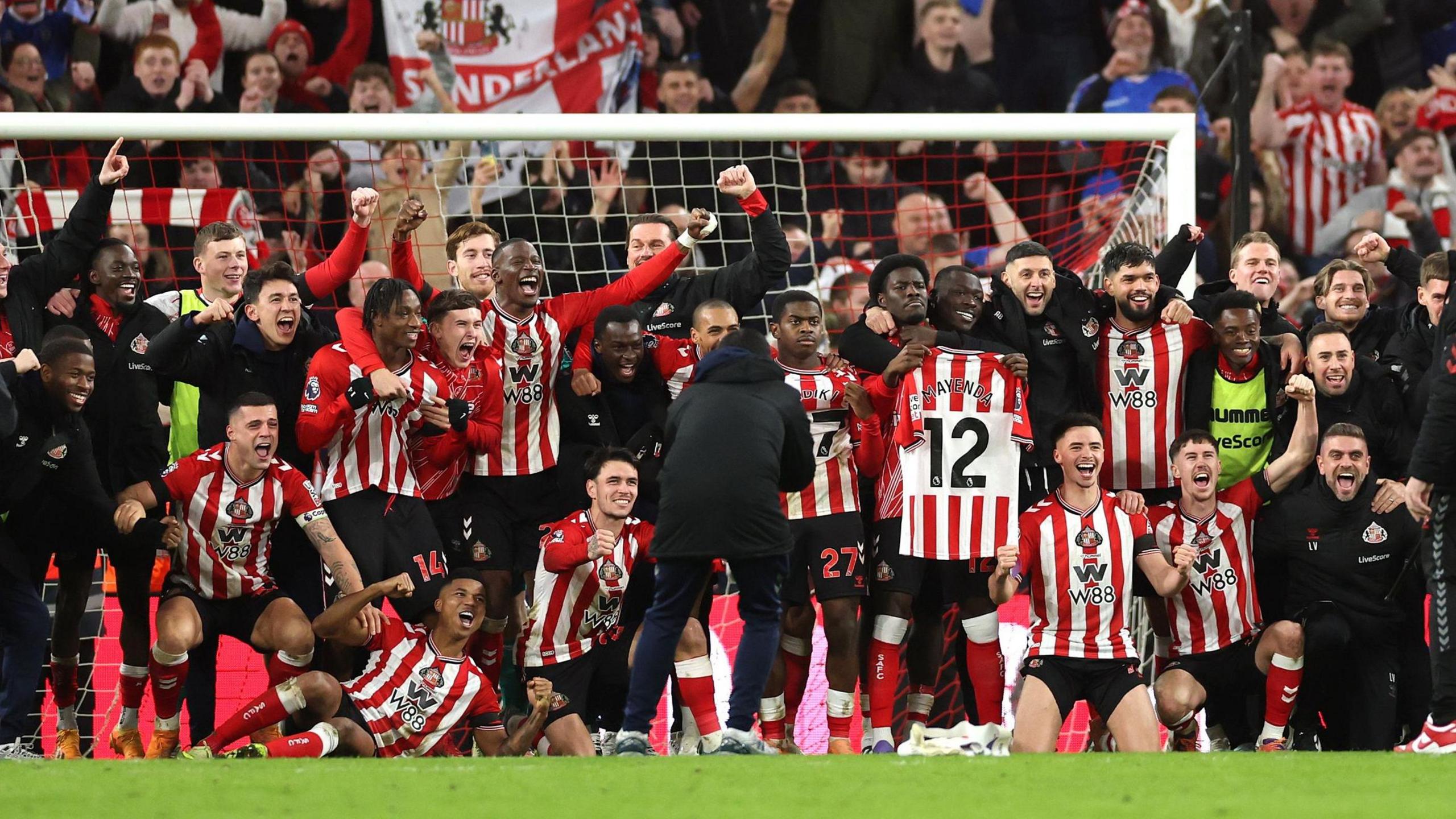
Nick Woltemade's own goal was enough to give Sunderland a memorable win over their rivals in the first Premier League Tyne-Wear derby since 2016 - and the hosts celebrated at full-time by recreating Newcastle's snap shot.
When asked who suggested the idea, Black Cats manager Regis le Bris smiled and simply said: "Always unpredictable, creative, adaptive."
Defender Dan Ballard, who scored an own goal in that 2024 FA Cup tie, was the only Sunderland player to start in both games.
He revealed how he desperately wanted to avenge the loss, telling Sky Sports: "You cannot describe [the feeling]. It was so painful [losing to Newcastle] for the players and for the fans so we felt we had let them down so we're delighted with this win.
"It prepared us more for today. We came in with more quality in this team, real leaders, we stuck in there, fought really hard and I thought we deserved the win."
Image source, Getty Images
Image caption,
Sunderland recreated this picture from Newcastle's 2024 FA Cup victory over the Black Cats
Seventh-placed Sunderland are enjoying a superb return to the top flight following promotion via the play-offs last season.
The Black Cats have 26 points in 16 games, their most at this stage of a Premier League campaign since 2000-01 (also 26), when they went on to finish seventh.
They are yet to lose in the league at the Stadium Light, which had an electric atmosphere for most of Sunday afternoon.
"Derbies, you have to win, it does not matter how," said captain Granit Xhaka to Sky Sports.
"This team deserves much more - and more respect as where we are in the league is amazing and we're working really hard."
Sunderland are also unbeaten in their last 10 league games against Newcastle (seven wins and three draws), their longest such run against the Magpies.
Newcastle's last league win over Sunderland was back in August 2011.
Le Bris told Sky Sports he was "proud and happy" with the result.
"It was a derby and we were expected [to win] by our fans," he added. "This win is well deserved, we were mature and the lads were incredible.
"It's good for the region, the club, the fans. We knew before it was a special game, but we have to reset quickly as we have another tough challenge in Brighton in one week so let's go again."
Image source, Getty Images
Image caption,
The Sunderland scoreboard at Stadium of Light did not display Newcastle's name
Jimmy Lai, the publisher of a popular tabloid, has spent years fighting the landmark national security case brought over his support of the city’s now vanquished pro-democracy movement.
Watch: Eyewitness captures moment man tackles and disarms Bondi shooter
Twelve people have died - including one gunman - following a shooting at Australia's Bondi Beach which targeted the Jewish community on the first day of Hanukkah.
According to police, at least 12 others have been injured and two officers were shot during the event, which has since been declared a terror attack by officials. The surviving gunman is in a critical condition.
More than 1,000 people were attending an event on the beach celebrating Hanukkah.
Chris Minns, the premier of New South Wales, said: "Our heart bleeds for Australia's Jewish community tonight.
"I can only imagine the pain that they're feeling right now to see their loved ones killed as they celebrate this ancient holiday".
Mass shootings in Australia are very rare, and the attack at Bondi is the deadliest incident in Australia since the Port Arthur massacre in 1996.
Bondi Beach is located in eastern Sydney in the state of New South Wales, on Australia's east coast.
It is one of Australia's most popular beaches, attracting millions of visitors each year. The area is a significant attraction for tourists.
What happened?
New South Wales (NSW) police responded to reports of gunfire at around 18:47 local time (07:47 GMT), with video showing hundreds of people fleeing from the coastline.
In their initial statement posted on X, NSW Police urged people at the scene to take shelter and other members of the public to avoid the area.
Around the same time, local media began reporting people "on the ground" in the vicinity of Campbell Parade.
A video verified by the BBC appears to shows two gunmen firing from a small bridge which crosses from the car park on Campbell Parade towards the beach itself.
An event to mark the first day of the Jewish celebration Hanukkah was taking place on Bondi Beach, very close to the bridge where the men were firing from. More than 1,000 were in attendance.
Premier Minns also paid tribute to a man filmed wrestling a gun from one of the attackers.
"That man is a genuine hero, and I've got no doubt there are many, many people alive tonight as a result of his bravery," Minns said at a press conference.
In the video, the man is seen sneaking up on the attacker, before grabbing him in a bear hug.
The now-disarmed man then retreats back towards the bridge, where the other attacker is still firing from.
As the video continues, another man appears to be injured and flees the scene, as a policeman arrives behind the attackers and opens fire at them.
A separate video, also verified, shows several policemen on the same bridge. One appears to be administering CPR to a motionless man as someone shouts "he's dead, he's dead".
How many people were killed and injured?
Getty Images
The attack targeted a Hanukkah celebration on the beach, police say
Apart from police confirming one gunman as dead, details on who has been killed and injured are sparse.
Twelve people including one of the armed men have been confirmed dead by police. Another gunman is said to be in a critical condition.
Officials say 29 other people were taken to hospital, and two officers were also shot during the incident.
One eyewitness, Barry, was attending the Hanukkah event on Bondi when with his children when he heard gunshots.
He told the BBC he saw two men on a bridge shooting towards the crowd.
He said there were bodies on the ground. He and his children were able to escape with a friend in a car, he added.
What is the latest?
Getty Images
Police have urged for calm as they carry out their investigation
Police have declared Saturday's shooting a terror attack.
An exclusion zone has been set up around the scene as police use specialist equipment to check improvised explosive devices (IEDs) found in a car linked to the dead gunman, and police are still urging the public to avoid the area."
"No stone will be left unturned" in the investigation, New South Wales Police Commissioner Mal Lanyon said.
He said police would not release any information about the gunmen at this time, and urged for calm while police carry out their duties, adding that this was "not a time for retribution".
Police said they cannot confirm if there was a third gunman involved or if there was anyone else involved in the attack, but enquires are ongoing.
During a televised address, Australian Prime Minister Anthony Albanese called the Bondi Beach shooting "an act of evil antisemitism, terrorism that has struck the heart of our nation".
"We have seen Australians today run towards dangers in order to help others. These Australians are heroes and their bravery has saved lives", he added.

 Login
Login


.jpg)

.jpg)
.jpg)
.jpg)






.jpg)

