特朗普称对伊朗战争“即将结束”,未给出明确时间表


© Adalberto Roque/Agence France-Presse — Getty Images
Nasa's Artemis II mission thundered away from Florida's coast, taking its four crew members on their historic journey to circle the Moon.
There was a deep rumbling as a sheet of brilliant white flame suddenly erupted, momentarily engulfing the whole launch pad as the mightiest rocket Nasa has ever built rose into the sky.
Nasa's Space Launch System (SLS) majestically crept upwards - slow at first, then gathering pace, riding on two blinding pillars of flame that crackled and roared with increasing volume until the rumbling was almost deafening, a sound we could feel in our bodies as we watched on in amazement, three miles (4.8km) away from the launch pad.
There were small cheers from those in the know as the rocket past the moment of maximum danger - one minute and 10 seconds into the launch. This is where the pressure hits the rocket the hardest, and when engineers know that even a small structural weakness can be disastrous.
There was no weakness, and SLS arced out over the Atlantic like a fiery white angel, leaving a white smoky trail as the sound subsided and the spacecraft disappeared from view, shrinking to a single bright star as it chased the Moon.

Chip Somodevilla/Getty ImagesAfterwards, there was a giddy euphoria among staff at the Kennedy Space Center.
One person told me they felt quite emotional and another said they wanted to cry – no doubt a release of tension built up over the past few months when Artemis II came close to launch, but ended up being scrubbed for various reasons.
Tonight, though, Nasa employees were laughing and clapping - this is the moment that they have spent years working towards. There is still work to do, but for now they are bathing in the moment of triumph.
In the hour before take-off there were issues which threatened the launch.
They concerned the launch abort system, which enables Nasa engineers to eject the astronauts and blow up the rocket if there is a malfunction.
The countdown clock was held at 10 minutes while engineers resolved the problem. They worked quickly, but it was an agonising wait to see if the launch could still go ahead.
Then came the staccato rhythm of the calls by each engineer responsible for the rocket's critical systems: "booster, go", "GNC, go", "range, go" – each reply, a tiny release of tension and a build-up of expectation.
"Artemis II, this is launch director," said Charlie Blackwell-Thompson, the first woman to hold the position at Nasa.
"You are go for launch," she told the crew. "We go for all humanity", Commander Reid Wiseman responded.
Cheesy words in normal circumstances, but that was the moment our spines began to tingle and we knew we were about to witness history.

Gerardo Mora/Getty ImagesThe Kennedy Space Center was built to send astronauts to the Moon, but that hasn't happened since 1972 when Apollo 17 blasted off. Today, the centre was back in business, doing what it was made for.
The press corps headed outside, where clouds that had threatened to cancel the launch had evaporated.
As the countdown clock restarted, the atmosphere turned to electric anticipation.
The four RS 25 engines and twin solid rocket boosters lit up, driving more than 8.8 million pounds of thrust into the Florida evening sky.
"God Speed Artemis II" Blackwell-Thompson said in another echo from the past. The same words were used in a launch from here in 1962 to send John Glenn, the first American to orbit the Earth, on his way.

NASAI have been lucky enough to see launches of the Space Shuttle to the International Space Station from the Kennedy Space Center. Those launches are almost as impressive in flight, surging into space with an enormous bang and rising at the speed of a bullet.
But the SLS launch was not only more beautiful, it meant much more: a moment full of emotion for all those who saw it, perhaps because it reminded us of what humanity can do when it comes together, or perhaps because we may be entering a new era of space travel.
In the 1990s, I had the opportunity to speak to Neil Armstrong, who, in 1969, became the first person to ever walk on the moon.
Our discussion came at a time when the dream of human space travel seemed to be over. I asked him whatever happened to that dream? He smiled and said "the reality may have faded but the dream is still there and it will come back in time".
Today was the day the dream returned.
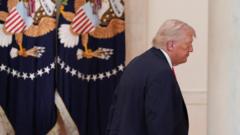
President Donald Trump has told the nation in a televised speech that the US military has nearly completed its goals in the Iran war.
He vowed to strike Iran "extremely hard" over the next two to three weeks and finish the job "very fast", without setting any timeline for ending the conflict.
In his primetime address, Trump called for countries that receive oil through the Strait of Hormuz to show "courage" and seize the key waterway, which has been effectively closed by Iranian attacks since the conflict began.
The president is grappling with rocketing gas prices and sliding personal popularity ratings as the war continues into its fifth week and US midterm elections loom in November.
Wednesday night's speech did little immediately to reassure global oil markets that disruption to the Strait of Hormuz shipping route will ease anytime soon.
The price of benchmark Brent crude was trading at about $100 a barrel before the president started speaking. Afterwards it rose to $105.
In the 20-minute speech from the White House, Trump said the US was "nearing completion" of its "core strategic objectives" in the conflict, and had "decimated" Iran's navy drone and ballistic missile forces.
"Very shortly, we are going to hit them extremely hard over the next two to three weeks," Trump said.
However, he provided little insight into the state of what he described as "ongoing" discussions with Iran's leadership, leaving open the possibility of hitting Iranian energy infrastructure if negotiations prove fruitless.
"If there is no deal, we are going to hit each and every one of their electric generating plants very hard, and probably simultaneously," the US president said.
"We have not hit their oil, even though that's the easiest target of all, because it would not give them even a small chance of survival or rebuilding."
Earlier in the day, Trump posted on his Truth Social platform that Iran had asked for a ceasefire - a claim that Iran's foreign ministry quickly described as "false and baseless".
In his speech on Wednesday night, as he has done several times in recent days, Trump called on US allies to do more to secure shipping lanes through the Strait of Hormuz.
He urged them to "build up some delayed courage".
"Go to the Strait and just take it," he added.
Trump made no specific mention of the future of the Nato alliance, after earlier telling the British newspaper the Telegraph that he'd reconsider the US role in what he described as a "paper tiger".
His address to the nation came shortly after it emerged that Nato Secretary General Mark Rutte, who is known as "the Trump whisperer" because of his influence with the president, is planning to visit the White House next week.
The president's political opponents were quick to criticise his speech. New York Democrat and Senate Minority Leader Chuck Schumer described the address as "rambling, disjointed and pathetic".
"Donald Trump's actions in Iran will be considered one of the greatest policy blunders in the history of our country, failing to articulate objectives, alienating allies, and ignoring the kitchen table problems Americans are facing," Schumer wrote on X. "He is completely unfit to be Commander-in-Chief and the whole world knows it."
According to an update by US Central Command on Wednesday, American forces have struck more than 12,300 targets across Iran since Operation Epic Fury began, including Iranian naval vessels and facilities, missile launchers and defence manufacturing plants.
But despite his claims of victory, Iranian attacks across the region continued on Wednesday, with authorities in both the United Arab Emirates and Qatar responding to missile and drone strikes.
In separate incidents, British troops said they brought down 10 Iranian drones in countries including Jordan, Bahrain and Cyprus.
A Reuters/Ipsos poll last week suggested that two-thirds of Americans believe the US should end the war quickly, even if it means not achieving Trump's goals. In the survey, 60% of respondents disapproved of the military strikes on Iran, while 35% approved.

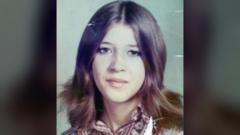
Police handoutOfficials in Utah have formally closed a 51-year-old cold case after using new DNA technology to identify a murdered teenager as a victim of serial killer Ted Bundy.
Laura Ann Aime, 17, disappeared after leaving a party on Halloween in 1974. Her body was discovered about one month later by hikers in the American Fork Canyon.
On Wednesday, the Utah County Sheriff's Office announced that new testing "confirmed irrefutably that DNA evidence recovered from Laura's body verified the existence of DNA belonging to Bundy".
Between February 1974 and February 1978 Bundy murdered at least 30 women. He has also been linked to many more killings throughout the country.
Before he was executed in Florida in 1989, Bundy confessed to Laura's killing, but since he would not elaborate or give any detail to his actual involvement in her death, "the Sheriff's Department elected to keep this case open until investigators could prove, without a shadow of doubt", that he was her killer, the sheriff said in a statement.
"This case is now officially closed," Utah County Sheriff Mike Smith declared during a news conference, according to The Salt Lake Tribune.
The sheriff added that if Bundy were still alive, prosecutors would pursue the death penalty against him.
Bundy is among America's most infamous serial killers, and began his spree by attacking victims throughout the Pacific Northwest of the US. He later killed victims in Colorado, Utah and Florida.
At the time of Laura's death, he was living in Salt Lake City and studying law at the University of Utah.
The sheriff's statement said Laura is remembered as an "outgoing free spirit who enjoyed outdoor activities and shared a passion for riding horses, hunting, and caring for her several siblings".

Getty ImagesBundy was known to often approach women in public places, gain their trust with his charm or a fake injury, and then lure them to secluded areas and kill them.
He was first arrested in 1975 for kidnapping a woman and sentenced to 15 years in jail.
But in 1977 he escaped by jumping out of a prison library window.
He was recaptured for eight days and then escaped again, continuing to kill until he was finally caught in 1978.
The Supreme Court appeared sceptical of President Donald Trump's executive order limiting birthright citizenship, a sign the high court could strike down a key element of his immigration agenda.
A majority of the court's justices on Wednesday seemed unconvinced that the US should stop granting citizenship to children of undocumented immigrants and some temporary US visitors.
The administration has argued that its effort to limit birthright citizenship is necessary to help rein in illegal immigration. Opponents argue it would upend more than a century of precedent and unravel a cornerstone of US immigration law enshrined by the 14th Amendment.
Trump attended the oral arguments in person on Wednesday, a rare move by a sitting president that underscored the high stakes of the case.
A defeat for Trump would mark a second straight setback at the high court, following the decision last month that invalidated the president's global tariffs. A win would help Trump deliver on his pledge to reshape America's immigration policies.
During more than two hours of arguments, U.S. Solicitor General John Sauer sought to convince the justices that the 14th Amendment - which establishes the concept of birthright citizenship and was extended formerly to enslaved people - and subsequent court rulings and laws passed by Congress all mistakenly expanded birthright citizenship.
Chief Justice John Roberts, a key swing vote on the court, questioned Trump's authority to exclude the children of undocumented immigrants from receiving US citizenship.
"I'm not quite sure how you can get to that big group," Roberts said.
The oral arguments turned on a key clause in the 14th Amendment, which grants citizenship to all people born or naturalized in the US who are "subject to the jurisdiction thereof."
Bauer argued that the clause should only apply to the children of foreign diplomats and a few other limited groups. Parents who are in the country illegally when their children are born have "allegiance" to their home countries and therefore don't fall under the jurisdiction of US law, he said.
"Jurisdiction means allegiance," Sauer said. Citing a previous court opinion, he later argued that "permanent residence and domicile decides [citizenship]. That's what the court should be bound by."
But several justices said that interpretation would fundamentally reshape how Americans and people living around the world understand the US birthright citizenship process.
Justice Elena Kagan said the administration was seeking to undo a legal tradition of birthright citizenship that dates back to English common law. "What the 14th Amendment did was accept that tradition and not attempt to put any limitations on it. That was the clear rationale," Kagan said.

REUTERS/Kylie Cooper TPX IMAGES OF THE DAYSeveral justices also pointed to the 1898 Supreme Court ruling, United States v. Wong Kim Ark, the landmark decision that upheld birthright citizenship in the case of a child born to Chinese immigrants living in the US.
Cecillia Wang, an ACLU attorney representing the plaintiffs in court on Wednesday, used the decision to argue that Trump's executive order should be overturned.
"If we agree with you how to read Wong Kim Ark, then you win," Justice Brett Kavanaugh said. "That could be just a short opinion."
Whether the court ultimately issues a broad or narrow opinion remains to be seen. The difference between a sweeping ruling on constitutional grounds versus a more tailored opinion on statutory grounds is a critical one, legal experts said.
The justices could choose to focus on a 1952 law passed by Congress that codified birthright citizenship and not wade into the larger constitutional debate, said Stephen Yale-Loehr, an immigration law expert.
"The court does not like to rule on constitutional issues if it doesn't have to," Yale-Loehr said. "The court could argue that the Trump executive order is invalid on statutory grounds."
The court is expected to issue its decision in June. It would be the first major immigration case decided by the court on its merits since Trump started his second term. The court has taken up other immigration cases, but has so far sent them back to lower courts for further review.
Trump's push to end birthright citizenship is one part of his larger immigration crackdown. But it's nevertheless a longtime goal of many on the right, and something Trump has supported since his first term in office. A victory in this case would help Trump make the case that he is delivering on his campaign pledge to limit illegal immigration.
A loss would be a setback to Trump's immigration agenda. But it would also represent a larger blow to his efforts to aggressively expand executive power since returning to office. The ruling in February overturning Trump's sweeping global tariffs showed the justices are not willing to give Trump a blank check to bypass Congress and the courts.
Trump signaled his interest in the case by attending the oral arguments on Wednesday. Critics said his appearance was an improper effort to influence the court ahead of a decision that will have major repercussions for his domestic policy agenda.
"We are the only Country in the World STUPID enough to allow 'Birthright' Citizenship!" Trump said incorrectly on social media after leaving the court.

© Kenny Holston/The New York Times
![]()
1975 年的冬天,柯达应用电子研究中心的工程师 Steven Sasson,在实验室里拼凑出了一台古怪机器。
它重达 8 磅、仅 1 万像素,按下快门后,需听着沉闷的机器运转声等待漫长的 23 秒,才能将一张黑白照片写入到飞利浦卡式磁带里。
面对极低的像素和数据存储速度,Steven Sasson 认为这玩意还需要 15 到 20 年才能真正和胶卷竞争。
![]()
之后二十年,影像行业沧海桑田。影像载体加速数字化,并在二十一世纪的头一个十年,终于如 Steven Sasson 所愿,终结了胶卷时代。但那时,相机依旧属于「家庭重资产」,人类还没法随心所欲地拍照,更遑论视频创作。
直到移动影像时代来临。
刚刚发布的 vivo X300 Ultra,搭载第五代骁龙 8 至尊版,抛出了一个令人侧目的规格:全焦段 4K 120 帧 10-bit Log 视频。
此时回头看去,才发现人类用五十年的时间,建造了一条数字大运河,并让每个人都能行船其上。
这条运河里奔涌的河水,本质上就是海量的「密集影像信号」。
这个听起来颇为学术、有些距离的词,实际与每个举起手机按快门的人息息相关——
回想一下早年的智能手机,你一定对这样的画面不陌生:高光死白、暗部死黑、色彩断层、帧数不高,还伴随着挥之不去的噪点。
![]()
▲ iPhone 4s 拍摄的夜景画面,图片来自@PhoneArena
视觉上的灾难,本质上都是因为底层图像信号处理器(也就是我们更熟悉的 ISP)「咽不下」庞大的信号。
那时的手机只有 8-bit 的量化精度。一旦环境光比超过传感器的承载极限,高光区域的电平就会发生不可逆溢出,变成一片死白;而信号的暗部,则会被 ISP 粗暴地抹平成一团带有噪点的死黑。并且物理级的信息丢失,任何后期软件都无力回天。
这个痛点,比我们想象中更持久。
厂商曾试图用增大传感器面积换取更大的动态范围解决这个问题。但时至今日,在极度受限的机身内部,单纯堆叠物理尺寸的路径已逼近极限,后端 ISP 变得愈发重要。
![]()
▲ 手机内部空间已经被影像模组与电池瓜分,图片来自@Notebookcheck
过去很长一段时间,受限于物理规格,手机的算力中枢停留在 14-bit 双 ISP 阶段,随着传感器捕捉的信息愈发庞大,ISP 的数据管道必须随之拓宽。
从 2020 年骁龙 888 引入 14-bit 三 ISP 以应对并发数据,到后来 Spectra ISP 迭代至 18-bit,移动平台将影像数据的处理带宽扩容了 4096 倍。如今,为了承载更密集的影像信号,vivo X300 Ultra 搭载的第五代骁龙 8 至尊版 Qualcomm Spectra ISP 顺理成章地迈入了 20-bit AI 三 ISP 时代。
![]()
别小看这区区 2-bit。在数字底层,这个单位的任何变化都呈指数级海啸:单通道色彩的量化层级从 26 万平稳过渡到了 104 万级,为底层数据提供了 4 倍的动态范围余量。
依托这层宽裕的物理基底,vivo 与高通在底层影像管线上,完成了深度的联合调优。
结果也很生猛:X300 Ultra 实现了全焦段 14EV 的动态范围覆盖。
这股庞大的数据余量,被悉数灌注进了两个极其考验底层的专业规格中——Log 格式,与杜比视界。
在 Log 模式下,20-bit AI 三 ISP 负责将传感器捕捉到的线性信号,实时映射为对数曲线。由于底层采样精度的提升,手机保留了更丰富的原始信息,从而在后期调色时能有效抑制色阶断层,扩展了后期处理的边界;而在杜比视界标准下,算力则体现为对动态元数据(Dynamic Metadata)的封装精度。它能够更准确地对准每一帧的亮度与对比度信息,使高光与暗部的 HDR 层次得到如实呈现。
![]()
落实到实际体验上,效果也很明显——我们带着 X300 Ultra 去拍摄了一场「热带极光」,凭借 Log 格式极其优秀的动态范围与宽容度,我们在夜半时分记录到离岛的渔船照亮了天际。
经过后期还原后,渐变的天空过渡自然柔和,没有出现色彩断层,噪点抑制表现堪称优秀。
![]()
至此,原本属于影视工业的宽容度规格被集成进移动芯片,在底层凿出一条数字运河的航道。普通人也就能随时随地、以手机拍摄出更高规格且具备后期空间的视频,进而有了更多的创作可能。
解决了单颗镜头的明暗宽容度,只是完成了静态画面的重构。
但视频的核心在于叙事的连贯性,这就引出了移动影像长久以来的另一个痛点:变焦卡顿。
在拍摄视频时,我们常需要推拉镜头来切换视角。但滑动变焦环时,画面往往会伴随一阵不易察觉的跳动,色彩和白平衡也会发生突兀的偏转。
影像的叙事感,就这样被硬件的迟钝瞬间撕裂。
症结在于手机内部的镜头各自为战。它们素质各异且受控于独立时钟,传统 ISP 的「冷启动」策略只能在变焦瞬间仓促切换。时间戳一旦错位,画面的跳帧与色彩断层便注定发生。
![]()
▲ 传统专业摄影中,时间戳的对齐需要参照全球时间
要在移动设备上实现顺滑的变焦推拉,就必须在底层强行打通这些相互独立的硬件。
在 vivo X300 Ultra 实现全焦段高规格视频录制的背后,第五代骁龙 8 至尊版用两套相互咬合的底层机制将硬件扣合起来——
20-bit AI 三 ISP 撑起庞大数据吞吐,让三颗镜头得以在后台保持热并发状态。即使当前只用主摄录制,超广角和长焦的 ISP 通道也已经在后台同步运行着 3A(自动对焦、自动曝光、自动白平衡)算法,为随时上场热好身。
![]()
与此同时,第五代骁龙 8 至尊版的高通多摄同步系统(MSCC),扎进最底层的硬件总线,给这些原本各自为战的镜头,强制下发了一个统一的「全局时钟」。
广角、超广角、长焦。
无论它们的物理位置有多远,传感器素质有多大差异,底层的死命令只有一个:
在同一个微秒,同时曝光;在同一个瞬间,读取数据。
时间轴,被彻底锁死。
![]()
两套机制并发运行,以此换取 vivo X300 Ultra 跨镜头推拉时,不同传感器之间的数据交接平稳过渡,从而缓解了跳帧与白平衡漂移的痼疾。
专业影像领域如河流般暗流涌动,如果没有坚固巨舰为依托、严密的团队做协同,不得逐浪其中。
如今,底层芯片的算力在小小的机身内部,用数字逻辑管控物理秩序,让没有资金与团队的创作者,也能泛舟而行。
在影像领域,长期存在着一个反直觉的「算力悖论」:
在普遍认知中,相机处理器并非性能怪兽,却能吞吐洪流般的超高规格视频数据;我们手中搭载着强悍 SoC、能够高帧渲染游戏大作的智能手机,但在持续的极致影像记录时捉襟见肘。
究其根本,相机的处理器(ASIC)生来只为影像服务;而手机作为复杂的数字枢纽,真正留给影像的算力其实并不富裕。
算力的拮据,逼迫过去的手机不得不向存储空间妥协——普遍采用 H.264 或 H.265 等帧间压缩(Long GOP)格式,只记录关键帧和差异信息。这种做法极大地压缩了体积,却也彻底破坏了画面的物理空间信息。
![]()
▲ H.264 编解码原理,图片来自@ResearchGate
没有后期的底气,所有的前期快门都不过是碰运气。
一旦将这种素材导入剪辑软件进行二级调色,哪怕只是轻微拉扯一下阴影或高光曲线,画面立刻会暴露出大面积的马赛克色块与严重的色彩断层。
后期的调色空间被死死锁住,创意的落地、创作的可行,都无从谈起。
随着 vivo X300 Ultra 上市,长期以来的固有认知正在失效,4K 120fps Log 这类专业格式,来到手掌的方寸之间。
除了 20-bit AI 三 ISP 的持续发力,让有着高后期空间、创意可能的格式来到我们手上,此外,编解码器也功不可没——在 vivo X300 Ultra 上,vivo 与高通互相协作,成为国内首个落地 APV 422 编码的智能手机。
APV 采用的是专为非线性编辑(NLE)打造的「帧内压缩」,将每一帧画面的色彩深度与亮度信息独立、完整地封存起来。将 APV 422 格式的素材在达芬奇中调色,画面会展现出相当强的韧性,在应对节点式操作或复杂的 LUT 映射时,也能有效支撑起暗部细节与高光过渡,大幅减少了以往手机视频一拉曲线就出现马赛克与色阶断层的尴尬。
![]()
更友好的是,在提供与影视标杆 ProRes 几乎同等极致画质的前提下,APV 的底层编码机制让文件体积进一步降低了约 10%。
在内存价格飞涨的大环境下,编码效率提升有助于创作者开源节流,能省下不少钱。
性能与编解码器技术的双向奔赴,为这条大运河打造了高规格的「数字集装箱」,将信号完整且顺畅地运送到后期工作流,手机得以拥有与专业数字电影机全链路闭环无二的创作潜力。
2014 年,vivo 推出 Xshot 拍照旗舰,与 X 超薄、Xplay 大屏两台机型一起组成三位一体产品线。
这台手机搭载 1300 万像素的索尼第二代堆栈式传感器、F1.8 的大光圈、光学防抖和双色温补光灯。而另一个没那么引人注目的配置,是 Xshot 配备的骁龙 801 处理器引入了双 ISP 架构,用以解决快门迟滞问题,并为高频作用的 OIS 光学防抖计算补偿角度,提供算力支持。
![]()
▲ vivo Xshot,图片来自@vivo
用底层算力辅助物理防抖的工程雏形,在今天演变为第五代骁龙 8 至尊版上 OIS 与 EIS 极高频数据握手的全焦段防抖链路。
非常巧妙的呼应。
此后十余年,手机影像能力一路狂奔,所产生的数据从溪流汇聚成洪流。 承载汹涌信息的河道,也持续扩容。
回溯至 X100 Ultra,行业首次将 2 亿像素长焦塞入受限的机身时,瞬间快门带来庞大数据拥堵。高通引入认知 ISP(Cognitive ISP),在底层提供了硬件级的实时语义分割与算力冗余,让高像素的数据吞吐不再伴随漫长的处理黑屏,干净利落。
![]()
到了确立专业影像基调的 X200 Ultra,战线被推进至更为严苛的暗光 4K 视频。面对极低信噪比的环境,依托骁龙底层的异构计算平台,影像架构完成了从传统 ISP 向 NPU(神经网络处理器)的深度交接。通过将 AI 算力前置到 RAW 域进行帧级降噪,手机终于跨越了小尺寸传感器在夜景视频中的进光量枷锁,实现了干净、可用的动态记录。
每一次前端模组与传感器的激进探索,都在对底层的吞吐能力发出严苛拷问。
如今,在 X300 Ultra 上,这场向底层索要宽容度的漫长工程,终于触碰到了工业级影像标准的边界。
![]()
回头,移动影像从「拍到」到「拍好」的河道蜿蜒漫长;前眺,从「记录」迈向「创作」的汪洋近在眼前。
数据洪流激荡交汇,骁龙筑起的河床向宽而行。
移动影像,终于在此刻抵达入海口。
#欢迎关注爱范儿官方微信公众号:爱范儿(微信号:ifanr),更多精彩内容第一时间为您奉上。

![]()
正月初一的西安,大街上一对情侣送给流浪汉一枚口罩。张宏伟摄(本届获奖新闻作品)
第二届“记者的家”新闻奖获奖名单于今天公布。
主办方的公告说,今年是疫情深重的一年,许多优秀的作品与此有关。即便它们因为管制原因消失了,仍应褒奖作者付出的努力。
公告并称,自媒体对社会的影响越来越大,即便是机构媒体记者,亦常常通过自媒体发声,影响改变事件走向。
社会重大事件报道奖
《武汉病毒纪事——2020 年的第一场疫情》/作者郑宇钧,丁香园·丁香医生主笔,原《中国青年报》、《南方周末》记者。
获奖理由:作者1月3日即赶到武汉现场进行深入采访报道。该文在微信公众号上阅读量近200万(1月17日首发链接当天被禁止转载禁止分享禁止收藏),在看8559。腾讯新闻客户端阅读量 517万。报道被彭博商业周刊三声公众号的《抗疫时期的中国舆论场》一文三次提及,称其为疫情的开篇之作;被香港中文大学新闻传播学院视为“疫情的第一篇深度报道”。
此外,郑宇钧还有《误诊、没有床位、一家五口被感染 | 湖北女医生罗轩的生前身后》《天门疫情背后的生死疲劳》《回不去的家 | 困在中东土豪城的中国人》《她们为武汉拼过命,如今只想要家乡认可》《父亲被隔离 6 天后,疫情阴影下的残障少年之死》《疫起高墙| 3省5监狱确诊555例背后的人情冷暖》《后解封时代的武汉:家人逝去之后 生活还得继续》等多篇反映疫情的优秀作品。
入围奖
《为减刑家属耗资超200万元 杀人犯郭文思无期徒刑的10次减刑背后》/作者李微敖,经济观察报首席记者。
获奖理由:3月29日,作者在自媒体上披露了因故意杀人被判无期徒刑的郭文思,离奇获得9次减刑,出狱几个月又打死无辜老人的恶性事件(《出狱7个多月又杀人 北京杀人犯郭文思的9次减刑》),引发中央政法委、北京市委及市纪委的关注,成立专案组,调查该案。事后,北京市有32人被党纪政纪处理,并有包括北京市高院政治部副主任、新闻发言人郭京霞等11人,被移交司法。9月,在半年多的追踪采访积累后,作者发表独家深度报道《为减刑家属耗资超200万元 杀人犯郭文思无期徒刑的10次减刑背后》,揭秘这一性质恶劣程度超过了云南“孙小果案”的京城大案的前因后果。
李微敖也是最早到达李文亮医生去世时的病房前的记者,最早披露了李医生不幸去世的消息。
“扫黑除恶”案系列观察(四个题材)/作者邓全伦,上海广播电视台融媒体中心调查记者。
其作品包括:
山东青岛宫殿基涉恶案:《青岛枪击案起底:受害者枪伤被疑造假》,2019年11月11日发布于看看新闻knews;
重庆大足尹光德涉黑案:《黑老大当庭指认主诉检察官为保护伞》《黑老大指认主诉检察官为保护伞 扫黑办介入调查》《继“黑老大”指认检察官后 其妻子再爆双方恩怨》《重庆尹光德涉黑案开庭:曾指认检察官系保护伞》,分别于2019年11月18日、11月19日、11月21日和2020年8月11日,发布于看看新闻Knews;
河南桑中生涉黑案:《被指胁迫涉黑人员认罪 当事法官称录音不实》《被指胁迫涉黑人员亲属配合认罪 法官被停职调查》,分别于2020年6月9日、6月10日,发布于看看新闻Knews;
重庆巫山李冰涉黑案:《涉黑案被告人称遭舔尿逼供 重庆官方介入调查》,于2020年9月16日发布于看看新闻Knews。
获奖理由:其不多见的对全国涉黑案中一些有悖法治思维和法治方式的事件的深入观察。报道引发全国扫黑办和当地官方关注。
《香港码头空了:鸦片养大的世界第一港,一艘船都没了》/作者梁红玉,供职金角财经。2020年6月29日发表于金角财经公众号及各平台。
获奖理由:文章通过纵向时间线和横向历史事件交错,可以窥见香港码头、贸易行业、经济、社会以及香港文化的来龙去脉。也可以借此理解香港当下各种纷繁复杂的乱象和面临的问题,理解香港的前途命运。
非虚构作品奖
《信疑两茫茫:重访“李星星”案援助者》/作者:费顿,独立撰稿人。作品2020年9月21日发表于“全现在·水瓶纪元”。
获奖理由:作品深入探寻了“养女”与海归高管、知名律师鲍毓明“性侵”举报的幕后真相。作者致力于讲述性别权益和中国人权捍卫者的故事,且颇有建树,本年度作品还包括《刘伟伟:我想看看谁让我不自由》《他们为被删的文档存档,却可能因此面临刑罚》等。
入围奖《倒在出租屋里的外卖员》/作者祖一飞,时任《新京报》记者。2019年12月12日发表在《新京报》深度部“剥洋葱”。
获奖理由:一个49岁的外卖员猝死在了南京的出租屋里。时代高速发展的浪潮下,每一个社会角色都被裹挟着高速运转,无论是困在外卖系统里、压倒在生活的重担下,还是忍痛割舍中年爱情,这些都是主人公身上的横切面,构成了他作为“人”本身的色彩。即便是社会底层,这样的色彩也不该隐匿于社会、不被人看见。作者走进主人公租住的房屋,联系上了他的身边人,尽力刻画出人物的生前形象,也通过采访附近的外卖员群体,呈现出外卖配送员的生存困境。文章用冷静细腻的笔触去展开讲述了一个小人物离去的故事,引人深思。
《他用腐尸身上的钥匙,打开了自己家的大门》/作者巫英蛟,独立写作者,原重庆出版集团编辑。2020年8月26日发布在“巴蜀独立评论”微信公众号及网易号。
获奖理由:这篇独立调查新闻严谨、客观地复盘了一起被政府“雪藏”了三十年的广西宁明李尚昆等特大杀人案(26人遇害)。作者在中越边境的当地,前后花3天时间,耐心沟通,终于采访到了李尚昆的儿子李平等核心信源。作者还从当年参与办案的警察等获得了独家内情,回击了种种网络传闻。30年前的杀人案早已结案,但它到底带来了什么,又带走了什么?
疫情期间的西安春节市民生活(17组照片)/作者张宏伟,摄影师,曾担任《华商报》首席记者、摄影部主任、图片总监,搜狐网图片总监。作品发表在今日头条号“西安纪事”。
获奖理由:疫情期间,中国人的生活“闭门不出”成为主要方式。古城西安从大年初一开始,也进入到一个非常时期。作者却每天都带着相机,外出去记录下这个特殊的春节时期。疫情防控日益严格后,作者仍然隔一天出一次门,尽可能地去记录下古城西安市民在这个不同春节的点点滴滴,留下了珍贵的历史记忆。
“杰出媒体人奖”
王文志,新华社《经济参考报》编委、调查报道室主任。
王文志致力于调查性报道17年,坚守公平正义的新闻理想,发表了上百篇舆论监督报道,所采写的调查报道作品向以尖锐、深刻、硬气著称。其中20多篇被评为“新华社社级优秀新闻作品”,是新华社以监督报道类型获得这个奖项最多的记者之一。近日,入选央视“2020年度法治人物”。
2013年,王文志揭露了国内规模最大、历史最悠久的国有企业-华润集团一起百亿元并购案的黑幕,直接导致该公司副部级高管宋林被判有罪,另有三名副部级高官受到调查和控告。2015年,挖出了作为“国家彩票”的中国福利彩票涉嫌巨额利益输送的内幕,导致三名副部长级政府官员被撤职、降级或判刑,国家有关部门出台了规范彩票管理的法规。
王文志的最新作品是《青海“隐形首富”:祁连山非法采煤获利百亿至今未停》。报道引发了青海省副省长文国栋主动投案,另已有16名县处级以上官员相继落马。这篇报道发挥了舆论监督的威力,为痼疾重重、久攻难下的祁连山生态破坏乱象的治理,做了直接和有益的推动。
入围奖
曹映兰,供职于梨视频。
曹映兰2003年5月进入江西商报任时政部记者,同年10月进入江西电视台,在江西公共频道新闻部及专题部任记者,在此期间一直致力于公益及公义,做了大量相关报道,尤其是调查及揭露性报道。她2017年进入上海新梨视网络科技有限公司(梨视频),先后从事调查报道、专题拍摄及热点新闻事件及人物的聚焦。
疫情期间,她完成了对新冠肺炎死者的病理解剖推动和“口述武汉”“寻找疫情吹哨人”两个系列作品。更为重要的是,她积极推动了“中国服刑时间最长冤狱者”张玉环案的平反。
她在2016年12月第一次知道了张玉环杀人冤案的情况后,即去到张玉环的家江西南昌进贤县张家村调查,发现此案证据存在很多疑点,决定助其申诉。她将此案问题很大以及家属无钱申诉的情况告诉了律师王飞及尚满庆,并安排张玉环的哥哥张民强与他们见面。王飞和尚满庆决定接下此案,并免费代理。
此后,曹映兰又协助律师与家属进行沟通,帮助家属完成各种申诉材料的邮寄,为其他媒体报道提供各种便利及素材共享。在律师和家属的不懈努力下,张玉环终于在被关押近27年后获无罪释放。
罗敏,红星新闻首席记者。
罗敏除了保质保量完成所在机构的新闻选题以外,通过个人微信公众号“羅胖眞談社”笔耕不辍,积极关注中国的法治进程、经济社会各领域发展、普通中国人的个人命运等进行评论,鞭挞社会阴暗面,以几乎每天一篇的速度,一年里先后撰写新闻评论文章350余篇,阅读总量超500万人次。
其评论代表作包括《殴打记者、栽赃家属、刷机删信息……河南原阳县“教科书式”骚操作打了谁的脸?!》《蔡莉退休,平安着陆!》《震惊:赵盛烨要毁灭地球,居然有2.7万人点赞!》、民营企业家孙大午事件系列评论等。
温航,供职于海峡导报社。
温航2010年入行,先后供职于中国知识产权报社和海峡导报社,对社会生活有着深刻的思考。其疫情时期的新闻业观察《许知远与龚晓跃17年后的喟叹,是中国新闻业的积重难返》,评论辛辣,切中时弊。2月1日首发于自媒体“时务观察”,已被删。
最佳评论奖
《在國家哀悼日,我拒絕加入被安排的合唱》/作者江雪,独立媒体人。发表于2020年4月5日的端传媒。作品以清明节国家哀悼日为切入口,回顾了新冠疫情、汶川大地震等“国难”的真相与纪念。
入围奖
“疫情评论”一组/作者王石川,供职于央视。过去一年,在央视新闻客户端和人民日报客户端等平台,以笔名秦川,撰写数百篇时评。紧盯热点,言之有度,其中大量疫情期间的时评,较有影响。
1、卫健局局长被停职,庸政懒政与防疫不兼容(2020.1.26央视新闻客户端)
2、都什么时候了,还在搞填报抗疫!(2020.2.4人民日报客户端)
3、全面调查李文亮事件,让正义抵达人心(2020.2.7人民日报客户端)
4、疫情防控,严禁过度执法、粗暴执法(2020.2.19央视新闻客户端)
5、人命关天的疫情数据必须实事求是(2020.2.22人民日报客户端)
6、“假的,假的”,从群众喊话中听出门道(2020.3.6央视新闻客户端)
7、“假的,”真不了!(2020.3.6人民日报客户端)
8、说他们“千里投毒第一名”,很不合适(2020.3.18人民日报客户端)
9、扣工资促消费 这招有点偏(2020.4.10央视新闻客户端)
《汉口殡仪馆排了长长的队伍,没有哀乐,却有删帖》/作者谭敏涛,独立评论作者。此文2020年3月发表在“律界之音”公众号,阅读量突破80万时,公众号被封。
这场从武汉爆发的疫情,到底有多少家庭失去了至亲,至今也没见全部的名单公布,或许永远都是敏感话题。如同殡仪馆门前领取骨灰盒一样,多少人离开,多少人没在统计数字里,在疫情面前,死亡需要讲政治。作者叹息政治大于死亡,“没有哀乐,却有删帖”,其文章也没有摆脱被删除的命运。
《证据与证件——详解“原阳记者事件通报”》/作者卢义杰,北京市炜衡律师事务所律师,原《中国青年报》记者。作品发布于微信公众号“大案CASE”。
评论主题为侵害记者采访权利的公共事件-河南原阳记者事件。该事件一是波及媒体多,红星新闻、上游新闻、新京报记者均不同程度地受到侵害;二是情况典型,有关部门避重就轻、被侵权方取证难等常见状况同时出现;三是背后蕴含主题丰富,包括采访是否须经相关方面同意、采访人身安全防范等新闻伦理及实操问题,也包括未持证记者采访权、涉嫌违规采访的通报批评权等法律问题;四是原阳事后继续出台备受诟病的记者采访新规,后续影响较大。
作为有记者从业经历的律师,本文作者从证据、证件两个层面剖析了此次事件的事实及法律问题。文章从通报认定的事实出发,综合多份证据,发掘通报的矛盾及不合逻辑之处,综合新闻实务操作,对部分网友的常见误解予以澄清;再以现行新闻行政管理有关规定为基础,解读相关法条,并结合新闻业发展来分析立法滞后的现状。全文6000字,内容详实,理性客观,跳出了评论写作的传统框架,体现了法律从业者的专业价值。
(据记者的家/作者:刘虎/2020-12-05)

© Chris Jung/NurPhoto, via Associated Press

© Buster Dean/Houston Chronicle, via Associated Press


BBCMarie McLaren is a latecomer to the stage - but she's in good company at her comedy class in Glasgow.
The 88-year-old has been learning the ropes of stand-up comedy from professional comedian Viv Gee over the last four weeks.
She is part of a group of over-50s who took part in the sessions, which will end with them taking the stage for live shows at The Social Hub Glasgow.
"The danger of doing comedy as an older person is that people might think you have lost it," Marie says.
"But in my opinion age is only a number."
Marie, from East Kilbride, was nominated for the class by her daughter.
"I've always liked jokes and laughs and make a joke out of anything," she says.
"Nobody's interested in moaners, so it's quite nice to just make people laugh and enjoy life."
Retired journalism lecturer Ronnie Bergman says the class is an opportunity to try something new.
"You kind of disappear when you get older. You get on the bus and people ignore you," says the 74-year-old.
"I was getting too comfortable and in too much of a rut, but this is out of my comfort zone.
"I hate getting my photo taken and I'm disappointed by the sound of my own voice so this is uncomfortable - but I enjoy it."


Ronnie says the benefit of being an older comedian is that he has heard a lot more jokes.
As the class wraps up, he says he will be drawing on Billy Connolly as his comedy hero.
"He's an older comedian and he's still funny," Ronnie says.
Seventy-year-old Christine MacCormack believes her age helps to give her a difference perspective on comedy.
"We look at life differently because we born in a different time," she says.
"I'm just living my best life and I just want to enjoy the experience and my five minutes in the spotlight."


The group took to the stage at the Social Hub for the first time on Wednesday in a show entitled The Old Ones are the Best, which has been organised in partnership with Age Scotland.
We watched as they ran through their material ahead of their debut performance.
With decades of life experience, the jokes run from the cradle to the grave - including a one-liner about being too old to buy a bag for life.
Health problems, family life and the habits of the younger generation have also provided a wealth of material.
But these are not your typical granddad jokes.
In one routine, 65-year-old Mitch Milmore buzzes around the stage wearing a pair of homemade bug-eyed goggles.


Meanwhile, 67-year-old Andy Burke finds his humour in his hometown.
"I come from a wee fishing village in Glasgow called Springburn," he tells the audience.
"It's got some lovely pubs up there - you go in laughing and come out in stitches."
He then launches into an expletive-laden set for the next five minutes before turning to tutor Viv for feedback.
"The great thing about comedy is anyone can do it," says the Scottish Comedy Awards winner.
"I can't teach them to be funny but I can teach them to be funnier."

BBCAt 2:45am, much of the country is fast asleep - but for nearly three decades that's when Carol Kirkwood's day has begun.
Now, after leaving the BBC this week, the early alarm is the first thing she's ready to leave behind - it's "well and truly going in the bin".
It marks the end of an era, not just for Kirkwood, but for millions of viewers who have watched her present the weather forecast.
She has been the main weather presenter on BBC Breakfast since 2010, having started her BBC presenting career on the news channel.
Reflecting on her 28 years at the corporation, she tells us the biggest privilege was presenting the weather out in the field because "you meet members of the public who are always so lovely and kind to me".
Although it's "impossible to pinpoint one standout moment", reporting from events such as the Wimbledon tennis championships and Chelsea Flower Show were some of her highlights.
"I've reported from so many beautiful places and visited a lot of the country that I might not otherwise have seen," she adds.

Getty ImagesKirkwood announced she would be retiring back in February, but now her final few days at the BBC have arrived it's been "really surreal and emotional" to say goodbye.
Last week, while she was reporting on the weather at the Tower of London, she was given a special gold poppy that "is incredibly rare and hardly anyone has one".
"I was so surprised by the kindness they showed me," she says. Earlier this week she was "left in tears" after RHS Garden Wisley renamed its weather station in honour of her.
"The thing is you just go to work to do your job - you don't realise how appreciated you are," she says.
"You don't expect people to come and tell you how good you are because you're just doing your job.
"It's fabulous but it makes it even harder to leave."
But the 63-year-old, from Morar on Scotland's west coast, will miss her colleagues above all else.
"I love the weather and I'm fascinated by it but it's undoubtedly the people that make a job and it's so sad saying goodbye to them because I've known so many of them for decades. I know we'll stay in touch but it won't be the same."


On the flip side, without the 2:45am alarm, she "cannot wait to sit in the garden in the summer in the evening or go to the theatre without worrying about the lack of sleep I would get".
In a glittering career, Kirkwood has also reported for The One Show and competed on Strictly Come Dancing in 2015, reaching week eight with her partner Pasha Kovalev.
She has repeatedly been named best TV weather presenter at the TV and Radio Industries Club Awards.
In 2023, Kirkwood married police officer Steve Randall and one of the main reasons she chose to retire was to spend more time with him.
She'd been considering it for about six months and discussing it regularly with Steve and she explains that they kept coming back to the simple question: what are we waiting for?
"I'm not getting any younger, I'm newly married and we've had some losses in our lives recently."
She didn't elaborate on what losses she had experienced but says it helped her realise "I should get on with my retirement and that's what I'm going to do".


She's most excited to go travelling and has already planned trips to France and Italy.
"The freedom of being able to get in the car, drive and go anywhere we want for as long as we want is really appealing," she adds.
She and Steve love walking and she feels acutely aware she'll be "turning 64 in May and we want to do this while we're fit and healthy".
As for her other hobbies, her sixth romance novel is out in October and she has committed to writing at least two more books after that. She also says she'd love to learn the guitar and get a couple of cats.


When Kirkwood began forecasting in the 1990s, the job looked very different.
"We had little symbols of a sun and a cloud that would cover a whole area and that would be it," she explains. "Now we have 3D graphics that move across the area which is a lot clearer and easier to understand."
The weather has changed in almost three decades, too. "We used to have four definitive seasons and now they are such a muddle because of climate change."
She might be a pro at presenting the weather but it wasn't quite her dream job growing up, as she admits: "Not in a million years did I think I'd be doing this."
"When I was a child I wrote to Blue Peter producer Biddy Baxter because I wanted to be a presenter on the show as they always looked like they were having such good fun."
Her advice to anyone looking to pursue a similar career to her is to "always follow your dreams and put yourself out there".
"If you followed your dreams and they don't come true then at least you know you would have tried," she says.
Kirkwood's dreams did come true and now her dream retirement "can finally begin".

BBCWhen Margo Oakley, now 59, was introduced to her older sister's new boyfriend her first impressions of the "po-faced" and "judgey" young man were not great.
And for Mark Blythen, 67, his feelings about his girlfriend's "loud and wild" younger sibling were mutual.
But more than 40 years later the pair became the first set of in-laws to compete on Race Across the World - the BBC show that offers a £20,000 cash prize to the first of five duos to reach the finish line without the aid of phones, internet or air travel and with a limited budget.
They told the BBC the decision to enter the intense TV contest together followed the "last wishes" of Mark's wife and Margo's sister Julia, who died from the rare blood cancer myelofibrosis in 2022.
Mark, from London, met Julia, from Liverpool, while they were both students at Huddersfield Polytechnic, even though initially she was dating one of his flatmates.
"She hit him over the head with a brolly and then about three weeks later I went out with her," he said.
Mark revealed the one thing he and Margo agreed on in those early days was that Julia was "out of my league".

Handout"It took us 23 years to get married but as soon as I met Julia, she was the person I knew I wanted to be with," Mark said.
"She was gregarious, she was funny and she was just everything I wanted in someone, a partner."
His first introduction to Margo came during a weekend visit to Liverpool.
"He wasn't what I imagined her going out with," Margo said.
"He was quite po-faced about me and my friends. We were young, we were having fun. He seemed judgey."
"I was very judgey," Mark agreed.
The pair said they "rubbed along" over the years since then, with occasional "eruptions".
But Julia was "the glue that held us together", they said.
And one thing Margo never doubted was Mark's commitment to her sister.

Handout"I have to say, he was a good husband. He was very, very devoted to her. He couldn't have been more," she said.
"I mean, in a way, and that's part of really the story of the race, in a way he put a lot of who he was aside just because he worshipped her so much."
After decades of not seeing eye-to-eye, Mark and Margo's relationship developed a new dimension in 2019 when Julia became ill.
She had a particularly aggressive form of the disease, and despite undergoing a stem-cell transplant, her condition deteriorated.
As Mark cared for his wife, he said he came to value Margo's visits for the impact they had on her mood.
"One of the things about caring for somebody is that it's very easy to just get lost and focus on caring for someone," he said.
"People that are being cared for, they need to have fun and Margo provided that fun. I think that's what kept Julia going for so long, that Margo would come down and raise her spirits."
Margo said she noticed the toll Julia's illness was taking on Mark.

Handout"When he was caring for Julia, he didn't even know, realise how much it was taking from him," she said.
"We had different roles, but also as well, I knew Mark, like every carer, needed support."
While their relationship had been strengthening anyway, Julia explicitly told them she wanted them to remain close after she was gone.
"It was Julia's last wishes, and it was literally last wishes, that the friendship that Margo and myself had formed continued and we strengthened and we didn't lose it."
Margo said that while her sister had wanted their relationship to continue, how they went about it was an open question.
"You don't really have any blueprint for it, you know, it's an unusual relationship for all those years of friction," she said.
Both Mark and Margo said Julia was a big fan of Race Across the World, but "would never have gone on it" herself.

HandoutThe inspiration to apply hit Margo suddenly.
"I saw the race advertised and I just thought 'that really speaks to me'. I was looking for adventure because I have a lot on in my life in Liverpool because I care for my mum.
"As soon as I saw the race advertised, just something, I have no idea, spoke to me and said, ask Mark. A voice kind of told me, ask Mark...
"I didn't think twice. And very quickly I asked him and immediately he said 'yes'."
The pair did not want to reveal too much about what went on during filming to avoid spoilers - but said the "magical" journey towards the final destination - Mongolia - featured "real highs and really big lows".
"I don't think that's a spoiler to say, that's the nature of the race. Even the lows, there was absolute magic and alchemy in them," she said.
"Some of the lows, that's where the absolute gold is wasn't it?"
"You find the treasure at the bottom", Mark agreed.
Margo said she believed the excitement and joy in taking part in the race and the sadness of losing Julia would be relatable for people who have experienced loss.
"There's beauty in holding both those things, of sadness and joy of life and honouring her," she said.
The new series of Race Across the World begins at 21:00 BST on Thursday 2 April on BBC One and BBC iPlayer.
Listen to the best of BBC Radio Merseyside on Sounds and follow BBC Merseyside on Facebook, X, and Instagram. You can also send story ideas via Whatsapp to 0808 100 2230.