Reading view

There are new articles available, click to refresh the page.

The delicate question of where responsibility lies for safety on our mountains

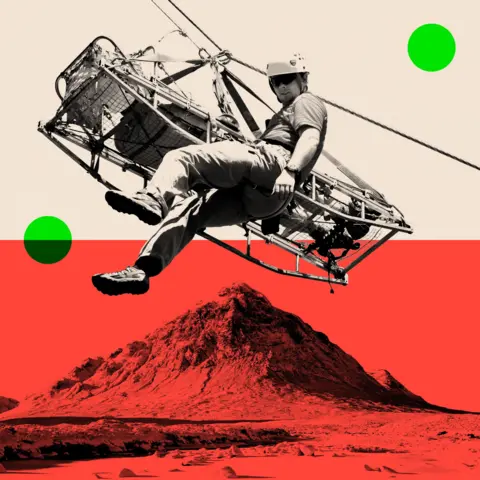
BBC A montage image showing a person from the Langdale Ambleside Mountain Rescue Team bringing a stretcher down and an image from Scotland, Argyll and Bute, Glencoe, Buachaille Etive Mor, frozen mountainous regionBBC

Two walkers find themselves stranded on a remote hillside as night closes in, hundreds of miles from home, after being inspired out into the wilderness by a TikTok video. It might sound like an unusual emergency - but for Mike Park, CEO of Mountain Rescue England and Wales, it's become a familiar story.

"We had two people stuck on a hill at 8pm, no torches. One was in their early 20s and the other was late 30s. It was their first time on a hill. They'd travelled a long way because they'd seen a TikTok route. They set off on their walk at 2pm - too late - wearing shorts, T‑shirts and carrying only a picnic," he recalls.

"They got off‑route, found themselves in unfamiliar ground – but they did the right thing by calling for help."

Park says this recent rescue, just a few days ago in the Lake District, is typical of the kind of callouts many colleagues now see.
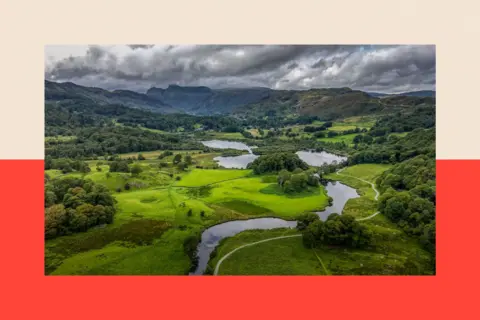
Getty Images A view of the Lake District and the River Brathay 

Getty Images
Mike Park has spent the past 40 years rescuing people on the hills of the Lake District

His rescue team were able to safely find the pair and walk them off the hill – but the incident perfectly captures some changing behaviours. Their situation was self-inflicted; they weren't prepared and got into trouble, extra layers and some good torches could have seen them rescue themselves - but they were also quick to call for help when they knew something was wrong - a decision Park says saved them from far more severe consequences.

"If we hadn't reached them, they'd have been stuck all night in the dark. By morning, I'm confident they'd be suffering hypothermia - possibly unable to walk."

Over the past few years, mountain rescue teams say there's been a stark rise in the number of people needing to be rescued.

This has ignited a delicate but important debate. Who is responsible for safety on our mountains? And, are increased warning signs and even barriers the answer to saving lives in our most dangerous landscapes, or is risk the price we pay for true adventure?

The rise in callouts

Mountain rescue callouts have been steadily rising for decades. Sport England figures suggest there's been a particular boom in recent years, with the number of us regularly climbing a hill or mountain rising from 2.8m people in 2018 to 3.6m in 2024.

Living an active lifestyle is something the public body estimates could be saving the NHS billions each year, by reducing the number of people developing chronic conditions.

However, it's also contributed to sharp rises in the number of rescues required by the volunteers who make up the UK's so-called "fourth emergency service".

In England and Wales, the number of callouts rescue teams attend has doubled in the past decade, reaching well over 3,000 a year by 2024, according to Mountain Rescue England and Wales.

So what's changed?

One of the key themes rescue teams pick up on is how incidents featuring younger adventurers, aged 18 to 24, have soared in recent years. Callouts for the age group almost doubled in England and Wales between 2019 and 2024, from 166 to 314.

It now makes them the most rescued age group, overtaking walkers in their 50s who had previously needed the most help.

Mike Park has spent the past 40 years on the hills of the Lake District, rescuing those in danger. He has observed a significant shift among younger people in embracing the outdoors - but says he believes better technology and wider social changes in the past few decades have also fed into the overall rise.

"It doesn't matter what age you are - society is more adventurous, more reliant on help, less outdoor‑aware, and less prepared," he says.

"When I first started our team did 10-15 callouts a year. We average around 100 now. The rise hasn't been steady - it's steepened sharply, especially in the last 10 years and after Covid-19."

Park believes part of what makes the mountains of the UK so attractive is that most can be easily accessed for a day-trip - at worst a short weekend break. They are on our doorstep, via the same motorways and service stations we might stop at on our way to a theme park or music gig.

This can breed a sense of overfamiliarity - with some misjudging just how alien and dangerous these environments can be, he suggests.
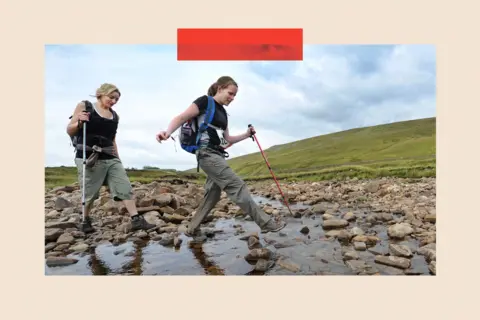
Corbis via Getty Images Participants crossing stepping stones in YorkshireCorbis via Getty Images
Park believes part of what makes the mountains of the UK so attractive is that most can be easily accessed for a day-trip

Park says decades ago, many people who went into the UK's mountains would have it as their sole major pastime, they were "hillwalkers or mountaineers, that was it". Now, outdoor adventures are easy to pick up alongside the many other work and leisure activities people juggle.

"There's so much to do now, we don't concentrate on any one thing. People might do the outdoor environment one week, swimming the next, holiday the week after," he says.

Rescuers say it should be seen as only good news that millions of people are now inspired each year to venture into the outdoors themselves, encouraged by stories of the physical and mental health benefits - and beautiful images spread across social media.

But the reality of having so many novices is also starting to take its toll on some of the UK's busiest rescue teams, who are increasingly grappling with exhaustion and stretched staffing.

It's important to note that no rescue team we spoke to begrudge doing these kinds of rescues - they are grateful they can help those who need it and avoid the situation getting any worse. It doesn't matter how you got there, just that they can help you get down safely.

But according to Park, the fact people are seemingly more willing to take risks in the first place - and then more willing to pick up the phone when things go wrong - has fundamentally changed what kind of rescues his teams do.

"Ten years ago, 70% of callouts were because someone physically couldn't get off a hill," he says.

"Now, most people haven't physically injured themselves - it's that they're mentally unable to get down, because they weren't prepared for the environment."

In other words, people's bodies are capable of getting them off the mountains, but they lack the experience, confidence or equipment to do it safely.

Online influencers

Many mountain rescuers believe the increase in online influencers is playing a role. There are pictures and videos across sites like TikTok and Instagram encouraging people to venture out to beautiful plateaus and waterfalls.

Seeing people influenced by social media "used to be rare, but now it's constant," explains Martin McMullan, from the Mourne Mountain Rescue Team in Northern Ireland.

"People search out iconic locations made popular by influencers. Some go just to experience it - others are trying to create their own content for their platforms."
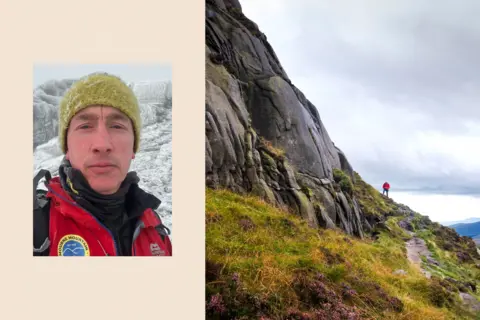
BBC/ Getty Images Martin McMullan on the left and on the right is an image of a man walking in the Mourne mountains in Northern Ireland
BBC/ Getty Images
Martin McMullan says: "People search out iconic locations made popular by influencers"

In some rare cases, McMullan says influencers may even be attempting to get rescued - to create more interesting content for their channels. He became suspicious of one case a few years ago, when his team was called to Northern Ireland's highest peak in "very serious" sub-zero winter conditions.

At the summit McMullan says they found a group of young people who they escorted part of the way down, before calling in a helicopter to evacuate them to safety. It was only days later, when a friend alerted him to it, that McMullan realised the whole thing had been filmed by the group, clutching onto their phones as they were rescued.

"They'd been livestreaming parts of it - even when things became dangerous. We were oblivious to it at the time. They probably thought it made great social media content."

McMullen says although being far from the first time he'd had a rescue filmed by members of the public keen to capture the drama of the job, it was the first time his team suspected a group had gone out with the idea of getting rescued, something they denied.

Hotspots

The vast majority of mountain rescue teams, thankfully, rarely find themselves called out to a death. But the spread is far from even and there are certainly hotspots.

The rescue team covering Yr Wydffa, Snowdon, is far and away the busiest in the UK. The team is often called to fatal incidents and has seen a rise in deaths. Across north Wales, there were 14 fatalities in the mountains back in 2015. Last year there were 23.
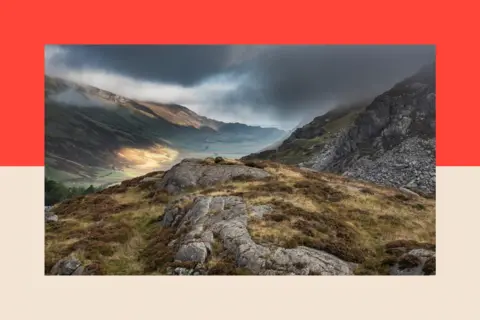
Getty Images Autumn landscape image of view along Nant Fracon valley in Yr Wydffa, Snowdonia National Park, with dramatic evening sky 
Getty Images
The rescue team covering Yr Wydffa, Snowdon, is the busiest in the UK

So-called body recovery callouts can have a significant impact on the rescuers, with a growing importance being placed on welfare checks and support for the teams who regularly battle the elements to retrieve bodies so they can be returned to their loved ones.

There have been suggestions that putting up physical warning signs, or even fencing, on some of the UK's most dangerous ridges and waterfalls could potentially save lives. The National Trust and conservation project, Fix the Fells, recently decided signs were needed to prevent accidents on England's highest mountain, Scafell Pike.

Over eight years, four people died and more than 40 were rescued from the treacherous ravine known as Piers Gill, before a sign and large rocks were placed on the nearby route to encourage people away from the area.

In mid-Wales, one assistant coroner has recommended multiple times that signs be put up around some of the region's impressive waterfalls. Five people have died at the beauty spots in the past few years, which has prompted the assistant coroner for south Wales central, Rachel Knight, to write three Prevention of Future Death Reports - recommending improvements.

In the most recent one, she argued clearer warning signs were needed for walkers who risked falling from the paths above the waterfalls – suggesting without them, many would fail to understand "the significant risks they face" in the area and more people were likely to die.

So could putting up signs work in other remote areas?

Andy Buchan is due to take over Mike Park's role at Mountain Rescue England and Wales in May.

In some of the most extreme areas, like Crib Goch, a notorious knife edge ridge in north Wales with annual fatalities, Buchan says some ideas should be considered.
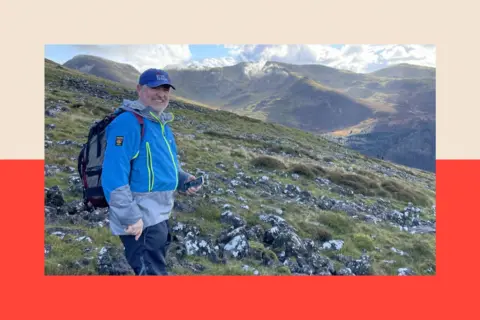
Andy Buchan in walking gear on a mountainside
Andy Buchan, the incoming CEO of England and Wales Mountain Rescue

"I won't call it signposting in terms of actually putting signs up on the mountain, but certainly signposting towards more information could really help."

Buchan suggests that in rescue hotspots such as Crib Goch, which does already have some warnings placed on the route, more could be done to help walkers access weather forecasts and safety information before they get to an area - potentially by placing additional signs or QR codes in car parks hikers are likely to use before heading out.

However, what Buchan and others I speak to really don't want to see - despite some potential benefits - is the same widespread canvassing of signs and fencing witnessed in other countries.
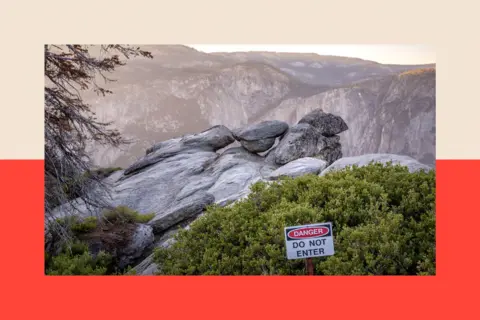
Danger do not enter signal at Yosemite national park at Glacier point with its famous overhanging rock
Buchan does not want to see the same widespread canvassing of signs and fencing witnessed in other countries

"There are other parts of the world that I've travelled, like the US, where you can get to remote places and then all of a sudden, when you want to go and have a look at the view over the cliff, there's a big metal barrier around and there's concrete being put in place and it kind of destroys the remoteness of the location that you're in," Buchan explains.

'The mountain isn't going anywhere'

In preparing for the role, Buchan has had plenty of time to think about the current challenges, but is overwhelmingly positive about seeing more people out on the hills.

"We encourage people to get outside for their physical and mental wellbeing," he says. "People recognise the countryside is a cost‑effective way to have great experiences. It's great - but it does come with risk."
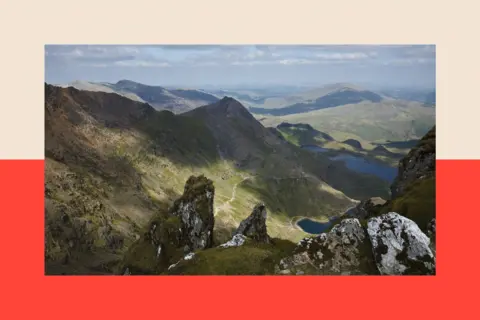
Universal Images Group via Getty Images View to Crib Goch and the Pyg Track with Llyn Glaslyn and Llyn Llydaw from Snowdon summit, Gwynedd, Wales, United Kingdom
Universal Images Group via Getty Images
Buchan suggests that in rescue hotspots more could be done to help walkers access weather forecasts and safety information

The story of Jack Carne is testament to that. Jack and his two best friends had travelled a few hours from their hometown of Barnsley to reach the mountains of Eryri, also known as Snowdonia, in north Wales. Inspired, after the Covid-19 lockdowns, by the freedom the mountains offered them, the trio in their 20s had been out hiking at every possible opportunity. They were committed, fit and experienced - but on this occasion, just "10 metres from the top" of Glyder Fawr, a peak thousands of feet up, everything went wrong.

A rock Jack had grabbed hold of broke away in his hands. His friends could do nothing as they watched him fall. In just an instant he was gone - disappearing out of sight beneath them. Three friends went up the mountain that day. Only two came back.

It was the starkest reminder possible about the unpredictability and the dangers lurking just beneath the surface of the UK's most picturesque landscapes – even for those who come prepared.
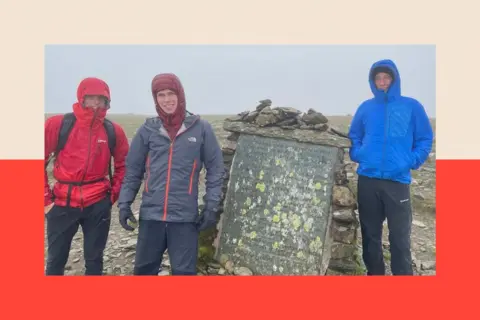
Left to right - Jack, Matty and Brandan on one of their trips
Jack Carne (left) and his two best friends Matty and Brandan

At the inquest into Jack's death, the coroner remarked how the young men were all well-equipped and experienced enough for the route they'd chosen.

"It was a scramble - nothing harder than anything we'd done before," Matty Belcher, one of those three friends, told me. "In fact it was easier than a lot of stuff we'd done," added the 27-year-old.

"Mountain Rescue said the boulder that actually took Jack was a freak accident," adds Brandan Smith, 25, the group's third member.

"That rock could have gone in a week's time, a year's time."

One week after Jack's death, Brandan and Matty were back at the same peak - this time making it the additional 10m to the summit, where they had time to reflect alongside Jack's dad, who they'd brought with them.

"Jack's dad wanted to see it - put his mind at ease, instead of guessing what happened," explains Matty.

For Brandan and Matty, it was a key moment - that inspired them to keep adventuring and not give up on the beauty of our landscape, despite the risks.
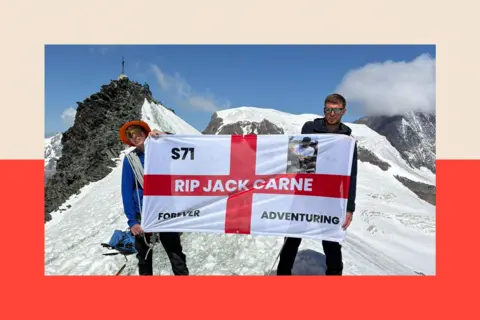
Brandan unfurls a flag to remember Jack at a summit
Brandan says Jack "was probably the best of us at climbing – he was brilliant"

"Jack was the one who absolutely loved it the most out of us," says Brandan. "He was probably the best of us at climbing - he was brilliant - he always pushed me, believed I could do it even when I didn't.

"If we'd stopped going out after he died, Jack would've kicked us for it."

The key thing, both men say, is for those looking to adventure, to always be aware of the risks.

"For us, if someone isn't feeling safe, we turn back. No question. There's always another day," says Brandan. "It's always going to be there - the mountain isn't going anywhere."

Top picture credit: Getty Images

Thin, lobster red banner with white text saying ‘InDepth newsletter’. To the right are black and white portrait images of Emma Barnett and John Simpson. Emma has dark-rimmed glasses, long fair hair and a striped shirt. John has short white hair with a white shirt and dark blazer. They are set on an oatmeal, curved background with a green overlapping circle.

BBC InDepth is the home on the website and app for the best analysis, with fresh perspectives that challenge assumptions and deep reporting on the biggest issues of the day. Emma Barnett and John Simpson bring their pick of the most thought-provoking deep reads and analysis, every Saturday. Sign up for the newsletter here
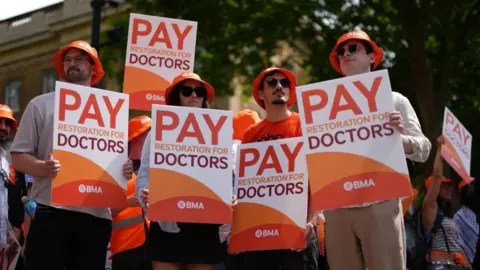

Doctors lose new jobs package as strike to go ahead

PA Media Junior doctors protest outside Downing Street, LondonPA Media

The government has withdrawn an offer of creating 1,000 more doctor training posts in England after the British Medical Association (BMA) refused to call off a six-day strike next week.

The extra posts were part of a wider package of measures put forward by ministers earlier this year to resolve the long-running dispute with resident doctors, previously known as junior doctors.

Prime Minister Sir Keir Starmer set a 48-hour deadline on Tuesday evening for the walkout to be cancelled if the union wanted to keep them.

The strike was called last week when talks between the two sides over pay and job shortages broke down.

A Department of Health and Social Care spokesman said doctors had been offered a "generous deal", but said it was now not possible to give the go-ahead on the training posts.

"These posts would have gone live this month, but as systems now need to prepare for strikes and more uncertainty, it simply won't be operationally or financially possible to launch these posts in time to recruit for this year."

The government said the move would not impact the overall number of doctors in the NHS as the posts were going to be created from existing short-term posts. Resident doctors fill these when they cannot get official training posts.

Dr Jack Fletcher, BMA resident doctor committee chair, said the announcement was "extremely disappointing".

"It is genuinely disheartening to be at this point after what had been constructive talks up until a few weeks ago when the government moved the goalposts.

"It is simply wrong that the development of the doctors of the future is being used as a pawn like this.

"We have consistently maintained that we are willing to postpone industrial action should a genuinely credible offer be provided."

Alongside the extra training posts, the government had offered to cover some out-of-pocket expenses such as exam fees as well as ensuring faster pay progression.

But the BMA ended the talks saying the deal - and in particular its pay progression element - had been watered-down at the last minute.

It also coincided with the government accepting the recommendations of the independent pay review body that all doctors, including resident doctors, should get a 3.5% pay rise from this month.

The BMA called it a "crushing blow", pointing out that inflation was set to rise because of the Iran war.

While the pay rise means resident doctor pay has risen by a third over the past four years, the BMA argues it is still a fifth lower than it was in 2008 once inflation is taken into account.

The union uses a measure of inflation - RPI - that is higher than others. It says it does this because the government uses that measure of inflation when adding interest to student loans.

The training posts that were offered are the ones doctors move into after the first two years of training. This is the point at which they specialise in areas such as general practice or surgery.

Last summer there were 30,000 applicants for around 10,000 jobs, although some of those were doctors applying from abroad.

Next week's walkout, which begins at 07:00 BST on Tuesday, will be the joint longest since the dispute began - only once before have resident doctors taken part in a six-day walkout.

It's the 15th walkout since the long-running dispute started in March 2023.

Resident doctors make up nearly half of medics working in the NHS - two thirds of them are BMA members.

New laws to make it easier to cancel subscriptions

Getty Images Close up of a person holding a TV remote, pointing at a smart TVGetty Images
The laws will enable people to cancel subscriptions "with the click of a button".

New laws will make it easier to cancel subscriptions and get refunds for unwanted auto-renewals, the government has said.

A crackdown on "subscription traps" could save the average person nearly £170 a year, according to the Department for Business and Trade (DBT).

Consumers will no longer have to make "endless phone calls" to cancel a subscription, and they will be given a 14-day cooling off period after the end of a trial period, or when an annual subscription automatically renews.

The changes are expected to come in to force in spring 2027.

The laws will enable people to cancel subscriptions "with the click of a button", the DBT said.

Companies will be forced to give clear information upfront to prevent consumers from being "silently rolled onto expensive contracts", it added.

Firms will also have to give customers reminders when a free or discounted trial is about to end, or when contracts that are a year or longer are about to be renewed.

The 14-day cooling off period will allow people to get a "full or proportionate refund" if they forget to cancel after a free trial, or the subscription auto-renews.

The changes could save the public a total of £400m a year, the DBT said.

Kim Biggs from Lincolnshire told BBC News she has been "caught out" by annual subscription fees that renew automatically.

Kim was notified that her free trial of AVG, the anti-virus software was about to end..she said trying to cancel the subscription was "exasperating".

"It took quite a lot of time to wade through all the pages, all the information that was presented when you first clicked onto the 'unsubscribe' part on the website.

"Eventually I clicked on the right options to get an online form to request a refund. I completed this but did not receive my refund."

Kim said the phone number for AVG 's support centre was not easy to find online.

When she did speak to a support agent Kim said she was told "the form that I'd sent in is basically disregarded by them, that you have to speak to them through the support centre to get your refund, which was really annoying".

"I had to keep repeating that I just wanted a refund, as she was very persistent in pushing the products available, trying to get me to change my mind."

The BBC has asked AVG for a comment.

'Nothing more frustrating'

Sue Davies, the head of consumer rights policy at Which?, said subscription traps can "wreak havoc on finances".

"These new rules will help put consumers in the driving seat with proper transparency and protection," she said.

Certain memberships for charitable, cultural and heritage organisations will be excluded from the new rules.

The DBT estimates that there are 10 million unwanted, active subscriptions across the UK.

It said that more than 3.5 million people are being "quietly rolled from free or discounted trials into fully costed contracts", while another 1.3 million are caught out by unexpected auto-renewals.

Motability drivers 'horrified' by compulsory black-box trackers

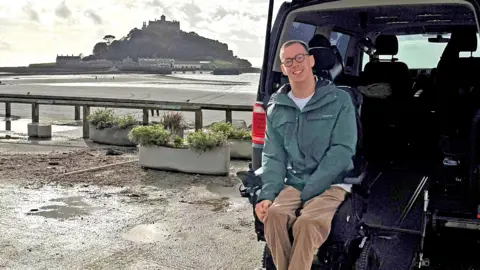
Keron Day Keron Day at the back of his Wheelchair Accessible Vehicle with St Michael's Mount in the backgroundKeron Day
Sex Education actor Keron Day, who has cerebral palsy, says he is angry at having to have a black box fitted in his wheelchair accessible vehicle

Motability drivers under the age of 30 say they are "horrified" by rule changes that mean their vehicles will be fitted with compulsory black boxes.

The boxes will monitor driving habits, such as speed and braking, and will provide a weekly rating.

More than four red ratings over a 12-month period could see drivers removed from the Motability scheme, which allows eligible disabled people to lease a new car using part of their benefit payments.

Critics say the change will affect disabled people's freedom and ability to work, but Motability says it is about "keeping prices down and keeping people safe". It says it has removed 300 drivers since its September launch in Northern Ireland.

'Disabled people need to have the choice'

Actor Keron Day, 25, who starred in the hit Netflix show Sex Education, has cerebral palsy and uses a specially adapted wheelchair accessible vehicle (WAV). The car has a steering aid and indicators on the floor, as well as buttons for lights, wipers, gears and the handbrake.

Day says the car is an "amazing piece of technology", but feels angry at having to have a black box fitted and his driving assessed when his access requirements mean he "can't simply jump into another vehicle" or use public transport easily.

"Disabled people need to have the choice, just like everybody else," he says.

"If I passed [my driving test] aged 17, I would have 13 years of a mandatory black box. None of my non-disabled peers would have that.

"We all have to pass the exact same driving tests that everybody else does, so it's not a point about our safety."

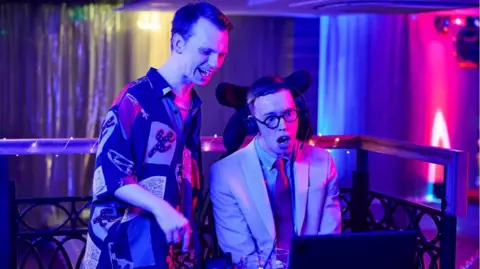
A screenshot from Kirkmoore. A man in a jazzy shirt stands behind Keron's character who is sitting in front of his a computer screen and wears a headseat and a suit. They are are in a bar or club.
Day, who played the lead in BBC Three's Kirkmoore, says he needs his vehicle to get to acting jobs

Black box car insurance has become a popular option for young drivers, who are often deemed to be more high-risk, as it offers lower insurance premiums.

Motability enables disabled people who have issues getting around to exchange their higher-rate mobility allowance for a new car. Although "premium" vehicles such as BMWs and Mercedes were removed from the scheme at the end of last year.

During last year's Budget, the government removed its tax break on insurance and it must now cover 12% on each insurance premium. It must also now pay VAT on some vehicles meaning the scheme will need to pay out an additional £300m from 1 July.

Nigel Fletcher, CEO of the Motability Foundation, said that would be the equivalent of a price rise of £1,100 for every driver on the scheme.

"A lot of disabled people won't be able to afford that, so we're now having to try and work out how can we make changes to the scheme that protects pricing as much as we possibly can," said Fletcher.

He added that black box was about "keeping prices down and keeping people safe" and its data had also found younger drivers to be the highest risk.

He said, of the 300 drivers removed from the scheme, one had driven 117mph in a 30mph zone.

"This a serious safety issue, not just for that individual, but everyone else in that community.

"They will get lots of warnings before they get taken off the scheme. And then if they are taken off the scheme, we will need to start looking at what our policies are around allowing them back onto the scheme in the future."

Motability has also decided that every vehicle with a named driver aged 30 or under will have the device fitted - which could include family, friends and personal assistants (PAs) who drive the vehicle.

"As a disabled person, my independence could be taken away as a result of a non-disabled person's actions," Day says.

"I'm experienced enough with PAs to know that not all PAs are amazing drivers. And that's just a reality of life. I find the consequences horrifying."

Motability will start to bring in the changes on new leases from 13 April for the first 15% of its 930,000 customer base. Then it will "review and analyse" whether to introduce it across the board.

'There is a difference whenever I drive'

Eva Hanna, 21, has a car with hand controls and says she is happy to have a black box, but feels the amber and red reports she has received for jerky driving is a direct result of her adaptations and thinks the scheme needs to be looked at.

"The braking and acceleration can be a bit more sensitive, because obviously it's not the same as using your feet," she says.

"You have to pull on the brake a little, or you have to pull on the accelerator to get it going. So I've found that during my journey I might have braked too hard or accelerated too harshly."

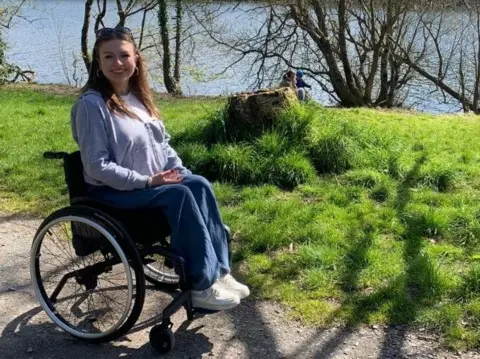
Eva Hanna Eva Hanna sits in her wheelchair in front of grass and some water with bare trees in the background and the sun shiningEva Hanna
Eva Hanna says her commute often takes her more than an hour, which could lead to getting red reports

She says she has received amber ratings when commuting to Belfast for work and a red score when she had to brake sharply on a country road.

In comparison, when her parents have driven the vehicle manually, they received green scores.

"I know I'm not a dangerous driver, but there is a difference whenever I drive. I'll always get knocked down a bit on the smoothness," she says.

"I worry because the scheme is so great. For people to be kicked off just because of small things that aren't their fault, it would be such a big let-down to a lot of disabled people."

Fletcher says this was not something Motability was aware of, but it would look into and would continue to gather information over the coming months.

As well as the black box, Motability has introduced recommendations that drivers take a break every hour and aim not to do more than six journeys a day. If that is exceeded, the driver will receive a red score, but it will not impact their lease.

It has also halved the number of miles drivers can make each year before they pay an excess.

Drivers will now be able to drive 10,000 miles before paying 25p on any miles travelled over that limit. Previously, the mileage was 20,000 with an excess of 5p a mile.

Motability says its average drives clock up 7,500 miles a year and Scotland's version of the scheme was still considering the cap.

But for Day, the recommendations are frustrating and impede his independence.

"I live in rural Cornwall, everything is an hour away," he says.

"If I wanted to go to London, which is where the majority of my work is, and I had to stop every hour, I couldn't get to work. It's just madness."

Even so, he is excited for the "freedom and access to the world" his new vehicle on the scheme will give him.

"I wouldn't be able to go to work without mine," he says. "I wouldn't be able to have a social life."

Record monthly rise in petrol and diesel prices, says RAC

Getty Images A woman looking at her mobile phone while filling up her car at a petrol stationGetty Images

The jump in the price of oil triggered by the conflict in the Middle East has raised the possibility of higher fuel costs for motorists.

Following the attacks by the US and Israel on Iran, the price of oil leapt by 10% and gas prices also surged.

The reason for the jump is that Iran has warned vessels not to pass through the Strait of Hormuz, a crucial waterway in the south of the country through which about 20% of the world's oil and gas is shipped.

If these restrictions persist and oil prices remain high for some time, the worry is this will have knock-on effects on prices of a number of goods.

However, there remains a huge amount of uncertainty at this stage as to whether the conflict will have a lasting effect on the price of oil, gas and wider energy costs.

How quickly will rising oil prices show in fuel prices?

Crude oil is a key ingredient in petrol and diesel, meaning higher oil prices could eventually drive up prices at the pumps.

The AA motoring group says that over the next few weeks fuel costs could return to where they were at the start of the year.

That would be a change to the general trajectory of fuel prices, which have been falling on UK forecourts over the past few weeks.

Further rises will depend on the magnitude and duration of the conflict, the AA said.

Currently, the average price for petrol is 132.6p a litre and 142.3p for diesel, according to AA data.

Simon Williams, from rival motoring group the RAC, said: "If oil were to climb to and stay at the $80 a barrel mark, then drivers could expect to pay an average of 136p for petrol.

"At $90, we'd be looking at over 140p a litre and $100 would take us nearer to 150p, but it's all too soon to know."

What could the impact be on food prices?

As well as affecting prices at the pump, if higher fuel costs persist they could have further knock-on effects on the prices of goods on the shelf.

More expensive petrol and diesel will increase the transport costs of those businesses moving food and other goods around the country.

These increased costs might then be passed on by shops and supermarkets to the consumer. As a result, the cost of living goes up.

There might also be a more direct impact on food. "Some elements of crude oil are used in fertiliser, and so there could be a cost implication in terms of food prices," Benjamin Goodwin, partner at banking advisory firm PRISM Strategic Intelligence told the BBC.

However, if the disruption is short lived then it is unlikely to result in an immediate increase in food prices, he said.

Will my energy bills rise?

In the short-term, millions of UK householders' domestic gas and electricity bills are shielded from any impact on wholesale costs paid by suppliers.

People whose energy bills are governed by the price cap already know what their unit prices are now, and will be for the three months from April. They have already been set.

However, the impacts of the conflict could potentially be seen on domestic variable energy tariffs from the subsequent price cap, for the three months from July.

How will this affect UK inflation and interest rates?

UK inflation, which measures the pace of price rises, has eased relative to the heights reached immediately after Russia launched its full-scale invasion of Ukraine four years ago.

It has meant that the Bank of England has been able to cut interest six times since August 2024 to 3.75%.

The Bank recently said further cuts to borrowing costs are likely this year with another cut widely expected later this month, but if the oil price continues to rise is this now less likely?

Much depends on how long crude prices remain elevated, according to Subitha Subramaniam, chief economist and head of investment strategy at Sarasin & Partners.

If they do, she said: "It will start to cascade into other prices such as food, agriculture, industrial commodities and that's just going to really bleed into inflation."

The Bank's rate-setting committee next meets in a couple of weeks' time which really isn't enough time to assess the impact of higher oil prices on inflation.

So, in the short-term, Subramaniam said: "I would say the prudent course for the Bank of England would be to remain on hold."

D.H.S. Inspector General Inquiry Focuses in Part on Corey Lewandowski

The investigation comes as administration officials have fielded complaints about how Kristi Noem’s top adviser, Corey Lewandowski, dealt with companies seeking federal contracts.

© Eric Lee for The New York Times

Kristi Noem, the former homeland security secretary, during a House Committee on Oversight and Government Reform hearing this year.

Lawsuits Are the New Trump Tactic in the Fight to Overhaul Education

Trump officials have faced dozens of lawsuits over their aggressive efforts to force change in universities and school districts. Now Trump lawyers are taking schools to court.

© Rachel Wisniewski for The New York Times

The University of Pennsylvania’s campus in Philadelphia. The Trump administration won in court this week after suing Penn to obtain lists of Jewish staff for an antisemitism investigation.

特朗普称美国将在两到三周内结束伊朗战争

简繁中文
纽约时报 出版语言
字体大小

特朗普称美国将在两到三周内结束伊朗战争

TYLER PAGER, 黄安伟
特朗普总统周二对记者表示,他已实现了处理伊朗核计划的目标,并且美国的汽油价格将会下降。
特朗普总统周二对记者表示,他已实现了处理伊朗核计划的目标,并且美国的汽油价格将会下降。 Tierney L. Cross/The New York Times
特朗普总统周二表示,美国将在两到三周内结束对伊朗的军事行动,白宫同时宣布,总统将于周三晚间就这场战争向全国发表讲话。
“我们很快就会撤军,”特朗普在白宫椭圆形办公室对记者表示。
目前尚不清楚特朗普打算在全国讲话中传递何种信息,他也并未排除军事行动升级的可能性。但他与高层幕僚近期频频表示,他认为已有足够理由宣称已实现主要目标,并希望让美国从这场冲突中抽身。
白宫新闻秘书卡罗琳·莱维特表示,特朗普将就这场战争发布“重要进展通报”。
广告
特朗普对记者称,他已经达成了应对伊朗核计划的目标,并称美国一旦结束这场冲突——他表示这很快就会发生——美国国内的汽油价格就会回落。他还表示,霍尔木兹海峡实质关停导致全球能源贸易受阻的问题,应该由其他国家来解决。
在周二发布的一段视频中,国务卿鲁比奥竭力论证,特朗普已经达成了阻止伊朗制造核武器的首要目标。但鲁比奥的论断建立在削弱伊朗常规武器力量就足以阻止德黑兰制造核弹这一前提之上。
“本次行动的目标,就是摧毁他们的常规导弹和无人机项目,让他们无法再以此为掩护,”鲁比奥说。
霍尔木兹海峡的实质性封锁已导致全球能源贸易陷入瘫痪。
霍尔木兹海峡的实质性封锁已导致全球能源贸易陷入瘫痪。 Ismaeel Naar/The New York Times
但即便政府释放了局势降级的信号,随着美军持续向该地区部署,特朗普仍未排除军事升级的可能性。
尽管特朗普大肆宣扬美军已打击了超过1.1万个目标,但伊朗在伊斯法罕核设施内仍储存着接近武器级的核材料。目前总统正在权衡,是否批准一项高风险行动,以夺取或销毁这批核材料。
特朗普还提出其他构想——入侵或袭击伊朗在波斯湾的石油出口核心哈尔克岛,或是夺取波斯湾内的其他岛屿,以此推动恢复霍尔木兹海峡的航运通行。伊朗一直将这条海峡作为阻断中东石油运输的咽喉要道。
与此同时,特朗普仍表示,有可能与德黑兰通过谈判达成和解,不过对于美国而言,想要从这场与以色列联合发动、已持续一个月的战争中抽身,谈判并不是必需的。
广告
但特朗普当初宣布介入冲突时定下的诸多目标,至今仍未完全实现,包括推翻伊朗的神权政府、确保伊朗永远无法获得核武器。他也未能解决这场战争引发的一系列问题,包括霍尔木兹海峡实质关停,以及伊朗对邻国发动导弹袭击所导致的地区动荡加剧。
周一,鲁比奥在接受ABC新闻与半岛电视台采访时列出了这场战争的四大目标。美国国务院官方账号在社交媒体上发布了其中一段采访的视频片段以及目标要点清单,并配文:“建议你们记下来。”
这四大目标分别是:摧毁伊朗空军、摧毁伊朗海军、“大幅削弱”伊朗的导弹发射能力,以及摧毁伊朗的工厂。
这份清单并未纳入特朗普近期多次提及的部分目标:“政权更迭”、夺取伊朗石油、迫使伊朗军方放行霍尔木兹海峡的通航船只,以及彻底根除伊朗的核计划——其中包括去年夏天遭美军炸弹袭击的地下设施中储存的高浓缩铀。
鲁比奥列出的这四大目标均为常规军事目标,尺度也相对保守,与他在3月9日(战争第二周)提出的三大目标很相近,但有两处显著差异:新增了“摧毁伊朗空军”的目标,同时收回了此前提出的“摧毁伊朗导弹发射能力”的说法。新的表述“大幅削弱”这一能力,意味着美国官方已不再认为彻底摧毁伊朗导弹项目具备可行性。
鲁比奥列出这四大目标似乎是在为特朗普提供一条可供选择的退路。特朗普完全可以宣称美国已达成既定目标,就此结束美军的作战行动——尽管以色列、沙特阿拉伯及该地区其他部分阿拉伯国家仍在向他施压,要求他将冲突持续下去,直到通过武力迫使伊朗政府与领导层发生更深层次的结构性变革。
广告
“我们一定会实现这些目标,”鲁比奥在半岛电视台的采访中谈及这四大目标时表示。“目前相关行动进展顺利,部分甚至超前于计划。我们将在几周内完成目标,而不是几个月。”
但包括新闻秘书莱维特在内的白宫官员仍在重申总统范围更广的目标:摧毁伊朗的导弹与无人机生产基础设施、削弱伊朗的代理人势力,以及阻止伊朗获得核武器。
周二,特朗普宣称美国已经实现了在伊朗的“政权更迭”,尽管伊朗那个反美的威权神权领导层依然牢牢掌握权力。
“我们先是打败了第一个政权,然后又打败了第二个,”特朗普说。“现在我们面对的,是一群完全不同的人,我认为他们理性得多,也远远没那么激进。我们已经实现了政权更迭。”
如果特朗普真的兑现他的威胁,在霍尔木兹海峡通航未恢复的情况下结束军事行动,全球经济将陷入持续的混乱。目前全球各地油价已大幅飙升,包括美国在内,欧洲官员正呼吁各国削减能源使用。
但特朗普在周二表示,“只要我从伊朗撤军”,油价就会回落,同时他将恢复海峡通航的责任推给了包括北约盟友在内的其他国家。
广告
“拿出你们迟来的勇气,去海峡,直接拿下它!”他周二早上在Truth Social平台上写道。“你们必须学会为自己而战,美国不会再去帮你们了,就像你们当初也没帮过我们一样。伊朗基本上已被摧毁,最难的部分已经做完了。自己去拿你们的石油吧!”

免费下载 纽约时报中文网
iOS 和 Android App

点击下载iOS App 点击下载Android App
© 2026 The New York Times Company.

Trump Has Discussed Firing Attorney General Pam Bondi

President Trump has not made a final decision, but he has floated the idea of replacing Ms. Bondi with Lee Zeldin, the E.P.A. administrator.

© Tierney L. Cross/The New York Times

Among President Trump’s top complaints about Attorney General Pam Bondi is her handling of the Epstein files, which has become a political liability for the president among his supporters.

Immigrant Families Are Cautiously Hopeful Over Supreme Court Birthright Citizenship Case

As the high court heard arguments on whether to limit birthright citizenship, many people pondered what the decision could mean for future generations.

© via the Andreote family

Maria and Francisco Andreote are Brazilian microbiologists conducting research at Penn State. Their daughter, Laura, 4, was born in the United States just before the birthright citizenship case landed in the Supreme Court.

Trump Laid Out Five Goals for the Iran War. Here’s Where They Stand.

The United States and Israel have done significant damage to Iran’s military capabilities. But Iran still fires missiles, has nuclear material and coordinates with militias in the region.

© Arash Khamooshi for The New York Times

A new mural in Valiasr Square in Tehran on Wednesday. A large number of Iran’s ballistic missiles and launchers remain undamaged after a month of airstrikes by the United States and Israel.

BBC sacked Scott Mills after learning alleged victim in police investigation was under 16

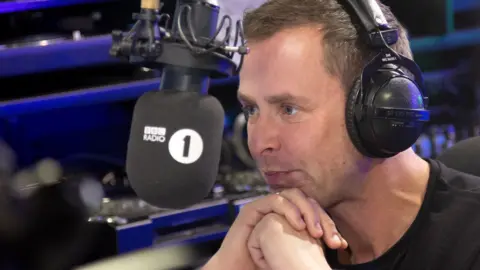
BBC Scott Mills leaning into the microphone in the Radio 1 studio with headphones on. BBC

Presenter Scott Mills has confirmed he was investigated over a sexual offence, in his first statement since he was sacked from the BBC over allegations relating to his personal conduct.

In a statement, Mills said the announcement of his sacking had led "to the publication of rumour and speculation".

It comes after it emerged the police launched an investigation into Mills in 2016 before closing it in 2019 after prosecutors decided there was insufficient evidence to bring charges.

Mills said he had "fully cooperated and responded" to the investigation at the time, and thanked "from the bottom of my heart all those who have reached out to me with kindness" including his listeners and former colleagues.

The allegations, first published in the Mirror, are reported to have happened between 1997 and 2000, police said, when Mills would have been in his mid-20s.

On Tuesday, the Metropolitan Police told BBC News that they had investigated Mills for serious sexual offences against a teenage boy who was under the age of 16.

In a statement on Wednesday afternoon, the 53-year-old said: "The recent announcement that I am no longer contracted to the BBC has led to the publication of rumour and speculation.

"In response to this the Metropolitan Police has made a statement, which I confirm relates to me.

An allegation was made against me in 2016 of a historic sexual offence which was the subject of a police investigation in which I fully cooperated and responded to in 2018.

"As the police have stated, a file of evidence was submitted to the Crown Prosecution Service, which determined that the evidential threshold had not been met to bring charges.

"Since the investigation related to an allegation that dates back nearly 30 years and the police investigation was closed 7 years ago, I hope that the public and the media will understand and respect my wish not to make any further public comment on this matter."

He added: "I wish to thank from the bottom of my heart all those who have reached out to me with kindness, my former colleagues, and my beloved listeners, who I greatly miss."

The announcement that the former presenter had been sacked by the BBC caused shock among listeners, and led to mounting pressure on the broadcaster to explain what led to his sudden departure.

Earlier on Wednesday, the BBC confirmed it knew about the sexual offences investigation in 2017.

But in a statement, a spokesperson added that the Radio 2 presenter was sacked after "new information" about his conduct came to light in recent weeks.

It said it was "doing more work to understand the detail of what was known by the BBC" at the time.

World's oldest known tortoise, Jonathan, dies aged 193

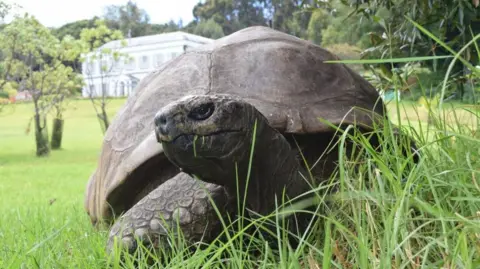
PA Media Jonathan, a large tortoise in grassPA Media
Jonathan is thought to have hatched almost 200 years ago and lived through the reigns of eight British monarchs

The world's oldest known tortoise, Jonathan, has died at an estimated age of 193, the vet who cared for him has said.

"Heartbroken to share that our beloved Jonathan, the world's oldest living land animal, has passed away today peacefully on St Helena", Joe Hollins wrote on social media late on Wednesday.

"This gentle giant outlived empires, wars, and generations of humans," Hollins said of his long-time charge, who is thought to have hatched around the year 1832.

He spent most of his life on the remote South Atlantic island of St Helena, where he met Queen Elizabeth II, as well the Duke of Edinburgh and House of Commons Speaker Sir Lindsay Hoyle.

Hollins said in his statement: "As his vet for many years, it was an honour to care for him - hand-feeding bananas, watching him bask in the sun, and marvelling at his quiet wisdom.

"He leaves behind a legacy of resilience and longevity that inspired millions. Rest easy, old friend. You'll be missed more than words can say."

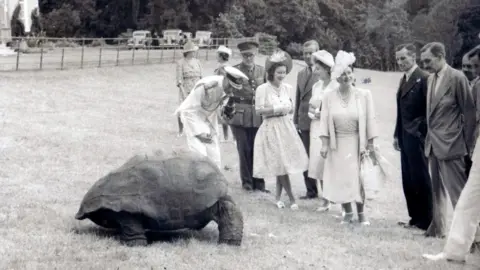
PA Media A black-and-white image of Jonathan surrounded by a group of people in formal attire, including Queen Elizabeth IIPA Media
Jonathan met the future Queen Elizabeth II in 1947 on St Helena, a British overseas territory

Jonathan's exact age is unknown, but a photograph taken in 1882 shows that he was fully grown when he was first brought to the island - where he lived on the grounds of Plantation House, the official residence of the Governor of St Helena.

Experts say this suggests he was about 50 years old by that time.

Jonathan lived through the reigns of eight British monarchs and met both George VI and the future Elizabeth II during their visit to the island in 1947.

The giant tortoise met Sir Lindsay in 2024, when he was presented with a Guinness World Record certificate recognising him as the oldest known land animal in the world.

At the time, Hollins said that although Jonathan had lost his sense of smell and his sight, he still appeared to be very happy and healthy.

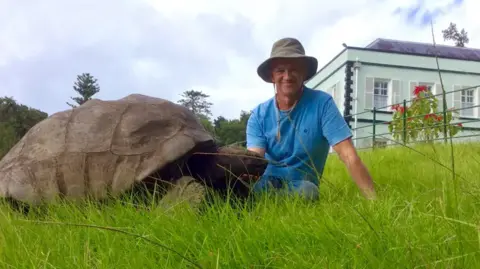
Joe Hollins Joe Hollins, in a blue t-shirt, with the massive tortoise.Joe Hollins
Joe Hollins with Jonathan, whom he described as "a 450lb (200kg) crusty old reptile that I'm very fond of", in a 2016 BBC interview

欲速则不达 北约成了特朗普的替罪羊? - RFI - 法国国际广播电台

01/04/2026 - 23:53

一个月前,特朗普在自家的海滨花园,头戴棒球帽,没有打领带,通过录制的视频轻松宣布美国对伊朗发动了名为“史诗怒火”的战争。战争一月有余,停不下来,特朗普更多的似乎已不是怒火,而是怨气。

周三晚间,他要对全美发表庄严讲话。发表讲话前几小时他宣称,伊朗主动要求停火,好像停火的主动权已掌握在他的手里。特朗普还开出了条件:除非伊朗重开霍尔木兹海峡,否则绝不考虑任何停火协议。然而伊朗立即予以否认,伊朗外交部发言人表示不存在所谓“要求停火的谈判”,揭露美方“毫无根据的撒谎”。到底是谁在说真话?

美国总统于白宫当地时间21时会讲些什么呢?一位白宫高官告诉法新社,特朗普将一如既往地强调,自2月28日发动空袭以来,“美军已达成行动前设定的所有目标”。特朗普将一一列举“战果”:包括 “摧毁”了伊朗的导弹能力;“消灭”了伊朗海军;“确保伊朗的恐怖主义盟友无法再破坏该地区的稳定”;以及“确保伊朗永远无法拥有核武器”。特朗普还将重申:“将在两到三周内结束军事行动”。

特朗普此前已明确表示,冲突的结局既不取决于与德黑兰的谈判,也不取决于霍尔木兹海峡最终的状况。给人的感觉,特朗普越来越迫不及待地希望终结这场战争,以至于他最早提出的条件,比如改换伊朗政权、摧毁伊朗核设施等等,提得越来越少。每当记者追问,特朗普常常以这样的方式反问:我们炸死了伊朗的最高领袖和许多高官,伊朗政权不是早就改换了?至于核设施,特朗普在去年夏天下令的一次轰炸行动后就已经向全世界宣布:“我们摧毁了伊朗所有的核设施”。

特朗普不认输,但他需要精神胜利。以色列总理内塔尼亚胡周一也对一家美国电视台宣布,“我们已经完成超过一半以上的战争目标”,什么目标?他没有提供细节。现在,眼看着这场针对伊朗的战争可能导致对霍尔木兹海峡控制权的丧失,美国和以色列正在四处寻找替罪羊。这并不难:这两个国家如今已无盟友,只剩下彼此,因为它们几乎让所有曾站在他们一边的国家望而却步。

特朗普在这场他原本以为会更轻松、更迅速终结的战争中陷入困境后,他向北约盟友求援,但所有盟友都予以拒绝。他们的谨慎态度不难理解,他们并未被事先告知将要打响这样一场他们并不赞成的战争。美国总统的求援之举,距他试图吞并丹麦自治领土格陵兰岛仅数周之后,欧洲人记忆犹新。与此同时,他对欧洲人不断提出批评并表现出挑衅姿态,同时公开表示不支持泽连斯基,并偏袒被欧洲人视为主要威胁之一的普京领导的俄罗斯。法国人仍记得美军在未与盟友协商的情况下,仓促从阿富汗撤军的情景,而那场战争正是法国曾鼎力支持的。法国与盟友深知,一旦参与美国的战争,他们将无权置喙,也毫无回旋余地。

特朗普怨气冲天,他在接受英国『每日电讯报』采访时公开威胁要终结北约这个“纸老虎”。显然,北约如果失去美国,其分量将大打折扣。然而这位白宫主人早已严重削弱了自身的威慑力,如果再放弃北约这个“纸老虎俱乐部”带来的好处,包括它既能确保美国获得可观的军售收入,又能为其在欧洲提供宝贵的前沿基地,特朗普最终又能得到什么?

特朗普生气是有原因的,这场战争不仅未能如其预告早早结束,不仅没有能够更换伊朗政体,彻底摧毁伊朗核设施和弹道导弹,反而让伊斯兰革命卫队掐住了全球能源大通道之一的霍尔木兹海峡的咽喉,引发全球能源市场大动荡。油市飙升,人们担心将会引发持久的通货膨胀。

对这场战争一开始并不热心的多数美国民众,现在更加担忧,他们的情绪正在进一步削弱特朗普的支持率,这一切都发生在距离非常重要的美国中期选举还剩下几个月的时候。

德国需要中国来推动气候保护 - RFI - 法国国际广播电台

01/04/2026 - 23:42

据德国电视二台报道:德国曾经在光伏领域处于领先地位。如今,中国在几乎所有气候技术领域主导全球市场。德国现在需要中国来推动气候保护。德国社民党籍联邦环境部长施耐德(Carsten Schneider)正在北京和上海进行上任后的首次访问。他试图将中国争取为气候保护方面的合作伙伴。

中国在许多地方采用气候友好型技术。仅在过去一年,中国新增的太阳能装机容量就达到德国现有总量的三倍。中国在全球光伏原材料和供应链中占据约80%的份额。相比之下,德国的太阳能产业已基本退出市场,去年,最后一家大型生产商也宣告破产。

施耐德表示,中国在过去十年中为气候保护做出了巨大努力。中国政府多年来一直致力于减少对石油和天然气的依赖,因为这些资源中国自身储量有限。施奈德说:“正因如此,中国大力投资电动汽车和太阳能,这也使得全球太阳能电池板的价格大幅下降,以至于它们如今占据了全球能源增长和产能增长的90%。这些都来自中国,因此我们也应对此表示感谢。”

德国政府网站报道说:施耐德呼吁中国企业在德国进行更多投资,包括开展合资企业合作。因为在新技术领域,双方可以相互学习。这一点也得到了中方会谈伙伴的支持。

中国计划在2060年前实现碳中和,并大规模扩展太阳能、风能、水电以及核能设施。但与此同时,也在建设新的燃煤电厂。随着经济快速发展,中国的能源需求依然十分旺盛。中国既是全球最大的气候保护推动者之一,同时也是最大的二氧化碳排放国。

对德国而言,中国既是气候技术领域的榜样,也是竞争对手。在德国争议颇多的热泵问题上,中国同样主导全球生产(约占40%)。施奈德评价中国时说:“一旦他们下定决心,就会坚定推进,不会动摇。”

他还表示,在循环经济领域,也就是从产品中回收再利用原材料方面,中国很可能会采取类似的发展路径。“目前我们在德国仍然处于领先地位,我希望我们能够保持这一优势。”

德国希望推动公平、平等的合作,同时也希望在国际气候协议中争取中国这一重要伙伴,例如在2025年暂时失败的全球塑料协定中。尤其是在美国退出诸如《巴黎气候协定》等重要机制之后,这一点更加重要。当特朗普领导下的美国积极抵制气候保护、欧洲的“绿色协议”也面临动摇之际,电气化和去碳化正成为中国的重要出口优势。

在与华盛顿的对比中,北京显然乐于展现自身作为更可靠伙伴的形象,这或将有助于双方合作。中国生态环境部长黄润秋在北京会见时表示:“您的访问将进一步推动我们的合作,并有助于通过中德合作来缓解国际形势中的不确定性。”他虽未直接提及美国,但强调,相信中国和德国都是“负责任的国家”。

巴方官员指巴基斯坦与阿富汗在乌鲁木齐举行停战谈判 - RFI - 法国国际广播电台

01/04/2026 - 23:28

巴基斯坦两位高级官员周三向法新社表示,为结束与阿富汗持续数月的军事冲突,双方正在中国进行谈判。

巴基斯坦与阿富汗两个邻国在很长的时期都是友邦,然而伊斯兰堡与与塔利班统治的阿富汗交恶已有数月。伊斯兰堡指责阿富汗在其境内扶植、接待激进组织“巴基斯坦塔利班”战士,并以阿富汗为基地对巴基斯坦发动攻击。“巴基斯坦塔利班”也曾公开声明对巴国境内发生的多起血腥攻击事件承担责任。

不过,阿富汗当局一直否认允许武装分子利用其领土对巴基斯坦发动攻击,阿富汗塔利班反指巴基斯坦庇护与喀布尔为敌的“伊斯兰国”组织成员,但遭到巴方反驳。

巴基斯坦一名负责安全的高级官员表示,巴基斯坦外交部高官率领的一个代表团已抵达中国西北地区的乌鲁木齐,旨在与阿富汗塔利班展开谈判。官员强调,“中国朋友要求我们与对方会面。”

另外一位匿名的巴基斯坦政府官员也证实:“此次会面旨在为双方更广泛的对话打下基础。”

不过,在法新社求证时,无论巴基斯坦外交部还是阿富汗政府,都没有出面证实双方正在谈判。

巴方官员表示,伊斯兰堡的要求没有任何改变。

自从10月份巴阿双方爆发激烈的军事冲突以来,陆地边界几乎处于完全封锁状态。随后虽然冲突 的激烈程度有所减缓,但从未停止。直到2月26日,在巴基斯坦轰炸阿富汗之后,阿富汗随即发起地面反攻,战斗非常激烈。

双方在开斋节停火,然而3月24日起重新交火。

自巴基斯坦3月16日轰炸喀布尔一座戒毒中心造成数百人死伤后,呼吁巴阿双方停火的声音此起彼伏。

根据联合国统计,自从2月26日以来,阿富汗方面至少76人丧生,这个数字不包括喀布尔戒毒中心的受害者。阿富汗方面超过115000人流离失所。

3月底,联合国阿富汗特使发言人表示,“中国提出从中斡旋,担当调解人,联合国秘书长支持这一建议。”

美最高法院审出生公民权案 特朗普出席旁听 - RFI - 法国国际广播电台

01/04/2026 - 23:35

美国最高法院本周三就出生公民权展开历史性辩论,聚焦美国总统特朗普试图透过行政命令,限制“落地生公民权”的政策是否合法。

这场备受瞩目的口头辩论历时约两小时,特朗普更罕见亲自出席旁听,成为美国历史上首位到最高法院现场观摩审理案件的现任总统。法院预计将于6月底前作出裁决。

特朗普在庭内全程未发言,遵守法院规定,但据路透社报道,他全程专注聆听,并在政府方陈述结束后离席,历时约90分钟,未对媒体发表评论。

特朗普在庭审结束约一小时后,于社群平台再次批评出生公民权政策,延续他的一贯强硬立场。

他写道:“我们是世界上唯一愚蠢到允许‘出生公民权’的国家!”

多位大法官在庭上对政府立场表现出高度质疑,显示此案未来裁决可能对特朗普政府移民政策造成重大冲击,并影响数以百万计在美出生者的公民身分认定。

本案争议核心围绕美国宪法第十四修正案,其明文规定:“所有在美国出生或归化并受其管辖的人,均为美国公民。”特朗普政府则主张,该条文不应适用于非法移民子女,并试图透过行政命令重新诠释“受其管辖”的涵义。

代表政府出庭的副检察长索尔(D. John Sauer)辩称,行政命令主要针对“生育旅游”等现象,试图防堵外国人专程赴美产子以取得公民身分的行为。

然而,多位大法官对此说法提出强烈质疑。首席大法官罗伯茨(John Roberts)指出,第十四修正案制定时并不存在所谓“生育旅游”的概念,暗示政府以此为理由重新解释宪法,可能缺乏历史依据。

值得注意的是,即便是被视为保守派的大法官,也对政府立场展现保留态度,甚至包括由特朗普任命的法官在内,均在庭上频频提出尖锐问题。

例如,大法官戈萨奇(Neil Gorsuch)询问,在政府标准下,美洲原住民是否仍被视为出生公民。索尔对此一度无法给出明确答案,仅表示需要进一步思考,突显政府论述在实务适用上的困难。

另一位保守派大法官阿利托(Samuel Alito)则提出假设案例:一名在美出生、父亲为非法入境伊朗人的男孩,是否因同时对外国政府负有义务,而不属于“完全受美国管辖”。他同时指出,美国移民法执行不力,使部分本应被遣返的人实际上已在美国建立生活,形成法律与人道之间的矛盾。

阿利托表示,这种情况“引发人道问题”,并质疑现行制度是否合理。

代表原告的美国公民自由联盟(ACLU)律师王思敏(Cecillia Wang)则强调,法院已有明确先例支持出生公民权,并呼吁法官重申相关判决。

她表示:“我们有两条路可以胜诉……我认为法院应该重申‘黄金德案(Wong Kim Ark)’的判决,那是界定美国国籍的重要里程碑。”

在保守派法官质询下,王思敏也承认部分法律细节仍需厘清,但整体而言,法官对她的提问较偏向厘清立场,而非直接否定其论点。

此案被视为特朗普移民政策中最具争议的一环之一。若最高法院支持行政命令,可能意味着长达一个多世纪的出生公民权解释将被颠覆,对未来移民、国籍认定乃至社会结构产生深远影响。

反之,若法院驳回行政命令,将再次限制行政权力,并巩固第十四修正案的既有诠释。

此外,本案辩论也发生在特朗普政府近期遭遇司法挫败之际。最高法院今年2月才否决其大规模全球关税政策,使白宫在法律战场上承受压力。

专家指出,出生公民权在全球并非普遍制度。除约30多个国家采取与美国类似的“属地主义”外,另有约50国采取较严格或附带条件的制度。

支持限制者认为,美国制度过于宽松,可能被滥用;反对者则强调,出生公民权是保障平等与避免无国籍状态的重要基石。

❌