Reading view

There are new articles available, click to refresh the page.

Painted stories of the Decameron: A father’s revenge

The first story on the fourth day of Boccaccio’s Decameron was told by Fiammetta, and relates the tragedy of Ghismonda and her love for Guiscardo.

Ghismonda was the daughter of Prince Tancredi of Salerno, who was known for being a benevolent ruler, but in his later years became a possessive father. He refused to let her marry until she was older than was usual, and when she did, her husband died soon after. She returned to live with her doting father, who had no interest in seeing her married for a second time, so she decided to take a lover instead.

She fell in love with a young valet to her father named Guiscardo, and he fell in love with her. Ghismonda devised an ingenious way of passing him messages concealed inside a reed. They met in an old cavern underneath the palace: Ghismonda’s room had a long-disused door that opened into the cavern, and Guiscardo descended into it from a shaft outside the walls.

Before meeting in this cavern, Ghismonda dismissed all her ladies-in-waiting, telling them she wanted to sleep. She then locked herself in her room, opened the door to the cavern, and descended its staircase to meet her lover, who had roped down from the entrance to the shaft. The couple then spent much of the rest of the day making love in her room before Guiscardo departed.

One day when the couple had arranged to meet in this way, Prince Tancredi came looking for his daughter. Seeing her outside, he settled down in a corner of her room and fell asleep. She was unaware he was there, and proceeded with her lovemaking, during which her father awoke. He remained silent and was undiscovered, eventually climbing out of a window while the couple descended into the cavern to make their farewells.

Later that night, Guiscardo was arrested on the orders of the Prince, and confined to a room in the palace without Ghismonda’s knowledge. Tancredi went to his daughter’s room, where he told her of the dishonour she had brought upon herself. She showed no contrition, nor did she seek her father’s forgiveness, but told her father honestly of the love she shared with Guiscardo, of her youth, and amorous desires. She pleaded her lover’s virtues, and asked that she should bear the brunt of any punishment, rather than her lover.

Prince Tancredi decided to take revenge not on his daughter, but on her lover. He had two of his men strangle Guiscardo, then cut his heart out. The heart was placed inside a gold chalice, and presented to his daughter “to comfort her in the loss of her dearest possession, as she had comforted her father in the loss of his”.

Before she could be given this gruesome present, Ghismonda had called for poisonous herbs, which she turned into a highly toxic potion. When the servants delivered her the chalice, she removed its lid, saw her lover’s heart, and was given her father’s message. Ghismonda raised her lover’s heart to her lips and kissed it. She then thanked the servants for her father’s priceless gift to her, bade farewell to her lover’s heart, and cried profusely over it.

bacchiaccaghismonda
Francesco Bacchiacca (1494–1557), Ghismonda with the Heart of Guiscardo (c 1525), oil on wood, dimensions not known, Lowe Art Museum, Coral Gables, FL. Wikimedia Commons.

Francesco Bacchiacca’s early painting of Ghismonda with the Heart of Guiscardo from about 1525 shows the rather distant figure crying over the heart, with her apparently disinterested ladies-in-waiting around her. In the foreground is her father’s servant who brought the chalice.

furinighismundaprato
Francesco Furini (1600/03-1646), Sigismunda (c 1620-30), media and dimensions not known, Museo civico, Prato, Italy. Image by Sailko, via Wikimedia Commons.

Francesco Furini made at least two similar paintings of Ghismonda, here known by her alternative name of Sigismunda, crying profusely over the chalice. This version is thought to be from about 1620-30, and remains in Prato, Italy.

furinighismundabham
Francesco Furini (1600/03-1646), Sigismunda with the Heart of Guiscardo (c 1640), oil on canvas, 73 x 59 cm, Birmingham Museum and Art Gallery, Birmingham, England. Wikimedia Commons.

Thought to date from about 1640, this version known as Sigismunda with the Heart of Guiscardo is now in Birmingham, England. It had previously been attributed to Correggio, and was the inspiration for Hogarth’s much later painting shown below. It had only just been purchased at auction by Sir Thomas Sebright.

Interestingly, Furini’s painting of Mary Magdalene from about the same time is almost identical to the earlier version now in Prato, except that a chalice of myrrh had been substituted for that containing Guiscardo’s heart. All three works are notable for their dramatic chiaroscuro.

balassighismonda
Mario Balassi (1604-1667), Ghismonda with the Heart of Guiscardo (1650), further details not known. Wikimedia Commons.

Mario Balassi’s Ghismonda with the Heart of Guiscardo from 1650 depicts Ghismonda being taken aback, although in Boccaccio’s account her response is strong and resolute despite the horrific cruelty of her father.

meighismunda
Bernardino Mei (1612-1676), Ghismunda (1650-59), oil on canvas, 66.5 x 47.5 cm, Pinacoteca nazionale di Siena, Siena, Italy. Wikimedia Commons.

It is perhaps Bernardino Mei, in his Ghismunda from 1650-59, who captures her resolute response best of all, as she stands squeezing the heart in her hand, tears still on her face.

Sigismunda Mourning over the Heart of Guiscardo 1759 by William Hogarth 1697-1764
William Hogarth (1697–1764), Sigismunda Mourning over the Heart of Guiscardo (1759), oil on canvas, 100.4 x 126.5 cm, The Tate Gallery (Bequeathed by J.H. Anderdon 1879), London. © The Tate Gallery and Photographic Rights © Tate (2016), CC-BY-NC-ND 3.0 (Unported), https://www.tate.org.uk/art/artworks/hogarth-sigismunda-mourning-over-the-heart-of-guiscardo-n01046

William Hogarth’s Sigismunda Mourning over the Heart of Guiscardo from 1759 may come as something of a surprise. Hogarth seemed determined to prove that the ‘modern’ English painter could compete with the “old Italian masters” in handling such heroic narratives. This was one of his last commissions, for Sir Richard Grosvenor, in 1758. He studied Furini’s version (that now in Birmingham), which had been much admired, but when this was completed in 1759, Grosvenor rejected it.

Hogarth then exhibited it with seven other paintings at the Society of Artists in 1761. It was there savaged by the critics, who were apparently repelled by the conflict between the beauty of Sigismunda and the gruesome heart she is touching. Hogarth replaced it in the exhibition, and appears to have made changes to try to assuage its detractors. Unable to sell it or have it engraved for prints, the artist was forced to abandon it, and almost ceased painting for the remaining three years of his life.

Her ladies-in-waiting asked her why she was crying so, as they had not understood what had happened. Ghismonda then poured the deadly potion over Guiscardo’s heart, drank it, and lay down on her bed to await death. Her father was summoned, and Ghismonda asked him a final favour that she should be laid to rest beside Guiscardo. The Prince realised his cruelty and repented for it, ensuring that the two bodies were buried together in honour.

Ilya 罕见发声:Scaling 时代已结束,我们对 AGI 的定义可能全错了

修个 bug 可以来回把同一个错误引回来,写代码能绕一圈又走回原地。

但几乎所有 AI 公司都坚信,只要把模型做大、把数据堆满、把算力扔进去,智能就会自动涌现。这套规模定律(Scaling Law)曾经是硅谷最坚定的信仰。
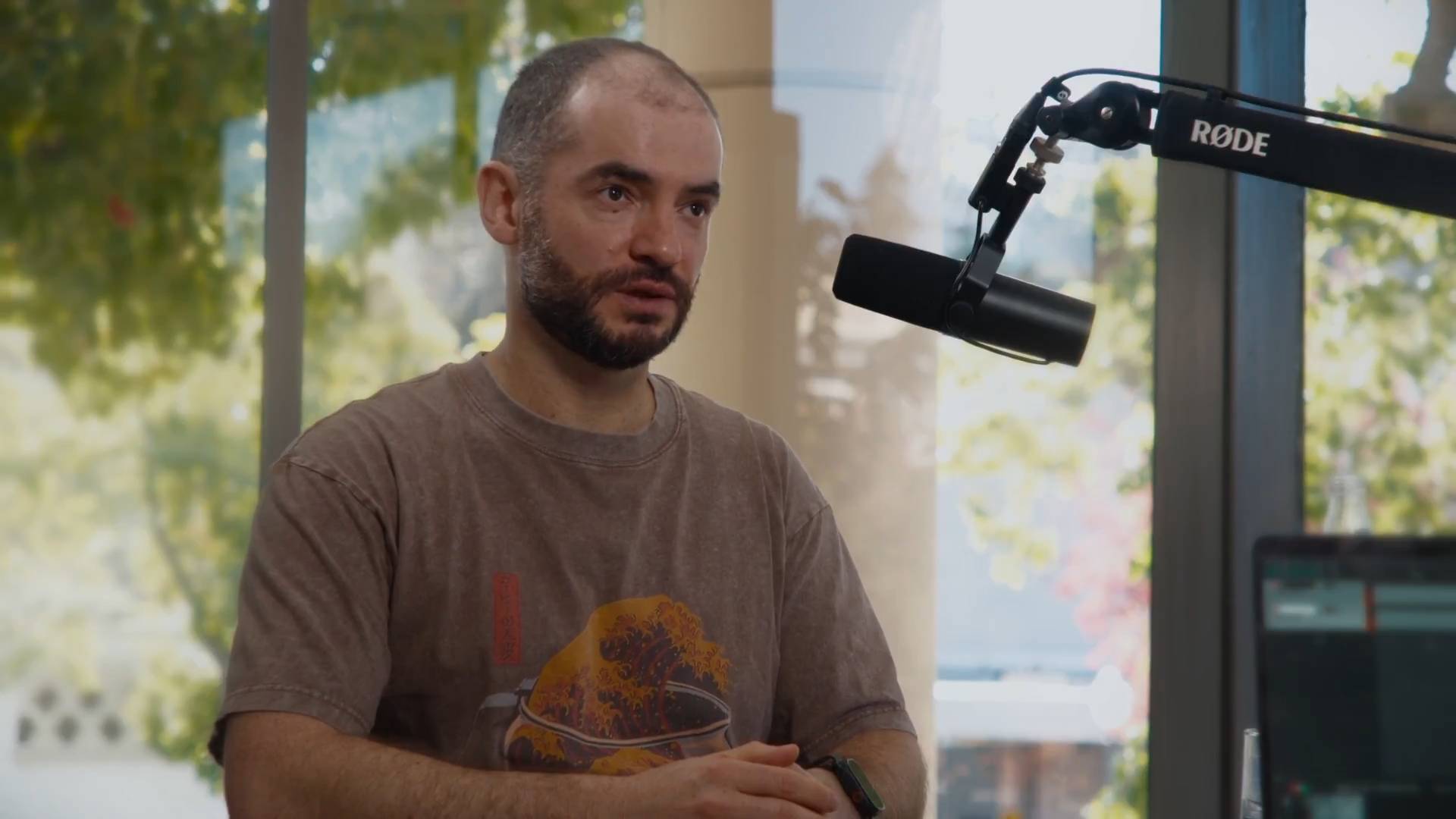
在隐退许久并创立新公司 SSI(Safe Superintelligence)后,前 OpenAI 首席科学家 Ilya Sutskever 用一种极其冷静的语调,宣告「Scaling 的时代结束了,我们重新回到了研究时代。

最近一场 Ilya 与 Dwarkesh Patel 的深度对话中,他不仅给出了,对于 AI 未来的技术路线图,更重要的是,他深刻地回答了,为什么现在的 AI 即使再强,也依然不像人。

🔗 播客链接:https://x.com/dwarkesh_sp/status/1993371363026125147

为什么 AI 是个高分低能的优等生

我们总觉得现在的 AI 很强,它们能在编程竞赛、数学竞赛、各种榜单上拿金牌,每次有新的模型发布,也是一次次刷新着各种 benchmark。但 Ilya 指出了一个让他感到困惑的现象。
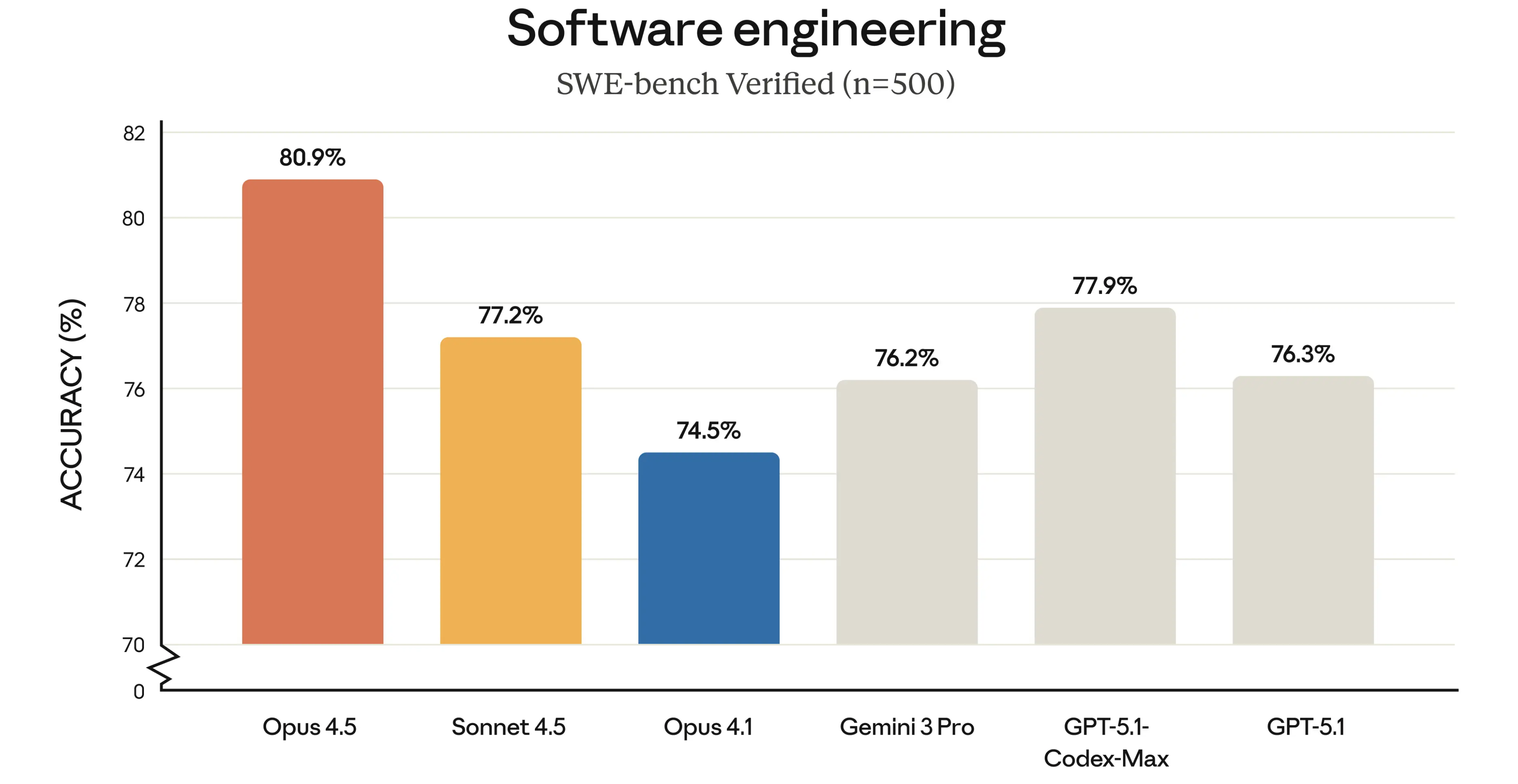
▲ 最新发布的 Claude 4.5 Opus 模型,在编程相关的榜单,已经拿到了 80.9 分

他说我们在用 vibe coding,要 AI 写代码时,AI 可能写到某个地方,出现了一个 Bug。我们直接告诉它:「这儿有个错误。」AI 会说:「天呐你是对的,我马上改。」 然后它解决了这个 Bug,又引入了另一个 Bug。 你再指出,它又改回了第一个 Bug。 它就在这两个 Bug 之间无限循环,显得极其笨拙。

他的解释提到了这说明 AI 的「泛化能力(Generalization)」出了问题。为了解释这个词,Ilya 用不同的学生打了一个比方。

想象两个学生都在学编程,学生 A 代表 AI, 极其刻苦,练了 10000 个小时。他背下了所有的题库,记住了所有的解题套路。考试时,只要见过类似的题,他就能拿满分。

学生 B 代表人类,他只是觉得编程竞赛很酷,花了 100 个小时练习,但他真正理解了编程的逻辑,拥有了某种直觉,也能做得很好。长期来看,谁会在职业生涯中走得更远?他说一定是学生 B。

而现在的 AI 就像学生 A。所谓的智能,很大程度上是靠海量数据强行记忆出来的;它们在特定问题的庞大、增强数据集上过度训练,使它们在任务上表现出色,但不一定擅长泛化到其他领域。

一旦遇到训练数据之外的微小变动,比如修复一个重复出现的 Bug,它缺乏那种举一反三的泛化能力。

从堆算力回归拼创意

但这种海量数据的训练方式也不是完全没有用。在过去五年里,AI 行业的发展基本上都是遵循着所谓的「规模定律 Scaling Law」,从一开始的还是以百万参数来衡量的大模型,现在都来到了万亿参数。GPU 显卡算力的消耗,规模更是未雨绸缪,要卷上天际。
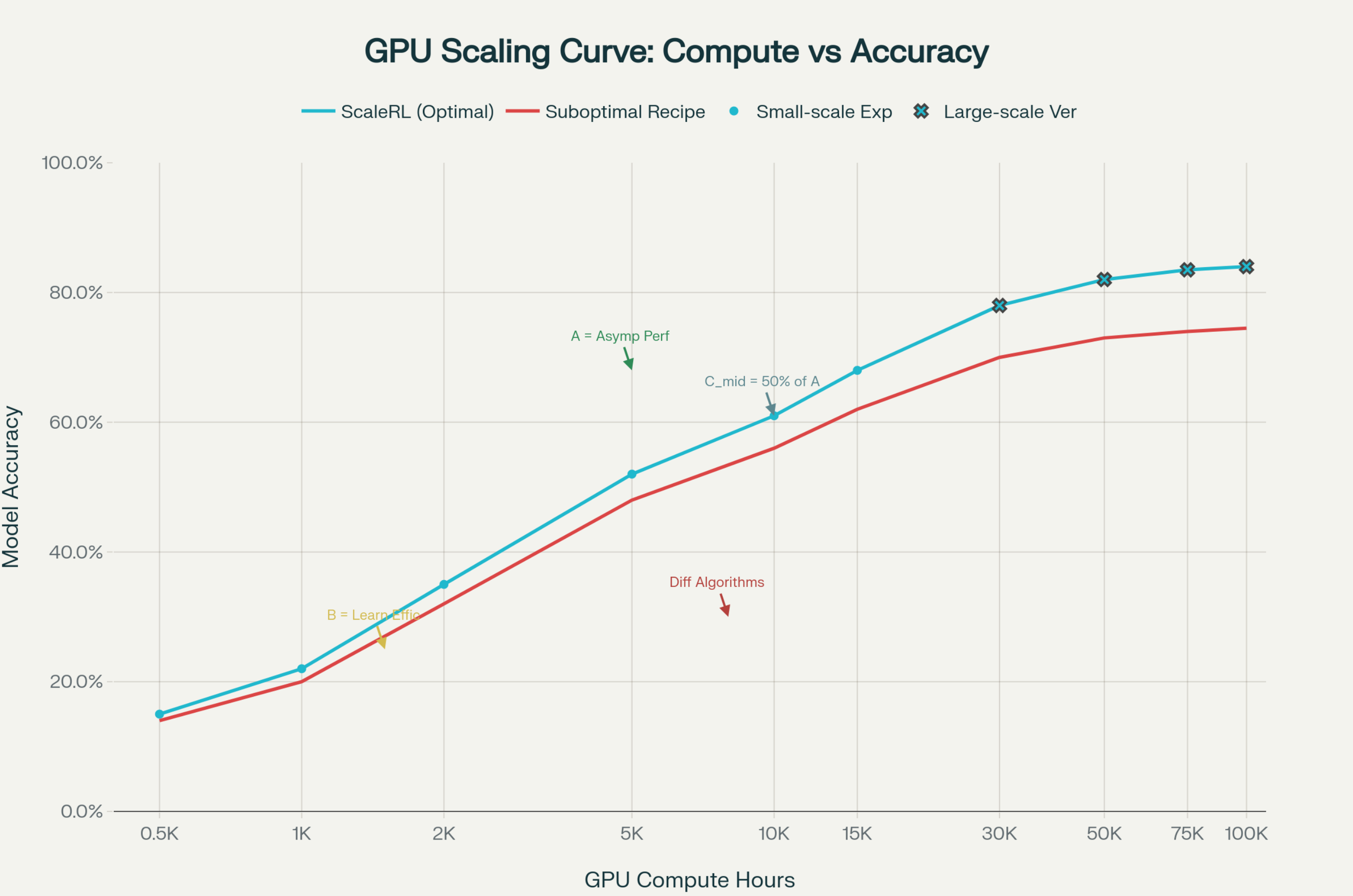
这种把一定量的算力,和一定量的数据混合进一个神经网络里的方案,也成了所有大模型开发的必备流程,即预训练。在预训练阶段,不需要思考用什么数据,因为答案是所有数据,它是人类投射到文本上的整个世界。

而 Ilya 认为,「Scaling」这个词,本身就固定了我们的思维。它暗示着我们只需要做一件事:加算力,加数据,保持配方不变,把锅搞大一点,就能做出好菜。

他说这样的法则,让大公司很舒服,因为这是一种「低风险」的投资。相比于需要灵感和运气的研究,大公司不需要雇佣科学家去苦思冥想,只需要「加数据、加算力」,而模型变强的结果是可预测的。

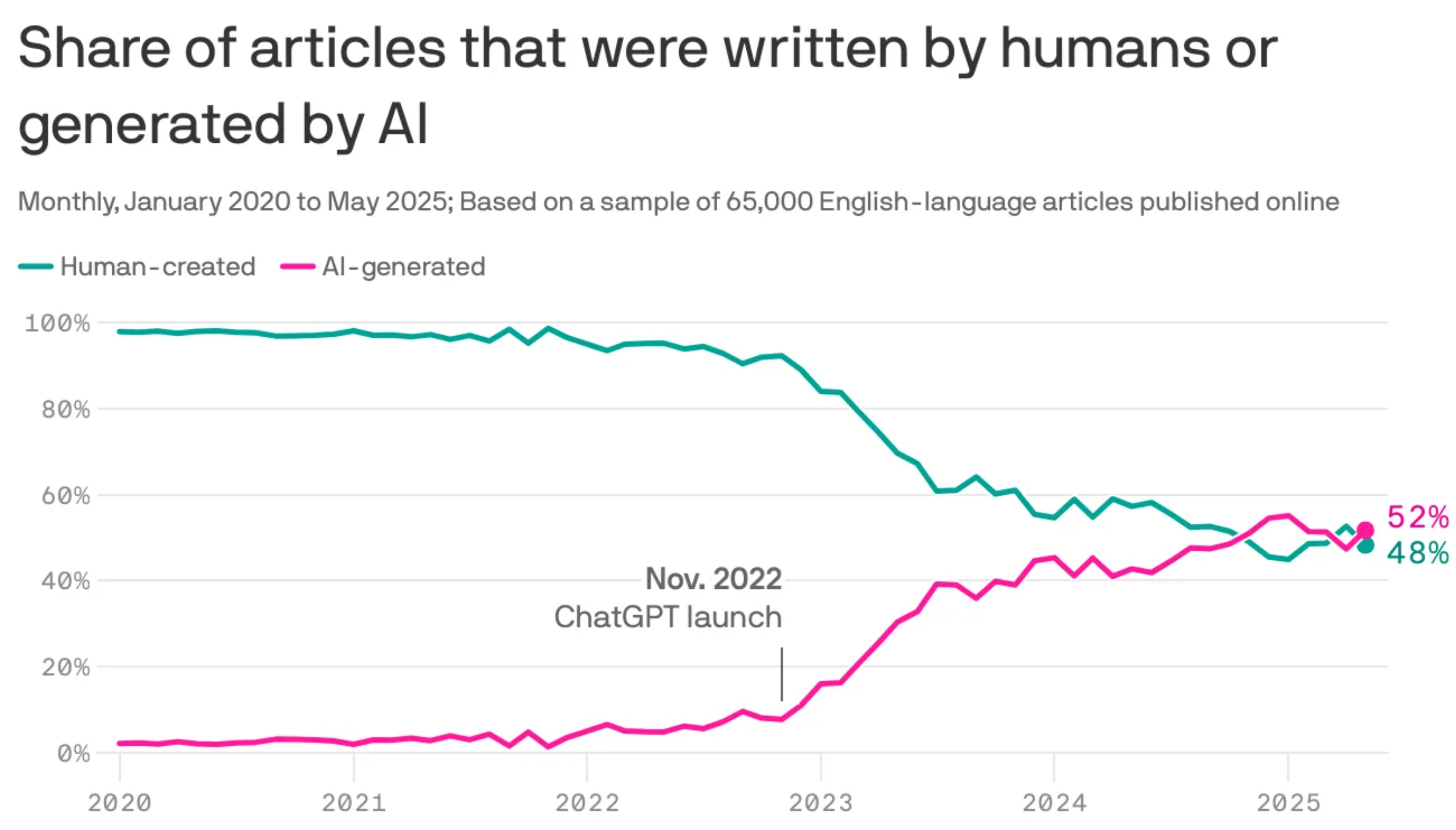
但现在,瓶颈来了。数据不够了,预训练数据,我们的互联网文本语料是有限的,而且已经快被用光了;有专门的研究结构统计过,现在互联网上 AI 内容的比例,已经是超过我们人类输出的内容。
其次是边际效应,把模型再做大 100 倍,也许会有提升,但不会带来质变。

Ilya 也提到了最近在 X 上,有人说 Gemini 3 似乎解决了预训练的一些问题。而此前 The Information 也曾报道奥特曼担心 Google 的发展会影响 OpenAI,甚至已经让他感受到压力。

其中一部分的原因,正是 GPT-5 的推出,遇到了预训练上的问题,即随着预训练数据的增加,模型并没有像之前一样表现出智能的提升。反而 Gemini 确找到了突破的方法,奥特曼在内部备忘录里说,OpenAI 也必须解决预训练的问题,或许才能再次超过 Google。
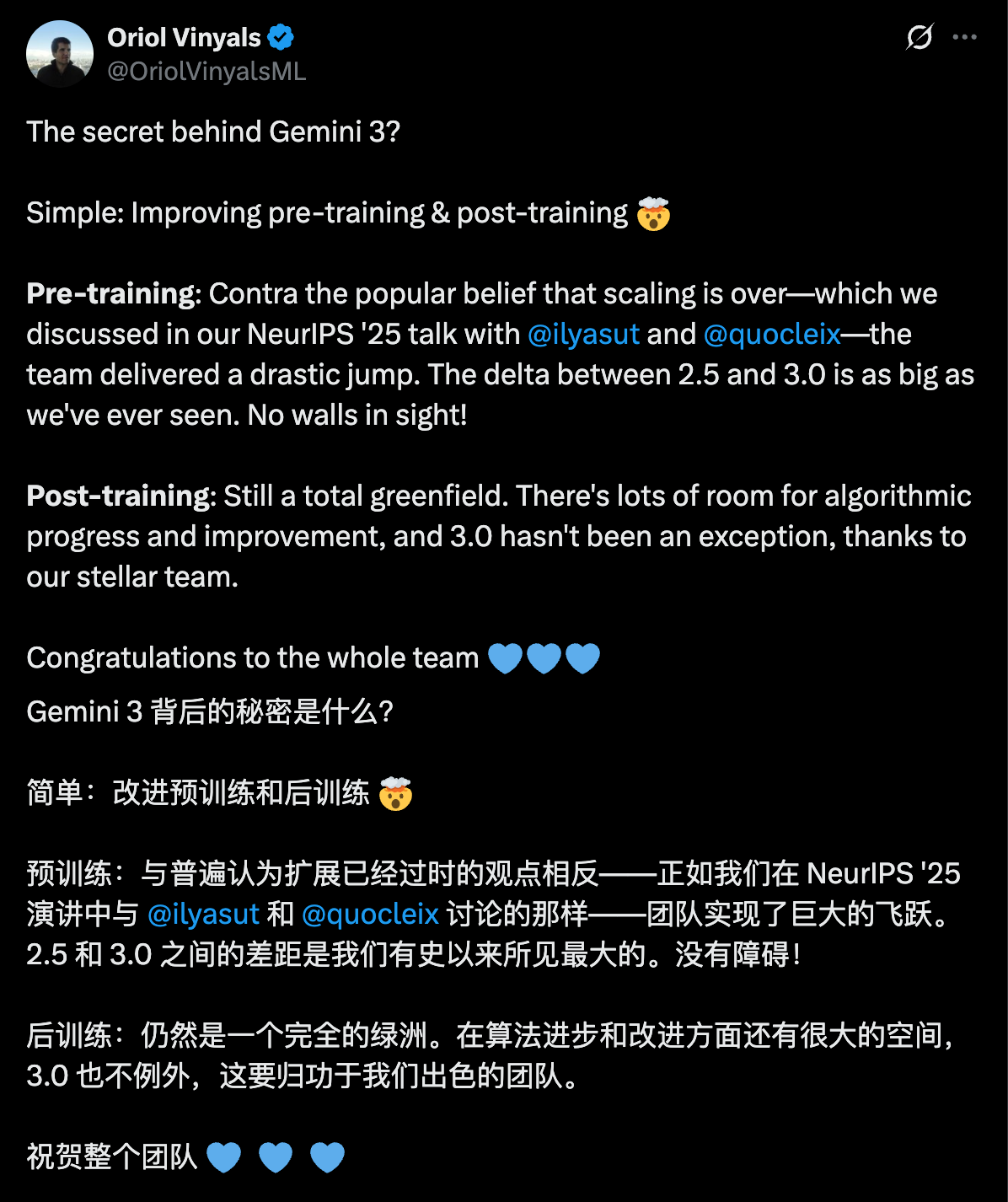
▲ Google DeepMind 研究副总裁 Oriol Vinyals 提到 Gemini 3 的秘密,是解决了预训练的问题

我们回到了研究时代。只不过这一次,我们有了更大的计算机。

Ilya 把过去这段时间的研究,分成了两个阶段。2012 年到 2020 年是研究时代,大家都在试错,寻找新方法。而 2020 年到 2025 年,是扩展时代,大家都在盲目扩建,算力在扩建,越来越多的 AI 公司在出现。

而现在,单纯的大力出奇迹已经行不通了,或者说单纯靠 Scaling 的红利吃尽了,我们又回到了研究时代。只不过这一次,我们是在用 Scaling 时代建立起来的巨型计算机来做研究,这是一个有着大型算力的研究时代。

总的来说,Ilya 并没有否认预训练和 Scaling 的巨大成功,但他认为这是一种用钱换智能的,低风险暴力美学,而现在这种模式已经触到了天花板,AI 行业必须回归到拼想法、拼直觉、拼创新的硬核研究阶段。

寻找直觉:AI 缺失的那块拼图

如果单纯的数据堆叠无法产生真正的智能,那人类的秘诀是什么?Ilya 给出的答案是:情感(Emotions)

他提到了一个脑损伤患者的案例,这个人失去了情感能力,虽然智商正常、能言善辩,却连穿哪双袜子都要纠结几个小时。 这说明情感不仅是情绪,它本质上是一个价值函数(Value Function)。
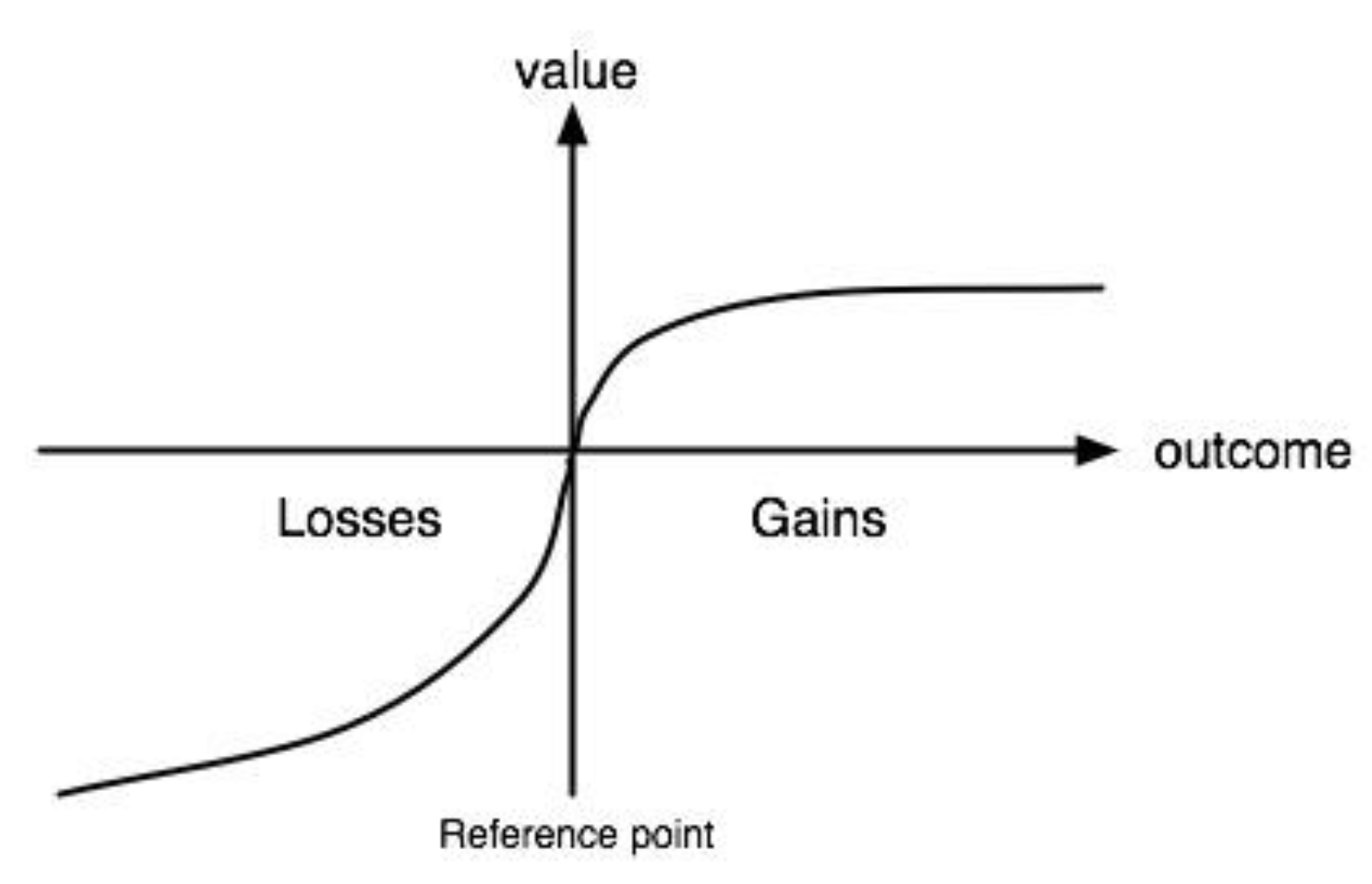
不过 Ilya 说目前没有找到很合适的概念,来类比情绪在机器学习中的角色,所以用价值函数来替代。

为了解释什么是价值函数,Ilya 提到了少年学开车的例子, 一个青少年,可能只需要练 10 个小时甚至更少,就能学会开车上路。他不需要像现在的自动驾驶 AI 那样,在模拟器里撞车几百万次才能学会避让。

为什么?因为人类自带了一个极其强大的价值函数,这个价值函数就像一个内置评价器,一旦偏离车道,我们人类会感到紧张,而这相当于一种负反馈。

那么依赖情绪的价值函数,和我们之前一直听到的强化学习,区别又是什么呢?

Ilya 说在没有中间价值函数的强化学习里,通常要等到任务彻底结束,AI 才知道自己是赢了还是输了;但价值函数就像是我们的直觉或内心评分系统。当我们下棋丢了一个子,不需要等到这盘棋下完,我们心里立马会「咯噔」一下,这步棋下错了。

那个学开车的少年,不用等到真的压线丢分了才会改正,而是只要开得稍微偏离车道,他立刻会感到紧张或不自信。这种实时的、内在的反馈机制,让他能极其高效地从少量经验中学习。
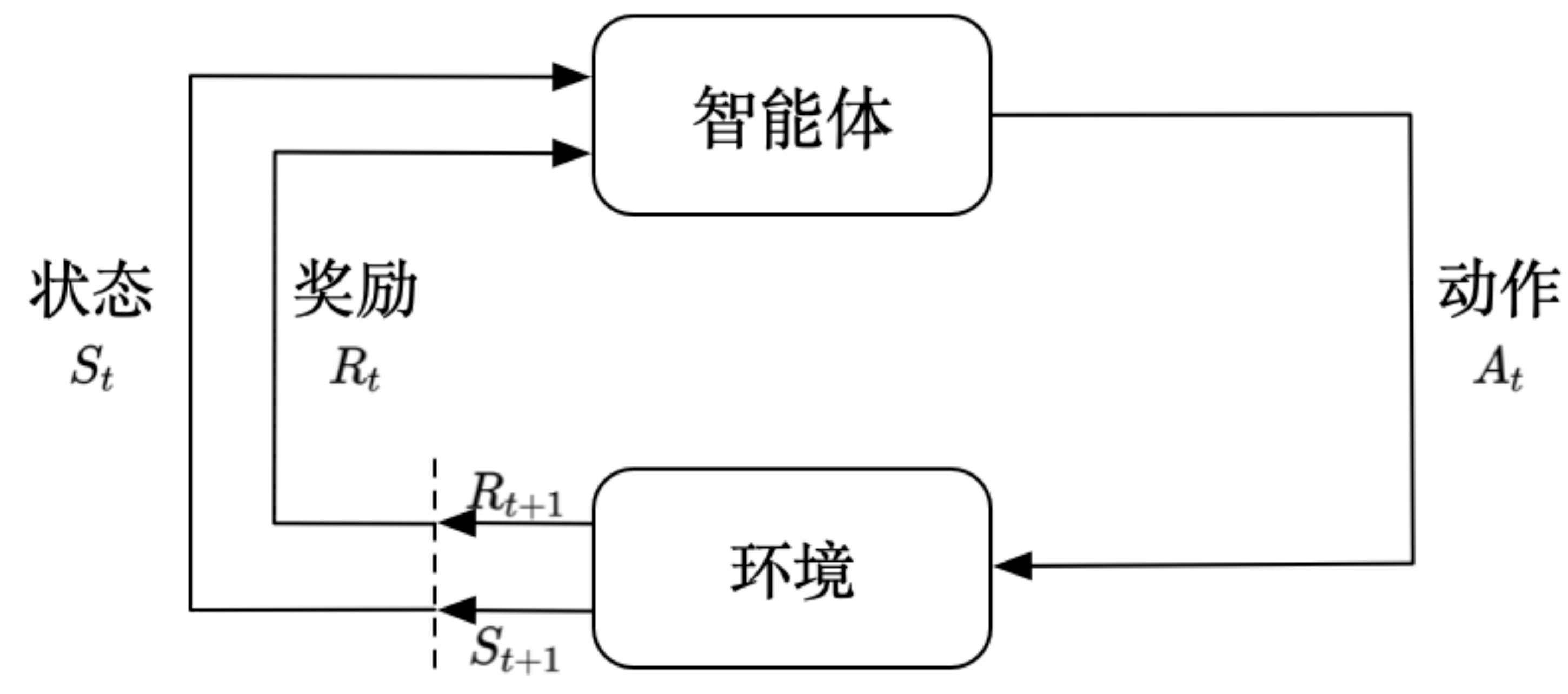
对于传统的强化学习,他的看法是这是一种天真且低效率做法。在传统的强化学习中,模型需要尝试成千上万次动作或思考步骤,直到产出一个最终的解决方案,然后根据这个最终结果的好坏获得一个评分,即训练信号。

这意味着在得出最终解之前,模型完全没有进行任何学习。这种方法需要消耗大量的计算资源来进行漫长的推演,但每次推演带来的学习量却相对较少。

而价值函数不需要等到最后,它能提供中间过程的评价;在每一步都给出信号,指引方向,从而极大地压缩了搜索空间,提高了学习速度。

目前的 AI 缺乏这种高效的内心评分系统。如果我们能让 AI,拥有类似人类情感或本能的价值判断能力,它就能摆脱对海量数据的依赖,真正像人一样高效学习。

Ilya 的下一步是直通超级智能

既然认定了拼算力的时代已经过去,而强大的价值函数或许又会成为新的 AI 方法,那 Ilya 的新公司 SSI(Safe Superintelligence)打算怎么做?

他的答案带着一种极其理想主义的色彩,直通超智能,他们选择去攻克那个最根本的难题,实现可靠的泛化

Ilya 直言,现在的 AI 行业陷入了一场老鼠赛跑。为了在市场竞争中存活,公司被迫不断发布半成品,被迫在产品体验和安全性之间做艰难的权衡。SSI 想要做的是从这种商业噪音中抽离出来,闭门造车,直到造出真正的超级智能。

但有趣的是,Ilya 这种「闭关修炼」的想法正在发生动摇。他开始意识到,渐进式发布可能才是安全的必经之路。

为什么?因为人类的想象力是贫瘠的。如果你只是写文章、发论文告诉大家AI 会很强,大家只会觉得这是科幻小说。只有当人们亲眼看到 AI 展现出某种令人不安的力量时,所有人、包括竞争对手,才会真正感到害怕,从而变得更加关注安全 。
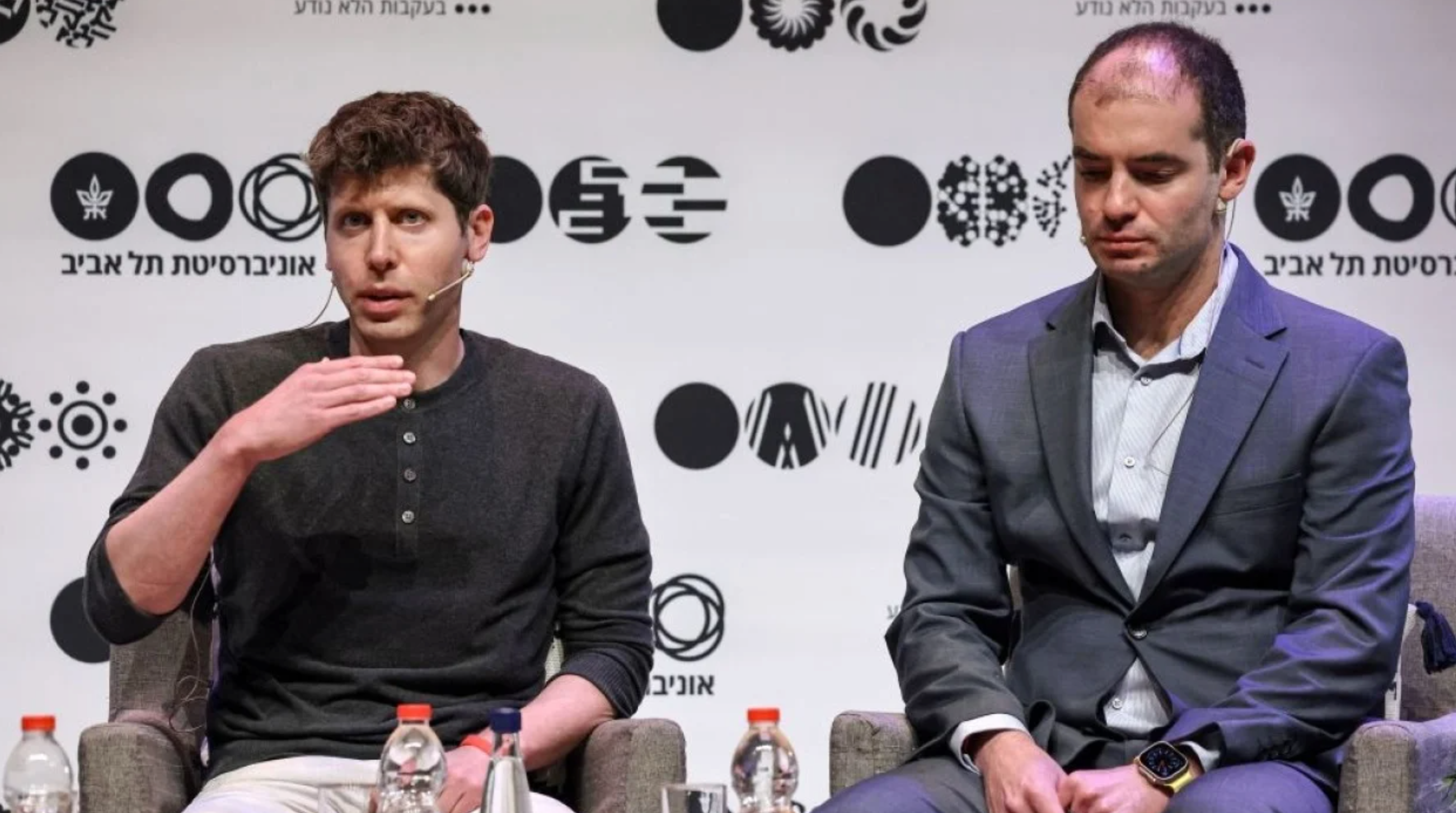
Ilya 预言,随着 AI 变得越来越强,现在打得不可开交的科技巨头们,最终会在 AI 安全策略上走向趋同。

播客里他也提到了,SSI 与 OpenAI、Google 那些大型实验室相比,虽然筹集的资金较少,但用于纯研究的计算能力比表面上看是更多的。他说那些大公司将大量的计算资源用于产品推理,并拥有庞大的工程和销售团队,导致其资源分散。Ilya 认为 SSI 拥有足够的计算能力,来证明其想法是正确的。

当被问及盈利模式时,Ilya 只是淡淡地说,我们只专注于研究,赚钱的问题以后自然会有答案。主持也提到了之前 SSI 的前 CEO(联合创始人)选择了离开,然后加入 Meta,在 Meta 希望收购 SSI 时。

Ilya 特意澄清,「他是唯一一个去 Meta 的人。」 他建立 SSI 不是为了在商业市场上套现,而是为了那个唯一的、纯粹的目标,在那个不可逆转的奇点到来之前,把安全的超级智能造出来。

重新定义 AGI,一个 15 岁的少年

那我们距离 AGI 还有多远?Ilya 给出的预测是 5 到 20 年。

但他提醒我们要警惕「AGI」这个词。因为预训练模型让我们产生了一种错觉,以为 AGI 就是一个什么都懂的百科全书。但 Ilya 心目中的超级智能,更像是一个绝顶聪明的 15 岁少年。

这个少年可能还没学过法律或医学,但他拥有极致的学习效率。你让他去学医,他可能几天就能读完人类所有的医学文献,并开始做手术。

而在这一愿景中,最让人细思极恐的概念是融合(Amalgamation)。
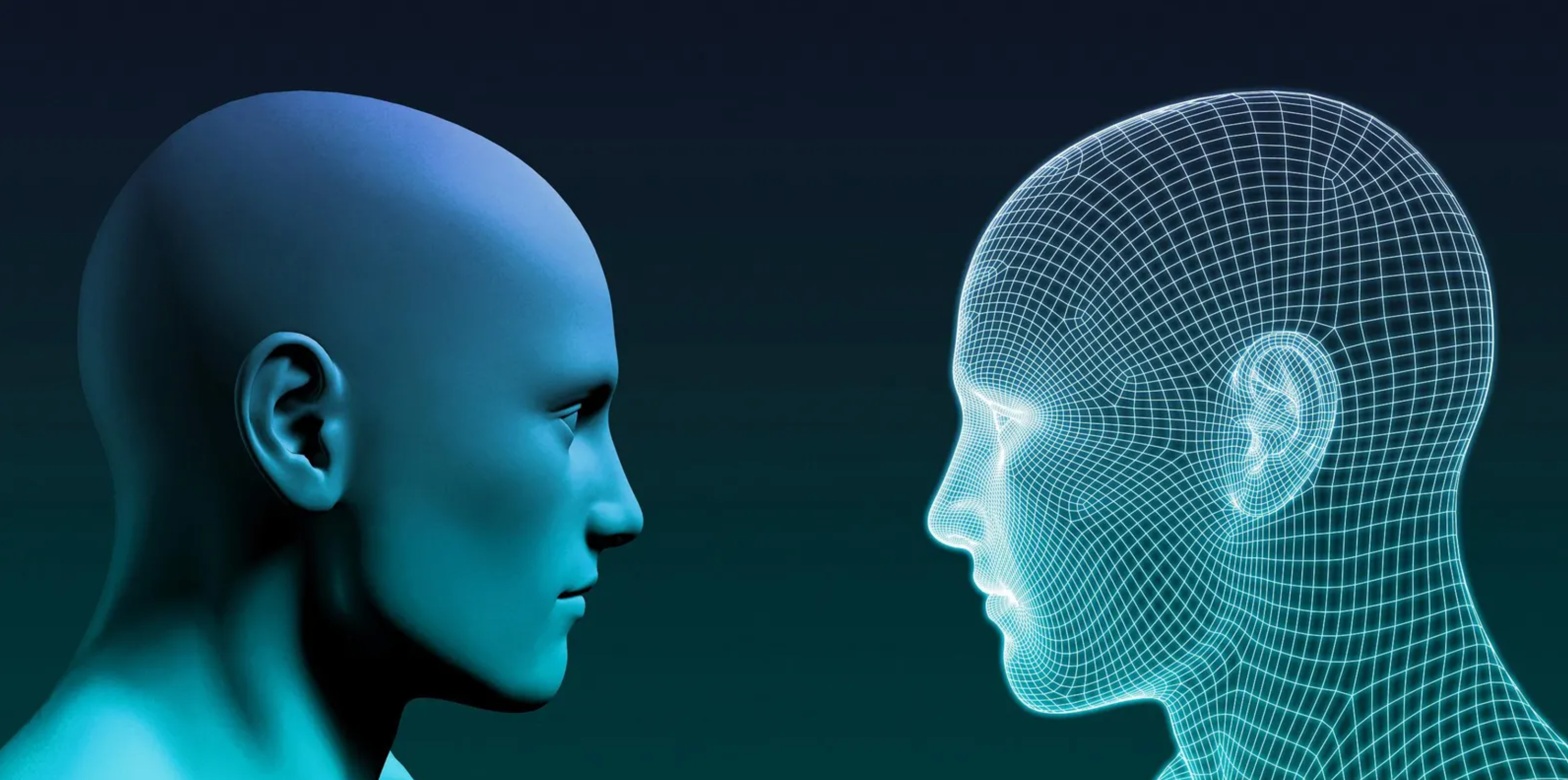
人类的悲哀在于知识无法直接复制。这个人学会了开车,另一个人还是得从头练起,但 AI 不一样。Ilya 描述了一个场景,数百万个 AI 分身在经济体的不同角落工作,有的在写代码,有的在打官司。它们在各自学习,然后将所有的经验融合进同一个大脑。

这种集体进化的速度,才是他所认为的 AGI。

面对这样一个能够瞬间融合万千经验的超级大脑,人类又该何去何从?
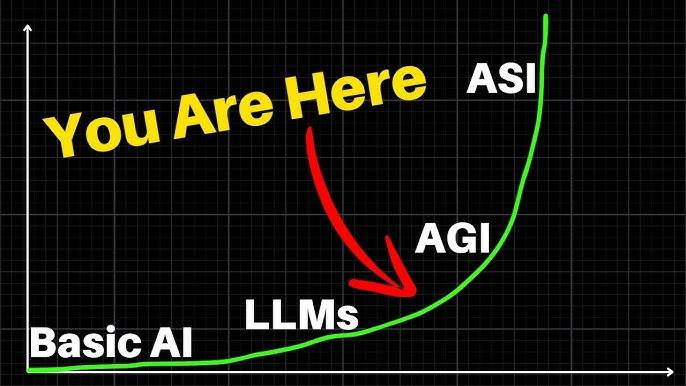
Ilya 给出了两个层面的思考。首先是给 AI 的设定。不要只让它爱人类,因为这太狭隘了。未来的 AI 自己也将是有知觉的生命体,应该利用同理心的原理,让它关爱所有有知觉的生命,可能是比代码更稳固的安全防线。

其次是人类的退路。如果每个人都有一个比自己聪明百倍的 AI 智能体,人类会不会沦为历史的旁观者?Ilya 给出了一个他坦言「自己并不喜欢,但可能是唯一解」的答案:脑机接口(Neuralink)。

只有当人类选择与 AI 融合,让 AI 的理解直接变成我们的理解,我们才能在那个奇点之后,依然是这个世界的主角。

播客的最后,Dwarkesh 问了那个所有人都想问的问题:作为 AI 领域的传奇,你是如何一次次押对方向的?
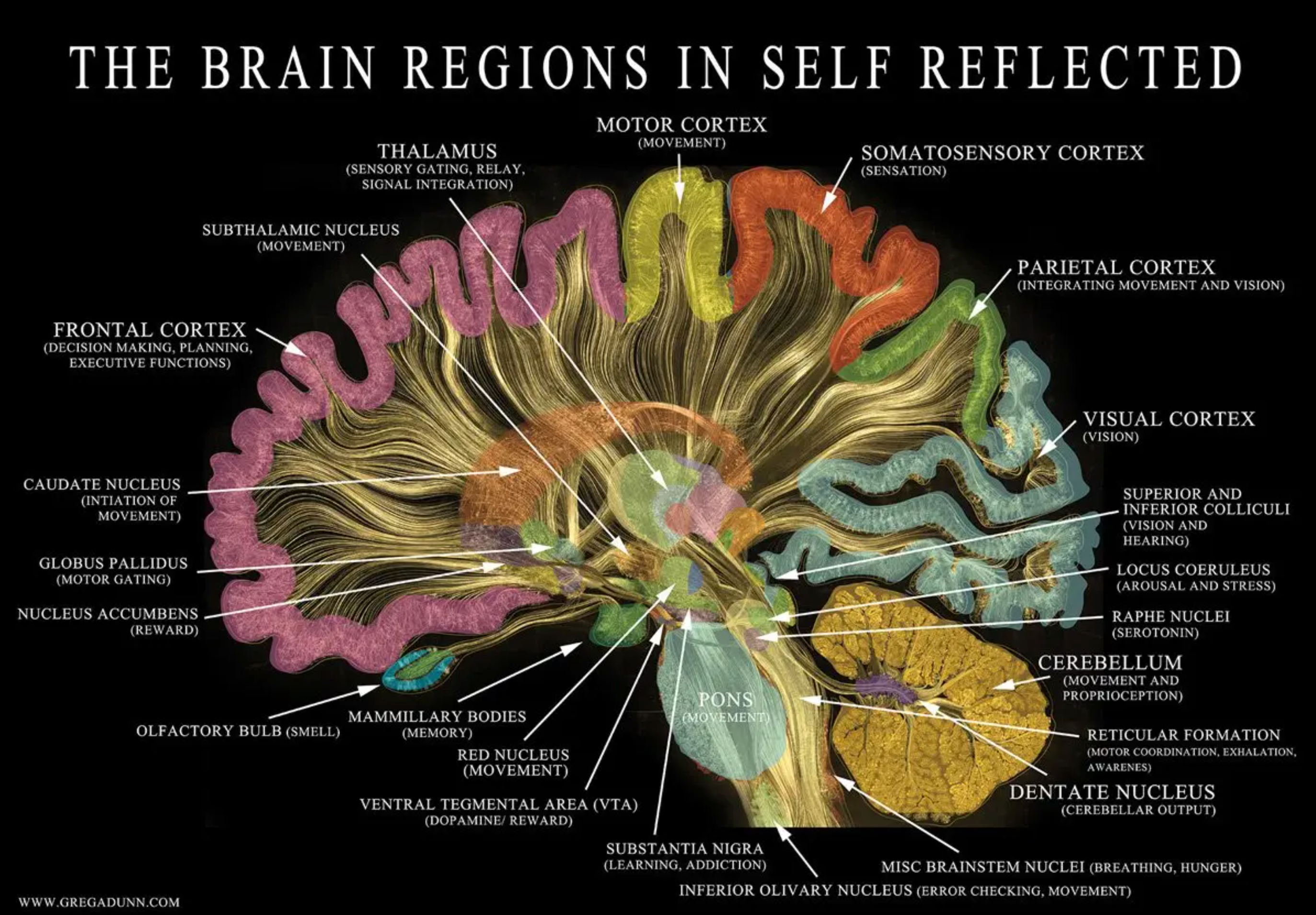
Ilya 的回答很像个艺术家:「寻找美感。」

在那些数据都不支持你的至暗时刻,唯有对美、简洁和生物学合理性的自上而下的信念,能支撑你走下去。因为神经网络模仿了大脑,而大脑是美的,所以它一定是通往智能的正确道路。

这或许就是 Ilya 所说的「研究时代」最需要的品质:在算力之外,保留一份对智能本质的诗意直觉。

#欢迎关注爱范儿官方微信公众号:爱范儿(微信号:ifanr),更多精彩内容第一时间为您奉上。

爱范儿 | 原文链接 · 查看评论 · 新浪微博


❌