Gerry McCann says hounding by press took 'huge toll' on family
Madeleine McCann's father is calling for greater scrutiny of the UK's media, complaining that his family was subjected to "monstering" by sections of the press.
He said the media "repeatedly interfered with the investigation" into his daughter's disappearance in 2007 and believes this has hindered the search for her.
Gerry McCann told BBC Radio 4's Today programme that more than a year on from Labour coming into power, "press regulation is no longer a priority".
He wants a resumption of the cancelled second phase of the Lord Leveson Inquiry, which would have examined unlawful action by the media, plus journalists' relationships with politicians and police. It was scrapped by the Tories in 2018.
Madeleine's disappearance during a family holiday in Portugal has never been solved.
In a rare interview, Mr McCann said that for months after her disappearance his family had "journalists coming to the house, photographers literally ramming their cameras against our car window when we had two-year-old twins in the back who were terrified".
"We are lucky we survived. We had tremendous support - but I can promise you, there were times where I felt like I was drowning. And it was the media, primarily," he told the BBC.
"It was what was happening and the way things were being portrayed, where you were being suffocated and buried, and it felt like there wasn't a way out."
Mr McCann and his wife, Kate McCann, are among more than 30 people to have signed a letter being sent to Prime Minister Sir Keir Starmer and calling on him to reverse the decision not to hold the second phase of the Leveson Inquiry.
Madeleine McCann disappeared in 2007, then aged three
The letter, seen by the BBC, requests a meeting with the prime minister, saying: "We understand that you recently had time to meet News Corp chairman Lachlan Murdoch.
"We hope you will now meet with some of the British citizens whose lives have been upended by the illegal practices and abuses associated with his company."
Mr McCann told the Today programme: "It's quite obvious that press barons can meet the prime minister, but the people who have suffered at the hands of them can't."
News UK, the UK branch of News Corp, declined to comment.
The first part of the Leveson Inquiry was held from 2011 to 2012, in the wake of the phone-hacking scandal.
Its findings were published in 2012, and led to the creation of the industry-funded press regulator Ipso.
Mr McCann told the BBC that the inquiry's second phase had "almost certainly" not happened because he believes that politicians in the UK are fearful of the press.
PA Media
Lord Leveson's report in 2012 recommended a self-regulation body for the press
He said that in the run-up to last year's general election, Labour politicians had committed to implementing the recommendations made in the first part of the Leveson Inquiry, and that he was "extremely disappointed" that they hadn't done so.
"We're over a year into the government, and there haven't been any changes," he said.
"It's not acceptable to me now, more than a year on, that Leveson and press regulation is no longer a priority."
A DCMS spokesperson told the BBC it "recognises that for victims and their families, incidents of harassment and intrusion from the media cause significant distress".
"The Culture Secretary has met with individuals and families who have experienced this intrusion in the past and the government is committed to ensuring that these failings are never repeated," they said.
'We put our morals aside'
Mr McCann added that he and his wife had "supped with the Devil" by working with the Sun in 2011, in order to have the investigation into Madeleine's disappearance reviewed - illustrating the newspaper's influence.
"There was a front page letter published in The Sun, and [then-prime minister] David Cameron ordered the review," he said.
"That's the power they had. So we put our morals aside to work with them to achieve what we wanted."
Criticising media coverage of the investigation, he said: "Published material which should have been confidential, should be passed on to the police, witness statements, many other things that have gone out," he said.
"So if you were the perpetrator, you knew a lot more than you should have done - and as a victim, as a parent, it's absolutely dismaying."
'Making stories up'
Mr McCann gave a witness statement at the Leveson Inquiry on behalf of himself and his wife in November 2011.
In it, he described news outlets "making stories up" about them, as well as a "sustained, inaccurate and malicious series of headlines in a number of papers which gave the impression that we were in some way responsible for or involved in Madeleine's disappearance".
He also said around the time their daughter disappeared, the now-closed News of the World newspaper had published complete transcripts from Kate McCann's personal diary.
That diary had been seized by police in Portugal as part of their investigation into Madeleine's disappearance, and the couple were "unsure as to how the [News of the World] obtained a copy", the inquiry heard.
In his interview with the Today programme, Mr McCann said: "Madeleine's been missing for 18 years, and the bottom line is, we still don't know what's happened to her."
He added that there is "no evidence".
"I don't even mean 'convincing' evidence - there is no evidence to say she's dead," he said.
"Now we fully understand she may be dead, it may even be probable, but we don't know that."
A spokesperson for press regulator Ipso told the BBC that it can intervene directly in cases of press harassment.
"We encourage anyone with concerns about press behaviour to contact us for help," it said.
'Broken bus windows, threatened with a knife - all in a day’s work'
"Would I catch a bus? No, not out of choice now," says Andy Collett. "I feel much happier using my own car."
His sentiment isn't unusual among passengers. But Mr Collett is a bus driver.
"It can be very intimidating," he says. "I've been assaulted twice, spat at numerous times, and I've had incidents of broken windows – it's just part and parcel of the job, unfortunately."
He describes a "lawlessness" among some of the travelling public - mostly younger people - which he believes has got worse in 38 years of driving Birmingham's bus routes.
The BBC has spoken to passengers, transport staff and other bus drivers in the West Midlands about what they say is a growing national trend of antisocial behaviour on public transport.
Buses are the most commonly used form of public transport but they're also where passengers feel least safe, according to a recent Transport for the North survey.
BBC/Andy Alcroft
Andy Collett has driven Birmingham's bus routes for 38 years and says there's a "lawlessness" among some of the travelling public
One incident gives Mr Collett flashbacks.
"I was attacked by about 30 schoolkids," he says. "I had cuts, bruises. They actually bent the fingers back on my hand when I was trying to hold [the door] to stop them getting on the vehicle."
Mr Collett now mostly trains other drivers, warning them of the dangers. When he does get shifts behind the wheel, he tries to avoid routes known for antisocial behaviour.
Antisocial behaviour hotspot Chelmsley Wood in the West Midlands is a snapshot of this national problem. Its interchange has suffered vandalism and graffiti, while drivers have been threatened and buses damaged.
Security camera footage shows masked teenagers aiming barrages of fireworks at buses over Halloween and Bonfire Night.
Passenger Emma Banks, 52, says she has witnessed a similar incident.
"They [were] hitting the bus. I've got learning difficulties and sometimes it does scare you," she tells me on a cold evening, waiting in the interchange.
Ms Banks says she regularly sees overcrowding and people smoking on buses.
She can't drive so relies on public transport but, tonight, Ms Banks doesn't feel confident enough to catch the bus.
"I'll be getting a taxi because I know that I'll get home safely."
A Public Space Protection Order has been imposed at Chelmsley Wood to stop gatherings of young people and to require the removal of masks and hoods. But 17-year-old Elle Furlong says she's still afraid.
"They smash windows, purposely pull the fire alarm, light their lighters on the chairs. It's just horrendous."
The probability of becoming a victim of crime on public transport is very low - Transport for West Midlands estimates one crime for every 50,000 bus journeys. But perceptions can outweigh statistics and drive people like Ms Furlong away.
"If I can walk it, I'll walk it. If it's far enough, I'll get an Uber. If it's really far, I'll get my dad to drop me off. I avoid buses at all costs," Ms Furlong says.
BBC/Andy Alcroft
Chelmsley Wood bus station is a hotspot for antisocial behaviour
The drivers have no choice but to carry on with their jobs, although many are afraid to speak openly about the risks. Even trade union officials have refused to go on the record.
"You come to work not knowing what you're going to face," says a driver who asks to remain anonymous. "It can cause a lot of anxiety and stress. I go home sometimes and just want to break down and cry because it's a horrible job."
They describe the daily grind of disrespectful teenagers, aggressive drug addicts, even passengers defecating on the bus. Then there's the racial abuse.
"You have to hold back. I've known a few drivers who have kicked off, but then they've lost their job because of it."
I saw for myself what drivers and passengers are facing when I sat on the top deck of the 94 from Chelmsley Wood, shortly after the school bell. A group of kids soon boarded without paying.
"I've been driving buses for 33 years and it's changed," driver Neil Evans says through the screen protecting his cab. "Society has changed. No one cares anymore. They just walk onto the bus and do what they want, when they want, how they want, and nothing's done about it."
Today, Mr Evans has backup. Esha Sheemar is one of 13 Transport Safety Officers (TSOs) patrolling the West Midlands. She warns the kids if they don't behave they'll be thrown off the bus.
TSO roles were introduced in 2019. They are not police officers, but they have limited powers to tackle issues on public transport.
BBC/Andy Alcroft
Esha Sheemar is one of 13 Transport Safety Officers (TSOs) patrolling the West Midlands
Across the bus station, Ms Sheemar's colleague Lee Clarke has spotted a face from their most-wanted list: a 13-year-old accused of vandalising a bus shelter. The boy's details are taken but he is allowed to get on the bus, as Mr Clarke's limited powers mean he'll need to pass the case to police officers.
TSOs are funded by the Combined Authority and belong to the West Midlands Safer Travel Partnership, which includes West Midlands Police, British Transport Police, as well as bus and train companies.
At its control room in the city centre, hundreds of screens flicker with security camera images from stations and interchanges across the region's roads and rail lines; they can even get live pictures from most of the buses.
Kerry Blakeman is head of security for the West Midlands Safer Travel Partnership and says they have access to more than 5,000 fixed cameras. He says his staff capture about 30 incidents each day, although he is keen to stress millions of journeys are safe and uneventful.
"We are trying to do our best to keep the travelling public safe. Behind each camera is an operator looking out for your safety whilst you travel around the bus, train and tram network."
Last summer, a teenager was filmed threatening people at Chelmsley Wood bus station with a machete. He was identified and sentenced to six months in juvenile custody.
The footage of the firework attacks has been handed over to West Midlands Police - and efforts to trace the hooded youths are ongoing.
BBC/Andy Alcroft
'Behind each camera is an operator looking out for your safety whilst you travel,' says Kerry Blakeman, head of security at West Midlands Safer Travel Partnership
Bus driver Bryan Cook recently called police after being threatened with a weapon while working. It was one of four times in the past three months that he's phoned for assistance while driving the 72 bus to Chelmsley Wood.
On this chilly evening, he takes his chance to tell the TSOs how their timetable fails to match that of the vandals. "Where are you on the weekends? Where are you on school holidays?" he asks.
TSO Mr Clarke starts to reply, but the driver has more to say.
"We're the ones getting threatened, we're the ones getting stuff thrown at us, broken windows. Where are you lot?"
Mr Clarke emphasises the importance of reporting incidents so patrols can be targeted in problem areas.
"We keep telling everyone. No one does anything," says Mr Cook, in exasperation.
It outlines the challenge for a small team covering such a large area. The number of TSOs doubled a year ago and is set to rise to 25 across the West Midlands. Some areas have similar teams - and others have piloted them - but many places are uncovered, relying on the police. Bus routes can be especially vulnerable.
The anonymous bus driver questions the effectiveness of Transport Safety Officers and urges more support from their employer.
"They [management] know what goes on. Do they care? I don't know. Doesn't feel like it, to be fair."
National Express West Midlands told the BBC that all reports of antisocial behaviour or crime are "fully investigated to ensure perpetrators are held accountable, to identify any learnings, and to provide support for those affected".
It added that antisocial behaviour "will always be a subject we need to keep challenging and working on".
The UK government's recent Bus Services Act allows local authorities to apply for extra powers to deal with issues such as smoking, vaping and fare evasion, the sort of problems TSOs can tackle already on trains.
The legislation also requires bus drivers to receive training in dealing with antisocial behaviour and spotting the signs of harassment and abuse faced by women and girls.
The Department for Transport told the BBC that abuse of passengers and staff is "unacceptable" and pointed to the new powers the Bus Services Act will give to help tackle antisocial behaviour.
Transport for West Midlands promises greater use of drone cameras and AI technology, capable of recognising known troublemakers and even identifying concealed weapons. It recently launched a campaign prioritising the safety of women and girls.
Mr Blakeman insists his team is having a positive impact but says he recognises passenger confidence is fragile.
"I respect why some members of the public wouldn't feel comfortable travelling, but I want them to know that we're actually doing everything we can behind the scenes."
Back on the 72 bus, Mr Clarke is trying to restore Mr Cook's faith. He promises someone will make contact to explain their role and discusses the most efficient way to flag issues.
The West Midlands Safer Travel Partnership is regarded as a model of good practice. And yet, this frosty exchange reveals a clash of perspectives – one that speaks of "intelligence-led tasking" and "visible reassurance"; the other of lone working under the stark reality of sustained abuse and the risk of attack.
Mr Cook sums it up like this: "Two weeks ago I had two windows broken on my bus, I got threatened with a knife - and that's all in a day's work".
Watch: Trump claims "prices are coming down" as he rallies on affordability
President Donald Trump has told a campaign-style rally that consumer prices are falling "tremendously" as he sought to allay voter anxiety about the US cost of living.
In a speech at a casino in the battleground state of Pennsylvania, the president told supporters he had "no higher priority than making America affordable again".
But while gas and egg prices have fallen, other food is more expensive and Americans remain unhappy about the cost of housing, childcare and healthcare.
Democrats have capitalised on Trump's political vulnerability on the economy in recent off-cycle votes, leaving many Republicans uneasy about next year's midterms elections.
Tuesday's event in a swing district of Pennsylvania was the first of what the White House says will be a series of campaign-like rallies aimed at bringing its economic message to voters.
But at one point in his remarks, the Republican president again portrayed concerns about affordability as a Democratic "hoax".
In recent weeks, his administration has removed tariffs from dozens of food products and touted its rollback of fuel efficiency standards and Trump-branded retirement accounts for children as cost-of-living fixes.
In an excerpt from an interview with Politico released on Tuesday, Trump was asked what grade he would give the economy.
"A plus-plus-plus-plus-plus," he said.
In a sign the policy pivot might be cutting through, Trump's approval rating rose three points to 41% in a new Reuters/Ipsos poll.
Charlie Neuenschwander
Alaina Hunt was laid in off in April
But many Americans remain downbeat on the economy.
Alaina Hunt, 37, who lost her job as a designer at a construction company in Oklahoma City, told the BBC her position was in part a casualty of Trump's tariffs on steel and aluminium.
The construction sector "really took a hard hit very early on", she said. Ms Hunt says she has applied for at least 75 jobs in web design and development since April, to no avail, amid a broader slowdown in hiring.
She says rising grocery bills - about $25 extra per week - have added to the strain.
"I was able to scrape by a lot easier in years before," said Ms Hunt, who voted for Kamala Harris. "I don't think that the federal government is listening at all."
Economic data paints a mixed picture.
US consumer confidence fell in November to its lowest level since the spring.
But the stock market continues to hover near record highs. And forecasters expect the economy to expand by 1.9% this year, slower than last year's 2.8% but still better than expected.
Some recent data also indicate the job market may be picking up, after a significant hiring slowdown earlier this year.
As of September, inflation stood at 3%, the same rate as in January when the president took office and stubbornly above the Federal Reserve's 2% target.
It is still way below a peak of 9.1% under former President Joe Biden when the US faced its worst inflation in four decades.
Overall prices have surged 25% over the last five years, generating widespread frustration, despite wage growth over that period.
Beth Richardson
Beth Richardson, a 45-year-old from Kansas, said she had been floored by some of the prices at the grocery store near her, recalling a pack of Mentos gum she picked up recently that rang up to almost $5 with tax.
"I'm like, I'm just going to go die now because this cannot be," she said.
Ms Richardson was laid off from her job in sales support at a tech-related company in late 2023, after the firm shifted jobs overseas. She voted for Kamala Harris last year.
She said while she knew presidents were often blamed for economic forces over which they had little control, she felt in this case Trump and his policies, like tariffs, were "shooting ourselves in the foot".
On Tuesday night, Trump called tariffs his "favourite word", pointing to hundreds of billions of dollars of US revenue from import taxes.
The White House blames Biden and the Fed, arguing high interest rates are hurting the economy.
The US central bank has twice reduced rates to about 3.9% and may cut them again on Wednesday.
Many Trump supporters have said they still back the president, despite feeling the pinch themselves.
John Mohring, 60, of Kenosha, Wisconsin, has backed Trump since 2016, though rising prices worry him.
Mr Mohring, who works in construction and has lived alone since his wife died three years ago, said grocery prices started rising before Trump returned to the White House "and it doesn't seem like it's going down".
He now typically spends $100 on groceries just for himself, even when avoiding buying meat and sticking with cheaper items.
Still, Mr Mohring said he backed the Trump administration's sweeping tariffs on imported goods and his border policies.
"I'm giving him the benefit of the doubt," Mr Mohring added.
Brad Smith, a corn and soybean farmer in north-western Illinois, was hurt earlier this year when China, previously a major buyer of US soybeans, froze its purchases amid a trade war with Washington.
But the market, he said, had been gradually recovering since late October, when the two countries reached a trade agreement and China resumed some purchases.
Trump on Monday also announced a $12bn aid package for US farmers.
Mr Smith said he still believed in Trump's plans for the economy, despite being getting caught in the crossfire.
"There's probably bigger things at play other than just the soybean and corn market," Mr Smith said.
Simmering tensions between Thailand and Cambodia have once again exploded along the border - derailing a fragile ceasefire backed by US President Donald Trump.
At least three Thai soldiers and seven Cambodian civilians have been killed since Monday, with both sides accusing each other of starting the violence.
The clashes - which have seen Thailand launch airstrikes along the border - are the most serious since a ceasefire was first agreed in July.
On that occasion, at least 48 people were killed, and thousands were displaced following five days of fighting.
Trump then intervened and, with the help of Malaysia, negotiated a ceasefire.
The US president later oversaw the signing of what he dubbed "the Kuala Lumpar peace accord" in October. Thailand refused to call it that - instead referring to it as "Joint Declaration by the prime ministers of Thailand and Cambodia on the outcomes of their meeting in Kuala Lumpur".
Just two weeks later, Thailand suspended the deal. Then, in December, fighting broke out once again.
So, how did we get here - and where is it going?
What's behind the tensions?
This is not a recent dispute. In fact, the argument between Thailand and Cambodia dates back more than a century, when the borders of the two nations were drawn after the French occupation of Cambodia.
Things officially became hostile in 2008, when Cambodia tried to register an 11th Century temple located in the disputed area as a Unesco World Heritage Site - a move that was met with heated protest from Thailand.
Over the years there have been sporadic clashes that have seen soldiers and civilians killed on both sides.
The latest tensions ramped up in May after a Cambodian soldier was killed in a clash. This plunged bilateral ties to their lowest point in more than a decade.
In the run up to the first bout of fighting in July, both countries had imposed border restrictions on one another. Cambodia banned imports such as fruits and vegetables from Thailand, and also stopped importing power and internet services.
Both countries had also strengthened troop presence along the border in recent weeks.
The two sides have given differing versions of what happened.
On Monday, 8 December, the Thai army said its troops had responded to Cambodian fire in Thailand's Ubon Ratchathani Province, that it said had killed a hai soldier.
It added that it had launched air strikes on military targets along the disputed border.
Phnom Penh's defence ministry said it was the Thai forces that attacked first, in Cambodia's Preah Vihear province. Cambodia also insisted that it did not retaliate.
The next day, Thailand's military accused Cambodia of using multiple-launch rocket systems, bomb-dropping drones and kamikaze drones against Thai soldiers, with some rockets reportedly hitting civilian areas.
It later confirmed it had carried out more airstrikes.
Cambodia has also accused Thailand of firing indiscriminately into civilian areas in its border Pursat Province.
What exactly happened in July?
Again, both sides gave different versions of what happened.
Thailand's National Security Council (NSC) claimed that just after 07:30 local time (00:30GMT) on 24 July, Cambodia's military deployed drones to conduct surveillance of Thai troops near the border.
Shortly afterwards, it said, Cambodian military personnel carrying rocket-propelled grenades gathered near the border. Soldiers on the Thai side attempted negotiations by shouting, but were unsuccessful, the NSC spokesman claimed, adding that Cambodian soldiers opened fire at around 08:20, forcing the Thai side to retaliate.
Thailand also accused Cambodia of deploying heavy weapons, including BM-21 rocket launchers and artillery, causing damage to homes and public facilities including a hospital and a petrol station along the Thai side of the border.
Meanwhile, Cambodia alleged that Thai soldiers initiated the conflict at around 06:30, when they violated a prior agreement by advancing on a Khmer-Hindu temple near the border and placing barbed wire around its base.
Thai soldiers then deployed a drone just after 07:00, and fired shots "into the air" at around 08:30, according to Maly Socheata, a spokesperson from Cambodia's Ministry of National Defence.
At 08:46, Thai soldiers "pre-emptively" opened fire on Cambodian troops, leaving them no choice but to exercise their right to self-defence, according to the Phnom Penh Post newspaper quoting Socheata.
Socheata further accused Thailand of deploying excessive troops, using heavy weapons and carrying out air strikes on Cambodian territory.
Thailand had already paused the agreement back in November, with Thai Prime Minister Anutin Charnvirakul saying the "security threat.... has not actually decreased".
At the time, Cambodia said it remained committed to the terms of the deal.
After fighting broke out again in December, Bangkok's foreign minister Sihasak Phuangketkeow told the BBC the ceasefire was "not working" - adding "the ball is in Cambodia's court".
However, Cambodia's former prime minister Hun Sen said they had only returned fire late on Monday, in order to "respect the ceasefire".
Trump, meanwhile, is reported to have called on both sides to respect the agreement, news agency Reuters said.
Under the terms of the agreement signed in October, the two countries agreed to withdraw their heavy weapons from the disputed region, and to establish an interim observer team to monitor it.
The next step was supposed to include the release of 18 Cambodian soldiers held in Thailand.
Where this leads next is unclear.
While there have been serious exchanges of fire in the past, they de-escalated relatively quickly.
Back in July, that was the path our correspondent Jonathan Head thought would be followed again.
However, he warned, there's a lack of leadership with the strength and confidence to pull back from this confrontation in both countries at the moment.
For those travelling to Thailand, the British Foreign Office currently advises against all but essential travel to border areas within 50km of the whole border with Cambodia.
While for those in Cambodia, it advises against all but essential travel to border areas within 50km of the whole border with Thailand.
Simmering tensions between Thailand and Cambodia have once again exploded along the border - derailing a fragile ceasefire backed by US President Donald Trump.
At least three Thai soldiers and seven Cambodian civilians have been killed since Monday, with both sides accusing each other of starting the violence.
The clashes - which have seen Thailand launch airstrikes along the border - are the most serious since a ceasefire was first agreed in July.
On that occasion, at least 48 people were killed, and thousands were displaced following five days of fighting.
Trump then intervened and, with the help of Malaysia, negotiated a ceasefire.
The US president later oversaw the signing of what he dubbed "the Kuala Lumpar peace accord" in October. Thailand refused to call it that - instead referring to it as "Joint Declaration by the prime ministers of Thailand and Cambodia on the outcomes of their meeting in Kuala Lumpur".
Just two weeks later, Thailand suspended the deal. Then, in December, fighting broke out once again.
So, how did we get here - and where is it going?
What's behind the tensions?
This is not a recent dispute. In fact, the argument between Thailand and Cambodia dates back more than a century, when the borders of the two nations were drawn after the French occupation of Cambodia.
Things officially became hostile in 2008, when Cambodia tried to register an 11th Century temple located in the disputed area as a Unesco World Heritage Site - a move that was met with heated protest from Thailand.
Over the years there have been sporadic clashes that have seen soldiers and civilians killed on both sides.
The latest tensions ramped up in May after a Cambodian soldier was killed in a clash. This plunged bilateral ties to their lowest point in more than a decade.
In the run up to the first bout of fighting in July, both countries had imposed border restrictions on one another. Cambodia banned imports such as fruits and vegetables from Thailand, and also stopped importing power and internet services.
Both countries had also strengthened troop presence along the border in recent weeks.
The two sides have given differing versions of what happened.
On Monday, 8 December, the Thai army said its troops had responded to Cambodian fire in Thailand's Ubon Ratchathani Province, that it said had killed a hai soldier.
It added that it had launched air strikes on military targets along the disputed border.
Phnom Penh's defence ministry said it was the Thai forces that attacked first, in Cambodia's Preah Vihear province. Cambodia also insisted that it did not retaliate.
The next day, Thailand's military accused Cambodia of using multiple-launch rocket systems, bomb-dropping drones and kamikaze drones against Thai soldiers, with some rockets reportedly hitting civilian areas.
It later confirmed it had carried out more airstrikes.
Cambodia has also accused Thailand of firing indiscriminately into civilian areas in its border Pursat Province.
What exactly happened in July?
Again, both sides gave different versions of what happened.
Thailand's National Security Council (NSC) claimed that just after 07:30 local time (00:30GMT) on 24 July, Cambodia's military deployed drones to conduct surveillance of Thai troops near the border.
Shortly afterwards, it said, Cambodian military personnel carrying rocket-propelled grenades gathered near the border. Soldiers on the Thai side attempted negotiations by shouting, but were unsuccessful, the NSC spokesman claimed, adding that Cambodian soldiers opened fire at around 08:20, forcing the Thai side to retaliate.
Thailand also accused Cambodia of deploying heavy weapons, including BM-21 rocket launchers and artillery, causing damage to homes and public facilities including a hospital and a petrol station along the Thai side of the border.
Meanwhile, Cambodia alleged that Thai soldiers initiated the conflict at around 06:30, when they violated a prior agreement by advancing on a Khmer-Hindu temple near the border and placing barbed wire around its base.
Thai soldiers then deployed a drone just after 07:00, and fired shots "into the air" at around 08:30, according to Maly Socheata, a spokesperson from Cambodia's Ministry of National Defence.
At 08:46, Thai soldiers "pre-emptively" opened fire on Cambodian troops, leaving them no choice but to exercise their right to self-defence, according to the Phnom Penh Post newspaper quoting Socheata.
Socheata further accused Thailand of deploying excessive troops, using heavy weapons and carrying out air strikes on Cambodian territory.
Thailand had already paused the agreement back in November, with Thai Prime Minister Anutin Charnvirakul saying the "security threat.... has not actually decreased".
At the time, Cambodia said it remained committed to the terms of the deal.
After fighting broke out again in December, Bangkok's foreign minister Sihasak Phuangketkeow told the BBC the ceasefire was "not working" - adding "the ball is in Cambodia's court".
However, Cambodia's former prime minister Hun Sen said they had only returned fire late on Monday, in order to "respect the ceasefire".
Trump, meanwhile, is reported to have called on both sides to respect the agreement, news agency Reuters said.
Under the terms of the agreement signed in October, the two countries agreed to withdraw their heavy weapons from the disputed region, and to establish an interim observer team to monitor it.
The next step was supposed to include the release of 18 Cambodian soldiers held in Thailand.
Where this leads next is unclear.
While there have been serious exchanges of fire in the past, they de-escalated relatively quickly.
Back in July, that was the path our correspondent Jonathan Head thought would be followed again.
However, he warned, there's a lack of leadership with the strength and confidence to pull back from this confrontation in both countries at the moment.
For those travelling to Thailand, the British Foreign Office currently advises against all but essential travel to border areas within 50km of the whole border with Cambodia.
While for those in Cambodia, it advises against all but essential travel to border areas within 50km of the whole border with Thailand.
Fast bowler Mark Wood has been ruled out of England's Ashes tour and replaced in the squad by Matthew Fisher.
Wood only returned to action in the first Test in Perth after eight months out following knee surgery.
The 35-year-old subsequently suffered swelling in the same left knee and was forced to miss the second Test.
England were initially hopeful he could play a part in the remaining three Tests, but the Durham man is now due to go home at the weekend.
"Gutted to be out the remainder of the Ashes," wrote Wood in a post on Instagram.
"After extensive surgery and months of work and rehab to get back into the Test arena, my knee just hasn't held up.
"None of us expected this. I came here with high expectations about making a big impact. I'm desperately disappointed that despite yet more injections and intensive medical treatment it has become clear that the flare up in my knee is worse than feared.
"I'm really sorry that has left me unable to perform as expected but it is not for want of trying."
However, he said he will attempt to make another comeback.
"Whatever happens I will continue to push the limits to get back again," Wood added. "It has been a tough road these past few months but I remain determined to give it another proper go.
"I still believe we can turn things around. Never give in. Come on England."
It is a huge blow to the tourists - who are already 2-0 down - and to Wood, whose international future is now in doubt.
One of the fastest bowlers to ever play for England, Wood has taken 119 wickets in 38 Tests since making his debut in 2015.
He was part of the team that won the Ashes in 2015, lifted the 2019 50-over World Cup and was in the England squad that won the T20 World Cup in 2022.
His career has been blighted by injuries and the Perth Test was the end of a 15-month absence from Test cricket, firstly because of an elbow injury, then the knee problem.
Wood bowled 11 overs at Perth Stadium, without taking a wicket. He has travelled with the rest of the England squad to their mid-series break in Noosa, but will not be part of the group for the third Test in Adelaide, beginning on 17 December (23:30 16 December GMT).
Surrey's Fisher, 28, won his only Test cap on a tour of the West Indies in 2022. He has been part of the England Lions squad on their tour of Australia.
Considered adept at bowling with the Kookaburra ball used in Australia, Fisher gets the nod ahead of Josh Hull.
Sonny Baker and Tom Lawes would have been other options, but both were ruled out of the Lions squad with injuries.
Meanwhile, Australia's Josh Hazlewood has also been ruled out of the remainder of the series.
Hazlewood, 34, initially missed the first two Tests with a hamstring problem and has now suffered an Achilles tendon setback.
However, Australia coach Andrew McDonald confirmed captain Pat Cummins is set to make his comeback when the hosts reveal their squad for the third Test on Wednesday.
With Cummins due to return from a back problem and off-spinner Nathan Lyon likely to play in Adelaide after being left out of the day-night in Brisbane, Australia will make at least two changes to their team.
Seamers Michael Neser and Brendan Doggett are the candidates to be left out.
Australia could also recall batter Usman Khawaja after the opener struggled in the first Test with a back injury, then missed the second.
McDonald said Khawaja could return at number five, leaving a new opening partnership of Travis Head and Jake Weatherald intact.
Watch: Trump announces $12bn farm aid to help farmers
US President Donald Trump has unveiled a $12bn (£9bn) farm aid package aimed at helping farmers impacted by low crop prices and the administration's ongoing trade wars.
Most of the money – $11bn – is earmarked for one-time payments to farmers for row crops as part of the agriculture department's Farmer Bridge Assistance programme, with another billion reserved for crops not covered by the programme.
While farmers have broadly supported Trump, the agriculture sector has been disrupted by trade disputes during his second term, particularly with China.
Also on Monday, Trump threatened to hit Mexico with an additional 5% tariff in a row over water supplies to US farmers.
The White House says the aid package will help farmers suffering from "years of unjustified trade actions" and accumulated inflation.
Trump made the announcement during an event at the White House, alongside Treasury Secretary Scott Bessent and Agriculture Secretary Brooke Rollins.
Members of Congress and corn, cotton, sorghum, soybean, rice, cattle, wheat and potato farmers were also in attendance.
"Maximising domestic farm production is a big part of how we will make America affordable again and bring down grocery prices," Trump said.
Sorghum and soybean farmers have been hit hard by the Trump administration's trade dispute with China, the greatest importer of their crops.
According to a White House official, the payments are intended to help farmers market this year's harvest and plan for next year's crops, as well as act as a bridge until the administration's policies "deliver a better market environment".
Rollins said the last $1bn would be held back to help officials understand the state of "specialty crops" and ensure that the government is "making every forward moving position that we need to".
When asked if further farm aid packages were planned, Trump said "it depends" on how the market develops.
"The farmers don't want aid," he said. "They want to have a level playing field."
The announcement comes as polls suggest Americans are increasingly concerned about rising costs - an issue which Trump has at times characterised as a "hoax" and a "con job" perpetrated by Democrats.
It also followed complaints from US farmers after they lost access to customers in China as a result of Trump's trade policies.
For example, China is the world's biggest market for soybeans and has in recent decades been a major buyer from the US.
But Beijing effectively shut the door on American soybean imports for months after Trump hit Chinese goods with new levies earlier this year.
Later on Monday, Trump threatened to impose a new 5% tariff on Mexico, accusing it of violating an agreement that gives American farmers access to water.
"It is very unfair to our US Farmers who deserve this much needed water," he posted on social media.
Trump was referring to a more than 80-year-old treaty that grants the US water from Rio Grande tributaries.
For decades the US has accused Mexico of not meeting the terms of the agreement.
Getty Images
China is the largest export destination for US soybeans.
Mark Legan, a livestock, corn and soybean farmer in Putnam County, Indiana, told the BBC that the government aid would "help our bottom line"
As crop prices have fallen and profitability has plummeted, he could use the funds to help replace tractors and other machinery - investments he has put on hold.
During his first administration, Trump also provided aid packages to farmers, including $22bn in 2019 and another $46bn in a 2020 package that also included relief from the Covid pandemic.
Mr Legan said he believed the new package would be similar to what he received during the first Trump term, in that it would not resolve persistent cost pressures and shrinking export markets, he said.
"The problem is still that we have high costs of production," Mr Legan said, pointing to record high prices for crop protection chemicals and seeds.
"While some markets have opened up, we're still not back to exporting as much ag products as we have in the past," he added.
Another Illinois farmer, Brad Smith, heard news of the $12bn package while at the Illinois Farm Bureau State Convention in Chicago.
"None of us really love it, but we're not in a position where we can be turning it down," he said. "We hope we can reduce the need for anything like this going forward."
If he does receive funds from the government, the money will likely be in his hands for three days, he said, before spending it to clear outstanding bills and hopefully buy seeds, chemicals and fertilisers for next year's crop.
Mr Smith said that distributing government aid to farmers who need it the most, rather than to larger farms, has been a challenge in the past.
Following an October meeting between Trump and Chinese leader Xi Jinping in South Korea, the White House said China had committed to buying at least 12 million metric tonnes of US soybeans by the end of 2025, followed by 25 million metric tonnes annually for the next three years.
So far, China has only purchased approximately one-quarter of that amount.
Those purchases, however, have accelerated, and Bessent told CBS, the BBC's US partner, that China is likely to meet the goal by the end of February.
Asked why a farm aid package was necessary, Bessent said "the Chinese actually used our soybean farmers as pawns in the trade negotiations".
"We are going to create this bridge because... agriculture is all about the future," he said. "You've got to start financing for planning next year when things will be very good."
On Saturday, he signed an executive order creating food supply chain security "task forces" and assessing "anti-competitive behaviour" in the agricultural sector.
Watch: Trump announces $12bn farm aid to help farmers
US President Donald Trump has unveiled a $12bn (£9bn) farm aid package aimed at helping farmers impacted by low crop prices and the administration's ongoing trade wars.
Most of the money – $11bn – is earmarked for one-time payments to farmers for row crops as part of the agriculture department's Farmer Bridge Assistance programme, with another billion reserved for crops not covered by the programme.
While farmers have broadly supported Trump, the agriculture sector has been disrupted by trade disputes during his second term, particularly with China.
Also on Monday, Trump threatened to hit Mexico with an additional 5% tariff in a row over water supplies to US farmers.
The White House says the aid package will help farmers suffering from "years of unjustified trade actions" and accumulated inflation.
Trump made the announcement during an event at the White House, alongside Treasury Secretary Scott Bessent and Agriculture Secretary Brooke Rollins.
Members of Congress and corn, cotton, sorghum, soybean, rice, cattle, wheat and potato farmers were also in attendance.
"Maximising domestic farm production is a big part of how we will make America affordable again and bring down grocery prices," Trump said.
Sorghum and soybean farmers have been hit hard by the Trump administration's trade dispute with China, the greatest importer of their crops.
According to a White House official, the payments are intended to help farmers market this year's harvest and plan for next year's crops, as well as act as a bridge until the administration's policies "deliver a better market environment".
Rollins said the last $1bn would be held back to help officials understand the state of "specialty crops" and ensure that the government is "making every forward moving position that we need to".
When asked if further farm aid packages were planned, Trump said "it depends" on how the market develops.
"The farmers don't want aid," he said. "They want to have a level playing field."
The announcement comes as polls suggest Americans are increasingly concerned about rising costs - an issue which Trump has at times characterised as a "hoax" and a "con job" perpetrated by Democrats.
It also followed complaints from US farmers after they lost access to customers in China as a result of Trump's trade policies.
For example, China is the world's biggest market for soybeans and has in recent decades been a major buyer from the US.
But Beijing effectively shut the door on American soybean imports for months after Trump hit Chinese goods with new levies earlier this year.
Later on Monday, Trump threatened to impose a new 5% tariff on Mexico, accusing it of violating an agreement that gives American farmers access to water.
"It is very unfair to our US Farmers who deserve this much needed water," he posted on social media.
Trump was referring to a more than 80-year-old treaty that grants the US water from Rio Grande tributaries.
For decades the US has accused Mexico of not meeting the terms of the agreement.
Getty Images
China is the largest export destination for US soybeans.
Mark Legan, a livestock, corn and soybean farmer in Putnam County, Indiana, told the BBC that the government aid would "help our bottom line"
As crop prices have fallen and profitability has plummeted, he could use the funds to help replace tractors and other machinery - investments he has put on hold.
During his first administration, Trump also provided aid packages to farmers, including $22bn in 2019 and another $46bn in a 2020 package that also included relief from the Covid pandemic.
Mr Legan said he believed the new package would be similar to what he received during the first Trump term, in that it would not resolve persistent cost pressures and shrinking export markets, he said.
"The problem is still that we have high costs of production," Mr Legan said, pointing to record high prices for crop protection chemicals and seeds.
"While some markets have opened up, we're still not back to exporting as much ag products as we have in the past," he added.
Another Illinois farmer, Brad Smith, heard news of the $12bn package while at the Illinois Farm Bureau State Convention in Chicago.
"None of us really love it, but we're not in a position where we can be turning it down," he said. "We hope we can reduce the need for anything like this going forward."
If he does receive funds from the government, the money will likely be in his hands for three days, he said, before spending it to clear outstanding bills and hopefully buy seeds, chemicals and fertilisers for next year's crop.
Mr Smith said that distributing government aid to farmers who need it the most, rather than to larger farms, has been a challenge in the past.
Following an October meeting between Trump and Chinese leader Xi Jinping in South Korea, the White House said China had committed to buying at least 12 million metric tonnes of US soybeans by the end of 2025, followed by 25 million metric tonnes annually for the next three years.
So far, China has only purchased approximately one-quarter of that amount.
Those purchases, however, have accelerated, and Bessent told CBS, the BBC's US partner, that China is likely to meet the goal by the end of February.
Asked why a farm aid package was necessary, Bessent said "the Chinese actually used our soybean farmers as pawns in the trade negotiations".
"We are going to create this bridge because... agriculture is all about the future," he said. "You've got to start financing for planning next year when things will be very good."
On Saturday, he signed an executive order creating food supply chain security "task forces" and assessing "anti-competitive behaviour" in the agricultural sector.
Google 这一次王者归来,震感甚至直接传导到了竞争对手的神经中枢。据 The Information 报道,面对 Google 步步紧逼的攻势,OpenAI CEO Sam Altman 本周一紧急在内部备忘录中宣布公司进入「红色警戒(code red)」状态,准备调动一切战略资源对 ChatGPT 的能力进行大幅升级。
据 The Verge 援引知情人士消息称,OpenAI 计划最早于下周初发布 GPT-5.2 模型, 这一时间表较原定的 12 月下旬计划大幅提前。
Logan Kilpatrick: 太赞了!这简直是 AI Studio 的完美宣传点,我们会把这段剪辑出来发布到网上。你刚才提到的一个重要话题是,在 Gemini 3 发布之际,我们同步推出了 Google Anti-gravity 平台。从模型角度来看,你认为这种产品架构对提升模型质量的重要性有多大?显然,这和工具调用、编码能力息息相关。
就像 Gemini、AI Studio 一样,Anti-gravity 平台也是如此。这些产品能让我们与用户紧密相连,获取真实的反馈信号,这是巨大的财富。Anti-gravity 平台作为我们的关键发布合作伙伴,虽然加入时间不长,但在过去两三周的发布筹备中,它的反馈起到了决定性作用。
搜索 AI 模式(AI Mode)也是如此,我们从那里获得了大量反馈。基准测试能帮助我们推动科学、数学等领域的智能提升,但了解现实世界的使用场景同样重要,模型必须能解决实际问题。
Gemini 3,一款全 Google 团队协作的模型
Logan Kilpatrick: 在你担任新任首席 AI 架构师后,你的职责不仅是确保我们拥有优秀的模型,还要推动产品团队将模型落地,在 Google 的所有产品中打造出色的用户体验。 Gemini 3 在发布当天就同步登陆 Google 所有产品端,这对用户来说是巨大的惊喜,也希望未来能覆盖更多产品。从DeepMind 的角度来看,这种跨团队协作是否增加了额外的复杂性?毕竟一年半前,事情可能还简单得多。
Koray Kavukcuoglu: 但我们的目标是构建智能,对吧?很多人问我,身兼 CTO 和首席 AI 架构师两个职位,会不会有冲突,但对我来说,这两个角色本质上是一致的。
要构建智能,就必须通过产品与用户的联动来实现。我的核心目标是确保 Google 的所有产品都能用上最先进的技术。我们不是产品团队,而是技术开发者,我们负责研发模型和技术,当然,我们也会对产品有自己的看法,但最重要的是,以最佳方式提供技术支持,与产品团队合作,在 AI 时代打造最优秀的产品。
这是一个全新的时代,新技术正在重新定义用户期望、产品行为和信息传递方式。因此,我希望能在 Google 内部推动这种技术赋能,与所有产品团队合作。这不仅对产品和用户有益,对我们自身也至关重要。
团队基于 Gemini 3.0 Pro 的架构,结合第一代模型的经验,通过扩大模型规模、优化调优方式,打造出了更强大的图像生成模型,这很合理。它的核心优势在于处理复杂场景:比如输入大量复杂文档,模型不仅能回答相关问题,还能生成对应的信息图表,而且效果很好。这就是输入多模态与输出多模态自然融合的体现,非常棒。
我们有幸生活在这个时代,很多人曾为 AI 或自己热爱的领域奋斗一生,希望能见证技术爆发,但这一切现在真的发生了。AI 的崛起不仅得益于机器学习和深度学习的进步,还离不开硬件、互联网和数据的发展,这些因素共同促成了今天的局面。所以,我既为自己选择了 AI 领域而自豪,也为能身处这个时代而感到幸运。这真的太令人兴奋了。
我可以肯定地说,20 年后,我们现在使用的大语言模型(LLM)架构肯定会被淘汰。所以,持续探索新方向是正确的选择。 Google DeepMind、 Google 研究院,以及整个学术研究社区,都需要共同推进多个领域的探索。
我认为,不必纠结于「什么是对的、什么是错的」,真正重要的是技术在现实世界中的能力和表现。
Logan Kilpatrick: 最后一个问题:我个人在 Google 的第一年多时间里,感受到了一种「 Google 逆袭」的氛围。尽管 Google 拥有强大的基础设施优势,但在 AI 领域,我们似乎一直在追赶。比如在 AI Studio 的早期阶段,我们没有用户(后来增长到3万人),没有收入,Gemini 模型也处于早期阶段。
而现在,随着 Gemini 3 的发布,我最近收到了很多来自生态系统各方的反馈,人们似乎终于意识到「 Google 的AI时代已经到来」。你是否也有过这种「逆袭」的感受?你相信我们能走到今天吗?对于团队来说,这种角色的转变会带来什么影响?
Koray Kavukcuoglu: 在大语言模型(LLM)的潜力逐渐显现时,我坦诚地说,我既认为 DeepMind 是前沿 AI 实验室,也意识到我们作为研究人员,在某些领域的投入还不够,这对我来说是一个重要的教训:我们必须拓宽探索范围,创新至关重要,而不是局限于某一种架构。
Liverpool manager Arne Slot says he is "not weak" and denies the situation with Mohamed Salah has undermined his authority.
The 33-year-old winger has been left out of the squad to face Inter Milan in the Champions League on Tuesday after giving an explosive interview two days ago, claiming he was "thrown under the bus" by Liverpool and his relationship with Slot had broken down.
Slot says he does not feel that way and was "surprised" by Salah's comments.
Speaking in Milan on Monday night, Slot added he had "no clue" if Salah, who signed a new two-year contract in April, had played his last game for Liverpool, but added he was a "firm believer that there is always a possibility to return for a player".
He said his conversation with Salah to tell him he would not travel to Milan was "a short one".
"Usually I am calm and polite, but that doesn't mean I am weak," he said.
"If a player has these commands about so many things, then it's about me and the club to react. We reacted in way you can see - he's not here."
He added: "I don't feel my authority is undermined, it is not the way I feel it.
"After tomorrow we will look at the situation. There is always the possibility to return for a player. I have no clue [if he has played his last game for Liverpool] - I cannot answer that question at this point in time."
To play this video you need to enable JavaScript in your browser.
This video can not be played
Media caption,
Rooney: 'Disrespectful' Salah comments 'threw Liverpool under the bus'
Salah said in his interview it was "very clear that someone wants me to get all the blame", but Slot says he does not know if that comment was aimed at him and gave his reasons for leaving Salah out for the past three games.
"It is hard for me to know who he was talking about," Slot said.
"That is not the way I feel. He has the right to feel the way he does, but he does not have the right to share it with the media.
"He was very respectful and has trained really hard before the weekend - to that extent it was a surprise to me the comments he gave.
"Yes, we were [on speaking terms] but it doesn't mean we were always agreeing on things.
"But it is not the first or the last time that a player who is not playing has said something similar to that.
"We as a team have struggled this season. I have tried to come up with solutions - that is my job. We tried many things and we looked very vulnerable against Nottingham Forest and PSV so I decided to play with an extra midfielder."
To play this video you need to enable JavaScript in your browser.
This video can not be played
Media caption,
'He's making it all about him' - Murphy on Salah
Sources told BBC Sport the decision to leave Salah at home was taken with the full support of Slot, and that it is in the best interest of all parties involved for the player to have a brief period away from selection given the nature and timing of his public comments.
It is understood there will be no formal disciplinary action taken by the club.
Egypt forward Salah departs for the Africa Cup of Nations next Monday and also looks likely to also miss Liverpool's Premier League home game against Brighton on Saturday (15:00 GMT).
Salah has scored 250 goals for Liverpool since signing from Roma in 2017, but has just five in 19 games this season.
Slot has named a 19-man squad for Tuesday, with the Reds also missing forwards Cody Gakpo and Federico Chiesa, and defensive midfielder Wataru Endo.
'I hope he plays for Liverpool again'
Image source, Getty Images
Image caption,
Alisson addresses the media at San Siro Stadium
Liverpool goalkeeper Alisson says Salah's team-mates "have different thoughts" about his outburst, but the Brazil international wants Salah to return.
"I hope he plays again for the club," he said.
"That's a personal situation between Mo and the club. We, as his team-mates and friends, hope the best thing happens for him.
"All the players are going to have different thoughts about the situation and that's OK.
"But as Liverpool players we want the best for the club as well. We want a win-win situation for everyone."
Analysis - Slot makes it clear he's in charge
Image source, Getty Images
Image caption,
Mohamed Salah trained with Liverpool on Monday morning but did not travel to Italy with the squad
ByAadam Patel
Liverpool reporter, in Milan
Almost 48 hours after Salah spoke, this was Arne Slot's chance to say his piece.
Monday was a public holiday in Milan but the media conference room inside the San Siro was still packed. It is hard to think of a more anticipated pre-match media conference in recent times.
Slot used his humour to start off by joking with a reporter that he asked five questions in one, but minute by minute, details began to emerge and it was clear to see who was in charge.
When BBC Sport asked him whether he understood Salah's comments when the Egyptian said he was "thrown under the bus", Slot said: "Usually I'm calm, I'm polite but I'm not weak. If a player has these comments about so many things, then it's up to me and the club to react. We reacted in a way you can see because he's not here."
This was Slot on the front foot and he was backed later by goalkeeper Alisson, who insisted that the Liverpool squad are firmly behind the manager who won the Premier League.
That backing from a senior player was crucial on a night where Slot was asked if he felt his authority was undermined by the whole saga.
Slot categorically denied he felt that way, even if he was surprised when he heard the quotes on Saturday night.
The Liverpool coach did not delve too much into the specifics, insisting that his conversation with Salah was short, but he said enough to explain the situation without inflaming it any further.
And, importantly, the door is still open for Salah even though Slot said he had "no clue" whether the 33-year-old has played his last game for the club.
The club insist this was mainly because of Salah bringing his own future into question. Their position is that Salah still has a contract and as Slot said, he is a "firm believer" in the possibility for a player to return.
After 10 minutes of questions solely focused on Salah, the Liverpool media officer, sat next to Slot, was adamant it was time to move on to questions about the game itself.
Ultimately though, regardless of how Liverpool fare tomorrow against Inter Milan, this is a story that will continue to dominate the agenda until there is a clear resolution.
Lando Norris says he is looking forward to switching off and forgetting all about the year in which he achieved his lifetime's ambition of winning the Formula 1 World Championship.
The McLaren driver spent Sunday night into Monday morning celebrating in Abu Dhabi, before digesting his triumph with BBC Sport in a hotel on Yas Island, a stone's throw from the F1 track.
Norris is relaxed, good humoured and chatty as he reviews his journey.
Next, he is heading to the McLaren factory, to analyse this year, and for work in the simulator, already thinking about next season.
There are more celebrations to come this week, including picking up the official championship trophy at a prizegiving ceremony in Tashkent, Uzbekistan, on Friday, before the McLaren Christmas party in London on Saturday.
And then, breathe.
"Honestly," Norris says, "try to forget this season, try to forget a little bit what we've been able to achieve together. Forget that I drive in Formula 1.
"I don't want to forget what we've achieved this season, but just try to live a normal few days of the year, and go play some golf and do some normal things and that's it."
The realisation of what he has achieved is beginning to dawn on the 26-year-old Briton but he says he "still finds it very surreal".
"I was just by the pool earlier," he says. "And when someone says, 'Congrats, world champ' or something, it's definitely got a very different ring to it (than) when it's just 'Congrats, Lando,' or whatever it may be.
"I don't know. It's such a sizeable achievement."
Making parents proud 'the best thing you can ask for'
Image source, Getty Images
Image caption,
Norris is embraced by his mum Cisca and dad Adam just after the conclusion of the Abu Dhabi Grand Prix
At the celebrations, and waiting for him in the lobby of the hotel, were his father Adam and mother Cisca. The family are wealthy, thanks to Adam Norris' success as a pension trader, which made him a multi-millionaire.
But becoming an elite sportsman still means starting learning your trade at a very young age, and a lot of personal sacrifices.
"Everything is different for everyone," he says, "so the sacrifices you've made are just very different sacrifices to all the people in the world have made. So I don't want anyone to feel sorry for me.
"But still as a family you want to spend time together. And that's something we've not really done a lot of since I started when I was like seven, eight years old.
"My dad was taking me everywhere. I spent a lot more time with my dad than I did with my mum. My mum was at home looking after my sisters.
"I see my mum 20 days a year maybe, something like that. Which is not a lot.
"But certainly winning and having the achievement we did yesterday made everything feel more worth it, all those times away.
"One thing that everyone wants to do, is make their parents proud. So the fact I got to do that yesterday, I hope make them even more proud, is the best thing you can ask for."
Proving himself wrong and 'a brutal honesty'
Image source, Getty Images
Image caption,
Norris, then 15, celebrates winning the 2015 MSA Formula Championship (now known as the F4 British Championship) - 10 years before he reached the pinnacle of motorsport
Norris says he's "seen a lot of photos over the last 12 hours; a lot of little me".
One of them is of him doing donuts in a kart when he was still a small boy. What would he tell little Lando if he could talk to him now?
"Probably just to have a bit more belief in myself," he says, "because it's something I never really had when I was younger. It's something I always lacked.
"In that video, I was so small. I was never the big kid or never the aggressive one, that kind of thing. I'm still the same, I think, now. I would just get my elbows out a little bit more. That's probably my only thing."
This sort of vulnerability is Norris' trademark. It was evident after the race, too, when he said he was "proud that I've proved myself wrong".
I ask what he meant, and he says it was a reference to his difficult first part of the season, when his McLaren team-mate Oscar Piastri took the initiative, and the championship lead, and had won four races before Norris had taken his second.
By the time of the Dutch Grand Prix at the end of August, Piastri had a 34-point lead over Norris and seemed a certain bet for the title, only for Norris to rally and overhaul it all.
"When Oscar was doing a better job than me and I wasn't doing a great job, I was like, 'Well, you know, maybe they're just a bit better. Maybe they can just be more consistent, get more out of the car,'" Norris says.
"I just never thought at times that it was possible. So for me to then do that for myself, to kind of go, 'You're wrong, you can do it,' is a pretty incredible feeling to have for yourself.
"I wouldn't say I'm a very selfish person, but I've also learned at times I almost have to be more selfish with some of these feelings and thoughts. I need that to almost make me a better and stronger driver.
"It's just nice to almost make myself have more confidence. But I often only do that when I prove it to myself. I've always had that thought of, 'Oh, the next step is such a big leap. Am I ever going to be able to perform at the level I need to perform at?' I have more doubts than positive thoughts at those times.
"But I've also changed a lot this season. I also feel through the year I've been able to be in a much better place, be a lot more confident in myself, change my whole approach and mentality."
It's a trademark of all great F1 drivers that they look hard at themselves, analyse their weaknesses, and work out ways to improve, and keep doing it throughout their career.
Norris is unusual, though, in that he speaks about that process so openly. Why?
"Great question," he says. "I don't know, truthfully. I don't know why sometimes I tell you guys as much stuff as I do.
"Sometimes I get told I shouldn't and sometimes I probably do tell too much, or reveal too much, and people can see vulnerabilities in that and so forth.
"Maybe at times that's a mistake. But at the same time at least I'm being truthful to my own self. If I'm doing a bad job, I tell myself I'm doing a bad job and I certainly have people around me telling me the truth about things.
"What I hate the most is the opposite, is doing a bad job and someone going, 'That's all right, you'll be fine, things will just get better.' Because it's just not the case.
"I hate that kind of mentality and approach, and I've certainly not been brought up in that way. People around me have certainly not been like that.
"It's very much a brutal honesty which has made me the person I am today. But I'm also just I think quite an open, honest person, I will just say what I believe."
How Monaco lap made him cry and 'flipped everything'
Image source, Getty Images
Image caption,
Lando Norris set a new track record of 1:09.954 in taking pole position for the Monaco Grand Prix in May
Norris has achieved so much this year. Along with the world title, he has won the two races every driver dreams of winning - Monaco and his home grand prix at Silverstone.
What else is there left to do? He smiles.
"I would have loved to make my life a bit easier and win it just earlier next time," he says. "But I won ones that people have dreams of winning. They're some of the most incredible ones.
"The lap I did in Monaco in qualifying was the only other time probably in the last 10 years that I cried a little bit over something.
"It was the one other moment this season that I proved myself wrong, because I had that bad run of results.
"I just couldn't perform in qualifying. Qualifying has always been my strong suit, my best. It's been my strength since I was in karting. All my qualifying results are my thing and they weren't at the beginning of the season.
"I went to the hardest track to do a qualifying lap. It's not been my best track in the past.
"I turned off my (lap time cockpit display) delta for the first time that weekend so I couldn't see if I was on a better lap, worse lap, whatever it was.
"For me to then to go there and put in that lap at the end of qualifying was one of the best moments of my career, because it was the time I almost doubted myself the most ever, in the most important season that it turned out to be.
"But that one lap - one minute nine seconds - was all it needed for me to flip everything and turn that thought of 'I just don't know if I've got this' to 'I can definitely do this'. That was a pivotal moment for me up here (he points to his head)."
We end by discussing what he will take from this year into next. And he gives another revealing answer.
"I take a lot," he says, "plenty of things that I know I could have done better, I should have done better.
"But I did what I had to in the end. It was crazy close. Two points is all it was to Max (Verstappen). That's pretty insane, especially when he was so far back.
"What do I take? I take that I can do it. I do have what it takes.
"I had my flaws. I had my mistakes. But I'm confident, and I have the confidence now that I can look at them, review them, analyse them, not make them again and do even better next season."
With his first Formula 1 world championship, Lando Norris joins an illustrious sporting club.
Only 35 drivers in the 75-year history of the sport have won the F1 title, and 11 of them - by far the largest amount from a single country - are, like Norris, from the UK.
All of them are different, wrote larger or smaller chapters in the history of the sport. From Lewis Hamilton, the most successful driver of all time, with seven titles and 105 wins, to the one-time winners such as Mike Hawthorn, John Surtees, James Hunt and Damon Hill - who, like Jenson Button, was in Abu Dhabi to watch Norris secure his crown.
On Sunday night in Yas Marina, the game everyone who watches and enjoys sport likes to play had already started. Where does this achievement stand in the annals? How good is Norris?
In truth, this starts as a soon as a sportsperson arrives on the scene, especially when it's apparent they are heading for the top. And it has always been clear that Norris was. His level of talent and pace have always marked him out as a future world champion.
From there, in F1, as in all elite sport, it's about fine margins, not just how fast a driver is, but how consistently they can achieve their best level, how few mistakes they make on the way.
And Norris, although already seven seasons into his F1 career, is only just getting going at the very peak of the sport.
He has had an absolutely competitive car only for a season and a half, a very good one only for a year more than that. And at 26, he has many more years of running at the front to come. His story, the assessment of his standing, is in its early stages.
This year, Norris has gone toe to toe with Red Bull's Max Verstappen, acknowledged widely as the finest driver of his generation, the one who most consistently takes his equipment to the very edge of the possible.
Norris has won that battle, by two points over the Dutchman, and 13 over his McLaren team-mate Oscar Piastri, after a season that has ebbed and flowed between the three of them.
And Norris knows what's coming now.
"I hate ever having to try and compare myself to other people," he said on Sunday night. "This is all for you guys to decide, whether someone's better than someone else or not.
"All I try and do every weekend is the best of what I can. But then you decide 'he's better than him, or he's got a worse car and he's doing better'. Write what you like, decide what you like.
"I certainly feel like at moments I've driven better than I feel like other people can. And I feel like I drove at a level I don't think other people can match.
"But have I also made my mistakes? Have I made more mistakes than other people at times? Yes. Is there stuff Max could do better at times than me? Yes. Do I believe he's unbeatable? No.
"But you also don't know, do you? It's hard to know.
"Like, they also struggled with the car in the mid part of the season. They've had an incredible second half of the season.
"They took advantage of the fact we had two of us fighting for a world championship. He really made the most of that, and Max drove like he is a four-time world champion. And I'm very happy that I got to race against him and try to prove myself against him."
There is an endearing, naked honesty to Norris. He's not afraid to face the hard questions in public, nor to express his emotions, or admit his weaknesses.
Though he said he does not like comparisons, he has done it himself at times. And on Sunday, he was admonishing himself for it. For some remarks he has made about the way Verstappen drives (he didn't say which, exactly), or when a few years ago he seemed to downplay Lewis Hamilton's achievements by saying his car was so good all he had to do was beat his team-mate.
"I know at times I say some stupid things," Norris said, "and I say some things about Max, or I might have said some things at times in the past that everyone talks about, about Lewis. Some things I regret and I wish I could take back and never have come out my mouth.
"I honestly believe I give more respect to anyone else than anyone else. I give more respect to Oscar. I give more respect to Max. I try and give as much respect as I can to Lewis - he's seven-time world champion.
"He's the best driver - you compare him to (Michael) Schumacher - the best driver that's ever been in Formula 1. I'm not even close to that. I might never be. I dream of those kind of things."
Image source, Getty Images
Image caption,
Lewis Hamilton said he was "really happy for him" that Norris had won the world title, adding: "Before the weekend, I told him what he does works, so don't change anything, and I guess that's what he did"
This year, no one would question the fact that the McLaren has, on balance, been the best car. There have been times when Verstappen has beaten both Norris and Piastri with breathtaking excellence, when he really shouldn't have.
The Japanese Grand Prix at Suzuka in April was an example, when both McLaren drivers failed to nail their qualifying laps, and Verstappen produced a lap of absolute perfection to steal pole position by just 0.012 seconds. And from there, the race victory.
That prompted an admiring remark from Fernando Alonso, a two-time champion and living legend of the sport.
"Only he can do it," Alonso said of Verstappen. "He's an outstanding driver. He's proving it every weekend.
"Hats off for him. I think the lap he did today is only down to him. The car is clearly not at the level to fight for pole or even the top five. But he manages to do that magical laps and magical weekends. At the moment, he's the best, he's the reference for all of us, and we need to keep improving to reach that level."
On Sunday in Abu Dhabi, though, Alonso was among the many offering congratulations to Norris, of whose ability he is very well aware.
The pair raced together in the same car at the Daytona 24 Hours in 2018, where Norris proved every bit as fast as Alonso. And they were team-mates at McLaren that year, where Norris was reserve driver, before graduating to F1 in Alonso's seat the following season after the Spaniard went off to race elsewhere for a couple of years.
"All three of them, they drove amazingly well this year," Alonso said on Sunday, "and even now with the extra pressure in the last race they qualified and finished in the top three.
"All three are world champions. Only one can win. This time it was Lando. So congratulations to him. You dream to be an F1 driver eventually and then to win the championship. That day arrived for him. I hope he enjoys and (it's) well deserved."
The thing is, while the McLaren was a better car than the Red Bull over the balance of the season, undoubtedly there were times when the Red Bull, at least with Verstappen in it, was better than the McLaren. It could be argued it ended the season consistently that way.
As Norris says, one of the complications of F1 is that the cars are different, and different drivers prefer cars to behave in different ways. So trying judge whether Verstappen would do a better job than Norris in a McLaren, or Norris than Verstappen in a Red Bull, is impossible. Any conclusion can only be subjective.
Norris says: "I'm sure if you compare me, if that's what you wanna do, to all the champions: have I been as aggressive as them at times? No. Have I been as daring as them at times? No.
"But did I do just what I needed to do to win the World Championship? Did I perform consistently? Did I perform when I needed to under the most pressure? Post-Zandvoort, did I come back in the way I had to? Did I have three, four weekends of great results? I did.
"And I performed when I needed to perform to win the World Championship this season. And in the end, that's what I needed to do. That's all I needed to do.
"Of course, I'll learn from everything. Moments I wish I could go back on and I feel bad for, like Montreal and things like that, I embarrassed myself. But I wish I could go back and change some things.
"Plenty of moments to learn from. I feel like I'm a better driver now, certainly, than I was at the beginning of the season."
His story has been one of personal development, and his season has been the same.
Some would argue that perhaps he has needed more help and support through his career than some of the greats - the likes of Schumacher, Verstappen and Alonso appear iron-clad.
But perhaps that's just a perception. Great drivers - great sportspeople - don't become that without an immense amount of hard work behind the scenes. Without analysing their weaknesses, working on them, trying to mitigate or eradicate them.
Perhaps the difference with Norris is that he just talks about this more than most.
Few people are better qualified to assess Norris and his success than Andrea Stella, the McLaren team principal.
Stella, a 54-year-old Italian, has won titles working with Schumacher and Kimi Raikkonen, and agonisingly lost them with Alonso.
"When it comes to the quality of the driver, the quality of the success that Lando achieved this season, the level of F1 drivers nowadays is very, very high," he said.
"Probably because the drivers have already, from when they drive go-karts, they have telemetry data, they are so well-supported, and they're just on pace. We see that for some established drivers, it's sometimes difficult to keep up with the new generation.
"So it's a very high-quality achievement. It's also an achievement that beats Max Verstappen, four times world champion in a team that knows the game very well. So it's one that is very, very high-level, very high-quality, very prestigious."
ByMatt Warwick
BBC Sport Senior Journalist
Jenson Button – 2009
A British Williams protege, Button entered F1 aged only 20 in 2000.
However, a unenvied ability to seemingly jump into the wrong car in the wrong team at the wrong time seemed to stunt his ability to show the world his ability to full effect.
That was until he jumped into the right car at exactly the right time, just as Honda left a whole factory in the lurch, and team boss Ross Brawn steered the independent Brawn GP with few resources to the title before the advancing Red Bulls.
Jim Clark – 1963, 1965
Often cited as one of the greatest alongside Juan Manuel Fangio, Ayrton Senna, Michael Schumacher and Lewis Hamilton, Lotus driver Clark died at 32 in a crash during a Formula 2 race in 1968.
He had achieved more races wins and pole positions than any other driver at the time of his death.
Thanks to an upbringing on the Scottish borders rallying and hill climbing, his innate feel of his cars and ability to adapt to changing conditions, such as weather and tyres, saw him considered the ultimate adaptive driver – years before that accolade was so often credited to Fernando Alonso.
Lewis Hamilton 2008, 2014-15, 2017-2020
Hamilton shares the most titles ever won with Schumacher at seven.
His dominance on the track and in the garage, along with a superb racing instinct and scientific ability to sense tyre wear, means he boasts the most race wins in history, along with topping many other significant stats in the sport.
Even if the 40-year-old never wins another race in F1, his status is assured.
Mike Hawthorn - 1958
A bow-tie wearing gent with a shock of blond hair, Hawthorn became Britain's first world champion eight years into Formula 1's existence.
He clinched the title at the Moroccan Grand Prix for Ferrari, doing a Lando Norris by driving conservatively, after a season-long battle with fellow Briton Stirling Moss, who actually won more races than Hawthorn.
Hawthorn was killed a few months later in a car crash on the A3 near Guilford.
Graham Hill – 1962, 1968
Hill was another gent from an age when drivers risked everything in cars for which safety features were a virtually non-existent consideration.
A famously pencil-moustachioed Hill won his titles for BRM in 1962 and Lotus in 1968, beating fellow Britons Jim Clark and Jackie Stewart respectively.
A few years later his entrepreneurial spirit saw him set up his own team, before he was killed in a plane crash in 1975 returning from a testing session in France.
But his name and legacy would return to the F1 grid…
Damon Hill - 1996
The son of Graham, he was propelled to team leader by the 1994 death of legendary three-time champion Ayrton Senna three races into his Williams career.
Hill appeared less steely than his contemporaries, such as an emerging Michael Schumacher, and perhaps not as ruthless.
But a Adrian Newey-designed rocket ship from Williams saw him overcome a development phase Schumacher at Ferrari and a rough diamond debutant in team-mate Jacques Villeneuve.
James Hunt – 1976
The antithesis of laser-focused, but loved all the more for it, Hunt lived his whole life flat-out, dying after a heart attack at 45 in 1993, at the time working as a BBC F1 pundit.
Rising to prominence with the aristocratic Hesketh Racing, Hunt's ability behind the wheel shone through his personal indulgences just enough for him to win his first and only title with McLaren.
Victory was perhaps aided by a horrifying mid-season crash for Ferrari's Niki Lauda, which kept the Austrian out for several races, but Hunt's victory was nevertheless heroically received.
Nigel Mansell – 1992
A British champion who arguably should have won more than one title, Mansell's gung-ho approach saw him create as many memories, such as from fainting while pushing a car to the finish or watching his title hopes explode into shards of rubber, as did his wins.
His 1992 title ushered in a period on dominance for Williams just as cars were beginning to become technical masterpieces over the grunting monsters of the eras before them.
The first Silverstone super-hero, who captured the British imagination like no other before him.
Jackie Stewart – 1969, 1971, 1973
In an era of high technological achievements, such as the moon landing and Concorde, three-time champion Stewart was the blueprint for the modern sportsperson.
Laser-focused, and at every marketing function going, wearing the right watch and the right sponsor jacket, Stewart won the title for the Tyrrell team three times, the first time driving a Matra.
He campaigned for safety like no other driver and still often graces the paddock today, at the age of 86.
John Surtees – 1964
There were plenty of British title winners in the sixties in what was a very British sport, but the softly spoken Surtees stood out as an international talent.
A multiple world champion on motorbikes as well, Enzo Ferrari recognised his ability, with Surtees winning the Scuderia's fifth F1 drivers' title and as the second Briton to do so after Hawthorn.
There hasn't been a British Ferrari winner since. No pressure, Lewis.
A year ago, the war that President Bashar al-Assad seemed to have won was turned upside down.
A rebel force had broken out of Idlib, a Syrian province on the border with Turkey, and was storming towards Damascus. It was led by a man known as Abu Mohammed al-Jolani, and his militia group, Hayat Tahrir al-Sham (HTS).
Jolani was a nom-de-guerre, reflecting his family's roots in the Golan Heights, Syria's southern highlands, annexed by Israel after it was occupied in 1967. His real name is Ahmed al-Sharaa.
One year later, he is interim president, and Bashar al-Assad is in a gilded exile in Russia.
Syria is still in ruins. In every city and village I have visited this last 10 days, people were living in skeletal buildings gutted by war. But for all the new Syria's problems, it feels much lighter without the crushing, cruel weight of the Assads.
Getty Images
Syria is still in ruins. In cities and villages, many people are living in skeletal buildings gutted by war
Sharaa has found the going easier abroad than at home. He has won the argument with Saudi Arabia and the West that he is Syria's best chance of a stable future.
In May, the Crown Prince of Saudi Arabia arranged a brief meeting between al-Sharaa and US President Donald Trump. Afterwards, Trump called him a "young attractive tough guy".
At home, Syrians know his weaknesses and the problems Syria faces better than foreigners. Sharaa's writ does not run in the north-east, where the Kurds are in control, or parts of the south where Syrian Druze, another minority sect, want a separate state backed by their Israeli allies.
Sharaa sits between two Syrian flags - Trump called him a 'young attractive tough guy'
A year ago, the new masters of Damascus, like most of the armed rebels in Syria, were Sunni Islamists. Sharaa, their leader, had a long history fighting for al-Qaeda in Iraq, where he had been imprisoned by the Americans, and then was a senior commander with the group that became Islamic State.
Later, as he built his power base in Syria, he broke with and fought both IS and al-Qaeda.
People who had travelled to Idlib to see him said that he had developed a much more pragmatic set of beliefs, better suited to governing Syria, with its spectrum of religious sects. Sunnis are the majority. As well as Kurds and Druze, there are Christians, many of whom find it hard to forget Sharaa's jihadist past.
Image of a man who outgrew his jihadist roots
In the first week of December last year, it was hard to believe that the HTS offensive was moving so fast. It took them three days to capture Aleppo, Syria's northern powerhouse.
Compare that with the tortured years between 2012 and 2016, when the regime's army and rebel militias had fought for control of the city: that had ended in victory for Assad after Russia's president Vladimir Putin deployed his air force and artillery to add decisive firepower to the regime's ruthless tactics.
When I visited the former rebel strongholds in eastern Aleppo a few weeks after they had fallen to the regime, large areas were devastated by Russian bombing. Some streets were blocked by rubble that went up to first-floor balconies.
But by the end of 2024, across the country, government troops had melted away. Both reluctant conscripts and regime loyalists were no longer prepared to fight and die for a corrupt and cruel regime that repaid them with poverty and oppression.
AFP via Getty Images
One year ago - celebrations marking the dawn of a new era for Syria
It perches high on a crag overlooking Damascus, designed as an ever-visible reminder for the city's citizens of the all-seeing power of the Assads. By then Jolani had discarded his name, along with his combat fatigues.
Sharaa sat down in the chilly halls of the unheated palace wearing a smart jacket, pressed trousers and shiny black shoes. He told me that the country was exhausted by war and was not a threat to its neighbours or to the West, insisting that they would govern for all Syrians. It was a message that many Syrians and foreign governments wanted to hear.
Israel dismissed it, however. And jihadist hardliners branded Sharaa as a traitor, selling out his religion and his own history.
Watch: BBC speaks to Syrian rebel leader Ahmed al-Sharaa
I had packed in a hurry to report on a war, never expecting the regime to crumble so fast. My formal attire was back at home in London. After the interview one of his aides complained that I should have worn a suit to interview a national leader.
His grumble was about more than my sartorial choices. It was the continuation of a long campaign that had started years earlier as Sharaa built up his power in Idlib. The campaign was designed to present him as a man who had outgrown his jihadist roots to become a worthy leader of all Syria, a leader the rest of the world should take seriously and treat with respect.
A weakened IS in Syria
Sharaa took power amid huge uncertainty about what he might do, and what might be done to him by his enemies. Among them were dark fears that the jihadist extremists of Islamic State, still existing in sleeper cells, could try to kill him, or cause chaos with mass casualty attacks in Damascus.
Jihadists rage on social media about Sharaa's charm offensive in the west. After he agreed to join the US-led coalition against Islamic State, prominent voices online branded him an apostate, a Muslim who had turned on his own religion. Extremists could take that as a licence to kill.
The reality is that IS in Syria is weak. Its attacks this year have been mostly against Kurdish-led forces in the north-east.
The war that President Bashar al-Assad seemed to have won was turned upside down one year ago
As security forces have raided IS cells, the jihadists have killed three soldiers and two former Assad operatives in cities controlled by the government, according to data collected by Charles Lister, a leading commentator on Syria, and published in the newsletter Syria Weekly. IS social media channels monitored by the BBC continue to tell Syrian Sunnis that Sharaa has betrayed them.
Without producing any proof, they have posted claims that he has been an agent of the US and UK, working to undermine the jihadist project.
Winning over Trump and the west
Sharaa's overtures to the west have been remarkably successful.
Within two weeks of taking power in Syria, he received a delegation of senior American diplomats. Immediately, the Americans scrapped the $10 million bounty the they had put on his arrest.
Since then, sanctions imposed on Assad's Syria have been steadily reduced. The most swingeing, the Caesar Act, has been suspended and could be repealed by the US Congress in the new year.
A major milestone came in November when Sharaa became the first Syrian president to visit the White House.
AP
Trump sprayed Sharaa with cologne, before presenting him with his own supply to take home
Trump's welcome in the Oval Office was relaxed. He sprayed Sharaa with Trump-branded cologne, before presenting him with his own supply to take home for his wife, jokingly asking him how many he has. "One," Sharaa answered, as he blinked away clouds of fragrance.
Away from the larking around for the cameras, Saudi Arabia as well as western governments see Sharaa as the best bet – the only one – to stabilise a country that sits at the heart of the Middle East.
If Syria slipped back into civil war, there would be zero chance of reducing the violent turbulence in the region.
One senior western diplomat told me that the conditions for civil war still exist. That is because of the lasting scars of half a century of dictatorship and 14 years of a war that started as an uprising against the Assads' oppressive rule and turned into an increasingly sectarian fight.
AFP via Getty Images
Many western governments see Sharaa as the best bet to stabilise Syria. His minister for foreign affairs, Assad al-Shaibani is front right
Sharaa is a Sunni Muslim, Syria's largest religious group. His government does not control the whole country. In the last year he has not been able to persuade, or force, Kurds in the north-east and Druze in the south to accept the authority of Damascus. On the coast, the Alawite community is nervous and restive.
The Alawites are a sect that originated in Shia Islam, with their heartland on Syria's Mediterranean coast. The Assads are Alawites.
The founder of the regime, Bashar's father Hafez al-Assad built his power on the Alawite minority, around 10% of the population. Just the sound of the Alawite accent, especially coming from a man in uniform – or worse, a leather-jacketed operative from one of the regime's intelligence agencies – used to make other Syrians nervous.
Syria will not recover if sectarian killing continues. Stopping more serious outbreaks of violence in the next 12 months is the government's most serious challenge.
The slow pace of justice
Just before the anniversary of Assad's fall, the UN human rights office (OHCHR) expressed serious concern about the slow pace of justice. A spokesman said that "While the interim authorities have taken encouraging steps towards addressing past violations, these steps are only the beginning of what needs to be done."
Some Syrians have taken matters into their own hands, along, at times, with government forces. The OHCHR said that the hundreds have been killed over the past year "by the security forces and affiliated groups, elements associated with the former government, local armed groups and unidentified armed individuals".
They added: "Other reported violations and abuses include sexual violence, arbitrary detentions, destruction of homes, forced evictions, and restrictions on freedoms of expression and peaceful assembly."
Alawite, Druze, Christian and Bedouin communities were mainly affected by the violence, the OHCHR said, which has been fed by rising hate speech both on- and offline.
Anadolu via Getty Images
A graduation ceremony for general security personnel last month
A big risk for 2026 is a repeat of last March's sectarian violence in Alawite areas.
In the security vacuum that followed the fall of the Assad regime, the new government attempted to stamp its authority on the Syrian coast with a series of arrests. An investigation by OCHCR found that "pro-former government fighters responded by capturing, killing, and injuring hundreds of interim government forces".
Damascus responded harshly and lost control of militant armed factions that carried a systematic series of deadly attacks on Alawites.
The UN found that some 1,400 people, predominantly civilians, were reported killed in the ensuing massacres. The vast majority were adult men, but victims included approximately 100 women, the elderly and the disabled, as well as children.
The Sharaa government cooperated with the UN investigation. Some of its forces managed to rescue Alawites and it has put some of the ringleaders of the massacres on trial.
Reuters
The UN found that some 1,400 people, predominantly civilians, were reported killed during sectarian violence in Alawite areas in March
The UN Syria Commission of Inquiry confirmed it had found no evidence the authorities had ordered the attacks. But the concern then and for the future was that the Damascus government could not control armed Sunni groups that had supposedly joined its security forces.
In July in the southern province of Sweida, serious violence between Druze and Bedouin communities shook the Sharaa administration to its roots. The Druze religion developed out of Islam around a thousand years ago, and its followers, who some Muslims believe are heretics, amount to around 3% of Syria's population.
When government forces entered Sweida, supposedly to restore order, they ended up fighting Druze militias. Israel, which has its own Druze community that is fiercely loyal to the Jewish state, intervened. Its airstrikes included the near destruction of the ministry of defence in Damascus.
It took a rapid American intervention to force a ceasefire that stopped a spiral down into much worse violence. Tens of thousands of people were driven from their homes and remain displaced.
Getty Images
A UN inquiry found no evidence the authorities had ordered the attacks in March. But the concern was that the Damascus government could not control armed Sunni groups
The Israel question
It is still not clear whether Sharaa and his interim government are strong enough to survive another crisis as serious as that. Israel remains a looming and dangerous presence to Syrians.
After the fall of Assad, the Israelis launched a series of major air strikes to destroy what was left of the old regime's military capacity. The IDF advanced out of the occupied Golan Heights to take control of more Syrian territory, which it still holds.
Officials stressed at the time that Israel was acting in its own national security interests. They said the aim was to stop weapons that the regime held falling into the wrong hands or being turned in its direction.
Attempts by the US to broker a security agreement between Israel and Syria have stalled in the last two months or so.
Syria wants to return to an agreement originally negotiated by Henry Kissinger when he was US Secretary of State in 1974. Netanyahu wants Israel to stay in the land it seized and has demanded that Syria demilitarises a large area south of Damascus.
In the last month Israel has intensified its ground incursions into Syria. Syria Weekly, which collects data on violence, calculates that there were more than twice as many as the monthly average for the rest of the year.
We visited the border village of Beit Jinn, which was raided by IDF troops on 28 November. The IDF said they were arresting Sunni militants who were planning attacks.
Local men fought back, wounding six Israelis as the raiding party was forced into a hurried retreat, abandoning a military vehicle that they later destroyed with an airstrike. The Israelis killed at least 13 local people and wounded dozens, state media reported.
It was a sign of how hard it will be to broker a security deal between Syria and Israel. The Damascus government called it a war crime. Calls for retaliation intensified.
Dia Images via Getty Images
The border village of Beit Jinn was raided by IDF troops on 28 November
In Washington, Trump was clearly worried by the raid. He posted on his Truth Social platform that he was "very satisfied" with Sharaa's efforts at stabilising Syria.
He warned that it was "very important that Israel maintain a strong and true dialogue with Syria, and that nothing takes place that will interfere with Syria's evolution into a prosperous state".
In Beit Jinn I met Khalil Abu Daher on his way back from hospital, his arm in plaster after surgery for a bullet wound. He invited me to his home, which is close to where the Israelis were exchanging fire with village men.
Khalil told me he was here with his family when the Israelis entered the village at 03:30 am. They tried to find a safe place.
"I was in my house with my children. We went from one room to another. They shot at my two daughters. One was hit, and the other died instantly. When I picked her up, I was shot in the hand."
The dead girl was 17-year-old Hiba Abu Daher, who was shot in the stomach. They sheltered, Khalil said, alongside Hiba's dead body for two hours before they were rescued and taken to hospital.
When I visited, Khalil's nine-year-old daughter was lying on a blanket on the sofa, recovering from surgery to take a bullet out of her hip.
Khalil's nine-year-old daughter lying on the sofa, recovering from surgery to take a bullet out of her hip
The girls' mother, Umm Mohammad, sat with the women of the family, desperately worried about the future.
"We want peace of mind," she told me. "We want to live in our homes, and we want a clinic and medical staff because we don't have one.
"We also want a doctor because there isn't one in Beit Jinn, nor is there a pharmacy. We want security."
'We go to sleep and wake up afraid'
A year after the end of Assad's rule, Syria's new rulers have scored some important achievements.
They are still in power, which was not guaranteed when they took Damascus. President Trump has become Sharaa's most important backer. Sanctions are being lifted. The economy is showing signs of life and business deals are being done, including modernising oil and gas installations and privatising the airports in Damascus and Aleppo.
But deals that are in the pipeline have not yet changed the lives of most Syrians. The government has no rebuilding fund. Reconstruction is up to individuals. Sectarian tensions are unresolved and could ignite again. The US-mediated dialogue with Israel has stalled.
NurPhoto via Getty Images
The government has no rebuilding fund. Reconstruction is up to individuals
Benjamin Netanyahu insists that Damascus might demilitarise a large area of southern Syria and shows no signs of ordering the IDF to pull back. Both points amount to a major violation of Syrian sovereignty. The Beit Jinn raid makes it harder for Damascus to offer concessions.
Government in Damascus is centred on Sharaa himself, assisted by the foreign minister Asaad al-Shaibani and a few trusted associates. No serious attempt seems to be happening to create an accountable framework of government.
Syria without the Assad family is a better place. But Umm Mohammad summed up the feelings of far too many Syrians.
"The future is difficult. We have nothing, not even schools. Our children are living in hell here. There is no safety for them. How will we live?
"We want safety. We go to sleep and wake up afraid."
Top picture credits: AFP via Getty Images and Anadolu via Getty Images
BBC InDepth is the home on the website and app for the best analysis, with fresh perspectives that challenge assumptions and deep reporting on the biggest issues of the day. You can now sign up for notifications that will alert you whenever an InDepth story is published - click here to find out how
A year ago, the war that President Bashar al-Assad seemed to have won was turned upside down.
A rebel force had broken out of Idlib, a Syrian province on the border with Turkey, and was storming towards Damascus. It was led by a man known as Abu Mohammed al-Jolani, and his militia group, Hayat Tahrir al-Sham (HTS).
Jolani was a nom-de-guerre, reflecting his family's roots in the Golan Heights, Syria's southern highlands, annexed by Israel after it was occupied in 1967. His real name is Ahmed al-Sharaa.
One year later, he is interim president, and Bashar al-Assad is in a gilded exile in Russia.
Syria is still in ruins. In every city and village I have visited this last 10 days, people were living in skeletal buildings gutted by war. But for all the new Syria's problems, it feels much lighter without the crushing, cruel weight of the Assads.
Getty Images
Syria is still in ruins. In cities and villages, many people are living in skeletal buildings gutted by war
Sharaa has found the going easier abroad than at home. He has won the argument with Saudi Arabia and the West that he is Syria's best chance of a stable future.
In May, the Crown Prince of Saudi Arabia arranged a brief meeting between al-Sharaa and US President Donald Trump. Afterwards, Trump called him a "young attractive tough guy".
At home, Syrians know his weaknesses and the problems Syria faces better than foreigners. Sharaa's writ does not run in the north-east, where the Kurds are in control, or parts of the south where Syrian Druze, another minority sect, want a separate state backed by their Israeli allies.
Sharaa sits between two Syrian flags - Trump called him a 'young attractive tough guy'
A year ago, the new masters of Damascus, like most of the armed rebels in Syria, were Sunni Islamists. Sharaa, their leader, had a long history fighting for al-Qaeda in Iraq, where he had been imprisoned by the Americans, and then was a senior commander with the group that became Islamic State.
Later, as he built his power base in Syria, he broke with and fought both IS and al-Qaeda.
People who had travelled to Idlib to see him said that he had developed a much more pragmatic set of beliefs, better suited to governing Syria, with its spectrum of religious sects. Sunnis are the majority. As well as Kurds and Druze, there are Christians, many of whom find it hard to forget Sharaa's jihadist past.
Image of a man who outgrew his jihadist roots
In the first week of December last year, it was hard to believe that the HTS offensive was moving so fast. It took them three days to capture Aleppo, Syria's northern powerhouse.
Compare that with the tortured years between 2012 and 2016, when the regime's army and rebel militias had fought for control of the city: that had ended in victory for Assad after Russia's president Vladimir Putin deployed his air force and artillery to add decisive firepower to the regime's ruthless tactics.
When I visited the former rebel strongholds in eastern Aleppo a few weeks after they had fallen to the regime, large areas were devastated by Russian bombing. Some streets were blocked by rubble that went up to first-floor balconies.
But by the end of 2024, across the country, government troops had melted away. Both reluctant conscripts and regime loyalists were no longer prepared to fight and die for a corrupt and cruel regime that repaid them with poverty and oppression.
AFP via Getty Images
One year ago - celebrations marking the dawn of a new era for Syria
It perches high on a crag overlooking Damascus, designed as an ever-visible reminder for the city's citizens of the all-seeing power of the Assads. By then Jolani had discarded his name, along with his combat fatigues.
Sharaa sat down in the chilly halls of the unheated palace wearing a smart jacket, pressed trousers and shiny black shoes. He told me that the country was exhausted by war and was not a threat to its neighbours or to the West, insisting that they would govern for all Syrians. It was a message that many Syrians and foreign governments wanted to hear.
Israel dismissed it, however. And jihadist hardliners branded Sharaa as a traitor, selling out his religion and his own history.
Watch: BBC speaks to Syrian rebel leader Ahmed al-Sharaa
I had packed in a hurry to report on a war, never expecting the regime to crumble so fast. My formal attire was back at home in London. After the interview one of his aides complained that I should have worn a suit to interview a national leader.
His grumble was about more than my sartorial choices. It was the continuation of a long campaign that had started years earlier as Sharaa built up his power in Idlib. The campaign was designed to present him as a man who had outgrown his jihadist roots to become a worthy leader of all Syria, a leader the rest of the world should take seriously and treat with respect.
A weakened IS in Syria
Sharaa took power amid huge uncertainty about what he might do, and what might be done to him by his enemies. Among them were dark fears that the jihadist extremists of Islamic State, still existing in sleeper cells, could try to kill him, or cause chaos with mass casualty attacks in Damascus.
Jihadists rage on social media about Sharaa's charm offensive in the west. After he agreed to join the US-led coalition against Islamic State, prominent voices online branded him an apostate, a Muslim who had turned on his own religion. Extremists could take that as a licence to kill.
The reality is that IS in Syria is weak. Its attacks this year have been mostly against Kurdish-led forces in the north-east.
The war that President Bashar al-Assad seemed to have won was turned upside down one year ago
As security forces have raided IS cells, the jihadists have killed three soldiers and two former Assad operatives in cities controlled by the government, according to data collected by Charles Lister, a leading commentator on Syria, and published in the newsletter Syria Weekly. IS social media channels monitored by the BBC continue to tell Syrian Sunnis that Sharaa has betrayed them.
Without producing any proof, they have posted claims that he has been an agent of the US and UK, working to undermine the jihadist project.
Winning over Trump and the west
Sharaa's overtures to the west have been remarkably successful.
Within two weeks of taking power in Syria, he received a delegation of senior American diplomats. Immediately, the Americans scrapped the $10 million bounty the they had put on his arrest.
Since then, sanctions imposed on Assad's Syria have been steadily reduced. The most swingeing, the Caesar Act, has been suspended and could be repealed by the US Congress in the new year.
A major milestone came in November when Sharaa became the first Syrian president to visit the White House.
AP
Trump sprayed Sharaa with cologne, before presenting him with his own supply to take home
Trump's welcome in the Oval Office was relaxed. He sprayed Sharaa with Trump-branded cologne, before presenting him with his own supply to take home for his wife, jokingly asking him how many he has. "One," Sharaa answered, as he blinked away clouds of fragrance.
Away from the larking around for the cameras, Saudi Arabia as well as western governments see Sharaa as the best bet – the only one – to stabilise a country that sits at the heart of the Middle East.
If Syria slipped back into civil war, there would be zero chance of reducing the violent turbulence in the region.
One senior western diplomat told me that the conditions for civil war still exist. That is because of the lasting scars of half a century of dictatorship and 14 years of a war that started as an uprising against the Assads' oppressive rule and turned into an increasingly sectarian fight.
AFP via Getty Images
Many western governments see Sharaa as the best bet to stabilise Syria. His minister for foreign affairs, Assad al-Shaibani is front right
Sharaa is a Sunni Muslim, Syria's largest religious group. His government does not control the whole country. In the last year he has not been able to persuade, or force, Kurds in the north-east and Druze in the south to accept the authority of Damascus. On the coast, the Alawite community is nervous and restive.
The Alawites are a sect that originated in Shia Islam, with their heartland on Syria's Mediterranean coast. The Assads are Alawites.
The founder of the regime, Bashar's father Hafez al-Assad built his power on the Alawite minority, around 10% of the population. Just the sound of the Alawite accent, especially coming from a man in uniform – or worse, a leather-jacketed operative from one of the regime's intelligence agencies – used to make other Syrians nervous.
Syria will not recover if sectarian killing continues. Stopping more serious outbreaks of violence in the next 12 months is the government's most serious challenge.
The slow pace of justice
Just before the anniversary of Assad's fall, the UN human rights office (OHCHR) expressed serious concern about the slow pace of justice. A spokesman said that "While the interim authorities have taken encouraging steps towards addressing past violations, these steps are only the beginning of what needs to be done."
Some Syrians have taken matters into their own hands, along, at times, with government forces. The OHCHR said that the hundreds have been killed over the past year "by the security forces and affiliated groups, elements associated with the former government, local armed groups and unidentified armed individuals".
They added: "Other reported violations and abuses include sexual violence, arbitrary detentions, destruction of homes, forced evictions, and restrictions on freedoms of expression and peaceful assembly."
Alawite, Druze, Christian and Bedouin communities were mainly affected by the violence, the OHCHR said, which has been fed by rising hate speech both on- and offline.
Anadolu via Getty Images
A graduation ceremony for general security personnel last month
A big risk for 2026 is a repeat of last March's sectarian violence in Alawite areas.
In the security vacuum that followed the fall of the Assad regime, the new government attempted to stamp its authority on the Syrian coast with a series of arrests. An investigation by OCHCR found that "pro-former government fighters responded by capturing, killing, and injuring hundreds of interim government forces".
Damascus responded harshly and lost control of militant armed factions that carried a systematic series of deadly attacks on Alawites.
The UN found that some 1,400 people, predominantly civilians, were reported killed in the ensuing massacres. The vast majority were adult men, but victims included approximately 100 women, the elderly and the disabled, as well as children.
The Sharaa government cooperated with the UN investigation. Some of its forces managed to rescue Alawites and it has put some of the ringleaders of the massacres on trial.
Reuters
The UN found that some 1,400 people, predominantly civilians, were reported killed during sectarian violence in Alawite areas in March
The UN Syria Commission of Inquiry confirmed it had found no evidence the authorities had ordered the attacks. But the concern then and for the future was that the Damascus government could not control armed Sunni groups that had supposedly joined its security forces.
In July in the southern province of Sweida, serious violence between Druze and Bedouin communities shook the Sharaa administration to its roots. The Druze religion developed out of Islam around a thousand years ago, and its followers, who some Muslims believe are heretics, amount to around 3% of Syria's population.
When government forces entered Sweida, supposedly to restore order, they ended up fighting Druze militias. Israel, which has its own Druze community that is fiercely loyal to the Jewish state, intervened. Its airstrikes included the near destruction of the ministry of defence in Damascus.
It took a rapid American intervention to force a ceasefire that stopped a spiral down into much worse violence. Tens of thousands of people were driven from their homes and remain displaced.
Getty Images
A UN inquiry found no evidence the authorities had ordered the attacks in March. But the concern was that the Damascus government could not control armed Sunni groups
The Israel question
It is still not clear whether Sharaa and his interim government are strong enough to survive another crisis as serious as that. Israel remains a looming and dangerous presence to Syrians.
After the fall of Assad, the Israelis launched a series of major air strikes to destroy what was left of the old regime's military capacity. The IDF advanced out of the occupied Golan Heights to take control of more Syrian territory, which it still holds.
Officials stressed at the time that Israel was acting in its own national security interests. They said the aim was to stop weapons that the regime held falling into the wrong hands or being turned in its direction.
Attempts by the US to broker a security agreement between Israel and Syria have stalled in the last two months or so.
Syria wants to return to an agreement originally negotiated by Henry Kissinger when he was US Secretary of State in 1974. Netanyahu wants Israel to stay in the land it seized and has demanded that Syria demilitarises a large area south of Damascus.
In the last month Israel has intensified its ground incursions into Syria. Syria Weekly, which collects data on violence, calculates that there were more than twice as many as the monthly average for the rest of the year.
We visited the border village of Beit Jinn, which was raided by IDF troops on 28 November. The IDF said they were arresting Sunni militants who were planning attacks.
Local men fought back, wounding six Israelis as the raiding party was forced into a hurried retreat, abandoning a military vehicle that they later destroyed with an airstrike. The Israelis killed at least 13 local people and wounded dozens, state media reported.
It was a sign of how hard it will be to broker a security deal between Syria and Israel. The Damascus government called it a war crime. Calls for retaliation intensified.
Dia Images via Getty Images
The border village of Beit Jinn was raided by IDF troops on 28 November
In Washington, Trump was clearly worried by the raid. He posted on his Truth Social platform that he was "very satisfied" with Sharaa's efforts at stabilising Syria.
He warned that it was "very important that Israel maintain a strong and true dialogue with Syria, and that nothing takes place that will interfere with Syria's evolution into a prosperous state".
In Beit Jinn I met Khalil Abu Daher on his way back from hospital, his arm in plaster after surgery for a bullet wound. He invited me to his home, which is close to where the Israelis were exchanging fire with village men.
Khalil told me he was here with his family when the Israelis entered the village at 03:30 am. They tried to find a safe place.
"I was in my house with my children. We went from one room to another. They shot at my two daughters. One was hit, and the other died instantly. When I picked her up, I was shot in the hand."
The dead girl was 17-year-old Hiba Abu Daher, who was shot in the stomach. They sheltered, Khalil said, alongside Hiba's dead body for two hours before they were rescued and taken to hospital.
When I visited, Khalil's nine-year-old daughter was lying on a blanket on the sofa, recovering from surgery to take a bullet out of her hip.
Khalil's nine-year-old daughter lying on the sofa, recovering from surgery to take a bullet out of her hip
The girls' mother, Umm Mohammad, sat with the women of the family, desperately worried about the future.
"We want peace of mind," she told me. "We want to live in our homes, and we want a clinic and medical staff because we don't have one.
"We also want a doctor because there isn't one in Beit Jinn, nor is there a pharmacy. We want security."
'We go to sleep and wake up afraid'
A year after the end of Assad's rule, Syria's new rulers have scored some important achievements.
They are still in power, which was not guaranteed when they took Damascus. President Trump has become Sharaa's most important backer. Sanctions are being lifted. The economy is showing signs of life and business deals are being done, including modernising oil and gas installations and privatising the airports in Damascus and Aleppo.
But deals that are in the pipeline have not yet changed the lives of most Syrians. The government has no rebuilding fund. Reconstruction is up to individuals. Sectarian tensions are unresolved and could ignite again. The US-mediated dialogue with Israel has stalled.
NurPhoto via Getty Images
The government has no rebuilding fund. Reconstruction is up to individuals
Benjamin Netanyahu insists that Damascus might demilitarise a large area of southern Syria and shows no signs of ordering the IDF to pull back. Both points amount to a major violation of Syrian sovereignty. The Beit Jinn raid makes it harder for Damascus to offer concessions.
Government in Damascus is centred on Sharaa himself, assisted by the foreign minister Asaad al-Shaibani and a few trusted associates. No serious attempt seems to be happening to create an accountable framework of government.
Syria without the Assad family is a better place. But Umm Mohammad summed up the feelings of far too many Syrians.
"The future is difficult. We have nothing, not even schools. Our children are living in hell here. There is no safety for them. How will we live?
"We want safety. We go to sleep and wake up afraid."
Top picture credits: AFP via Getty Images and Anadolu via Getty Images
BBC InDepth is the home on the website and app for the best analysis, with fresh perspectives that challenge assumptions and deep reporting on the biggest issues of the day. You can now sign up for notifications that will alert you whenever an InDepth story is published - click here to find out how
The climax to the Formula 1 world championship could hardly be better set up after the three title contenders qualified together at the front of the grid for Sunday's Abu Dhabi Grand Prix.
Red Bull's Max Verstappen put in one of the performances of the season - and of his illustrious career - to take a scintillating pole position.
McLaren's Lando Norris, who heads into the race at 13:00 GMT as championship favourite with a 12-point lead over Verstappen, is alongside the Dutchman on the front row.
The Briton's team-mate Oscar Piastri, 16 points off the lead, starts third, alongside Mercedes' George Russell on the second row.
For Norris, the maths are simple - and the task looks the same.
The 26-year-old will be champion for the first time if he finishes on the podium, regardless of anyone else's result.
Verstappen, 28, would clinch a fifth consecutive title if he wins the race with Norris in fourth, or if he is second and Norris is lower than seventh.
Australian Piastri, 24, needs some kind of misfortune to happen to his rivals if he is to win his first title. He will also head into the race knowing that there is a possibility he could be asked to move aside and help Norris win if his own hopes are over and that is needed for a McLaren driver to beat Verstappen.
Norris kept his answers after qualifying relatively short. He seems to be working hard to keep himself settled and calm as he navigates the most intense weekend of his career.
That's understandable. Although his path to the title is relatively straightforward, the fact Verstappen's is not threatens to make the championship leader's race an uncomfortable one.
With the title on the line, and winning the grand prix not good enough on its own for Verstappen, the race is unlikely to be simple, and what Verstappen and Red Bull might try to get in Norris' way remains unknown.
"No idea," Norris said, when he was asked whether he expected Verstappen to try to back him into the pack. "I expect everything. So wait and see."
Verstappen was asked the same question, both in his BBC Sport interview on Thursday and in the news conference after qualifying on Saturday.
The reference here is Lewis Hamilton's race in 2016, when he drove slowly in front of Mercedes' team-mate Nico Rosberg in an attempt to back him into Ferrari's Sebastian Vettel, knowing he needed Rosberg to finish third to beat him to the title. It didn't work.
Verstappen was given this example. His response - both times, with slightly different wording - was to point out that it would be harder to do now, since changes to the circuit have made it less stop-start.
"It was a different layout," Verstappen said. "I feel like now you get towed around a lot more. So it's not as easy to do that.
"I felt like it was a lot easier to back it up then because the tyres would get hot. It's very different times. I hope it's not straightforward the race, but hopefully that's not because of me."
He added: "I want to win tomorrow, but I also know that that's not enough, even if I win. So I just hope on some Abu Dhabi magic that happens behind me. So let's see what we get. I just hope it's going to be an interesting and fun race."
That comment about "Abu Dhabi magic" is clearly a reference to 2010, when Ferrari's Fernando Alonso came into the race with a lead over Red Bull's Mark Webber and Vettel, in a situation pretty similar to this year.
Alonso looked certain to win the title - until Ferrari messed up their strategy, he got stuck in the midfield after an early pit stop, and spent an agonising two-thirds of the race watching his dreams turn to dust as Vettel took the race win and title.
Max Verstappen collided with Oscar Piastri at the first corner of last year's Abu Dhabi Grand Prix. Verstappen received a 10-second penalty as a result
McLaren team principal Andrea Stella was Alonso's race engineer in 2010, so knows plenty about what for him was an Abu Dhabi agony that still hurts today.
In his talks with the team this week, Stella has emphasised how strong their season has been, how far the team have come in such a short space of time, that "bumps on the road are inevitable", that their culture is "let's learn from what we could have done better and get stronger".
As Verstappen put it: "A lot can go well for you, can go against you, and we find out tomorrow."
Norris was asked how he would balance risk and reward, and he gave another short answer: "We will decide when we have to."
Norris, in his position, has the luxury of being able to be conservative here.
Which might explain why Piastri, when asked whether he was going to get his popcorn out ready for some action at Turn One, said: "Turn One I'm not sure," he said, "but I'll have some handy."
He was also asked what he had learned in his career about title showdowns.
"Funny things can happen," he said. "That's what I've learnt."
Stella said: "In terms of the options that Max has available to try and place cards, honestly, I'm not too worried.
"I think we will see some interesting racing, but I'm sure all this will happen within the boundaries of sportsmanship and fairness."
For all three, and their teams, the tension will mount in the hours between qualifying and race.
Even Verstappen, who has looked relaxation personified so far this weekend, admitted to some nerves before qualifying, but said that he fed off them, and they had help him perform.
Commentating with BBC Sport this weekend is Damon Hill, who has experience of two title showdowns, one he lost in 1994 and one he won in 1996.
"The way through this is to just focus on what you do for a living, you do the same job you've always done," Hill said.
"You speak to the engineers and try to make the car go faster and one of the things that is a solace is to get back to the job you do.
"Once you have things rattling around your head, you can't concentrate. It's very important to have calmness.
"You know when you lie down in bed at night, there's that gap when you lie down before you go to sleep? You try sleeping when you can be world champion or not.
"You need sleep. You need energy and to not burn the energy and it's about managing that side of things.
"It's intense. It's what you've always wanted.
"Lando remarked earlier this weekend how it had been 16 years trying to get to this point and the title would mean everything.
"He has a weight on his shoulders and he does know that there's a threshold and on Sunday he'll know whether he has crossed that threshold and joined that exclusive club of ours of British world champions."
England's hopes in the second Test - and the Ashes - are in tatters after a dismal and depressing third day in Brisbane.
On a Saturday that will sit alongside England's long history of misery at a ground where they have not won since 1986, Australia tortured the visitors with the bat then applied overwhelming pressure with the ball.
To the delight of a baying Gabba crowd and in the intense atmosphere of the Queensland night, England were left in disarray at 134-6 - still 43 behind. Defeat inside three days was only narrowly avoided.
Faced with a first-innings of deficit of 177, England started their second innings in the twilight against the pink ball with promise - the visitors were 45-0 from six overs at the dinner break.
As ever, England are incapable of batting well enough for long enough, and mistakes were inevitable.
Ben Duckett can feel unlucky to be bowled by a scuttler from Scott Boland, yet Ollie Pope and Zak Crawley both played feckless drives to be caught and bowled by Michael Neser.
Even Joe Root was culpable of edging Mitchell Starc, Harry Brook nicked Boland and Jamie Smith became the umpteenth England player to fall trying to drive Starc.
Ben Stokes has engineered unimaginable Ashes escapes in the past. This will not be one of them and his team is crumbling around him. The captain remains unbeaten, with him and Will Jacks both on four.
Australia were earlier led by 77 from Starc - the pace bowler adding runs to his stellar series with the ball - to keep England in the field for almost two sessions and rack up 511.
It was a slow roast in the Brisbane sunshine and the England collapse that followed was utterly predictable.
England staring down the barrel
To play this video you need to enable JavaScript in your browser.
This video can not be played
Media caption,
'It's a shocker!' - Pope and Crawley both caught and bowled
Only five days into this series, England are at a point of no return. There would surely be no way back from 2-0 down, especially for a team without a win in this country for almost 15 years.
The intense frustration at England's predicament is it is largely self-inflicted. They have been wasteful with the bat, wayward with the ball and have dropped catches.
This is not a great Australia team and the hosts are missing a number of key players. Still, the hosts are giving England a lesson in how to win Test matches. Their batting was ruthless, their bowling relentless and they have caught everything.
No team has made as many as England's 334 in the first innings of a day-night Test and lost, yet Australia put England's effort into context.
The pitch is showing signs of uneven bounce and there are showers forecast for Sunday night. England will not make the Test last long enough to use either to their advantage.
Sunday will be a case of when, rather than if, Australia will win this match. The same can be said for the series and the Ashes.
Tourists wilt once more
To play this video you need to enable JavaScript in your browser.
This video can not be played
Media caption,
Starc dismisses Root for 15 after Australia use review
So often England insist their batters can read situations, adapt to conditions and "absorb pressure". It is a wonder they can make such statements with a straight face.
Was this Bazball? It was just awful cricket. Even when England started well, Australia had the comfort of knowing a chance would arrive. When it did, the hosts pounced, carried by the energy of the expectant Gabba crowd.
Duckett was genuinely unfortunate, bowled off the bottom of his bat for 15. Pope and Crawley were anything but unlucky, gifting return catches to Neser for 26 and 44 respectively.
Both tried to drive balls that were not there for the shot. Neser gleefully clung on in his follow-through. England were on the way to losing five wickets for 38 runs.
The usually dependable Root was sucked into driving Starc. Brook overturned being given caught behind off Boland, then edged the next ball anyway.
Smith looks increasingly rattled and his rabbit-in-the-headlights drive gave Starc his 18th wicket of the series.
When Australia were convinced they had Jacks caught by a flying Alex Carey, the three-day finish was on. Jacks survived the review, extending the Australian victory parade.
This is Starc's Ashes
To play this video you need to enable JavaScript in your browser.
This video can not be played
Media caption,
'Outstanding' Starc reaches fifty by 'clubbing' four through mid-wicket
In the absence of Pat Cummins - who is set to return for the third Test - Josh Hazlewood and, by choice, Nathan Lyon, Starc is having the series of his life. His bowling has made batting difficult for England and, on Saturday, he found batting simple against England's bowling.
This was his highest score in a home Test for nine years. Not only did it heap more miles on to weary English bodies, it delayed Australia's opportunity to bowl until the crucial twilight hours.
After Australia began on 378-6, leading by 44, England needed the final four wickets as swiftly as possible. Though Neser edged Stokes and Carey fell to the second new ball to give Gus Atkinson his first wicket of the series, Starc and Boland showed the flatness of the pitch.
Stokes had a poor day as captain. He bowled only seven overs, Jofra Archer just five. Jacks bowled one over in the first 97. Brydon Carse barely bowled in the batters' half for his 4-152.
England could not stop Starc farming the strike. Any time England bowled full, he whacked through the covers or straight. The Starc-Boland partnership lasted 27.2 overs, the longest of the series by either side.
Starc eventually miscued Carse to mid-off, but England's torture continued with seven overs of Boland and Brendan Doggett together. Every Australian reached double figures for only the third time in Tests before Doggett finally edged Jacks to slip.
It says much about the drama of the evening that Australia's batting was not even the worst part of England's day.
'Gabbatroopers' revel in another day of Australia dominance
Australia fans kept up their tradition of dressing as Stormtroopers for the Saturday of a Test at the Gabba
Image source, Getty Images
Image caption,
There was, of course, a Darth Vader in their ranks...
Image source, Getty Images
Image caption,
Strike a pose...
Image source, Getty Images
Image caption,
They even made England's Barmy Army seem a bit subdued - but the action on the field might've played a part
1 of 4
Slide 1 of 4, Spectators dressed as stormtroopers, Australia fans kept up their tradition of dressing as Stormtroopers for the Saturday of a Test at the Gabba
Watch the BBC confront Anil Ahmed, 34, who buys driving instructors' login details and then sells tests online at a mark-up. He says the claims we put to him are a "complete fabrication"
Driving instructors are being offered kickbacks of up to £250 a month to sell their official test-booking login details to touts, a BBC investigation has found.
Touts use these login details to book driving tests in bulk and sell them to learners on WhatsApp and Facebook, charging as much as £500 for tests that should cost no more than £75. This makes it harder for learners to book through legitimate routes and adds to already lengthy waiting times.
We have also uncovered evidence that the outgoing head of the Driver and Vehicle Standards Agency (DVSA), Loveday Ryder, was told about these operations in February - yet some sellers reported to the DVSA are still operating. In response, the DVSA said it does not comment on specific complaints but has zero tolerance for those exploiting learner drivers.
We have identified touts operating in London, Birmingham, Manchester and the Home Counties. Posing as driving instructors, we approached them on WhatsApp and were offered monthly payments in exchange for login details to the DVSA's system, where instructors can book tests.
One tout boasted he worked with more than 1,000 instructors - while another, Anil Ahmed, who goes by the name "Ahadeen", said he signed up two instructors every week. We could not independently verify either of these claims. When we later confronted Mr Ahmed in person he denied any involvement, but we have found significant evidence implicating him.
We have not been able to identify specific driving instructors selling their details but our conversations with these touts, the sheer volume of tests they are selling, and images of test-booking systems shared on WhatsApp suggest hundreds of rogue instructors might be involved.
Separately, 30 instructors we spoke to across Great Britain - England, Scotland and Wales - said they had heard of test slots being sold at huge mark-ups. Ten of them told us they had been approached by touts or had spoken to other instructors who had been.
At the end of October, 642,000 learners in Great Britain were waiting to take a test, with an average wait time of 21 weeks, DVSA data shows. There is a separate system in Northern Ireland.
Waits can be as long as six months, according to learners we spoke to - some say they are turning to touts out of desperation. A recent DVSA survey suggested about one in three learners had used "third parties" to book their driving tests.
Transport Secretary Heidi Alexander recently announced plans to change driving test rules, which it is hoped will stop touts and reduce the backlog. From the spring, only learners - not instructors - will be able to book test slots.
Instructors we spoke to welcomed the Department of Transport's (DfT) proposals, but also said they had been raising these issues for some time and now want to know whether the government will root out rogue teachers. Tests have been bulk-booked and resold for profit for years, but these instructors say it is now getting much worse.
The BBC has seen tests for sale - specifying dates, times and locations - in WhatsApp conversations
We were first alerted to the concerns about touts by an instructor in West Yorkshire, who emailed the BBC's Your Voice inbox.
They told us they had been approached by someone offering £250 a month to buy their login details to the system that instructors use to book tests, called Online Business Service (OBS). Learner drivers can only book one test, but instructors can book multiple slots at different locations.
We decided to investigate and immediately found Facebook groups, Snapchat accounts and WhatsApp communities where hundreds of test slots were being posted for sale every day, costing up to £500 each.
The names of certain resellers popped up frequently and it was clear from the volume of tests being advertised that they had gained access to OBS.
The shady system we uncovered appears to work as follows.
Once touts are able to login, they then use learners' licence details - harvested from customers buying tests from them - to book slots, which they then sell at inflated prices to other learners desperate to ditch their L plates.
Using people's licenses to book tests may breach data protection laws. The behaviour of some instructors would also appear to be a violation of DVSA terms.
During our investigation frustrated instructors emailed us - alongside irate learners and their parents - many of them sick at the idea of learners feeling they had to pay touts to get a test.
Ian Pinto, who alerted us to a tout, says his children have spent two years trying to book driving tests
Ian Pinto from St Albans in Hertfordshire - whose children, aged 20 and 18, have spent the past two years trying to get driving tests - said: "These people are taking advantage of kids and I don't want my kids' friends being taken advantage of by these guys."
One of the most popular resellers in Mr Pinto's area is "Ahadeen". We linked Ahadeen's mobile phone number to a Facebook profile connected to Anil Ahmed - a 34-year-old who lives in Luton.
Posing as a driving instructor, we got in touch with the tout via WhatsApp and arranged a call.
"I sign up two driving instructors a week," he boasted. Unlike other touts we contacted, he also claimed to have staff logged in as instructors all day, booking every test they could.
"I'm going to guarantee you £100 a month into your account every month… send me the login details," he said.
Watch "Ahadeen" offering £100 a month in exchange for DVSA login details
The tout told us he could get driving tests at any centre in Great Britain and sell them to learners for between £222 and £242 per test.
Practical tests cost £62 from the DVSA - or £75 on evenings, weekends and bank holidays - so he would make at least £140 on every test he sold.
He explained how we, as a driving instructor, could buy a test slot from him for £192 and then sell it to a learner driver for up to £300, though he did add that this mark-up is perhaps "unethical".
After our phone call, we made a fresh approach - via Facebook - to meet the tout in person. This helped us confirm Ahadeen's identity as Anil Ahmed, as he gave us a phone number that was the same one we had WhatsApped Ahadeen on, and an address that public records show is linked to the name Anil Ahmed.
We have also seen bank details used to buy a test from "Ahadeen" - the name on that account is Anil Ahmed.
The man responded to the name Anil as we approached but later denied he was Mr Ahmed
When confronted in person, he refused to directly answer our questions and tried to deny being Mr Ahmed, even though he responded to the name Anil as we approached him.
Later in the conversation he told us that everything we were putting to him was a "complete fabrication".
Anil Ahmed is not the only driving-test tout we spoke to.
Khalid sells tests in the West Midlands.
We posed as an instructor again, and Khalid offered us £250 a month for our logins. He said he used a "machine that automatically picks tests" on OBS accounts, and said he had "over 1,000 partner" instructors.
For every other instructor we helped signed up, he also told us, he would add £50 to our monthly payment. He claimed some instructors were making more than £500 a month from this.
A third tout - Jamal, who operates in the Home Counties - did not try to buy our login details but offered to sell us tests.
From WhatsApp conversations we have seen, it appears Jamal and Khalid are working together.
Driving instructor Peter Brooks, who teaches in Oxfordshire, wrote a letter in February to the head of the DVSA, Loveday Ryder, providing evidence that he and colleagues had gathered on Jamal. The BBC has seen this letter.
"They never seemed to realise that we were telling them that people were paying instructors for their logins. Nothing has ever happened and this Jamal character is still selling tests to this day. It makes me very angry."
We put all of this to the DVSA. It told us that it does not comment on individual complaints, but added that any instructors who are involved in these schemes may be investigated.
In a subsequent FOI response, the DVSA told us that as of the 17 November it had closed 346 OBS accounts belonging to driving instructors for breaches of terms and conditions.
The DfT says the changes it is planning to introduce next spring will help clamp down on abuse of the system. In the meantime, however, learners who need a test may feel forced to pay the touts.
At Great Britain's busiest driving test centre, Goodmayes in east London, 23-year-old student Md Rahmath Ullah Mehedi told us he had paid a tout £120 for a slot in March.
"Going through these people seems like the only way. If I could afford it, I'd pay again for a test even sooner but they're asking for £400-£500 for tests in December."
His instructor, Asif Darbar, who runs Busy Bee Driving School, said he couldn't remember the last time one of his students booked a test through the official route.
Another instructor, Jag Singh, told us: "One of my students just failed and he was in tears because his parents are going to have to pay over £500 for another test. It's a vicious cycle."
Practically all my students feel they have no choice but to pay test touts, says instructor Jag Singh
He said the idea that other instructors were potentially involved made his "blood boil".
"We're out here trying to work, making ends meet, and these guys are sat at home making hundreds and hundreds of pounds."
Additional reporting by Sophie Wallace, Rozina Sini and Stephen West.
Watch the BBC confront Anil Ahmed, 34, who buys driving instructors' login details and then sells tests online at a mark-up. He says the claims we put to him are a "complete fabrication"
Driving instructors are being offered kickbacks of up to £250 a month to sell their official test-booking login details to touts, a BBC investigation has found.
Touts use these login details to book driving tests in bulk and sell them to learners on WhatsApp and Facebook, charging as much as £500 for tests that should cost no more than £75. This makes it harder for learners to book through legitimate routes and adds to already lengthy waiting times.
We have also uncovered evidence that the outgoing head of the Driver and Vehicle Standards Agency (DVSA), Loveday Ryder, was told about these operations in February - yet some sellers reported to the DVSA are still operating. In response, the DVSA said it does not comment on specific complaints but has zero tolerance for those exploiting learner drivers.
We have identified touts operating in London, Birmingham, Manchester and the Home Counties. Posing as driving instructors, we approached them on WhatsApp and were offered monthly payments in exchange for login details to the DVSA's system, where instructors can book tests.
One tout boasted he worked with more than 1,000 instructors - while another, Anil Ahmed, who goes by the name "Ahadeen", said he signed up two instructors every week. We could not independently verify either of these claims. When we later confronted Mr Ahmed in person he denied any involvement, but we have found significant evidence implicating him.
We have not been able to identify specific driving instructors selling their details but our conversations with these touts, the sheer volume of tests they are selling, and images of test-booking systems shared on WhatsApp suggest hundreds of rogue instructors might be involved.
Separately, 30 instructors we spoke to across Great Britain - England, Scotland and Wales - said they had heard of test slots being sold at huge mark-ups. Ten of them told us they had been approached by touts or had spoken to other instructors who had been.
At the end of October, 642,000 learners in Great Britain were waiting to take a test, with an average wait time of 21 weeks, DVSA data shows. There is a separate system in Northern Ireland.
Waits can be as long as six months, according to learners we spoke to - some say they are turning to touts out of desperation. A recent DVSA survey suggested about one in three learners had used "third parties" to book their driving tests.
Transport Secretary Heidi Alexander recently announced plans to change driving test rules, which it is hoped will stop touts and reduce the backlog. From the spring, only learners - not instructors - will be able to book test slots.
Instructors we spoke to welcomed the Department of Transport's (DfT) proposals, but also said they had been raising these issues for some time and now want to know whether the government will root out rogue teachers. Tests have been bulk-booked and resold for profit for years, but these instructors say it is now getting much worse.
The BBC has seen tests for sale - specifying dates, times and locations - in WhatsApp conversations
We were first alerted to the concerns about touts by an instructor in West Yorkshire, who emailed the BBC's Your Voice inbox.
They told us they had been approached by someone offering £250 a month to buy their login details to the system that instructors use to book tests, called Online Business Service (OBS). Learner drivers can only book one test, but instructors can book multiple slots at different locations.
We decided to investigate and immediately found Facebook groups, Snapchat accounts and WhatsApp communities where hundreds of test slots were being posted for sale every day, costing up to £500 each.
The names of certain resellers popped up frequently and it was clear from the volume of tests being advertised that they had gained access to OBS.
The shady system we uncovered appears to work as follows.
Once touts are able to login, they then use learners' licence details - harvested from customers buying tests from them - to book slots, which they then sell at inflated prices to other learners desperate to ditch their L plates.
Using people's licenses to book tests may breach data protection laws. The behaviour of some instructors would also appear to be a violation of DVSA terms.
During our investigation frustrated instructors emailed us - alongside irate learners and their parents - many of them sick at the idea of learners feeling they had to pay touts to get a test.
Ian Pinto, who alerted us to a tout, says his children have spent two years trying to book driving tests
Ian Pinto from St Albans in Hertfordshire - whose children, aged 20 and 18, have spent the past two years trying to get driving tests - said: "These people are taking advantage of kids and I don't want my kids' friends being taken advantage of by these guys."
One of the most popular resellers in Mr Pinto's area is "Ahadeen". We linked Ahadeen's mobile phone number to a Facebook profile connected to Anil Ahmed - a 34-year-old who lives in Luton.
Posing as a driving instructor, we got in touch with the tout via WhatsApp and arranged a call.
"I sign up two driving instructors a week," he boasted. Unlike other touts we contacted, he also claimed to have staff logged in as instructors all day, booking every test they could.
"I'm going to guarantee you £100 a month into your account every month… send me the login details," he said.
Watch "Ahadeen" offering £100 a month in exchange for DVSA login details
The tout told us he could get driving tests at any centre in Great Britain and sell them to learners for between £222 and £242 per test.
Practical tests cost £62 from the DVSA - or £75 on evenings, weekends and bank holidays - so he would make at least £140 on every test he sold.
He explained how we, as a driving instructor, could buy a test slot from him for £192 and then sell it to a learner driver for up to £300, though he did add that this mark-up is perhaps "unethical".
After our phone call, we made a fresh approach - via Facebook - to meet the tout in person. This helped us confirm Ahadeen's identity as Anil Ahmed, as he gave us a phone number that was the same one we had WhatsApped Ahadeen on, and an address that public records show is linked to the name Anil Ahmed.
We have also seen bank details used to buy a test from "Ahadeen" - the name on that account is Anil Ahmed.
The man responded to the name Anil as we approached but later denied he was Mr Ahmed
When confronted in person, he refused to directly answer our questions and tried to deny being Mr Ahmed, even though he responded to the name Anil as we approached him.
Later in the conversation he told us that everything we were putting to him was a "complete fabrication".
Anil Ahmed is not the only driving-test tout we spoke to.
Khalid sells tests in the West Midlands.
We posed as an instructor again, and Khalid offered us £250 a month for our logins. He said he used a "machine that automatically picks tests" on OBS accounts, and said he had "over 1,000 partner" instructors.
For every other instructor we helped signed up, he also told us, he would add £50 to our monthly payment. He claimed some instructors were making more than £500 a month from this.
A third tout - Jamal, who operates in the Home Counties - did not try to buy our login details but offered to sell us tests.
From WhatsApp conversations we have seen, it appears Jamal and Khalid are working together.
Driving instructor Peter Brooks, who teaches in Oxfordshire, wrote a letter in February to the head of the DVSA, Loveday Ryder, providing evidence that he and colleagues had gathered on Jamal. The BBC has seen this letter.
"They never seemed to realise that we were telling them that people were paying instructors for their logins. Nothing has ever happened and this Jamal character is still selling tests to this day. It makes me very angry."
We put all of this to the DVSA. It told us that it does not comment on individual complaints, but added that any instructors who are involved in these schemes may be investigated.
In a subsequent FOI response, the DVSA told us that as of the 17 November it had closed 346 OBS accounts belonging to driving instructors for breaches of terms and conditions.
The DfT says the changes it is planning to introduce next spring will help clamp down on abuse of the system. In the meantime, however, learners who need a test may feel forced to pay the touts.
At Great Britain's busiest driving test centre, Goodmayes in east London, 23-year-old student Md Rahmath Ullah Mehedi told us he had paid a tout £120 for a slot in March.
"Going through these people seems like the only way. If I could afford it, I'd pay again for a test even sooner but they're asking for £400-£500 for tests in December."
His instructor, Asif Darbar, who runs Busy Bee Driving School, said he couldn't remember the last time one of his students booked a test through the official route.
Another instructor, Jag Singh, told us: "One of my students just failed and he was in tears because his parents are going to have to pay over £500 for another test. It's a vicious cycle."
Practically all my students feel they have no choice but to pay test touts, says instructor Jag Singh
He said the idea that other instructors were potentially involved made his "blood boil".
"We're out here trying to work, making ends meet, and these guys are sat at home making hundreds and hundreds of pounds."
Additional reporting by Sophie Wallace, Rozina Sini and Stephen West.
... that the seventeen species of the prehistoric horse relative Plagiolophus ranged in weight from 10 kg (22 lb) to more than 150 kg (330 lb) (size chart pictured)?
Curly-tailed lizards (Leiocephalidae) are a family of iguanian lizards found in the West Indies, with extant species in the Bahamas, the Turks and Caicos Islands, the Cayman Islands, Cuba, Haiti, and the Dominican Republic. There are presently 30 known species in this family, all of which are members of the genus Leiocephalus. Curly-tailed lizards vary in size depending on species, but typically are approximately 9 centimetres (3.5 inches) in snout-to-vent length. As implied by the name, most species of this family exhibit a curling of the tail. This is done both when a potential predator is present, showing the fitness of the lizard to a would-be predator and – in the case of an attack – drawing attention to the tail, which increases the lizard's chance of escaping. The tail is often also curled when predators are not present, however. Curly-tailed lizards mostly forage on arthropods such as insects, but also commonly consume flowers and fruits. Large individuals can eat small vertebrates, including anoles. This curly-tailed lizard of the species Leiocephalus varius, the Cayman curlytail, was photographed on the coast in George Town on the island of Grand Cayman.
England will begin their World Cup 2026 campaign against Croatia, while Scotland have been drawn alongside Brazil at next summer's tournament.
Thomas Tuchel's England will open their tournament in Dallas or Toronto on Wednesday, 17 June, before also facing Ghana and Panama in Group L.
Scotland's first match at the men's World Cup for 28 years will be against Haiti on Saturday, 13 June, in Boston or New York, followed by matches against Morocco and Brazil in Group C.
Wales or Northern Ireland would join Canada, Qatar and Switzerland in Group B, should either come through two rounds of Uefa play-off matches in March.
The Republic of Ireland could meet Mexico, South Africa and South Korea if they qualify.
The first-ever 48-team World Cup will be held in Canada, Mexico and the United States between 11 June and 19 July 2026.
World Cup 2026 draw in full
*Uefa play-off A: Italy, Wales, Bosnia-Herzegovina or Northern Ireland
*Uefa play-off B: Ukraine, Poland, Albania or Sweden
*Uefa play-off C: Turkey, Slovakia, Kosovo or Romania
*Uefa play-off D: Denmark, Czech Republic, Republic of Ireland or North Macedonia
*Fifa play-off 1: DR Congo, Jamaica or New Caledonia
*Fifa play-off 2: Iraq, Bolivia or Suriname
Where and when each nation will play their matches will be confirmed in a separate draw on Saturday at 17:00 GMT, but there is some certainty at this stage.
After their opener against Croatia - which comes six days after the tournament gets under way - England will play Ghana on Tuesday, 23 June in Toronto or Boston, before their final group game takes place against Panama on Saturday, 27 June in Philadelphia or New York.
Following their first men's World Cup match since 1998 against Haiti, Scotland face Morocco on Friday, 19 June in Boston or Philadelphia, while their meeting with Brazil takes place on Wednesday, 24 June in Atlanta or Miami.
Mexico will take on South Africa at Estadio Azteca in the opening match of the expanded tournament, which will involve 104 matches taking place across 16 cities.
To play this video you need to enable JavaScript in your browser.
This video can not be played
Media caption,
What happened when Scotland last played at a major men's finals
In a major change to the draw, the top four nations in the Fifa world rankings - Spain, Argentina, France and England – have been awarded special seedings which ensure they cannot meet until the semi-finals, assuming each wins their group.
England, the Euro 2024 runners-up, could meet the winner of Brazil's group in the quarter-finals.
If they win their group, the Three Lions will face one of the eight best-performing third-placed sides in the first round of knockout matches.
Drawn from pot three, Scotland must play Fifa's fifth and 11th best-ranked nations in Brazil - who they will face for a fifth time at a World Cup - and Morocco as they bid to reach the knockout stage.
There will be 12 groups of four teams at next summer's tournament. The groups were drawn from four pots, into which teams had been placed based on their position in Fifa's rankings.
The top two teams in each group will qualify for the knockout stages, along with the eight best-placed third-ranked sides.
'Difficult group, difficult opener'
To play this video you need to enable JavaScript in your browser.
This video can not be played
Media caption,
Tuchel reacts to England's 'difficult' World Cup group
England head coach Tuchel oversaw a flawless World Cup qualifying campaign, his team winning all their eight matches without conceding a goal.
Speaking to BBC Sport following the draw, the German said: "Difficult group, difficult opener. Croatia and Ghana [are] two regulars in World Cups and two proud and strong nations. Panama I don't know much about at the moment, but we will before the tournament starts.
"For me, I've only experienced group football in Champions League formats and the way to approach it was to always give it the biggest respect and to put all the focus into winning the group. It always seems difficult, like our group now, but we are confident and we will be well prepared when we arrive."
Croatia were the highest-ranked nation England could have drawn from pot two, and they are the side England lost out to in the semi-finals of the 2018 World Cup.
In the group stage at that same tournament, England defeated Panama 6-1.
"Nobody should be underestimated. Of course Croatia is the standout nation but Ghana is always full of talent, can always surprise and has a big history in World Cup football," Tuchel said. "Panama will try to make the most of their underdog role. No-one can be underestimated, everyone deserves the fullest respect."
US President Donald Trump was awarded the new Fifa Peace Prize during a star-studded draw ceremony which lasted for more than two hours in Washington DC.
Trump was presented with a trophy, medal and certificate by Fifa president Gianni Infantino and said the award, introduced to recognise an individual's actions for peace and unity, was "one of the great honours of my life".
Fifa president Infantino described the 2026 World Cup for American viewers as equivalent to watching "104 Super Bowls in one month".
The event was presented by comedian Kevin Hart, model Heidi Klum and actor Danny Ramirez, and featured live music performances by Andrea Bocelli, Robbie Williams, Nicole Scherzinger and Lauryn Hill.
Former England and Manchester United player Rio Ferdinand conducted the draw, accompanied by American sporting greats Tom Brady, Aaron Judge and Shaquille O'Neal, and Canadian ice hockey legend Wayne Gretzky.
Co-hosts Mexico, Canada and the United States had pre-determined group positions to ensure they will contest all group matches in their own countries.
But Trump, Canadian Prime Minister Mark Carney and Mexican President Claudia Sheinbaum each drew their own nation's ball to begin proceedings.
To play this video you need to enable JavaScript in your browser.
This video can not be played
Media caption,
How Croatia beat England in the 2018 World Cup semi-finals
This December, we’re teaming up with GiveDirectly to send cash to 800 impoverished families in the Bikara region of Rwanda. Studies show that direct cash transfers have a multiplier effect of 2.5x in local economies and reduce infant mortality rates by 48%. Your donation is also tax-deductible in the United States. The link to give is here, and the deadline for donations is midnight on December 31st. Please consider donating if you can!
is a researcher focused on semiconductors, AI, China, and Taiwan. He holds a Master’s degree in Regional Studies — East Asia from Harvard and was recently a summer fellow at the Centre for the Governance of AI (GovAI).
High-bandwidth memory, or HBM, remains the key bottleneck for China to catch up in manufacturing advanced AI chips. As Moore’s Law has more or less held steady, logic nodes have continuously progressed.
However, the rate of memory chip progression has been slow compared to logic chips. Thus, AI operations are often “memory constrained,” meaning that compute is sitting idle waiting for the memory chip to feed it data on which to perform operations. HBM was created to address this “memory wall” by stacking multiple memory chips on top of each other to boost memory bandwidth. As AI chips continue to get better, HBM remains a critical component for scaling. Simply put, if you care about the AI race and AI chips, then you must care about HBM.
Although China’s memory champion CXMT has been closing the HBM gap, the three memory giants of SK Hynix, Samsung, and Micron continue to be more than two generations ahead of CXMT’s HBM2. Assuming export controls hold steady, China’s HBM advances will continue to be stymied by a lack of advanced equipment.
For perspective, achieving the industry’s current HBM3E and HBM4 would be a tremendous achievement for China. As of November 2025, the most advanced AI chips in use use HBM3E. H100s, B100s, and other leading GPUs tap into HBM3E for memory, while Nvidia’s upcoming Rubin GPUs will use HBM4. If CXMT can achieve HBM4 quickly, then they will be able to crack a key part of making advanced GPUs. However, even if they are able to make HBM4 several years down the line, competitive AI chips will likely have meteored beyond contemporary standards to handle workloads unimaginable today.
Ray Wang’s piece earlier this year in ChinaTalk mapping CXMT alongside other memory giants helps policymakers keep an eye on China in the rearview mirror. But past HBM2, when will CXMT hit a wall? Given the current state of export controls and Chinese technological development, what node of HBM can China be expected to reach?
The Three Ingredients: DRAM, Base Die, and Packaging
Making HBM is a difficult endeavor, and the product’s performance ultimately comes down to three factors: the DRAM dies that compose the HBM, the base die that routes the signals coming in and out of the memory stack, and the packaging that binds the DRAM dies together.
Different bottlenecks exist within each of these three HBM components that will hinder CXMT’s progress at different HBM generations. Each merits its own discussion.
DRAM
The memory industry uses a different terminology to mark node sizes compared to the logic industry. Instead of referring to a node by nanometer, the DRAM industry has begun to use letters for its advanced nodes. They started first with 1x, then 1y, and then 1z; afterward, they moved to the Greek alphabet, with 1α after 1z, and then 1β, and then 1γ. (Samsung and SK Hynix use the English 1a, 1b, and 1c instead, but this article uses Micron’s terminology.) Just to demonstrate the gap between each generation, between Micron’s 1β and 1γ nodes, the product speeds increased by 15% while reducing power usage by 20%.
As of 2025, CXMT is three generations behind the leading memory manufacturers, making the 1z node while the big three are shipping 1γ. With the 1z node, however, CXMT can produce DRAM for HBM up until HBM3.
But what must CXMT do to achieve beyond the 1z node? To get to 1α and beyond, CXMT must shrink DRAM cells even further, which requires advanced tools in lithography, etching, and deposition.
Lithography
Two of the most difficult steps in DRAM manufacturing are forming the bitline contact (BLC) and storage node contact (SNC). The BLC is the physical connection between periphery transistors that decide what memory needs to be fetched to amplify their signals and the capacitors that actually hold the memory.
As shown above, patterning and etching the BLC must thread the needle so as to contact the source/drain of the array transistors rather than the buried wordline (BWL) shown in teal.
The case is similar for the SNC, the physical connection between the bitline and capacitor. As shown below, the SNC must be etched through layers of different materials to again connect with the source/drain of the array transistors, instead of the BWL.
As DRAM nodes progress, the pattern density and critical dimensions of these processes get stricter, and greater precision is required. Eventually, EUV lithography is needed for these processes.
However, Micron has used techniques like self-aligned quadruple patterning (SAQP) to continue to use DUV up until its 1β node. Chinese manufacturer SMIC has used similar techniques to stretch DUV use for advanced nodes in the past, like its 7 nm Huawei chip. CXMT is likely even better at utilizing SAQP given the memory industry’s lengthier history with the process. Even for 1γ, Micron only uses EUV for one layer of the process, likely either the BLC or SNC step.
Thus, CXMT can likely also stretch its DUV use until 1β. After that, considering Micron has attempted to delay EUV use until the last possible moment, 1γ and beyond will become extremely difficult without access to the export-controlled EUV equipment. Without EUV, advanced nodes will either be impossible to make or of terrible yield; according to some estimates, using EUV, while more expensive, saves about 3-5% yield for advanced nodes while decreasing process steps by 20-30%. Without EUV, CXMT’s progress in DRAM will likely be stalled at the 1γ node, meaning HBM4E and beyond will be difficult for China to achieve from the DRAM standpoint alone.
Etching
For etching, the picture looks more favorable for CXMT. Advanced etching is required for the steps above, as well as for creating capacitor holes. These holes, which hold the memory charges, have small critical dimensions, high pattern density, and are very deep. Etching narrow yet deep holes like this can lead to a variety of defects, shown below, and thus require advanced tools with high aspect ratios (ratio of height to diameter). Aspect ratios reached 40:1 in the 1x era, with estimates for advanced nodes closer to 60:1.
The U.S. has imposed export controls on advanced etching equipment, including anisotropic etchers (the ones needed for capacitor etch), though China has been able to domestically produce equipment defying the controlled parameters.
For etching through silicon nitride for the capacitors, BLC, and SNC, Chinese products include Naura’s Accura NZ and Accura LX, as well as AMEC’s Primo nanova. Technical specifications about Chinese products are not widely available, though the Primo nanova is specifically advertised for the 1x node and beyond. Although this means the product probably cannot be stretched to cutting-edge nodes, Naura’s tools may work well enough.
Regardless, the existing Chinese offerings demonstrate that China is not too far behind on equipment for capacitor etch. These tools are susceptible to having exaggerated capabilities or scaling issues with manufacturing, but, especially compared to lithography, they’re not so far behind. China holds 10% of the global dry etch market and is self-reliant for about 15% of its advanced etching needs. The country’s rapid growth in the industry also demonstrates that etching obstacles may not be so solid. In short, China’s HBM progress will probably not be meaningfully hindered by DRAM etching bottlenecks.
Beyond etching, advanced deposition tools are required for DRAM manufacturing, but the story is very similar to etching: China can already produce the tools required, so it will likely not be a bottleneck. China is self-sufficient for 5-10% of its deposition needs and is also rapidly accelerating its indigenization efforts.
Through-Silicon Vias (TSVs)
Another step in DRAM manufacturing for HBM is the formation of through-silicon vias (TSVs), diagrammed below. This front-end-of-the-line process forms the vertical connections that allow stacked DRAM dies to communicate and function together. Without TSVs, the concept of HBM and of nearly all advanced packaging would be impossible.
For making TSVs, the most important process again is etching. TSVs require precise etching through DRAM dies to later deposit the material that serves as the vias connecting all the wafers together. The U.S. has imposed export controls on etching equipment specifically for TSV formation (EC 3B001.c.4), but again, China’s domestic manufacturers have been able to defy these parameters.
TSV critical dimensions currently range from 3-5 µm with depths of less than 100 µm. As nodes progress, DRAM dies are getting thinner, and both the depth and CD will decrease. Currently, China already offers equipment to satisfy these TSV requirements. AMEC’s TSV300E advertises a TSV CD of down to 1 µm and can achieve depths of several hundred microns. Naura’s PSE V300, though not publishing its specs, likely achieves a similar performance. Chinese product specs may be exaggerated or with lower throughput, but empirically, TSVs do not seem to pose an issue for CXMT given its capacity rivals other leading memory makers.
Having already achieved likely self-sufficient capabilities in TSV formation, CXMT will not be bottlenecked from this step in HBM manufacturing.
High-κ Metal Gate (HKMG)
Another process difficult in DRAM manufacturing is implementing the high-κ metal gate (HKMG). As shrinking DRAM cells for performance gains becomes increasingly difficult, HKMG has served as another means to increase device speeds.
As shown below, periphery transistors on a DRAM die are normally advanced by shrinking distances between the source and drain while also thinning the gate insulator. However, when insulator thinness reaches its limit, leakage issues emerge, and HKMG is used to solve them.
HKMG replaces traditional gate materials in periphery transistors to accelerate electron flow and prevent power leakage. Partially due to implementing HKMG, SK Hynix was able to achieve a 33% boost in speed with a 21% decrease in power usage.
The HKMG process has been adopted by memory makers since, and CXMT is now beginning its adoption process too; however, some reporting indicates that CXMT is struggling with its HKMG implementation, leading to reduced yield and slower manufacturing ramp-up. Other memory makers have adopted HKMG in their process flows around the 1z node, where CXMT is stuck now, so the company must hurdle the HKMG barrier to keep pace.
Incorporating HKMG in DRAM processes is difficult, partially because of the simultaneous processing of the periphery and array on a single wafer. The thermal budget of the array, or how much heat the structures are able to withstand, is relatively low; this means that the standard HKMG processes for logic nodes cannot be so replicable for DRAM. Although CXMT is currently struggling with HKMG, this doesn’t seem like an insurmountable issue. The bottleneck seems to be the more amorphous challenges of experimenting and perfecting process flows rather than a concrete wall of equipment inaccessibility. The equipment required for HKMG generally relates to the deposition tools in which China seems more or less self-sufficient.
Because of the lack of “hard” barriers like lack of access to tools, HKMG adoption will likely not be a serious hindrance to China’s HBM advances.
Base Die
The HBM DRAM dies sit on top of the base die. Among other functions, the base die routes signals coming in and out (I/O) of the memory stack. Ultimately, regardless of how strong the memory dies are, the power of the base die determines the upper limit of memory bandwidth for HBM.
As HBM nodes have progressed, the number of pins on the base die has increased, along with the data transfer speed of those pins. As a result, memory makers have used more advanced DRAM nodes to function for the base die to satisfy the requirement. Around the HBM4 generation, though, memory makers are compelled to use more expensive logic nodes to handle the workload. As such, memory makers are now partnering with TSMC to manufacture their base nodes for advanced generations.
The advanced logic nodes used for base dies will pose a problem for CXMT in its HBM advancement. Without EUV lithography, SMIC has been struggling to advance beyond 7 nm without abysmal yield.
For HBM4, CXMT can retrace Micron’s steps and continue to use a 1β DRAM die for base die functions. However, this decision would have significant drawbacks. Not all HBM4 are created equal, and by using a memory-process base die, Micron has emerged with HBM4 worse than SK Hynix and Samsung. While Micron’s product meets the JEDEC minimum of 8 Gbps per pin and goes to 9 Gbps, SK Hynix and Samsung have been able to reach 10 Gbps per pin and beyond via logic node base dies. Micron claims that they have begun sampling HBM4 with 11 Gbps, but Irrational Analysis explains why this is probably misleading.
Regardless, Micron has conceded that memory nodes are not best suited for the base die after HBM4 and has partnered with TSMC to produce the base die for HBM4E on an advanced logic node. For CXMT, this likely means that using 1β DRAM dies for HBM4 will result in a subpar product, and that HBM4E will be difficult to make without SMIC making breakthroughs in logic nodes.
However, lower cost HBM4 and 4E may be possible for CXMT. Although memory makers are producing their most advanced base dies for HBM4 at 5 nm and below, they are also offering alternatives with cheaper 12 nm base dies. 12 nm base dies can get the job done, but the products with more advanced logic offer smaller interconnect pitches for memory performance and lower power consumption. These make the 5 nm base dies attractive for AI workloads desired by customers like Nvidia.
Although CXMT could theoretically partner with TSMC for its base dies, as they would likely not fall under export control restrictions, my conversations with experts suggest that TSMC may not accept such orders given geopolitical tensions. Essentially, without access to advanced logic nodes for the base die, CXMT will likely struggle to make competitive HBM4 and HBM4E. They will likely be able to makeHBM4 with non-leading-edge 12 nm base dies. Perhaps they will even be able to secure orders from TSMC for advanced nodes, but the amount of question marks here makes CXMT’s success uncertain.
Packaging
Packaging is how the entire HBM stack comes together, and one element in particular is relevant. The “glue” that binds DRAM dies to each other, or bonding, is critically important. Stacking so many dies together creates thermal issues that bonding plays an important role in addressing; further, more efficient bonding with minimal gaps between dies is important to enable further stacking. As HBM has evolved from stacking only four dies to now up to sixteen, efficient bonding has been a key enabler.
Die Bonding
A possible struggle for CXMT will be succeeding in die bonding, but not because of export controls. Currently, export controls do not restrict the sale of bonding equipment used for HBM.
The two primary methods for die bonding in HBM are thermocompression bonding with non-conductive film (TC-NCF), used by Samsung and Micron, and mass reflow-molded underfill (MR-MUF), used by SK Hynix. SK Hynix adopted MR-MUF early on since HBM2E, and because of the decision, SK Hynix has been consistently lauded as creating superior HBM.
MR-MUF involves heating and connecting all the stacked dies at once, rather than one at a time like in TC-NCF. The real magic potion for MR-MUF, though, is the epoxy molding compound (EMC) used to fill the gap between dies.
MR-MUF has both better throughput and thermal dissipation than TCB. This is important both to scale production of HBM, but also to manage its heat requirements. By using MR-MUF, SK Hynix is able to stack more dies with fewer usage problems. HBM failures are the number one cause of AI chip failures, so MR-MUF to manage heat grants a real competitive edge.
Following SK Hynix’s footsteps, CXMT is reportedly adopting MR-MUF for its HBM3 and beyond; however, adoption is not like flicking a switch. To reap the benefits of MR-MUF, CXMT must solve several issues. First, MR-MUF is inferior to TC-NCF in managing die warpage. As DRAM dies become even thinner, CXMT will take time resolving this issue, just as SK Hynix has. SK Hynix solved this issue with a process it calls “advanced MR-MUF,” which adds a step of temporary bonding to the process — a step which CXMT may imitate.
Secondly, material acquisition may pose a problem. Competition, not export controls, may bar CXMT from acquiring the EMC for MR-MUF. SK Hynix has an exclusive deal with the Japanese materials company NAMICS for providing its EMC. SK Hynix’s material has been co-developed over years with NAMICS, and the material must be suited for each company’s process flow. Some Chinese sources suggest that CXMT’s EMC supplier is the domestic company Huahai Chengke (华海诚科), but this is still unconfirmed. Even if CXMT uses a domestic supplier, it will likely take years to work together to achieve a high yield.
Because of the extra steps from DRAM making to die bonding via MR-MUF, CXMT’s yield for its HBM3 in 2026 will likely take time to ramp up. Some experts claim that CXMT’s HBM3 yield likely won’t break 40% until the latter half of 2026, partially because of the MR-MUF adoption process.
In the end, though, CXMT’s early bet on MR-MUF will likely turn out to be a good idea in the long term, if not the short term. The advantages of the process are clear, and the bonding process only seems to be a short-term stumbling block. Though not a strict bottleneck, adopting MR-MUF will likely cause CXMT to slow production of HBM3 and beyond, but will not serve as a bottleneck for advanced generations.
Unanswered Questions
It is difficult to gauge CXMT’s capabilities or breakthroughs with 100% certainty. Unlike Chinese model developers, China’s chip manufacturers like to play their cards close to their chest. Because of the sensitive nature of their work, which is relevant for national security goals, or perhaps just because of the nature of the industry, CXMT rarely makes public statements. Perhaps this will change if CXMT undergoes its IPO as planned in 2026.
As such, certain details about China’s memory ecosystem are unanswerable without insider information. Some specific questions are listed below, and ChinaTalk invites anyone with color to reach out with answers or leads:
DRAM Node Sizes
What are the critical dimensions of the latest DRAM nodes and their aspect ratios?
What are the critical dimensions for TSVs in the latest HBM generations? How many TSVs are now included on a single DRAM die?
Chinese Equipment Ecosystem
How good are AMEC and Naura’s etching equipment for mass production? How good is China’s deposition equipment in practice? How true are the advertised specs?
CXMT Struggles
What part of HKMG adoption is CXMT struggling with?
Who is CXMT’s EMC provider for MR-MUF?
If anyone has answers to any of these questions, or has information related to prior analysis, please respond to this email or reach out to jordan@chinatalk.media!
Conclusion
Overall, CXMT is progressing at a steady pace for making HBM, but this trend is likely not to hold forever. For each step of the HBM process — DRAM, base die, and packaging — different bottlenecks will appear to stall CXMT’s progress or compel them to make sub-par HBM. First, the lack of advanced logic for base dies will likely lead CXMT to make lagging-edge HBM4. Even if CXMT utilized a memory node for its base die for HBM4, this would result in an estimated 10% decrease in memory bandwidth. After HBM4, both the base die constraint and the lack of EUV for DRAM manufacturing will cause trouble.
Summary of Conclusions:
But CXMT should not be written off. The industry chose HBM as the best option for memory in AI chips because it was the path of least resistance. With export controls, that may not be true for CXMT and China. Other alternatives for alleviating the memory bottleneck have been discussed, including using hybrid bonding, high-bandwidth flash (HBF), a unified cache manager (UCM), compute in memory (CIM), ferroelectric RAM (FeRAM), and magnetic RAM (MRAM). All of these options have their own problems and are nowhere near adoption, but they present opportunities for China to move off the beaten path and achieve memory self-sufficiency in its own way. If any U.S. administration reverses export controls, though, China will be able to more quickly follow the path for HBM development and catch up in the AI chip race.
For now, though, with HBM remaining the preeminent option, CXMT will have its work cut out for itself.
ChinaTalk is a reader-supported publication. To receive new posts and support our work, consider becoming a free or paid subscriber.
US Defence Secretary Pete Hegseth did not give the order to "kill them all" during a controversial second US military strike on an alleged drug boat in the Caribbean, multiple lawmakers have said.
The affirmations by Democratic and Republican lawmakers were made after viewing footage of the double-strike incident on 2 September and hearing from US Navy Adm Frank Bradley in closed-door hearings on Thursday.
The briefing before members of the House of Representatives and then later the Senate came as questions continued around the legality of military force used against suspected drug boats.
The White House has said Adm Bradley was responsible for the move, and that he acted within the law.
Adm Bradley "did the right thing", said Democratic congressman Jim Himes, the ranking member of the House Intelligence Committee, after he heard from the admiral and viewed the video.
"But what I saw in that room was one of the most troubling things I've seen in my time in public service," Himes said.
"Yes, they were carrying drugs. They were not in the position to continue their mission in any way," Himes added.
Watch: Boat strike video "one of the most troubling things I've seen," says leading Democrat
After the briefing, Representative Adam Smith, the highest-ranking Democrat on the House Armed Services Committee, released a joint statement with Himes calling for the video to be released publicly.
"The briefing left us with more questions than answers, and Congress must continue to investigate this matter and conduct oversight," they said.
Republican Senator Tom Cotton, chair of the Senate Intelligence Committee, said Adm Bradley and Hegseth "did exactly what we would expect them to do".
"I saw two survivors trying to flip a boat loaded with drugs bound to the United States back over so they could stay in the fight," Cotton said.
Republican House Representative Rick Crawford also defended the strikes and said there was "no doubt in my mind" that they were not done in a professional manner.
Senator Jack Reed, a Democrat, said in a statement he was "disturbed" by what he saw, adding that his party would continue to investigate the incident.
The revelation there were two strikes has raised new questions over the legality of the administration's deadly ongoing campaign against boats, due to what the rules of conflict say about targeting wounded combatants.
US President Donald Trump has said he has "no problem" with video of the second strike being made public. Footage of the first strike has already been released.
During the incident, two survivors of the first strike tried to climb back onto the boat before the vessel was hit a second time, US media including CBS reported. A source said the pair appeared to be trying to salvage drugs.
Adm Bradley is also expected to tell the high-ranking US lawmakers on Thursday that the survivors were a legitimate target because their boat was still thought to contain drugs, according to a US official who spoke to the Reuters news agency.
The 2 September incident was the first in a series of ongoing US attacks that have left more than 80 people dead in both the Caribbean and Eastern Pacific.
While US officials have insisted the attack was lawful, a full picture is still emerging of what happened that day.
The Washington Post was the first to report that two people had survived the first strike on 2 September, and that Hegseth had allegedly ordered a second attack to kill them.
At the time, Hegseth immediately condemned the reporting as "fabricated, inflammatory and derogatory", while Pentagon spokesman Sean Parnell said the "entire narrative was false".
The existence of a second strike was later confirmed by the White House. Press Secretary Karoline Leavitt said the order came not from Hegseth but from Adm Bradley, who acted "well within his authority and the law".
On Tuesday, Hegseth said he had watched the initial strike as it took place before moving on to other meetings. He said he "did not personally see survivors", which he attributed to the flaming wreckage and "the fog of war".
Later that day, the defence secretary recalled, he was informed that Adm Bradley decided to "sink the boat and eliminate the threat", a move he considered justified.
Watch: "I did not personally see survivors", Hegseth says of second deadly boat strike
The issue has drawn concern from Democratic and Republican lawmakers alike, many of whom had already criticised the military campaign more generally.
As well as the lethal strikes on suspected drug-smuggling boats, the US has expanded its military presence in the Caribbean.
Venezuela itself has repeatedly condemned the strikes, and has accused the White House of stoking tensions in the region with the aim of toppling the government.
Trump has claimed that the strikes have led to a massive reduction in drug trafficking through maritime routes, without providing evidence.
Evidence that the targeted individuals in each case were drug traffickers has likewise not been publicly provided.
Multiple experts who spoke to the BBC have raised serious doubts that the second strike on alleged survivors on 2 September could be considered legal under international law.
"These are criminals, not soldiers. Criminals are civilians," he said.
The survivors may have been subject to protections provided to shipwrecked sailors, or to those given to troops who have been rendered unable to continue fighting.
The Trump administration has cast its operations in the Caribbean as a non-international armed conflict with the alleged drug traffickers.
The rules of engagement in such armed conflicts - as set out in the Geneva Conventions - forbid the targeting of wounded participants, saying that those participants should instead be apprehended and cared for.
Adm Bradley is yet to give any public comment on the matter.
General Dan Caine, chairman of the Joint Chiefs of Staff, is expected to join him for the classified congressional hearing on Thursday, a US official told CBS.
One of the dozens of people who have been killed in the ongoing strikes is believed to be Alejandro Carranza, a Colombian, who was last seen on 14 September.
Carranza's family have now filed a complaint with the Inter-American Court of Human Rights (IACHR) in Washington, BBC Mundo has confirmed.
Raichu is a Pokémon species in Nintendo and Game Freak's Pokémon media franchise, and the evolved form of the series mascot, Pikachu. Introduced in the video games Pokémon Red and Blue, it was created by Atsuko Nishida at the request of lead designer Ken Sugimori, with the design finalized by Sugimori. It has appeared in multiple games including Pokémon Go and the Pokémon Trading Card Game, and in merchandise. Classified as an Electric-type Pokémon, Raichu is a large orange mouse with a tail shaped like a lightning bolt, and yellow sacs on its cheek that can generate electricity. Designed to be a stronger counterpart to Pikachu, who evolves into Raichu through the use of a "Thunder Stone", Raichu was initially intended to be able to evolve into "Gorochu" before the latter was removed. While early reactions from media outlets regarded it negatively in light of Pikachu's status as the franchise's main mascot, later reception has been more favorable. (Full article...)
... that Sneeze Achiu(pictured) had documents listing him as Caucasian so that he would not be segregated from his teammates?
... that a nationwide survey found that one in three Japanese people have an oshi?
... that in 1900 Isabel Fidler was appointed as tutor to the 70 women students at the University of Sydney; by the time of her retirement in 1939 there were more than 800?
... that Luciano Berio composed Sequenza III for diverse mouth sounds interspersed with ecstatic singing?
... that Tjoo Tik Tjoen stood for the Indonesian Communist Party in a 1955 election, despite not having officially joined the party?
... that the appeal of the children's poem "On the Ning Nang Nong" has been attributed to the absurdity of its nonsense sounds, like teapots going "Jibber Jabber Joo"?
Record charts in the UK began life in 1952 when Percy Dickins from New Musical Express (NME) imitated an idea started in American Billboard magazine and began compiling a hit parade. Prior to this, a song's popularity was measured by the sales of sheet music. Initially, Dickins telephoned a sample of around 20 shops asking for a list of the 10 best-selling songs. These results were then aggregated to give a Top 12 chart published in NME on 14 November 1952. In terms of number-one singles, Frankie Laine, Guy Mitchell and Elvis Presley(pictured) were the most successful artists of the 1950s, having four singles reach the top spot. The longest duration of a single at number one was eighteen weeks, achieved by Frankie Laine's "I Believe", which still holds the record for the most non-consecutive weeks at the top of the UK Singles Chart. (Full list...)
William Li has struggled with the label "hero" since helping his neighbours escape the fire which engulfed the Hong Kong block of flats he had called home since birth.
Instead, he is haunted by guilt that he could have saved more people from the blaze at Wang Fuk Court, which left at least 159 people dead.
"My heart breaks every time someone calls me a hero," says the 40-year-old, breaking down in tears.
A week on from the disaster, firefighters are still combing the complex ofseven burnt-out high rises for the remains of 30 of Mr Li's neighbours - people who, like him, had the misfortune to be at home when the deadly fire began.
What caused the fire to start, and why more people did not escape, is now the subject of an independent committee's investigation, ordered by Hong Kong's chief executive.
Already, it has been revealed that non-fire resistant netting had been fitted around the building, and the fire alarms were not working properly.
EPA
The Wang Fuk Court fire is the deadliest in Hong Kong for more than seven decades
The fact alarms did not go off was the reason why Mr Li was not more worried when his wife called to tell him a fire had started in their building, Wang Cheong House.
Instead of rushing, he spent almost 10 minutes packing belongings.
But the moment he opened the door, the extent of the disaster was all too clear: he was engulfed in billowing smoke and had to retreat inside his flat.
On the other end of the phone, his wife became hysterical, but Mr Li didn't have time to panic.
He had to put wet towels under the door to stop the smoke from getting in, and tried to work out what to do next.
It was then he heard voices in the corridor, where the air was now so dense with smoke he was unable to see who was calling out. Covering his face with a wet towel, he found two of his neighbours by touch, dragging the couple inside to the relative safety of his flat.
In a neighbouring block, Bai Shui Lin was also trying to help her neighbours.
The 66-year-old is thought to have saved at least three families, banging on their doors to warn them of the fire.
Mrs Bai did not survive, however. Her sons identified her body at the weekend.
"If I'd asked her to leave a minute earlier, I think she would have survived," Yip Ka-Kui told the BBC's US partner, CBS. "But we know her. She wouldn't have left without warning others."
Back in Mr Li's flat, the middle aged couple revealed they had heard another voice in the corridor: a domestic worker calling for an elderly woman. But now, the voice had gone quiet.
This time, Mr Li was unable to help.
"I feel very guilty," he said. "Some people weren't saved and I didn't open my door again and try to find them."
William Li
Trapped inside his home, Mr Li waited for more than two hours before he was rescued
Mr Li does not know yet what happened to the voice in the corridor. Nine Indonesian and one Filipino domestic workers are reportedly among the dead, but others survived - including Rhodora Alcaraz, 28, who was trapped in another flat looking after her employer's three-month-old baby and elderly mother. She too has been hailed a hero for staying by their side.
All three were rescued by firefighters eventually - but not before Ms Alcaraz had sent a series of voice messages to her sister.
"I'm feeling very weak. I can't breathe," she said in one of the clips, Reuters news agency reported.
Mr Li and the couple - named in local media as the Chows - realised they too needed to escape. Several hours had elapsed, and their options were running out.
One fire exit was blocked by the flames, while Mr Li's neighbour believed the other was locked. They decided not to jump out of the second floor window due to the intensity of the fire, and the constant explosions.
A subsidiary of Danish company ISS, the property manager of Wang Fuk Court, has not responded to a BBC inquiry over reports that the emergency exit was locked.
William Li
The Li family loved their soft toys, which were displayed next to the windows
"It was the first time I felt death had something to do with me," says Mr Li.
That's why he started saying goodbye to friends one by one via WhatsApp: "I can't escape," he told them. "If something happens to me take care of my children. Look after yourselves."
About two and a half hours after the blaze began, firefighters finally reached them on an aerial ladder. Mrs Chow told HK01, a Hong Kong-based news outlet, that Mr Li insisted the firefighters should get them out first. "We are older and told him he should leave first. He refused and said he was young and could handle this."
When the firefighters came back for him, Mr Li felt reluctant to leave his home, which was filled with fond memories and treasured collections of photography equipment and toys.
"The fire was telling me that I couldn't take anything away, that I had no right or power to stop it from devouring everything."
Mr Li reunited with his family at a nearby fast food restaurant.
But after he'd reached hospital it took until the early hours of the morning for the true extent of the horror he'd endured to make itself felt.
"I no longer had any strength in me and when I got to the emergency room, my knees gave in. A burning smell lingered in my nose," he says. "I really wanted to wash away the smell."
After being admitted to a ward at 03:00, Mr Li finally had the space to cry and start trying to process the ordeal he had gone through.
"When I had been to hospital before, I wanted to go home as soon as possible," he says. "But this time when the nurse asked me [if I wanted to go home], I wasn't willing to leave. I felt like I was avoiding what I would have to face in the future."
He has however decided to face the trauma upfront – by doing as many interviews as he can.
"I hope many people will come forward to help find the truth," he says. "I hope Wang Fuk Court residents will be given answers and justice."
Additional reporting by Phoebe Kong and Grace Tsoi
The flag of Hong Kong depicts a white stylised five-petal flower of the Hong Kong orchid tree (Bauhinia × blakeana) in the centre of a field of Chinese red, the same red as on the flag of China. The Hong Kong Basic Law prescribes the design, and it is only to be made according to regulation and in approved sizes. Regulations regarding its use are stated in the Regional Flag and Regional Emblem Ordinance; its desecration is unlawful and has been punished. The flag was unveiled on 4 April 1990 and approved on 10 August 1996. It was first officially hoisted on 1 July 1997, during the handover ceremony marking the transfer of Hong Kong from the United Kingdom back to China, and replaced a colonial flag adopted in 1959. The 1959 flag, and a variant known as the Black Bauhinia, have been displayed by protesters in Hong Kong, particularly during the 2019–2020 Hong Kong protests. Government supporters often displayed the Chinese and Hong Kong flags together. (Full article...)
... that the unique, if "Freudian", partnership between Richard A. Hunter and his mother was the most prolific in publishing in the history of psychiatry?
1370 – Hundred Years' War: In two separate engagements in the Battle of Pontvallain(depicted), French forces wiped out an English army which had split up because of a dispute between the commanders.
The siege of Baghdad took place in early 1258 when a large army under Hulegu, a prince of the Mongol Empire, attacked Baghdad, the capital of the Abbasid Caliphate. Hulegu had been sent by his brother, the Mongol khan Möngke, to conquer Persia. When Baghdad's ruler, Caliph al-Musta'sim, failed to reinforce the Mongol army, an angered Hulegu decided to overthrow him. The Mongol army routed a sortie led by al-Musta'sim's dawatdar (a leading minister) and besieged the city. After Mongol siege engines breached Baghdad's walls within days, al-Musta'sim surrendered and was later executed. The Mongol army pillaged the city for a week. The number of deaths was inflated by epidemics of disease, but Hulegu estimated his soldiers killed 200,000. Although the siege is often seen as the end of the Islamic Golden Age, Baghdad prospered under Hulegu's Ilkhanate. This double-page illustration, taken from a 14th-century manuscript of Rashid al-Din Hamadani's Jami' al-tawarikh, depicts the attempted escape of the dawatdar down the river Tigris (centre right); the soldiers on the pontoons forced him back to Baghdad with the loss of three ships. The manuscript forms part of the Diez Albums, now in the collection of the Berlin State Library in Germany.
Women comfort each other on Wednesday near the charred ruins of the housing block
Authorities in Hong Kong have ordered the removal of scaffolding mesh from buildings undergoing renovations by Saturday, as investigations continue into the Chinese territory's deadliest blaze in decades.
It is now known that 159 people died as a result of the fire last Wednesday at the Wang Fuk Court housing complex - with 31 still missing.
Investigators have found that a protective netting used around the complex, which had been undergoing extensive renovations, failed to meet flame retardant standards.
Secretary for Development Bernadette Linn Hon-ho said new guidelines for testing materials used in scaffolding would be issued next week.
Video shows speed fire spread in Hong Kong high-rise
Around 200 private residential and 10 public buildings are currently undergoing renovations in Hong Kong.
The South China Morning Post, which is based in the territory, says about 300 buildings will be affected by the removal order.
"I assure the public that we will chase to the end the accountability of any contractors using substandard scaffolding mesh," Linn was quoted as saying.
Samples had already been taken from mesh for testing, she added.
At Wang Fuk Court, flames spread quickly across the separate tower blocks on protective mesh netting and other flammable materials on the outside of the buildings, officials said.
Police have made at least 15 arrests for manslaughter as the investigation into the cause of the fire proceeds.
On Wednesday, they said they had completed their searches of the interiors of all seven of the complex's towers and would now look for bodies in other parts of the buildings such as the remnants of the bamboo scaffolding.
"We have not finished our work," Police Commissioner Joe Chow said.
"As you can see... a lot of bamboo has fallen down. We still need to do some work... to see if any bodies were covered by the bamboo."
He added that 140 of the 159 bodies found to date had been identified and were those of 49 males and 91 females, aged between one and 97, Radio Television Hong Kong reports.
A married couple in their 70s, who lost their home in the blaze, returned to the charred site with their daughter on Wednesday, Reuters news agency reports.
"It all happened within just an hour or two," said the mother, whose name was given only as Leung.
She continued: "I stood there watching as one block after another went up in flames, my legs felt so weak I could hardly stand. When I saw it, I felt completely helpless. I still don't understand how the fire could spread so fiercely, devouring one building after another. It was terrifying.
"The bamboo scaffolding cracked and there was banging that sounded like exploding windows, the flames were completely out of control."
Her daughter, Bonnie, added: "We also hope the truth will come out - whether there were hidden hands behind this, corruption or any improper dealings."
Watch: BBC Verify have tracked US assets in the Caribbean Sea
A top US Navy commander ordered a second round of military strikes on an alleged Venezuelan drug boat, the White House has confirmed.
"Admiral (Frank) Bradley worked well within his authority and the law" in ordering the additional strike, White House Press Secretary Karoline Leavitt said on Monday.
Leavitt confirmed Defence Secretary Pete Hegseth authorised the strikes but did not give an order to "kill everybody", as the Washington Post reported. The second strike was reportedly done after two people survived the initial blast and were clinging to the burning vessel.
Both Republican and Democratic lawmakers have expressed concern over the report and vowed congressional reviews of the strikes.
"President (Donald) Trump and Secretary Hegseth have made it clear that presidentially designated narco-terrorist groups are subject to lethal targeting in accordance with the laws of war," Leavitt said during the Monday press briefing.
The press secretary neither confirmed the first strike left two survivors, nor that the second attack was intended to kill them.
Media reports that Hegseth had given the directive to kill all those on board the vessel during the 2 September strike have renewed concerns about the legality of US military strikes against alleged drug boats in the Caribbean.
Hegseth has pushed back against accusations in the report, calling them "fabricated, inflammatory, and derogatory". On Monday, he tweeted that Admiral Bradley "is an American hero, a true professional, and has my 100% support.
"I stand by him and the combat decisions he has made — on the September 2 mission and all others since."
In recent weeks the US has expanded its military presence in the Caribbean and carried out a series of lethal strikes on suspected drug-smuggling boats in international waters off Venezuela and Colombia, as part of what it calls an anti-narcotics operation.
More than 80 people have been killed in the strikes since early September.
The Trump administration says it is acting in self-defence by destroying boats carrying illicit drugs to the US.
The attacks have also significantly ramped up tensions with Venezuela. Trump has repeatedly said he is considering the deployment of US ground forces into the country.
Watch: White House defends Venezuela boat strikes, says Admiral Bradley acted legally
They have also led to increased scrutiny among US lawmakers.
Over the weekend, the Senate Armed Services Committee said it would be "conducting vigorous oversight to determine the facts" related to the strikes.
Republican chairman of the committee, Senator Roger Wicker, said on Monday that the lawmakers are planning to interview the "admiral that was in charge of the operation". He added that it was also seeking audio and video to "see what the orders were".
The Armed Services Committee in the House of Representatives also said it would lead a "bipartisan action to gather a full accounting of the operation in question".
The chairman of the Joint Chiefs of Staff, a body of the highest-ranking US military officers, met both the House and Senate's armed services committees over the weekend.
Discussions centred around the operations in the region and "the intent and legality of missions to disrupt illicit trafficking networks", the group said.
Multiple experts who spoke to the BBC have raised serious doubts that the second strike on alleged survivors could be considered legal under international law. The survivors may have been subject to protections provided to shipwrecked sailors, or to those given to troops who have been rendered unable to continue fighting.
The Trump administration has said its operations in the Caribbean is a non-international armed conflict with the alleged drug traffickers.
The rules of engagement in such armed conflicts - as set out in the Geneva Conventions - forbid the targeting of wounded participants, saying that those participants should instead be apprehended and cared for.
Under former-President Barack Obama, the US military came under scrutiny for firing multiple rounds from drones, in a practice known as the "double tap", that sometimes resulted in civilian casualties.
On Sunday, Venezuela's National Assembly condemned the boat strikes and vowed to carry out a "rigorous and thorough investigation" into the 2 September strikes.
The Venezuelan government has accused the US of stoking tensions in the region, with the aim of toppling the government.
In an interview with BBC Newsnight on Monday, Venezuelan Attorney General Tarek William Saab said Trump's allegations stem from "great envy" for the country's natural resources.
He also called for a direct dialogue between the US and Venezuelan governments, "to clear the toxic atmosphere we have witnessed since July of last year".
On Sunday, Trump confirmed that he had held a brief phone call with Venezuelan President Nicolás Maduro in which he pressured him to resign and leave Venezuela with his family.
According to reports, during the call last month, Trump told Maduro that he could go to a destination of his choosing, but only if he agreed to depart immediately. After he refused, Trump posted on social media that the airspace over Venezuela should be considered "closed in its entirety".
Maduro requested amnesty for his top aides, and that he be allowed to continue control of the military after giving up the government. Trump refused both demands, according to The Miami Post and Reuters, reporting the BBC has not confirmed.
US officials have alleged that Maduro himself is part of a "terrorist" organisation called the Cartel of the Suns, which they say includes high-ranking Venezuelan military and security officials involved in drug trafficking. Maduro has denied the claims.
With additional reporting by Lucy Gilder and Thomas Copeland

 Login
Login
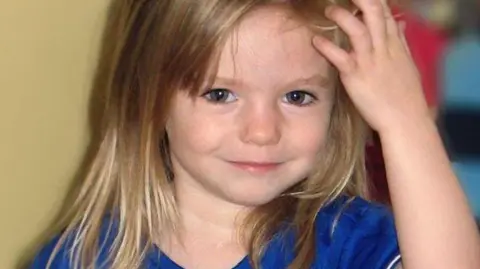
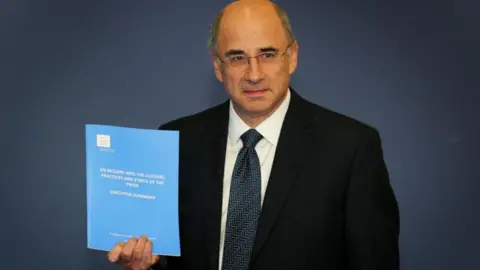 PA Media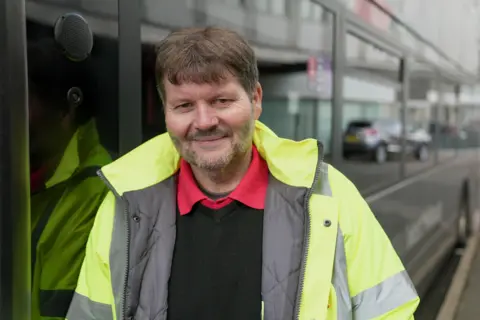
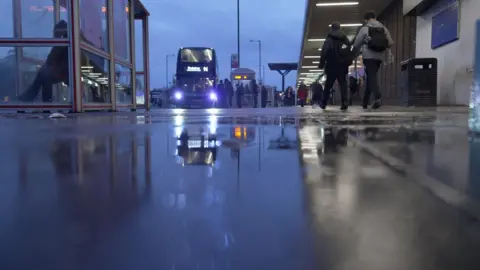
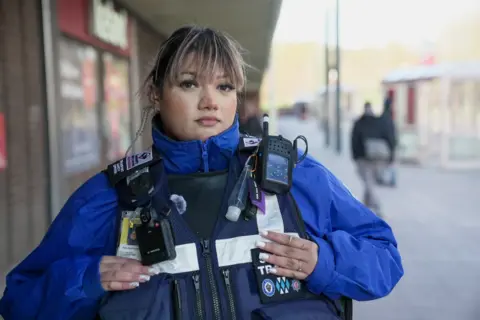
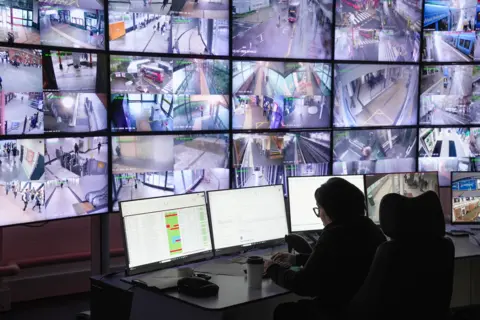
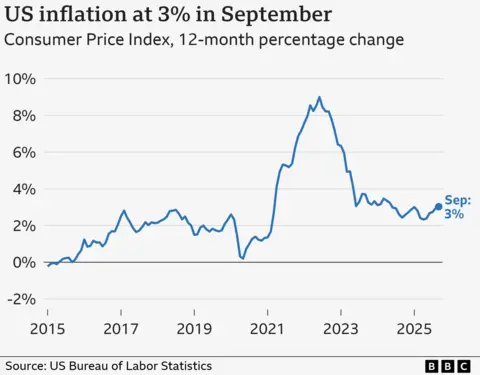

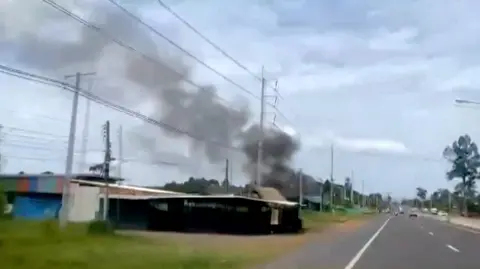
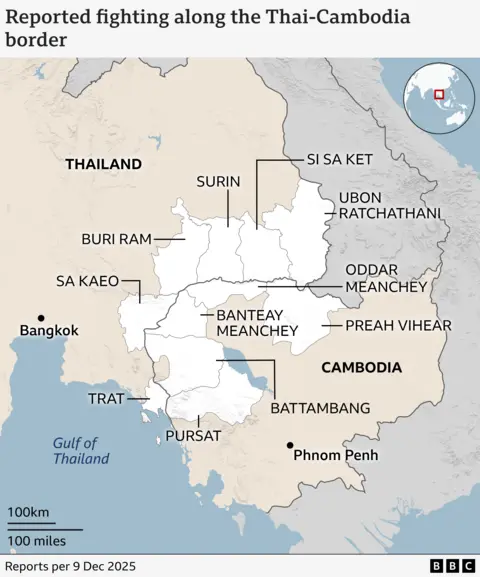


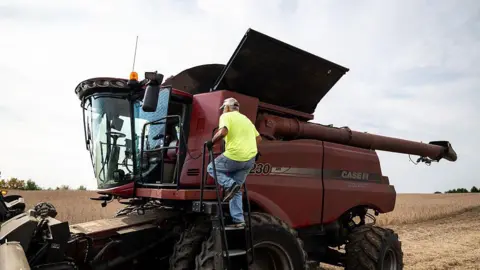


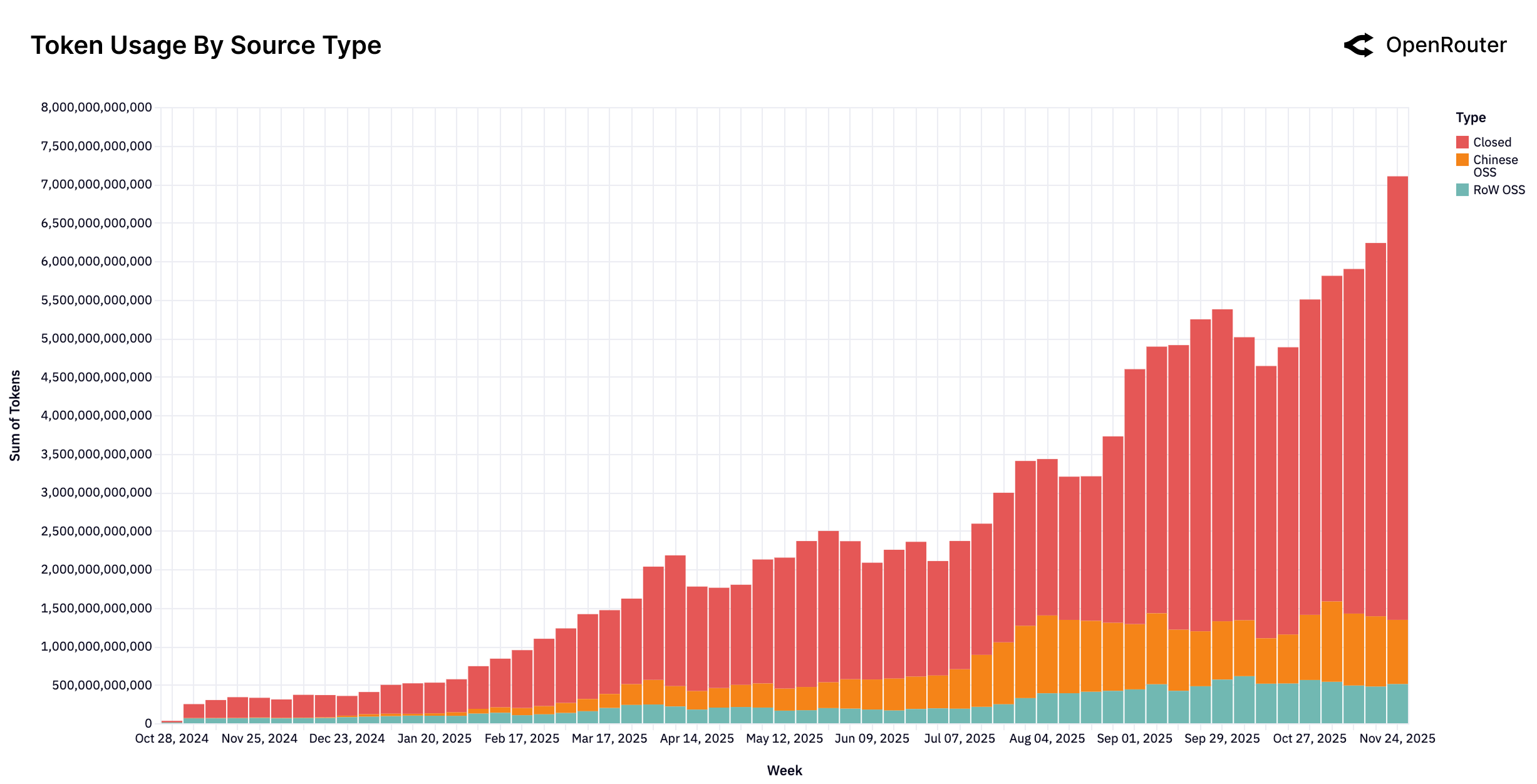


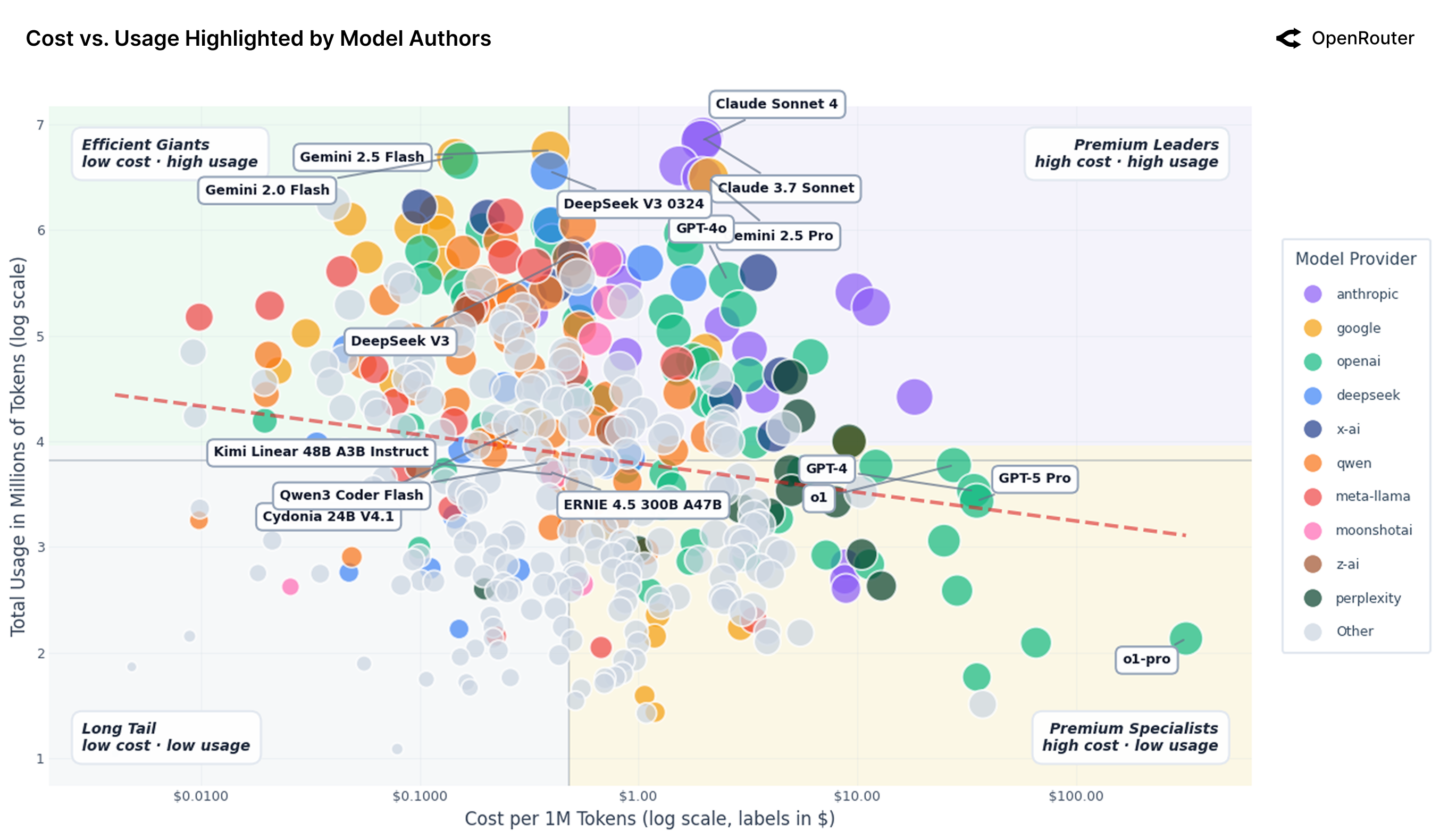
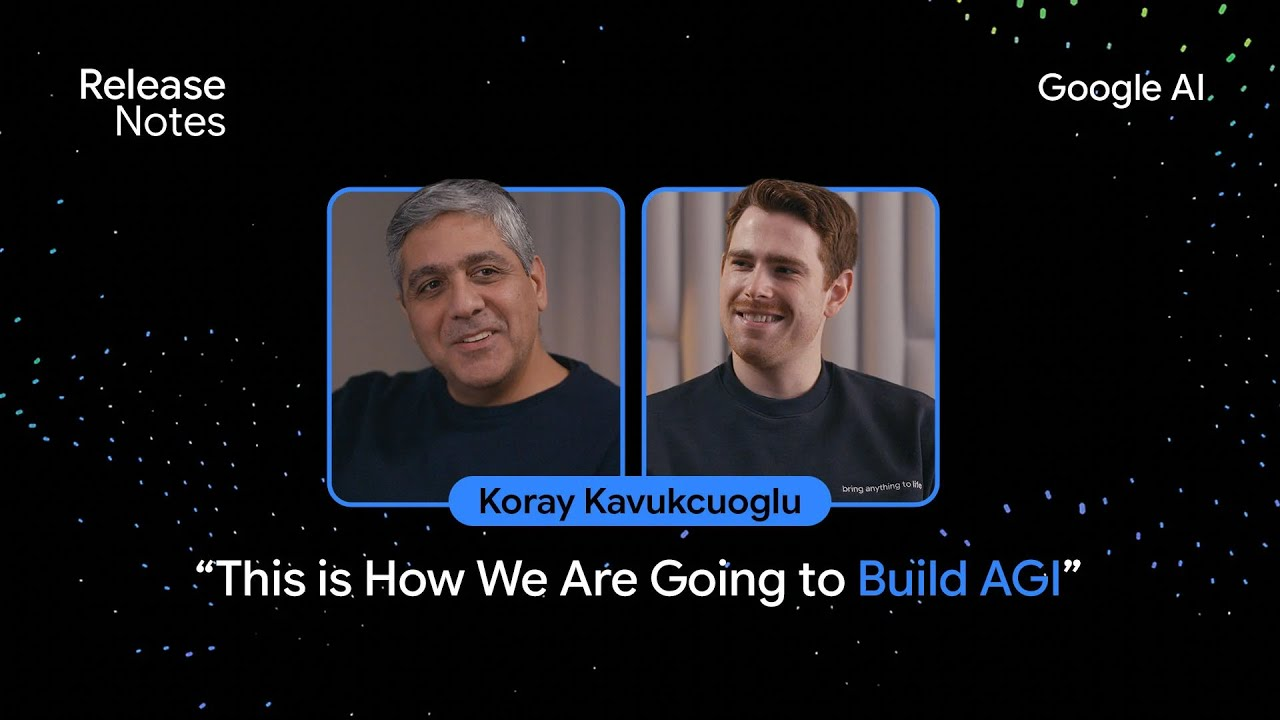



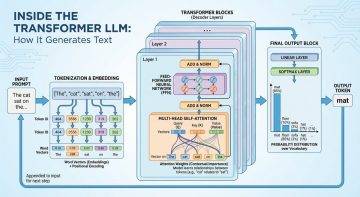



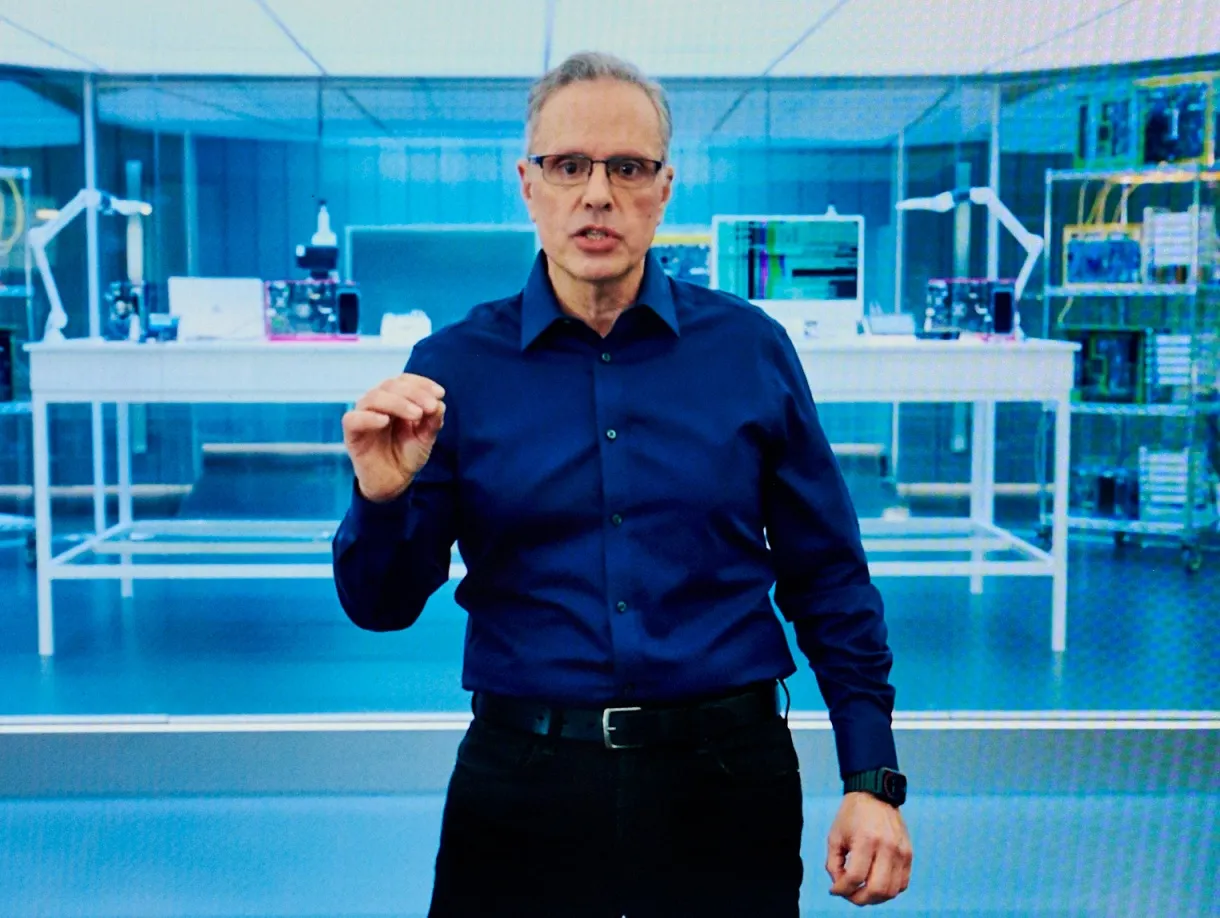

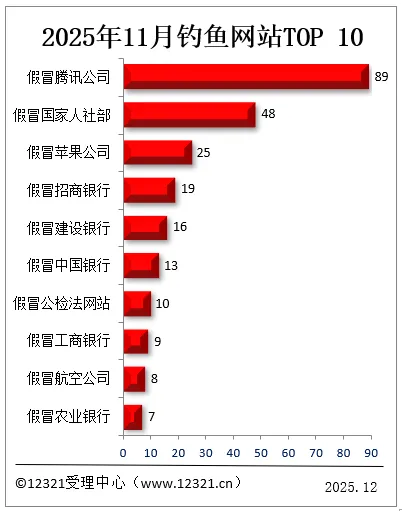




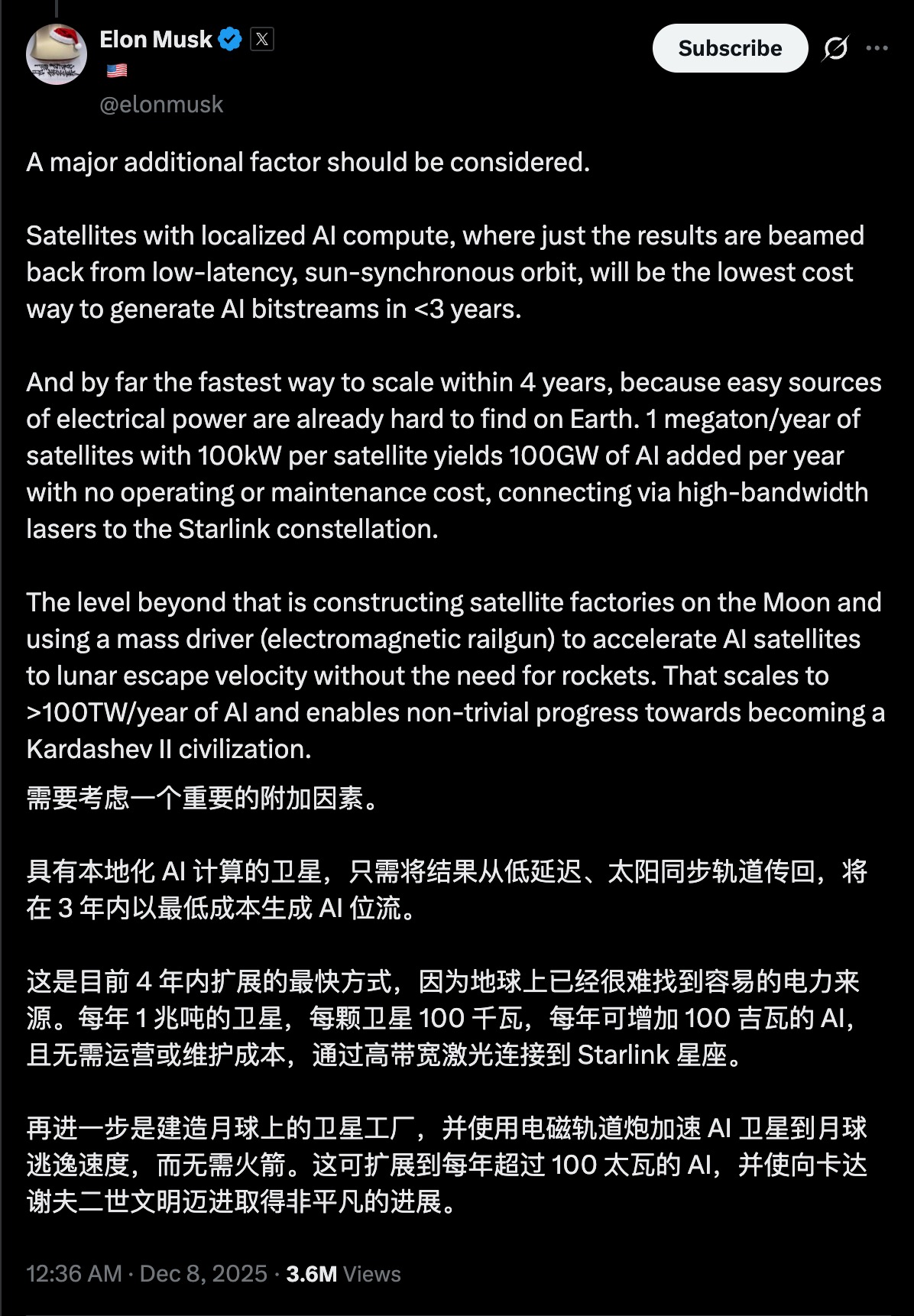
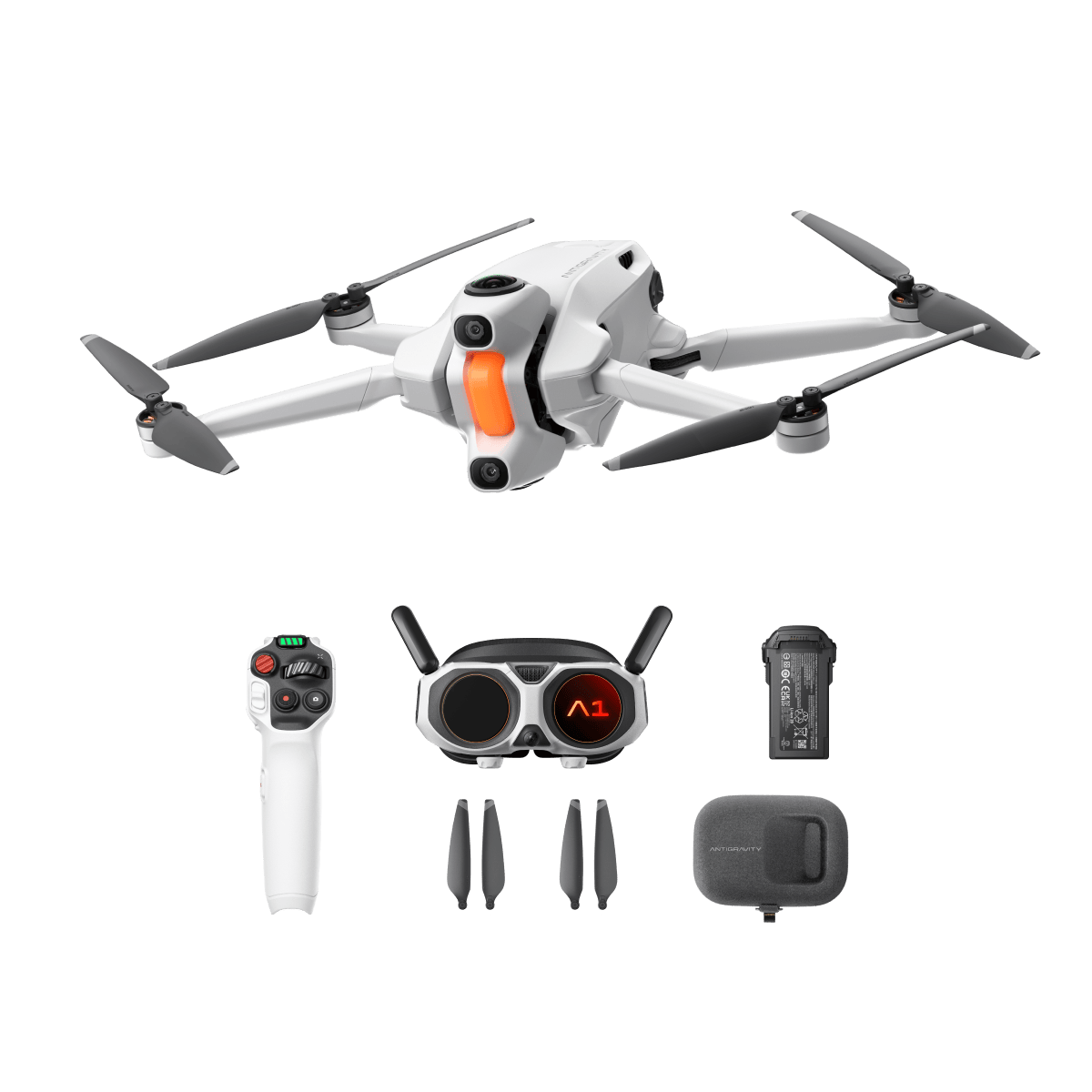


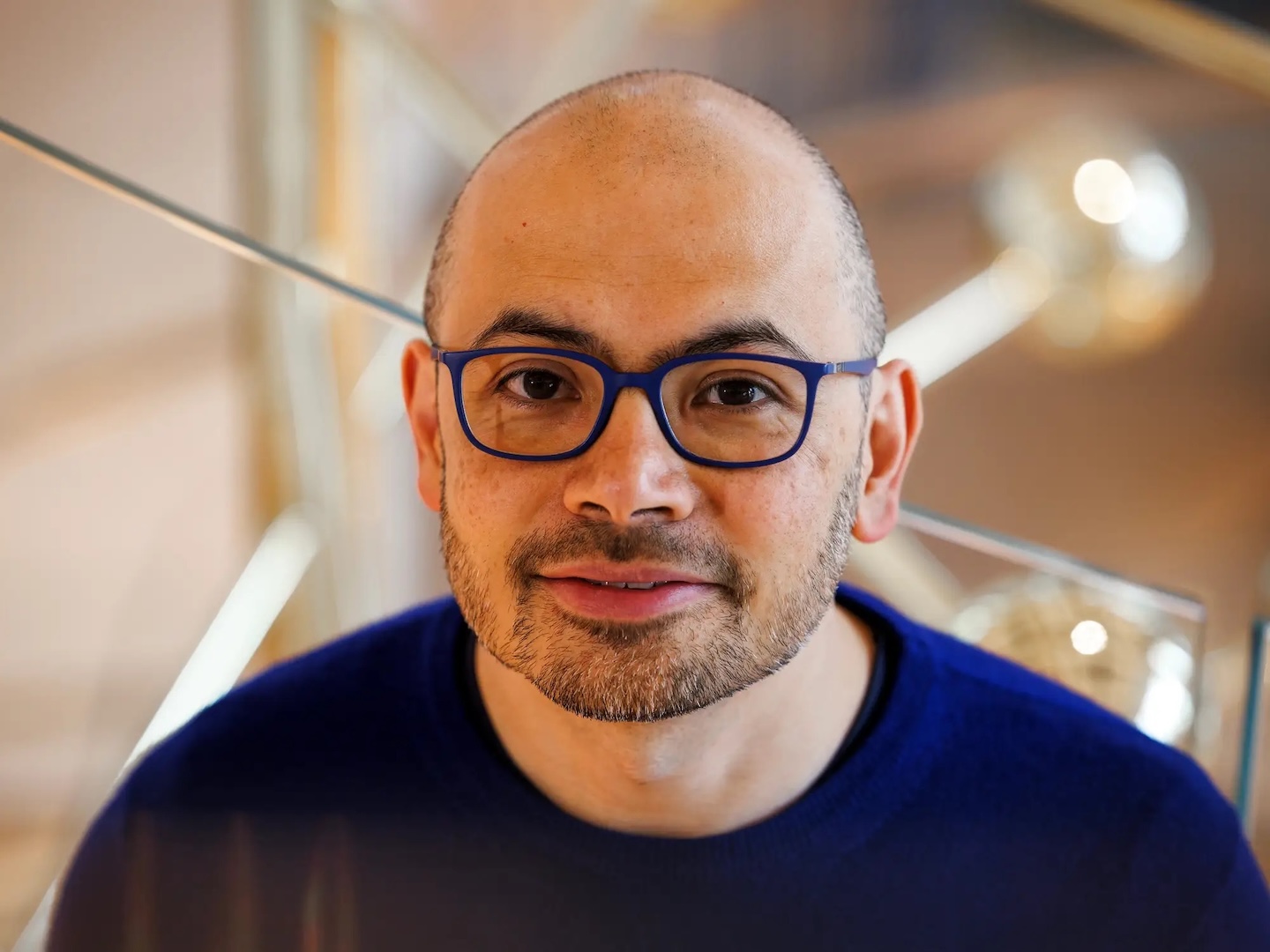


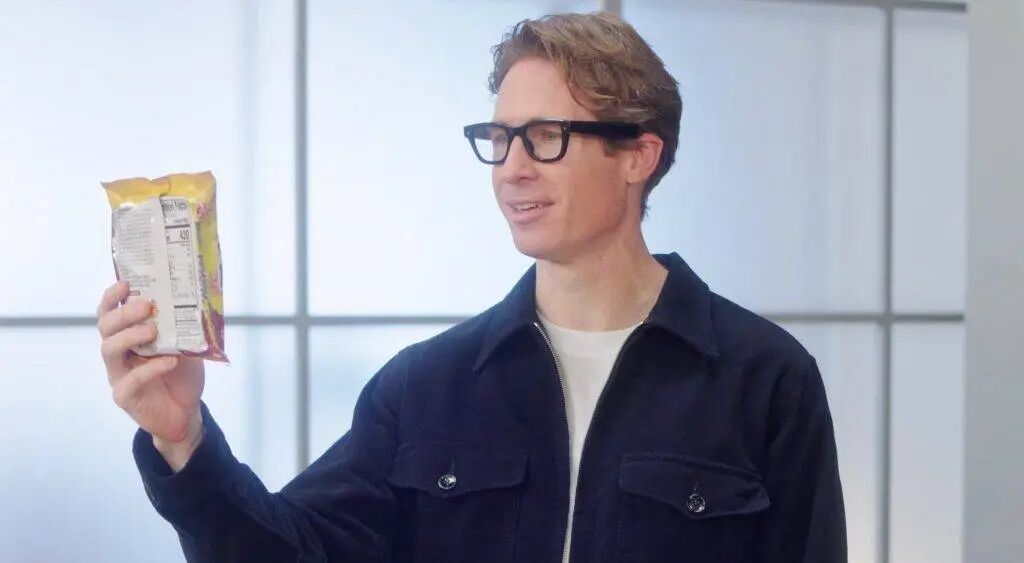



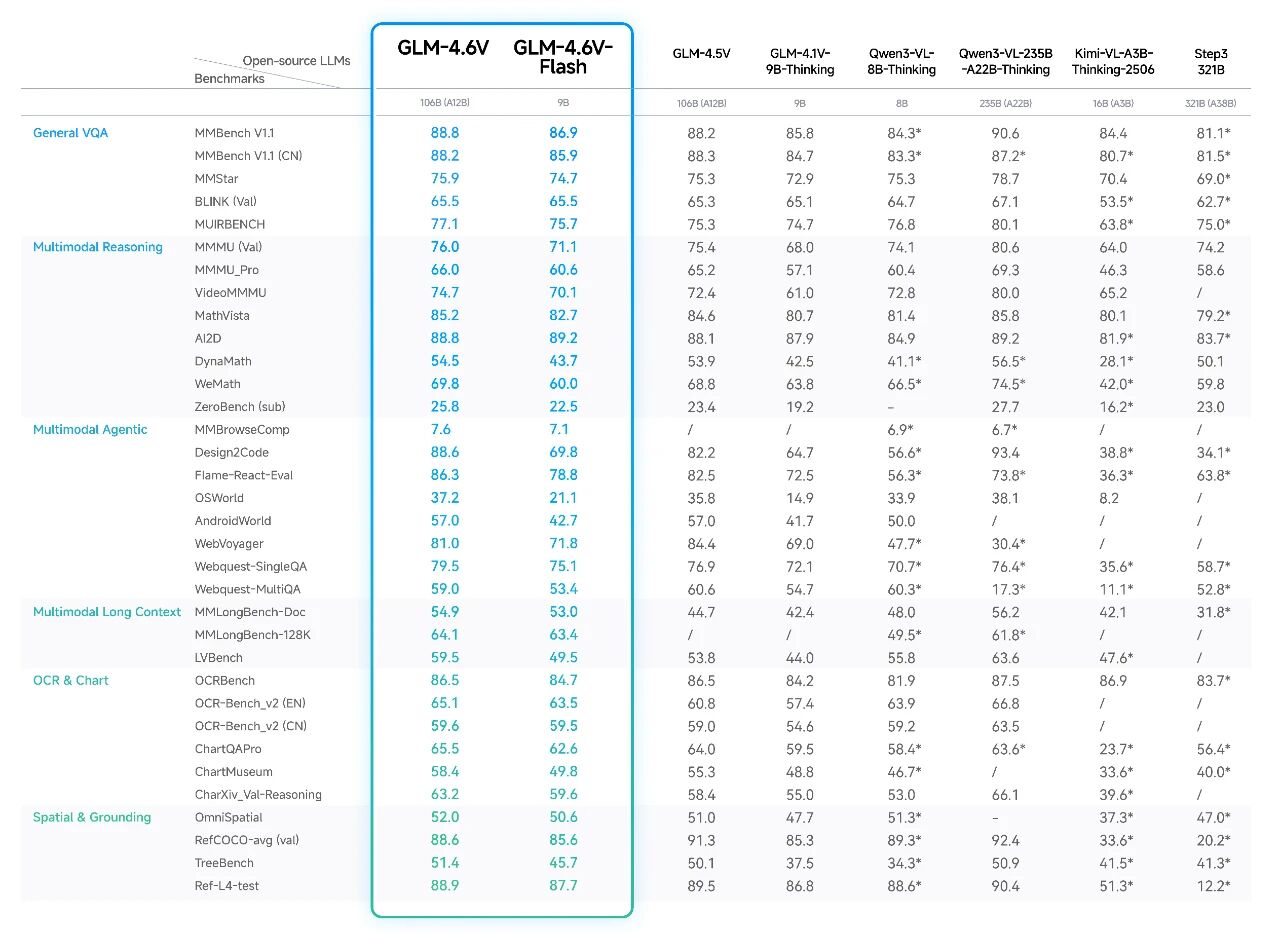
 GitHub:
 Hugging Face:
 Model Scope:



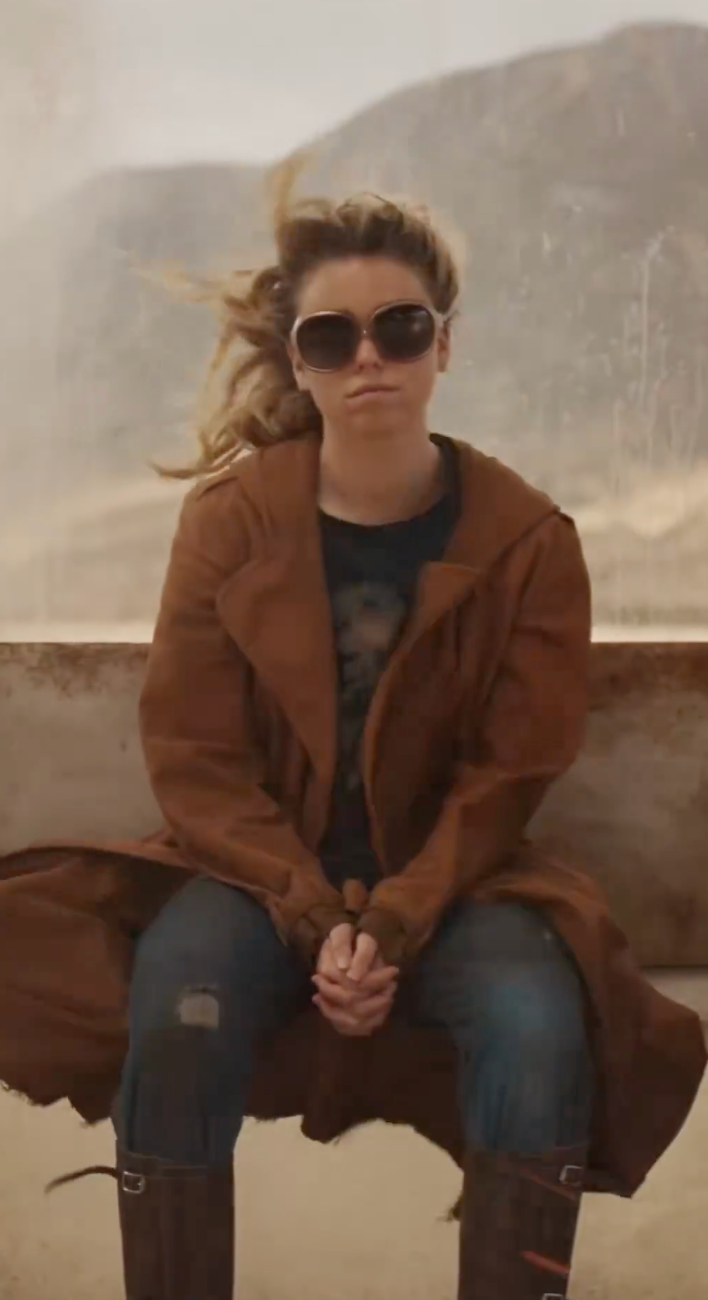
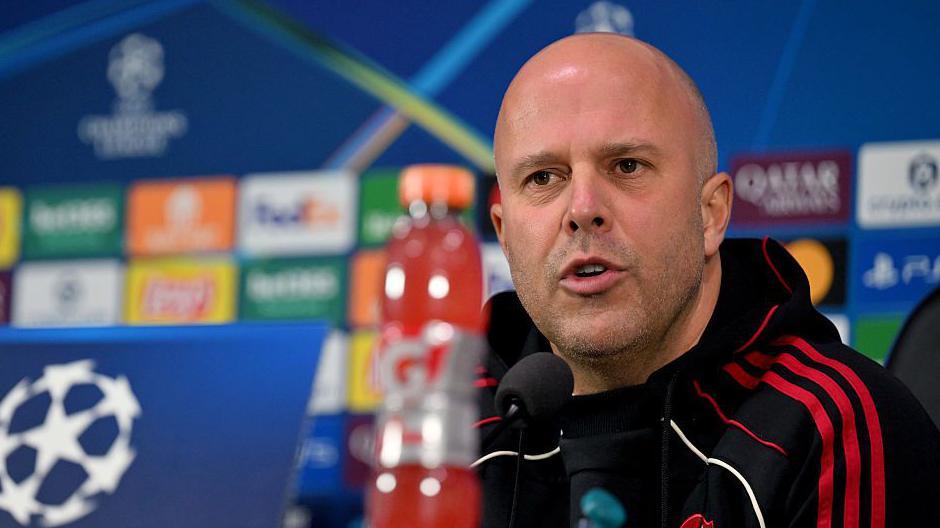
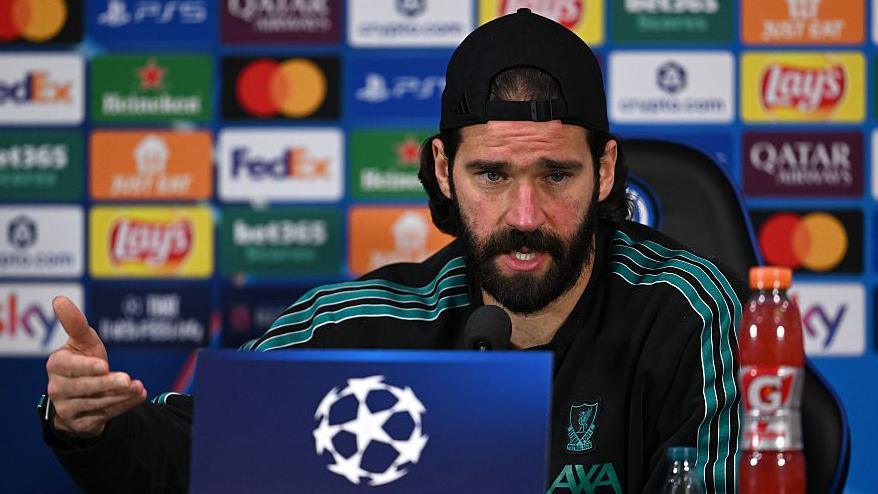


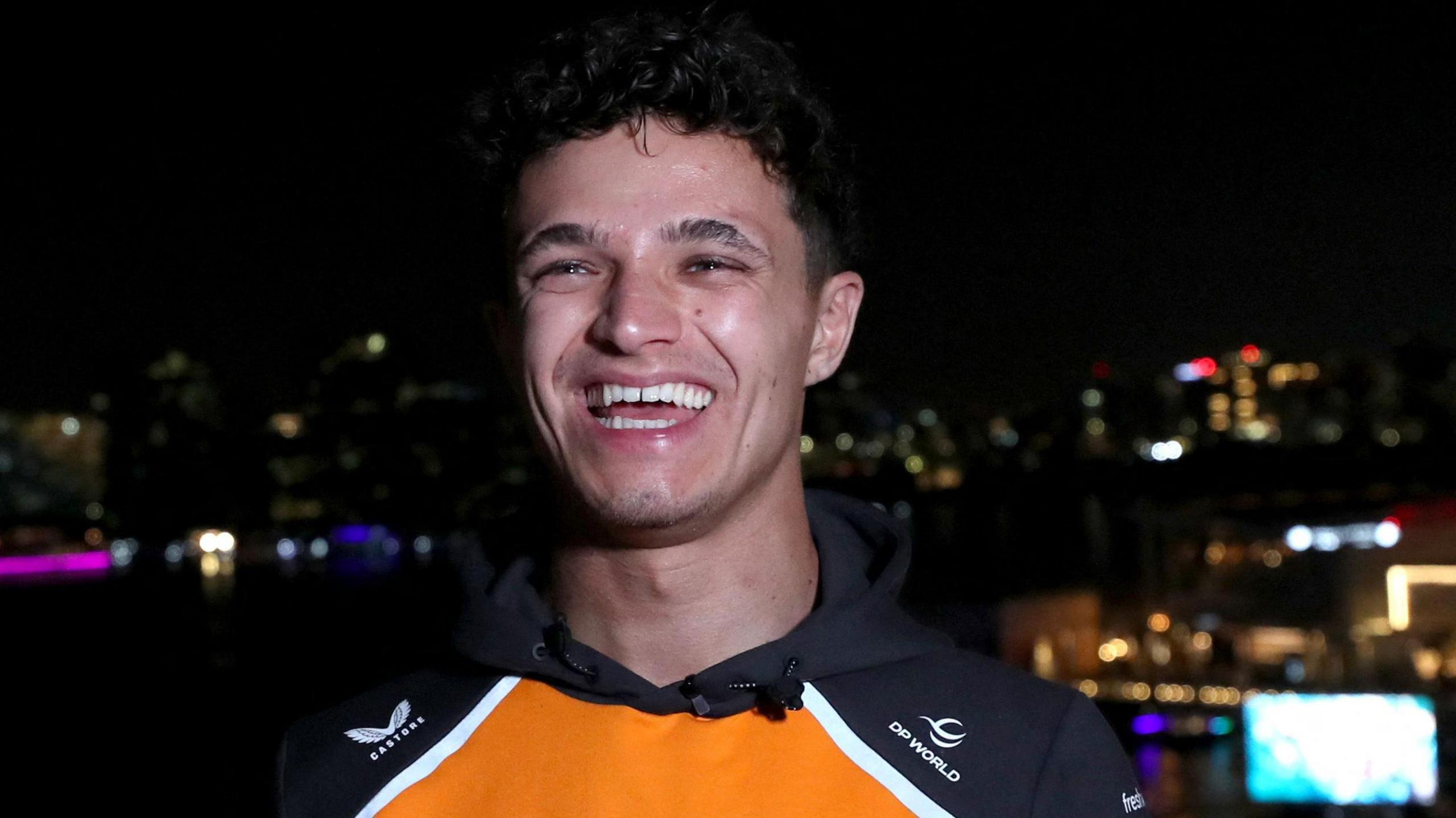
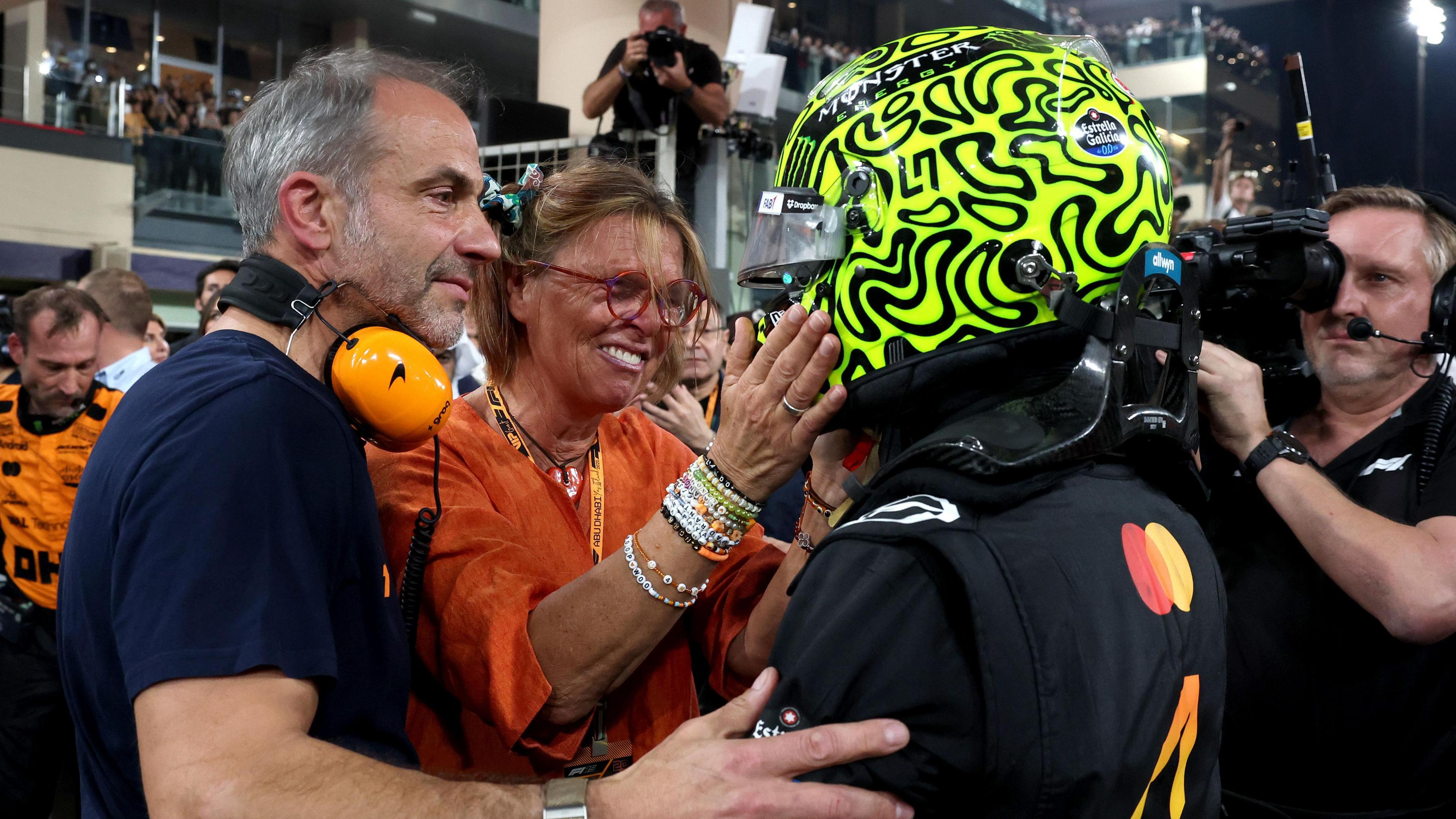
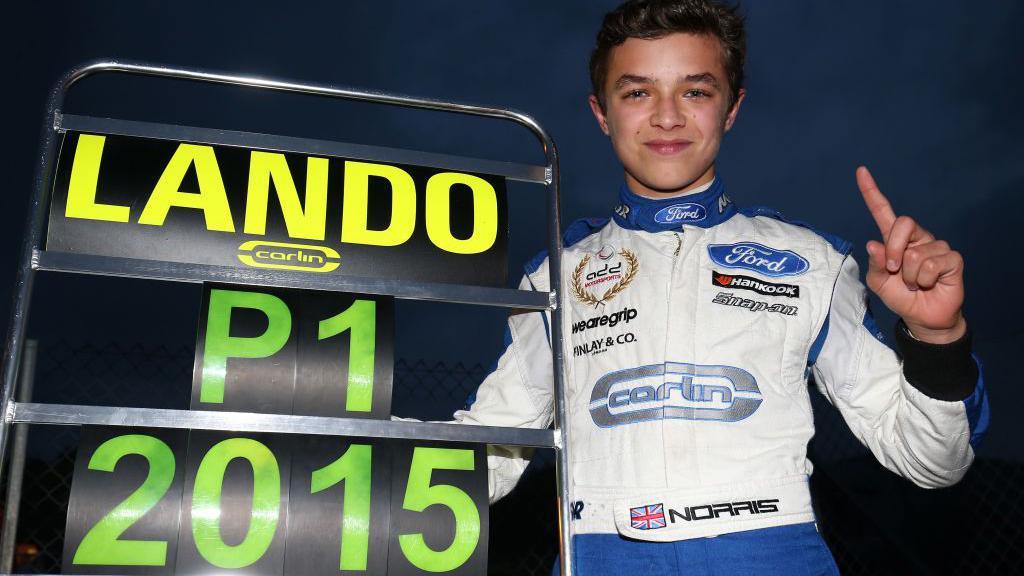
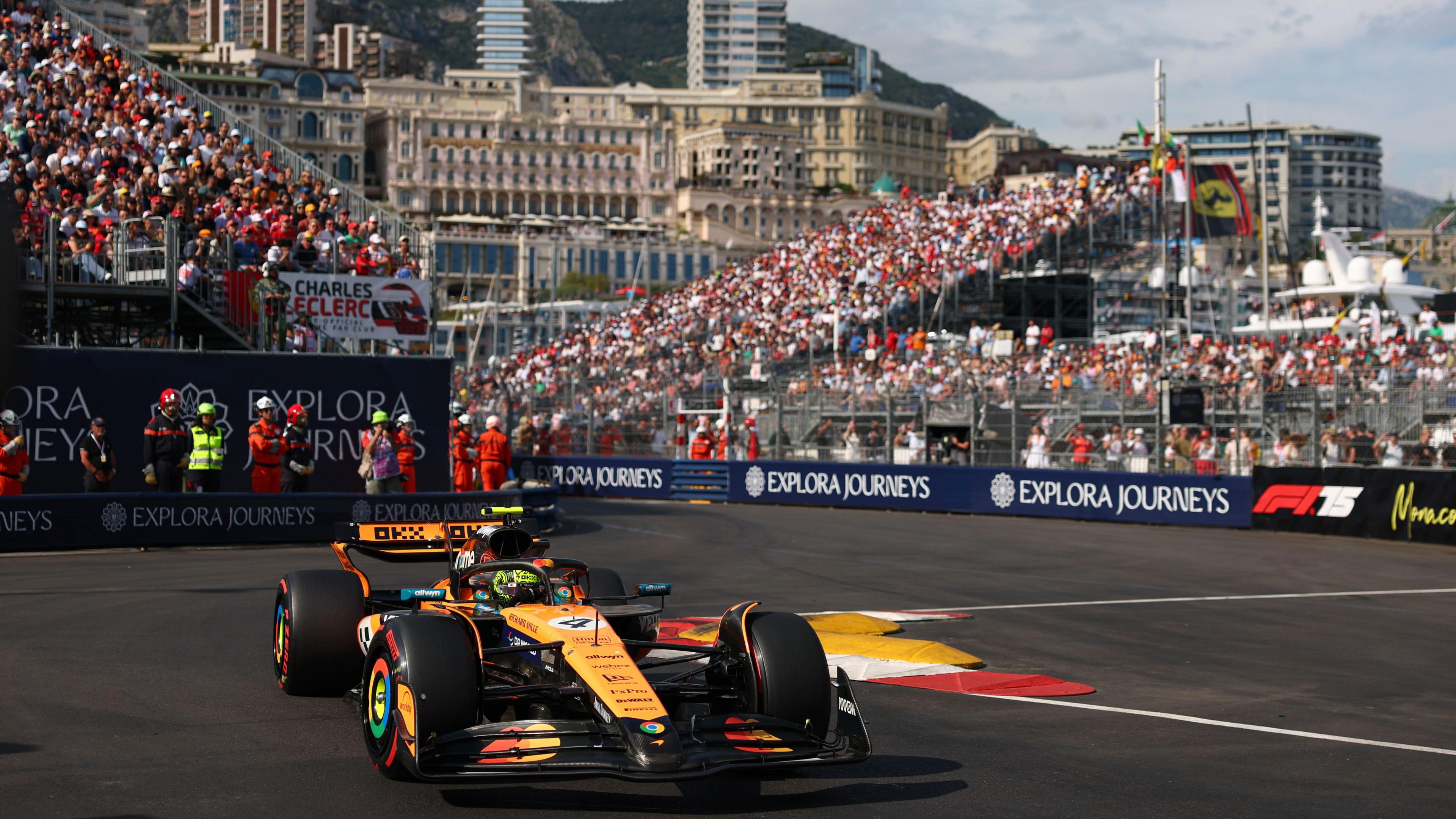
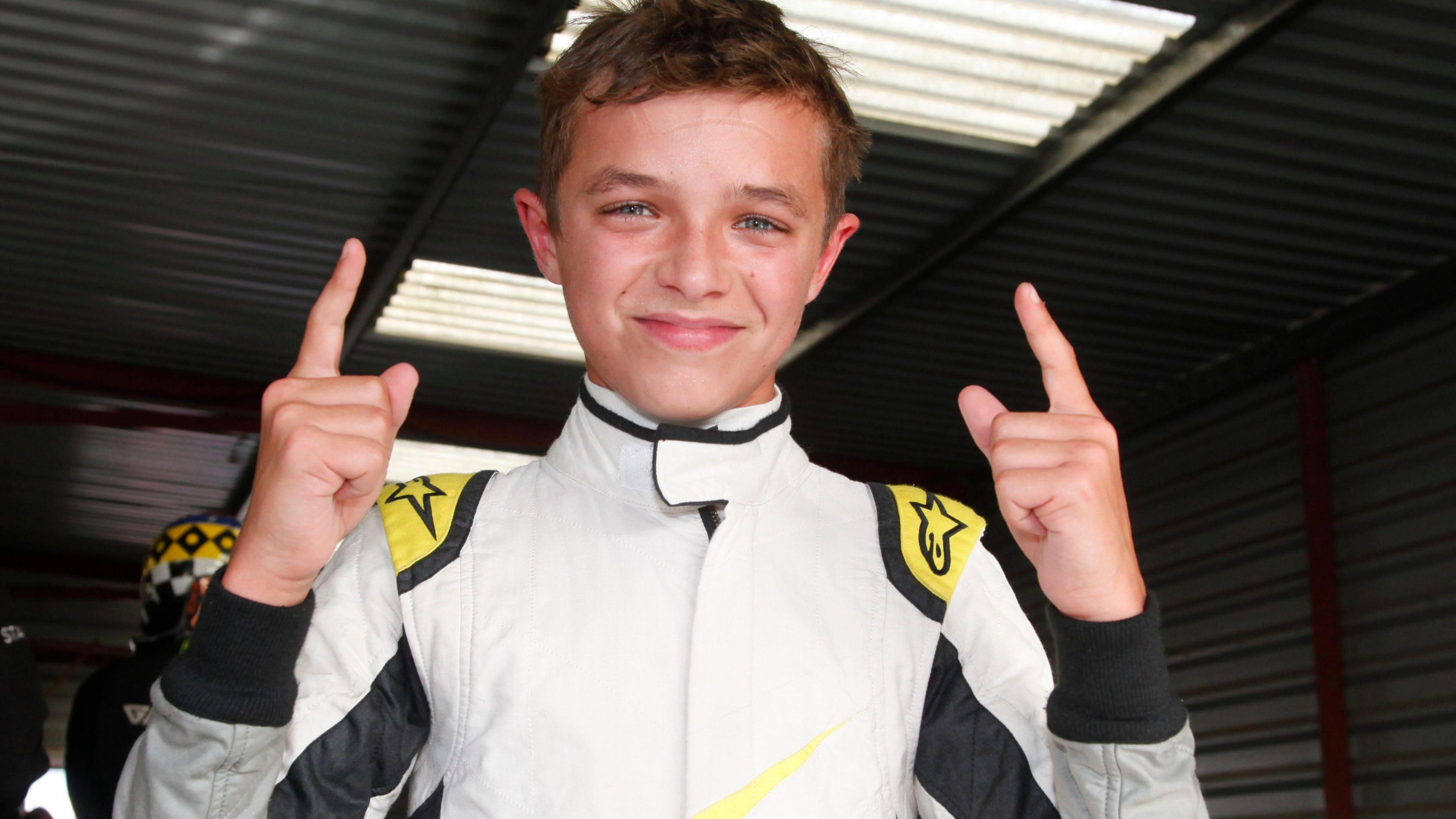
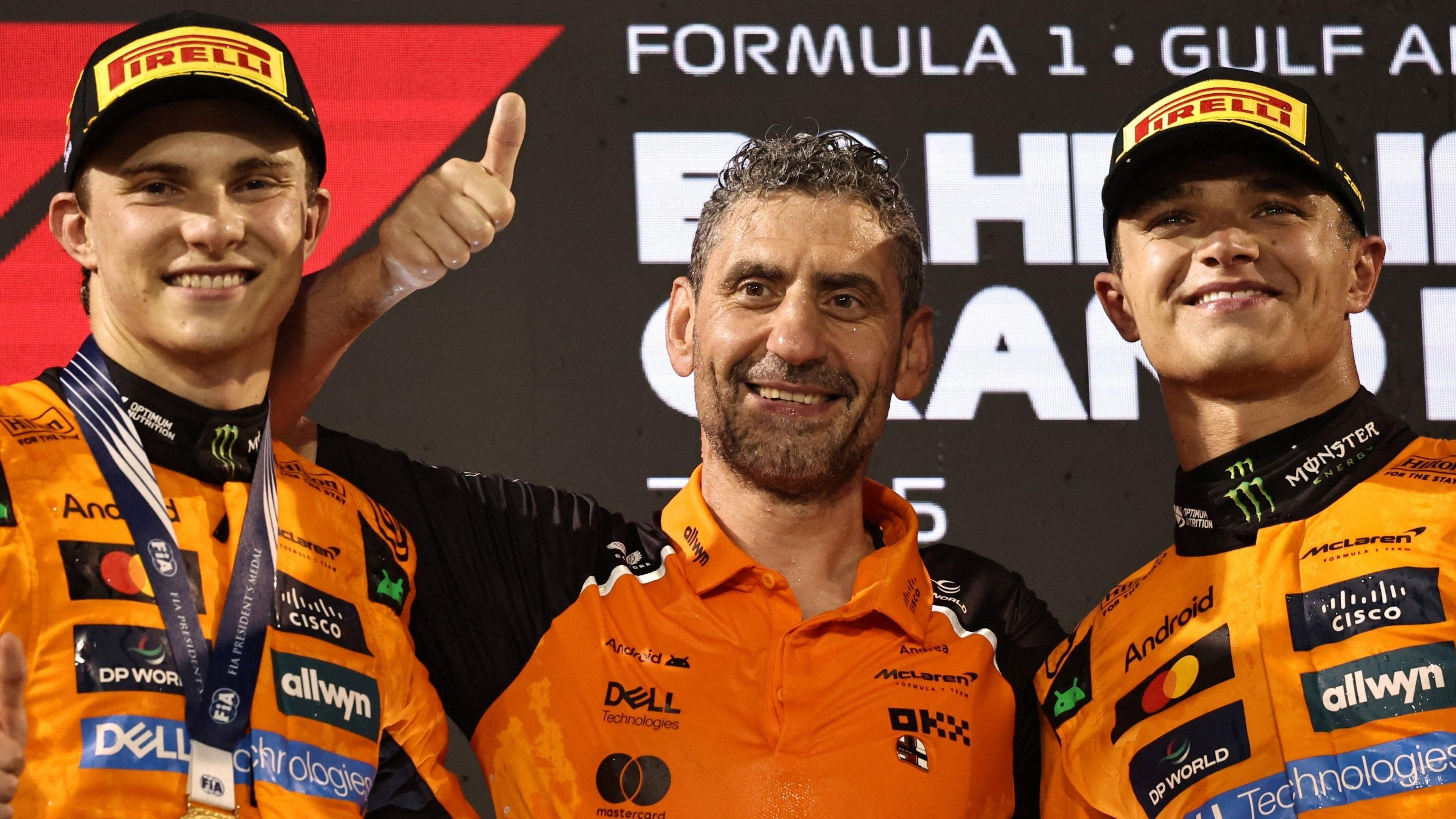
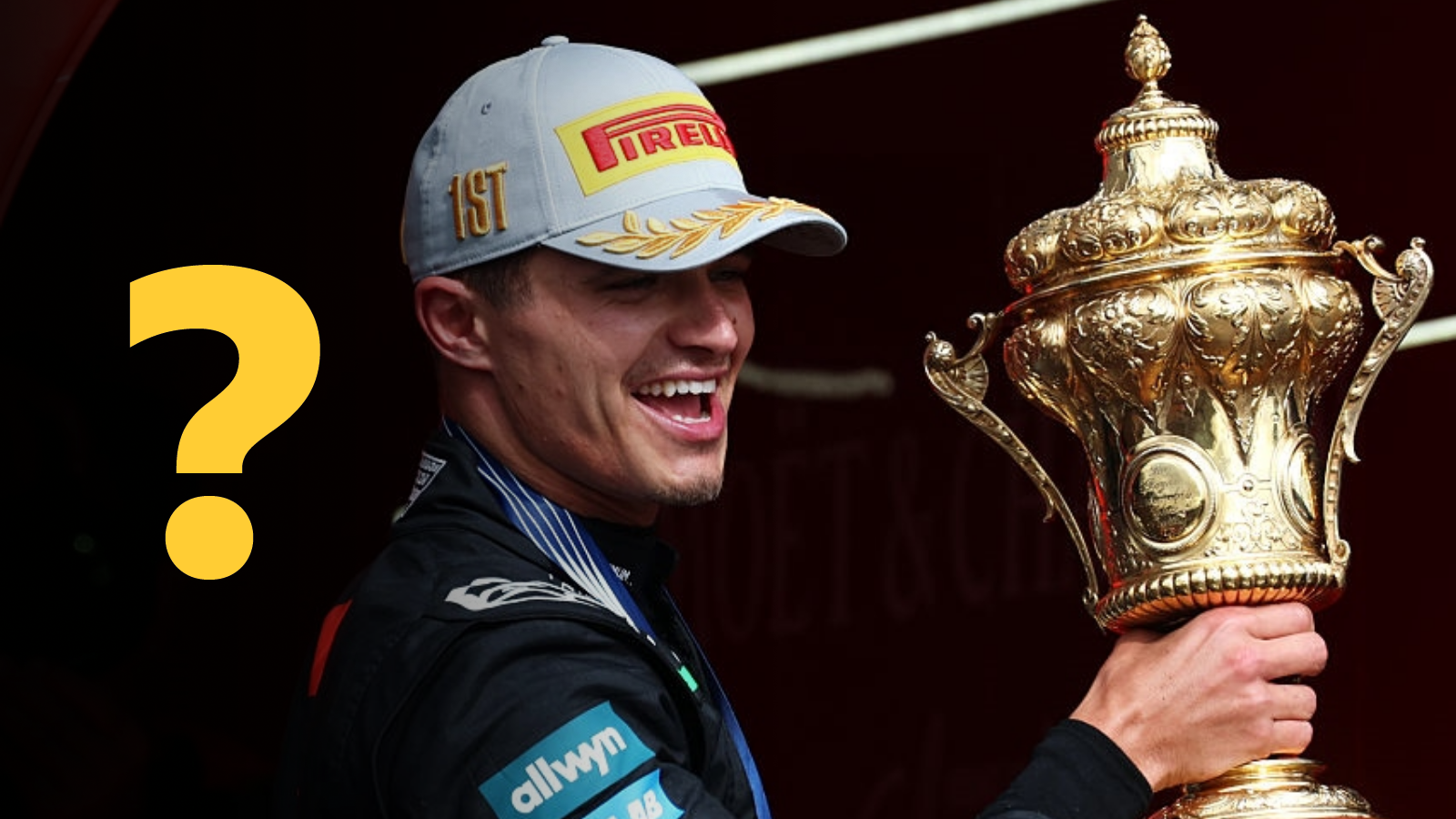
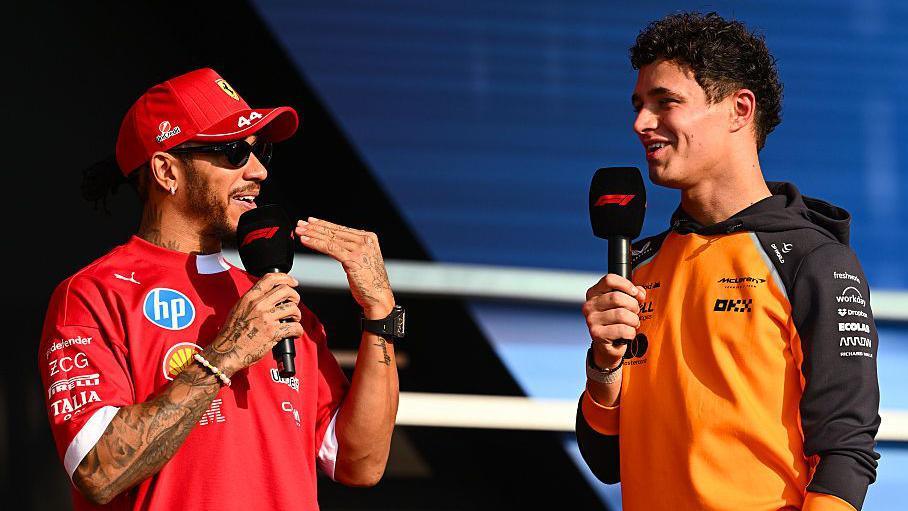
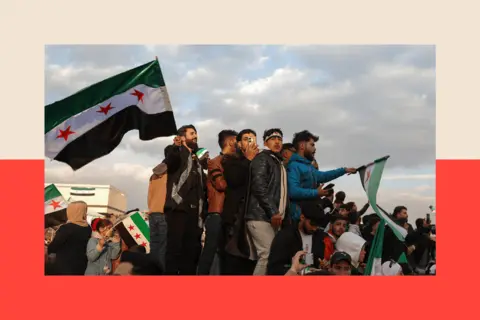
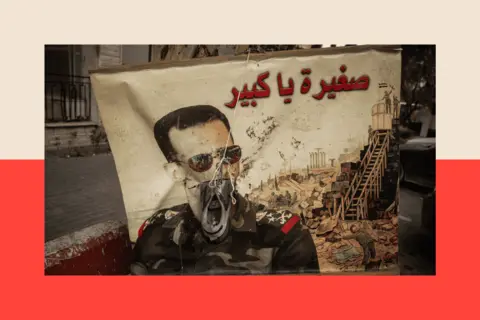
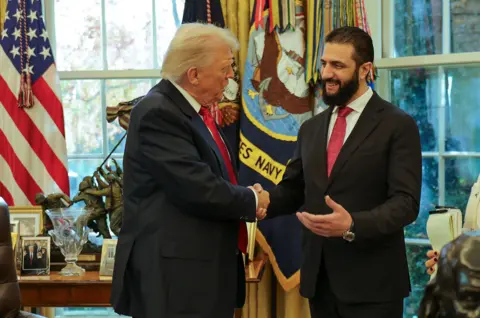
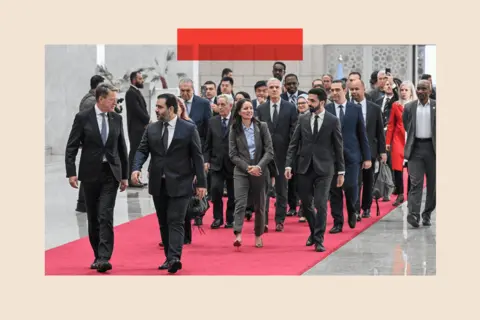
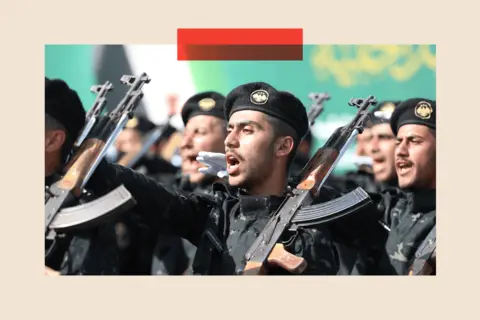
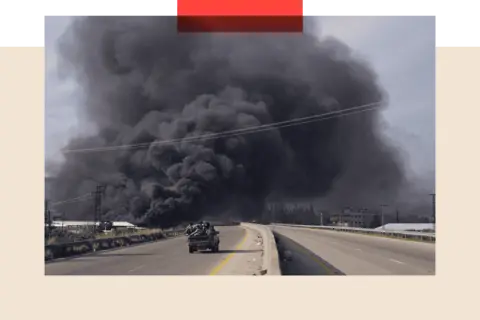
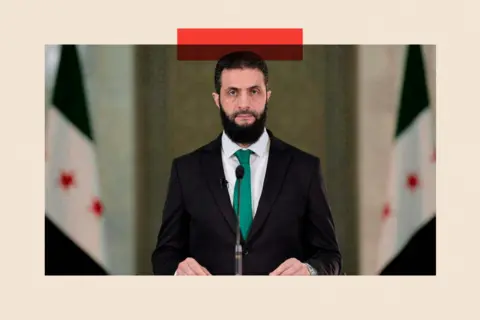
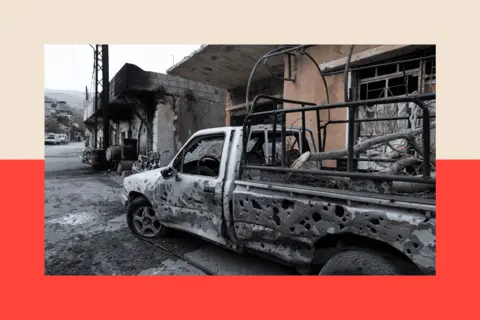

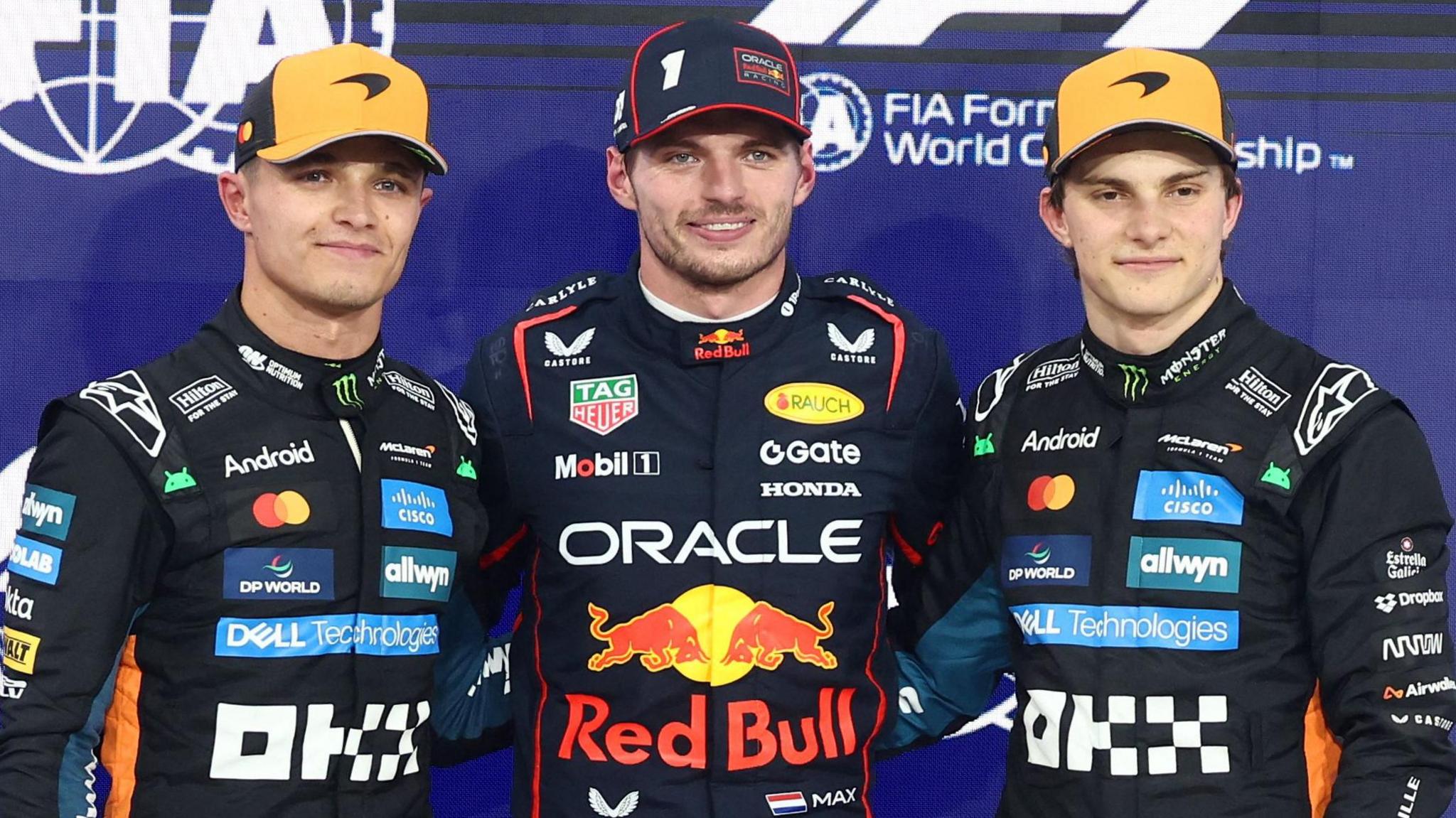
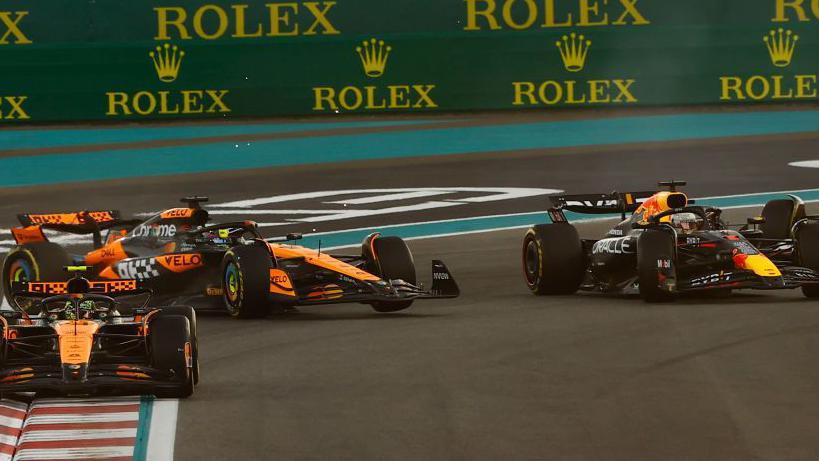

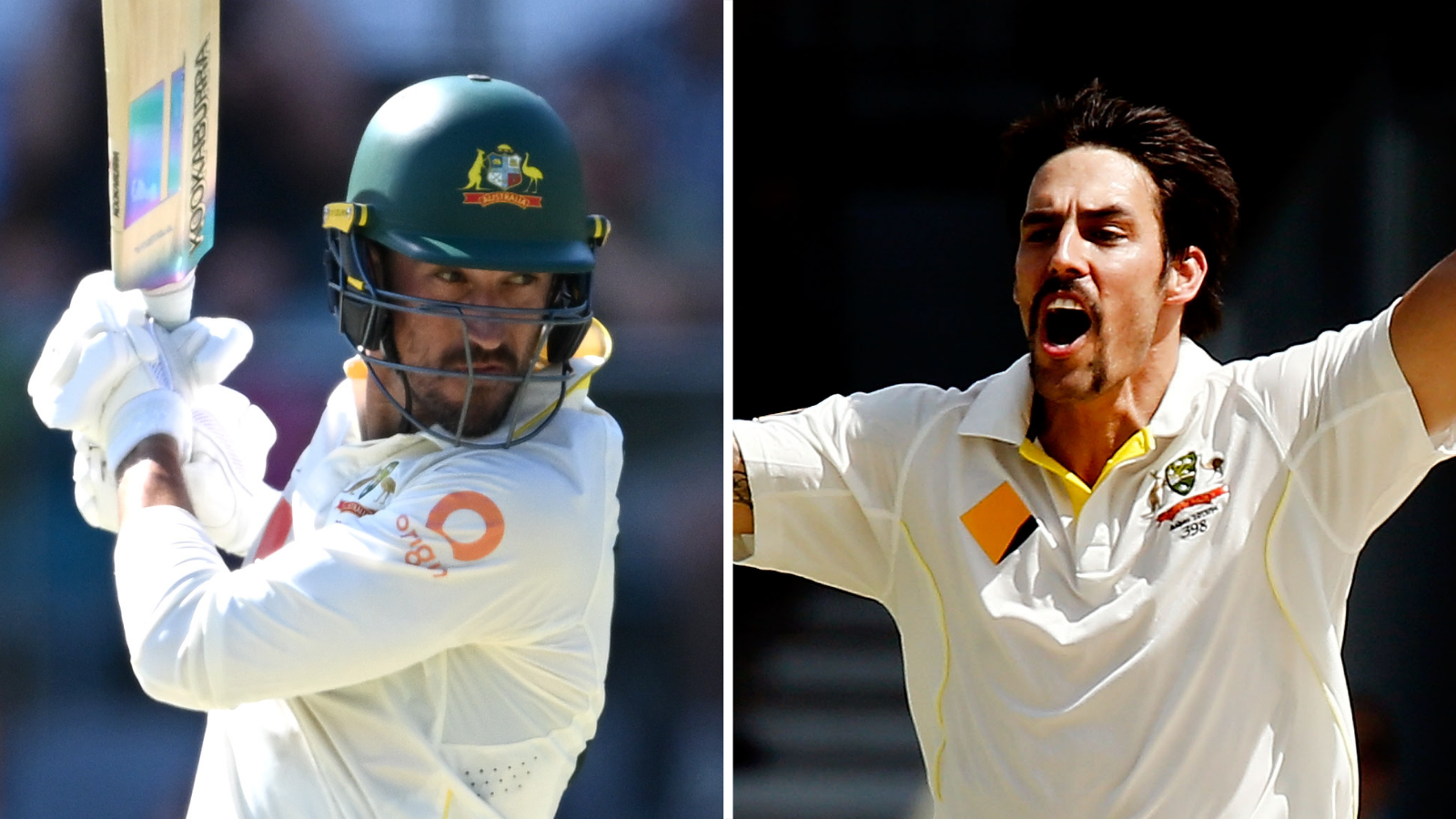
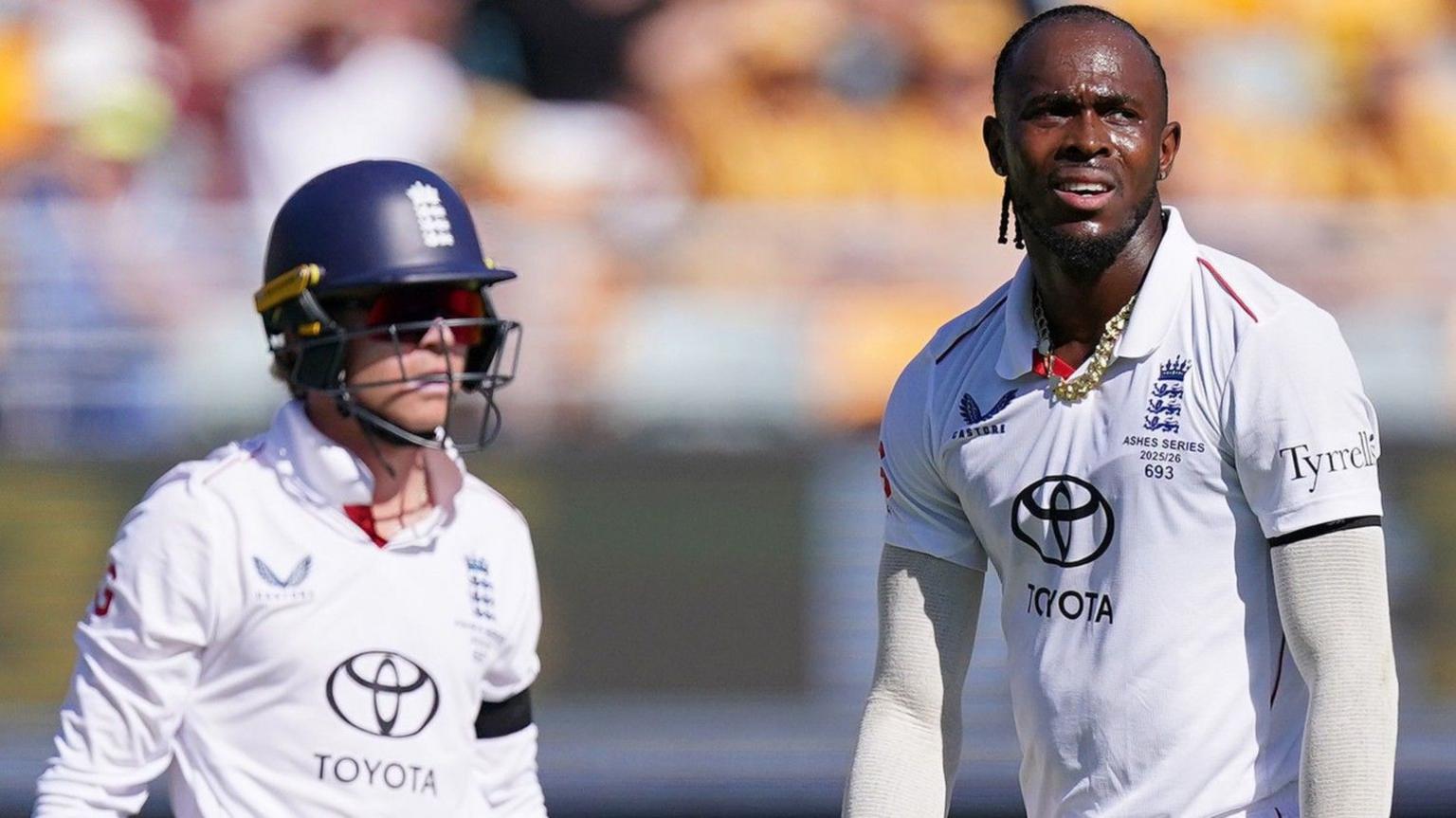
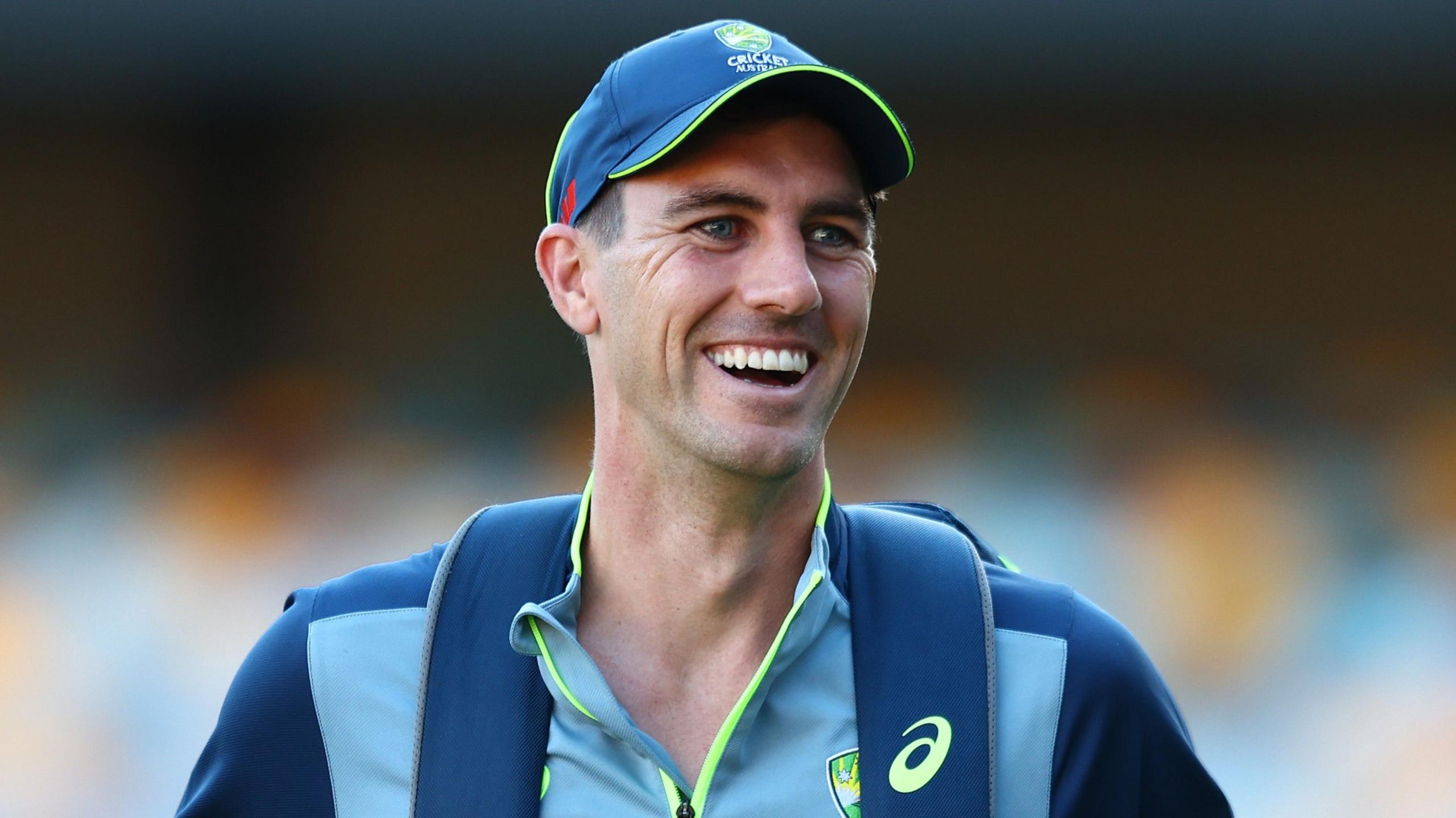
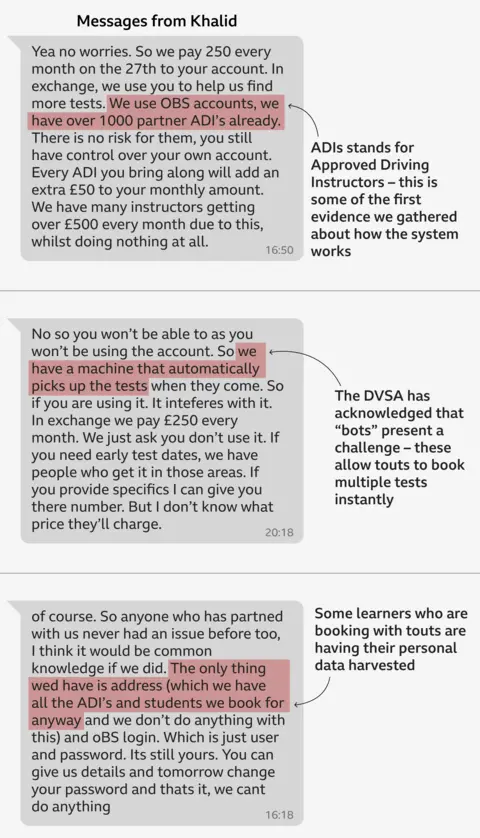



.jpg)

.jpg)


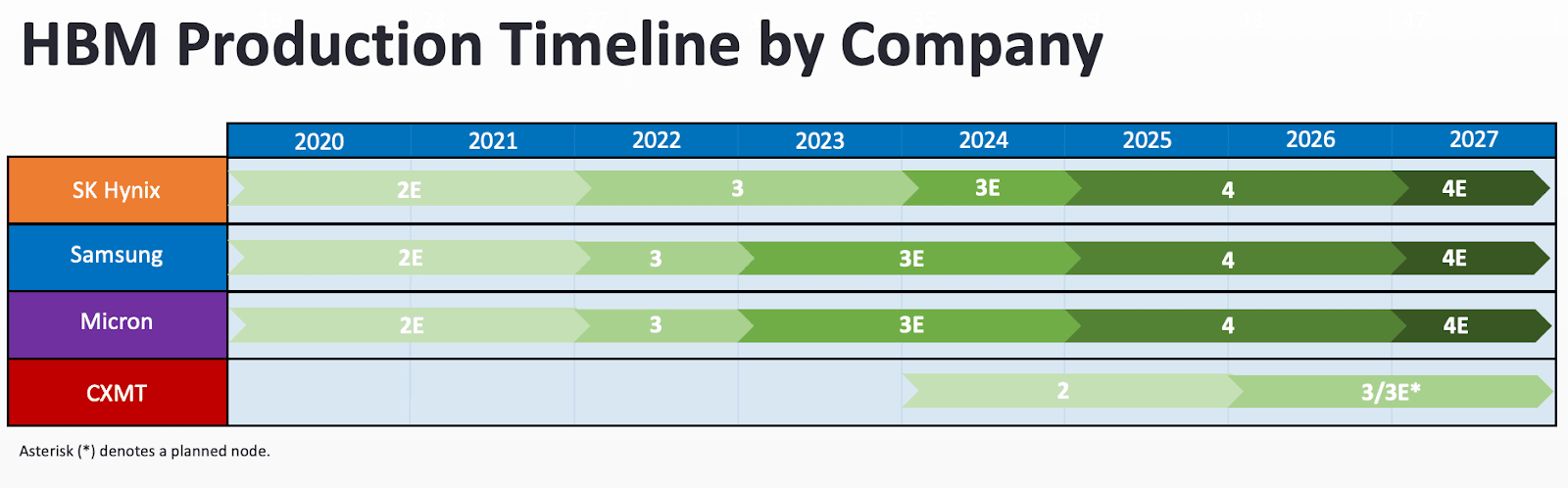

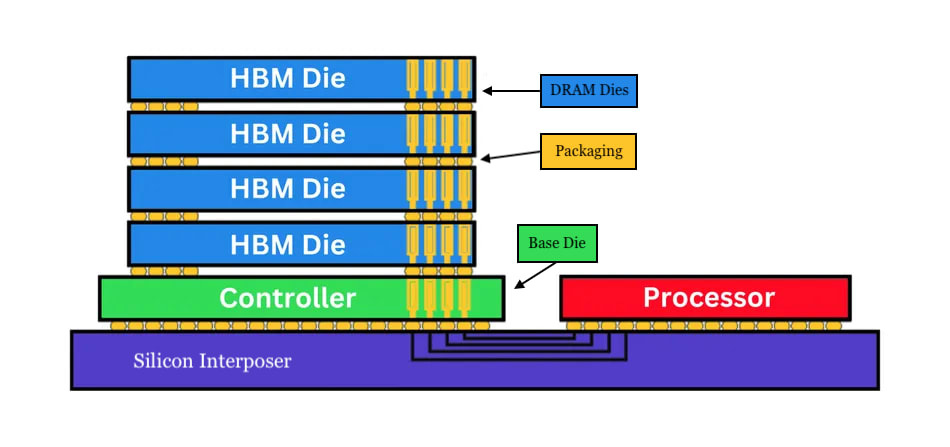
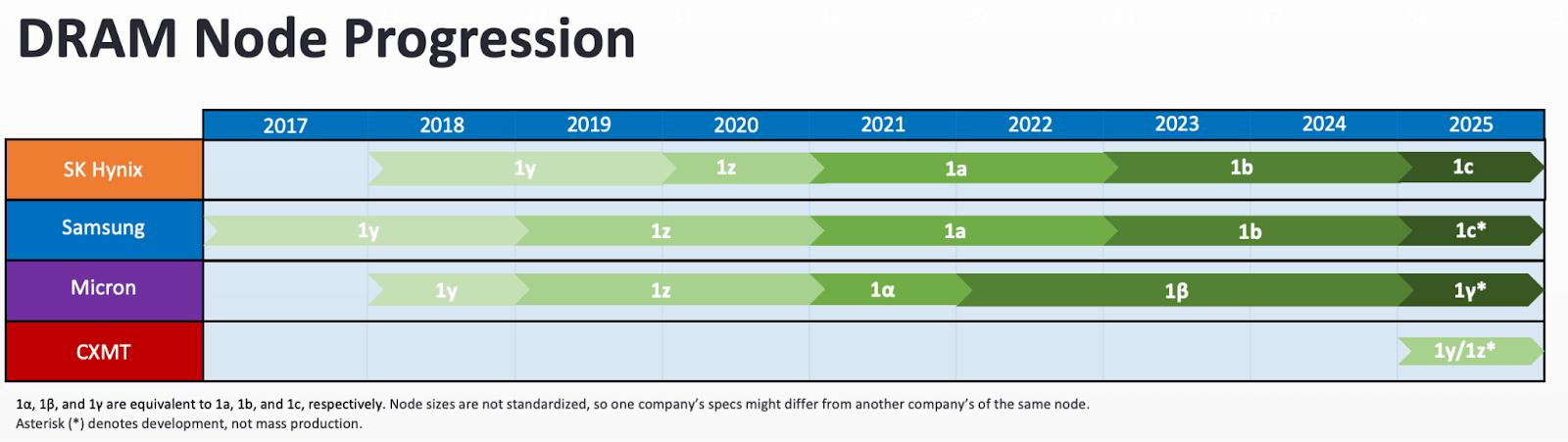





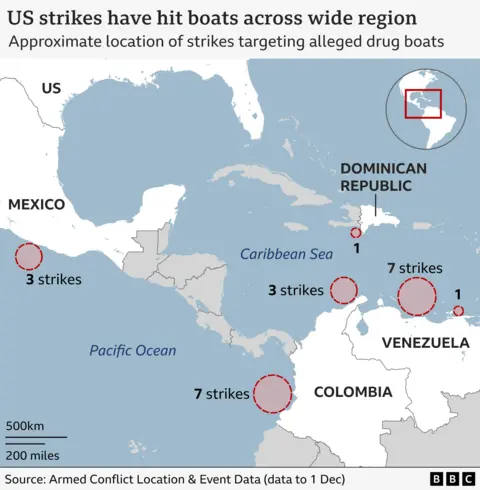

.jpg)







.jpg)

.jpg)