
Normal view

There are new articles available, click to refresh the page.
Before yesterdayMain stream

Natural history paintings of Bruno Liljefors 1

By: hoakley
21 March 2026 at 20:30

When the Swedish artist Bruno Liljefors specialised in natural history painting in the late nineteenth century, he wasn’t the first to depict wild creatures and their surroundings.

Albrecht Dürer, Hare, 1502, watercolour and bodycolour on paper, 25 x 22.5 cm. Albertina, Vienna (WikiArt).
Albrecht Dürer (1471-1528), Hare (1502), watercolour and bodycolour on paper, 25 x 22.5 cm. Albertina, Vienna (WikiArt).

It was probably Albrecht Dürer who pioneered faithful depictions, first in his meticulously rendered watercolour of this Hare in 1502.
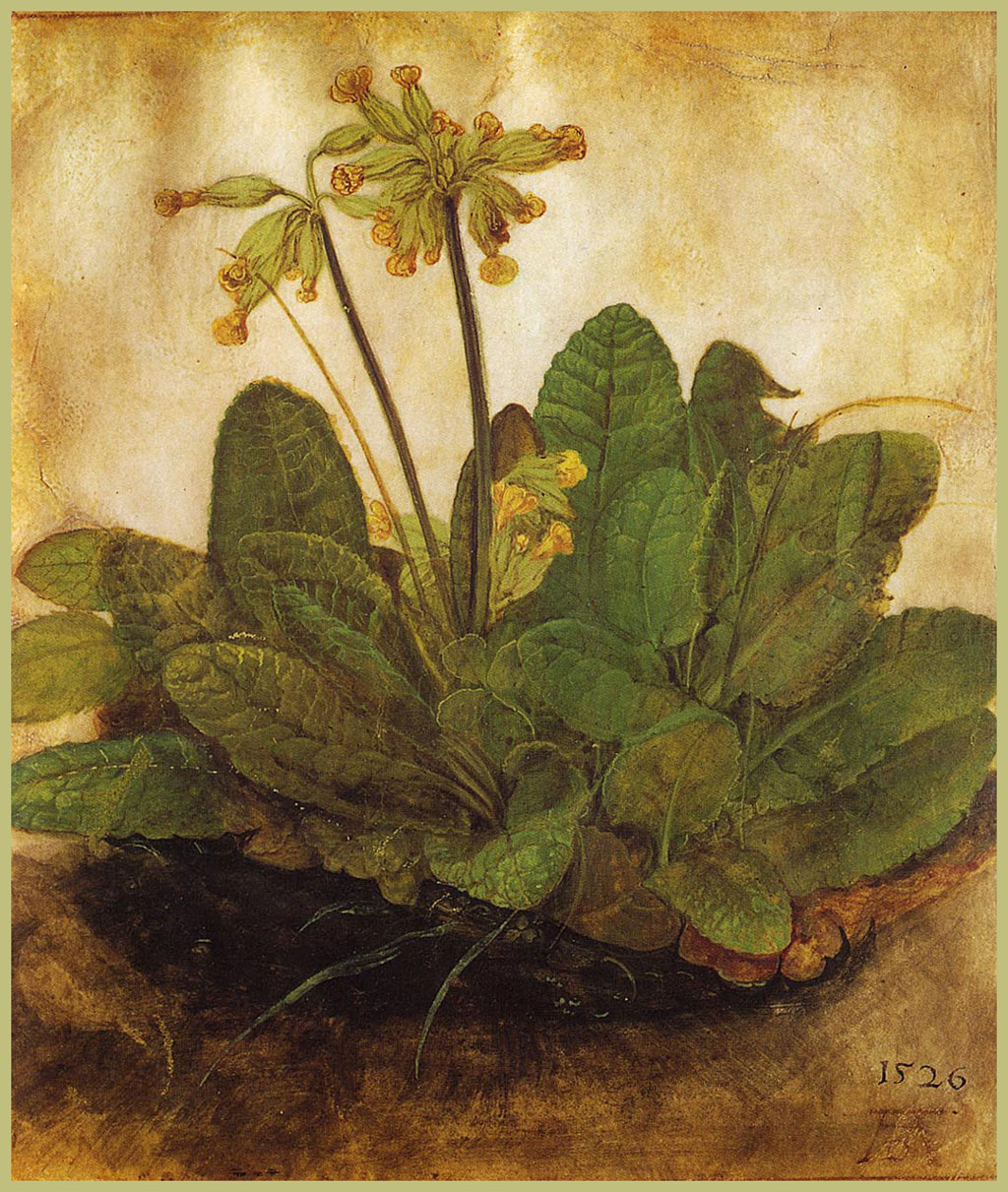
Albrecht Dürer, Primula, 1526, watercolour on paper, 19 x 17 cm. National Gallery of Art, Washington DC (WikiArt).
Albrecht Dürer (1471-1528), Primula (1526), watercolour on paper, 19 x 17 cm. National Gallery of Art, Washington DC (WikiArt).

Dürer followed that with some of the earliest botanical watercolours, such as this Primula from 1526. Despite those, few painters showed any interest in the genre.

eckhoutjabutis
Albert Eckhout (c 1610–1666), Study of Two Brazilian Tortoises (c 1640), tempera and gouache on paper mounted on panel, 30.5 x 51 cm, Koninklijk Kabinet van Schilderijen Mauritshuis, The Hague, The Netherlands. Wikimedia Commons.

Some of the Dutch artists who travelled to the Republic’s colonies were exceptions. This is Albert Eckhout’s Study of Two Brazilian Tortoises believed to have been painted in Brazil in about 1640.
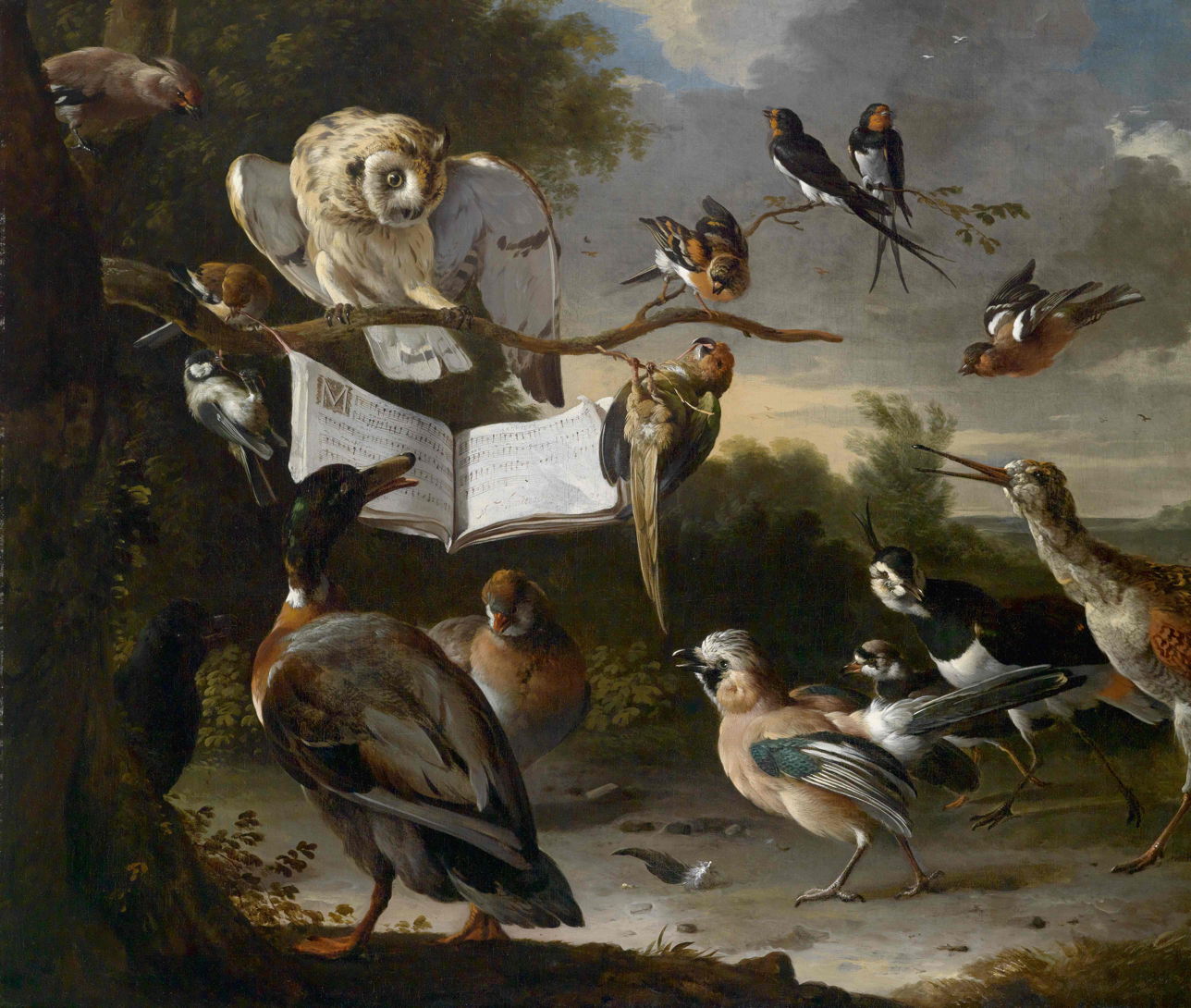
dhondecoeterconcertbirds
Melchior d’Hondecoeter (1636–1695), Concert of the Birds (1670), oil on canvas, 84 x 99 cm, Private collection. Wikimedia Commons.

Other painters of the Golden Age set faithful images of native species in more entertaining surroundings, as in Melchior d’Hondecoeter’s Concert of the Birds from 1670. But at that time, animal paintings were largely confined to domestic species.
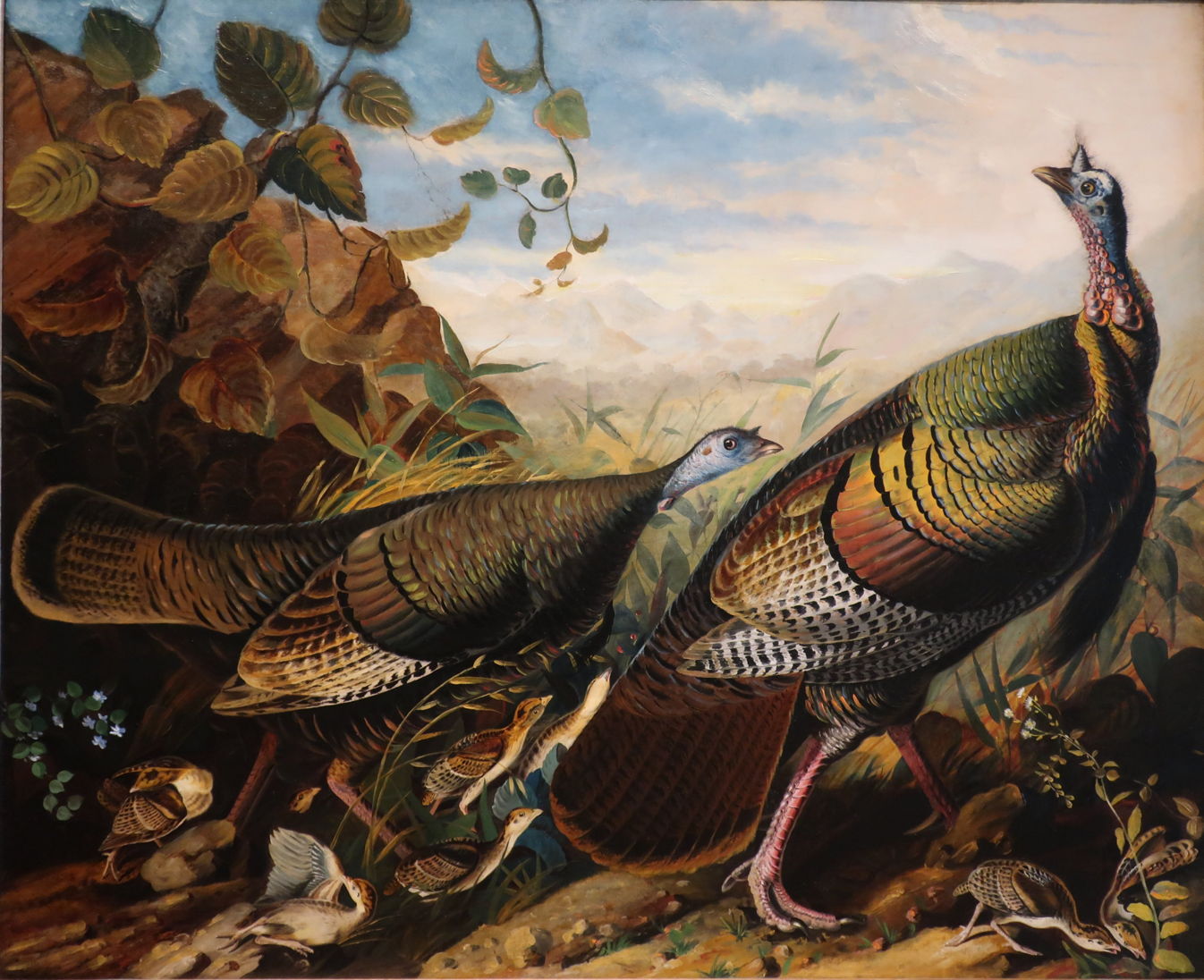
audubonwildturkeycockhen
John James Audubon (1785–1851), Wild Turkey Cock, Hen and Young (1826), oil on linen, 120.7 x 151.1 cm, Crystal Bridges Museum of American Art, Bentonville, AR. Wikimedia Commons.

The most famous of the early natural history specialists is John James Audubon, whose paintings of birds were turned into sets of prints. Among his surviving oil paintings is this of a Wild Turkey Cock, Hen and Young (Meleagris gallopavo) from 1826. Although clearly destined for use as an illustration, the setting is intended to appear more natural.

As the century progressed a new, objective style of painting developed in botanical and ornithological work in particular. Artists like Edward Lear illustrated multi-volume scientific publications classifying and describing different species.

Liljefors is one of the pioneers who painted rather than illustrated wildlife, and is revered today as one of the genre’s most influential figures. In this weekend’s two articles I show examples of his paintings that remain some of the finest artistic depictions of wildlife in the history of art.

Bruno Liljefors was born in Uppsala, in the east of Sweden, in the same year as Anders Zorn. He doesn’t appear to have been as precocious a painter, and started his studies at the Royal Swedish Academy of Arts in Stockholm four years later than Zorn, in 1879. He left the Academy after three years, and went to Dusseldorf to learn to paint animals.

In the early years of his career he travelled to Rome, Naples, and Paris, and was particularly inspired by the artists’ colony at Grez-sur-Loing, then dominated by the ideas and style of Jules Bastien-Lepage. Liljefors perfected his plein air painting technique, and became influenced by the Japanese woodcuts that were so popular at the time. He also aligned himself with the ‘Opponents’, a large group of Swedish artists who effectively seceded against the conservatism of the Academy.

liljeforshawkblackgame
Bruno Liljefors (1860–1939), Hawk and Black Grouse (1884), oil on canvas, 143 x 203 cm, Nationalmuseum, Stockholm, Sweden. Wikimedia Commons.

During the early 1880s, Liljefors started to paint wildlife set in natural surroundings. Hawk and Black Grouse is a good example of these from 1884, showing a hawk attacking the gamebirds in a winter landscape. Although he had a deep affinity with his subjects, Liljefors was also a hunter, and many of his paintings explore the predator-prey relationship, as here. His hunting also provided him with dead specimens to use as models.

liljeforscatyoungbird
Bruno Liljefors (1860–1939), A Cat with a Young Bird in its Mouth (1885), oil on wood, 26.5 x 16.5 cm, Nationalmuseum, Stockholm, Sweden. Wikimedia Commons.

In 1885 he demonstrated his virtuoso skills in what he described as ‘five studies in a single painting’. Above is A Cat with a Young Bird in its Mouth, and below is A Cat and a Chaffinch. These were assembled from observations of living and dead animals and birds, and sketches, to produce composites that photography couldn’t match for decades, even in monochrome.
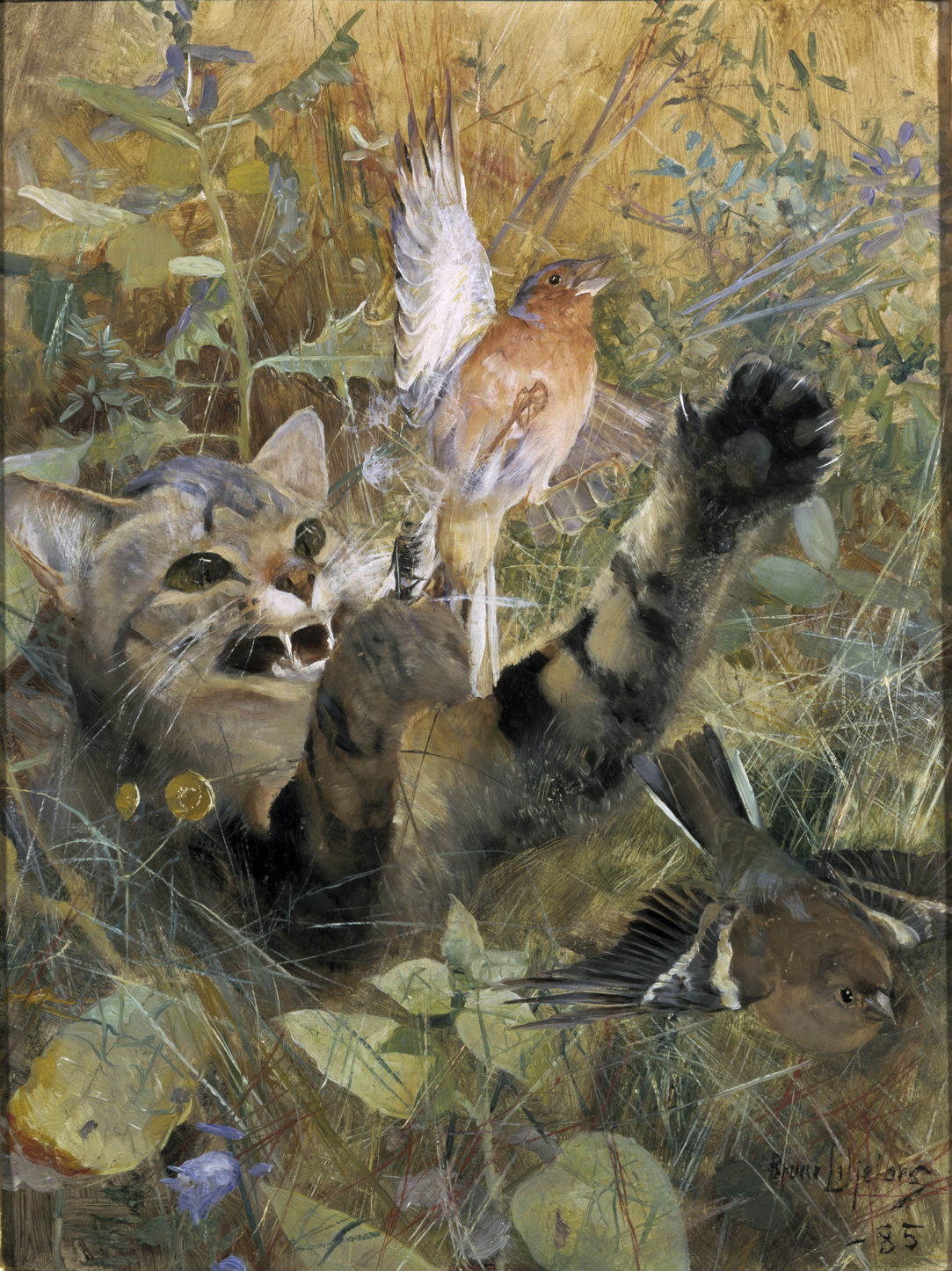
liljeforscatchaffinch
Bruno Liljefors (1860–1939), A Cat and a Chaffinch (1885), oil on wood, 35 x 26.5 cm, Nationalmuseum, Stockholm, Sweden. Wikimedia Commons.
liljeforsharestudies
Bruno Liljefors (1860–1939), Hare Studies (1885), paper, 32 × 24.5 cm, location not known. Wikimedia Commons.

Following the tradition established by Dürer, one of Liljefors’ favourite species was the elusive hare. This page of Hare Studies from 1885 shows a tiny part of the image library he assembled, as well as the spring antics of hares. Liljefors also assembled his own wildlife park, with living and apparently quite tame creatures, including foxes, badgers, hares, squirrels, weasels, an eagle, eagle owl, and others.

liljeforsfoxfamily
Bruno Liljefors (1860–1939), A Fox Family (1886), oil on canvas, 112 x 218 cm, Nationalmuseum, Stockholm, Sweden. Wikimedia Commons.

The fox appears in many of Liljefors’ paintings, here A Fox Family (1886) in their role as predators, as they feast on an unfortunate bird.
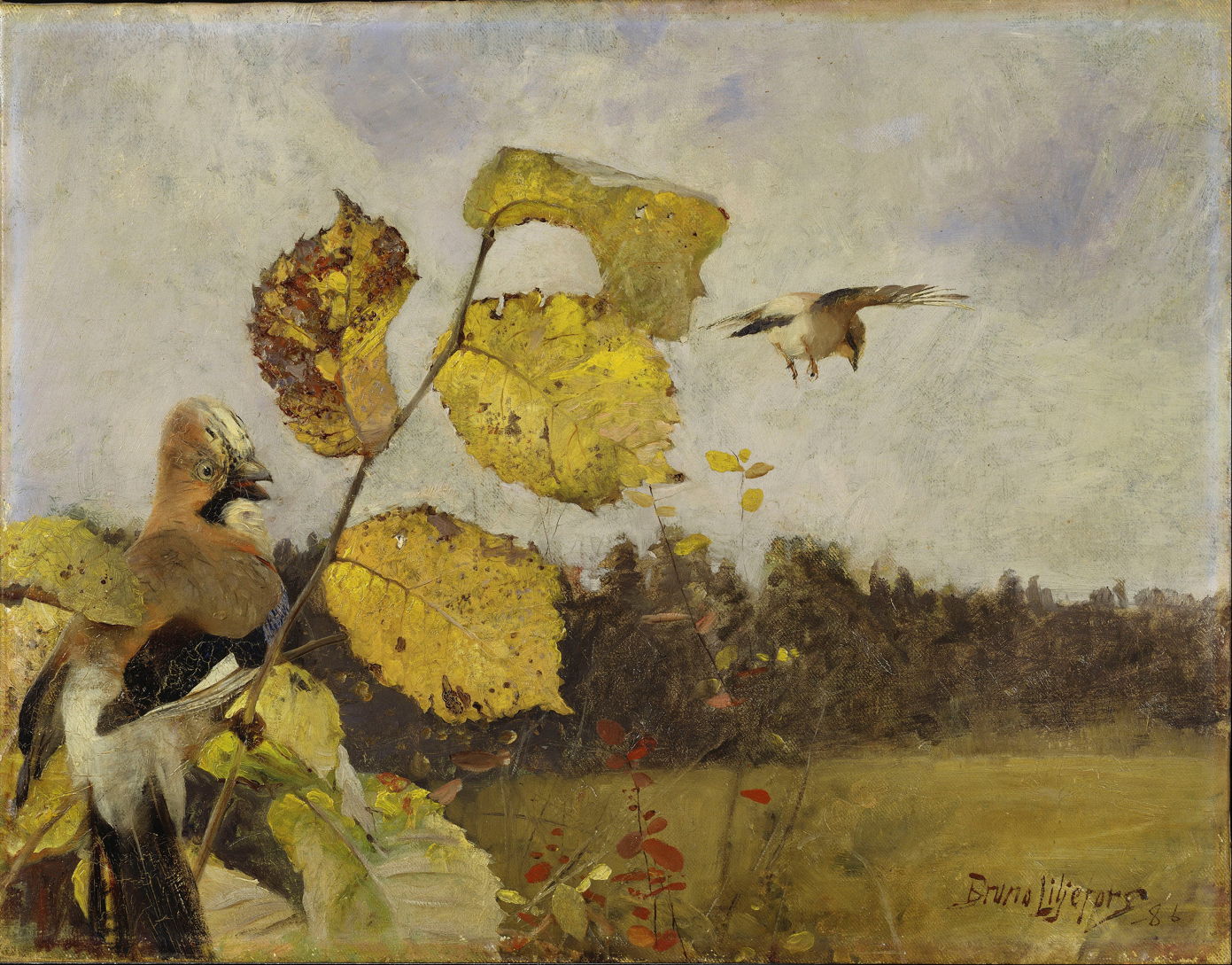
liljeforsjays
Bruno Liljefors (1860–1939), Jays (1886), oil on canvas, 51 x 66 cm, Nationalmuseum, Stockholm, Sweden. Wikimedia Commons.

Liljefors’ paintings are often painterly, such as in Jays (1886) which gives the impression of having been painted en plein air, in front of the birds and landscape.

liljeforscommonswifts
Bruno Liljefors (1860–1939), Common Swifts (1886), oil on canvas, 41 × 56 cm, location not known. Wikimedia Commons.

Even for the modern amateur photographer, the fleeting form of Common Swifts (1886) is a great challenge. Set against a riot of flowers, these birds are the product of field observation, museum specimens, and careful studies, to make them look real.
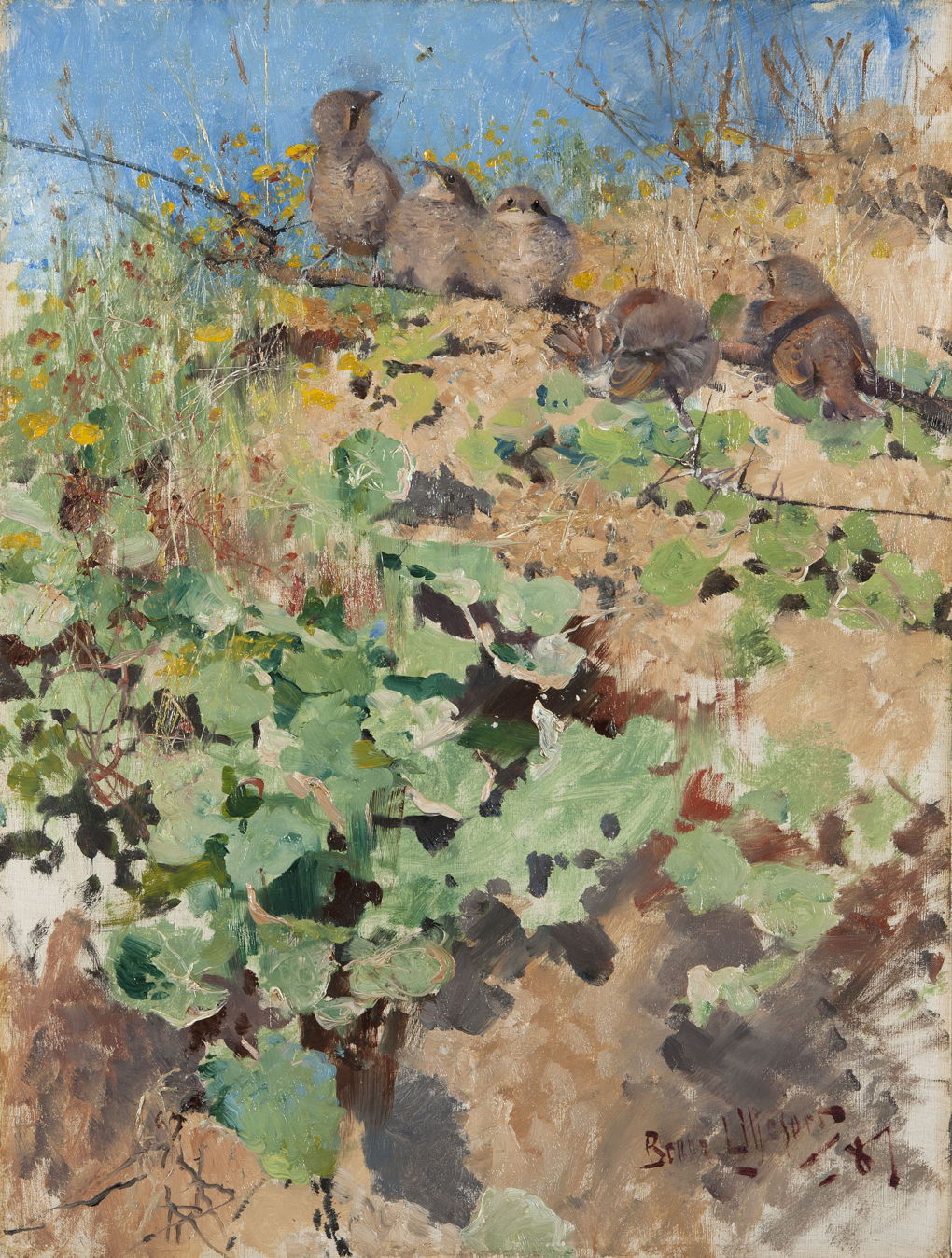
liljeforsnestlingsredbackedshrike
Bruno Liljefors (1860–1939), Red-Backed Shrike Chicks (1887), oil on canvas, dimensions not known, Nationalmuseum, Stockholm, Sweden. Wikimedia Commons.

Liljefors had deep insight into the behaviour of species he painted. The five Red-Backed Shrike Chicks (1887) shown here may not, at first sight, appear in keeping with their popular name, the ‘butcher bird’, but the chick at the left end of the branch is already taking an interest in a passing bee or fly. When a little older, it will catch it and impale the corpse on thorns in its larder.

The Dutch Golden Age: Historical context 1565-1643

By: hoakley
28 January 2026 at 20:30

This article and its sequel tomorrow try to set some of the finest paintings of the Golden Age in the context of major events in the history of the Dutch Republic.

Fresheneesz, Map of the Low Countries, 1556-1648 (2006). Image by Fresheneesz, via Wikimedia Commons.

Constituents of the Dutch Republic are shown in red, orange and yellow in this map. Its centres of art included The Hague, its de facto capital, Utrecht, Leiden, Delft, Harlem, and Amsterdam. To the south were the lands composing the Spanish Netherlands, notably Flanders and Brabant, including the cities of Antwerp and Brussels.

1565-1599

1568 Start of the Eighty Years’ War with Habsburg Spain.
1575 Leiden University founded by Prince William.
1579 The Union of Utrecht laid the foundation for the Dutch Republic.
1585 The city of Antwerp in Brabant was taken by Habsburg forces; to the north, Holland and Zealand started accepting migrants from southern areas under Habsburg control.

bruegelharvesters
Pieter Bruegel the Elder (c 1525–1569), The Harvesters (1565), oil on panel, 119 x 162 cm, Metropolitan Museum of Art, New York, NY. Wikimedia Commons.

One of the driving forces behind Dutch Golden Age painting was the art flourishing in Brabant to the south. Two of Pieter Bruegel the Elder’s major paintings from 1565 were formative influences on what was to come: The Harvesters above is a complete account of the grain harvest in the Low Countries, and Winter Landscape with Skaters and Bird Trap below is a pure landscape.

bruegelwinterlandscapeskaters
Pieter Brueghel the Elder (1526/1530–1569), Winter Landscape with Skaters and Bird Trap (1565), oil on panel, 37 x 55.5 cm, Royal Museums of Fine Arts of Belgium, Brussels. Wikimedia Commons.

1600-1619

1602 The United East India Company (in Dutch, the VOC) was founded as a chartered trading company in Amsterdam, to profit from the spice trade.
1609-21 Twelve Years’ Truce.
1612 The first synagogue was built in Amsterdam.
1618 The first newspaper, the Courante uyt Italien, Duytslandt, &c., was published as a weekly broadsheet in Amsterdam.
1619 Batavia (now Jakarta, Indonesia) was made the Asian headquarters of the United East India Company.

Hendrick Avercamp (1585–1634), Winter Scene on a Canal (c 1615), oil on panel, 49.9 x 95.6 cm, Toledo Museum of Art, Toledo, OH. Wikimedia Commons.

Hendrick Avercamp’s Winter Scene on a Canal from about 1615 follows on from Brueghel with its rich detail. In the right of the painting are two tents with flags flying. These are popular koek-en-zopie, literally ‘cake and eggnog’ cafés, selling handheld snacks like cake and pancakes, together with alcoholic drinks such as beer laced with home-made rum.

peeterscheesesalmondspretzels
Clara Peeters (fl 1607-1621), Still Life with Cheeses, Almonds and Pretzels (c 1615), oil on panel, 34.5 x 49.5 cm, Koninklijk Kabinet van Schilderijen Mauritshuis, The Hague, The Netherlands. Wikimedia Commons.

Clara Peeters trained in Antwerp, then painted an outstanding series of still lifes in the Dutch Republic. Among those is her still life with Cheeses, Almonds and Pretzels from about 1615, a celebration of the sensuous pleasures of food.

vanmiereveltanatomylesson
Michiel Jansz. van Mierevelt (1566–1641) and Pieter van Mierevelt (1596–1623), The Anatomy Lesson of Dr. Willem van der Meer (1617), oil on canvas, 146.5 x 202 cm, Museum Prinsenhof Delft, Delft, The Netherlands. Wikimedia Commons.

In 1617, Michiel van Mierevelt and his son Pieter, specialists in portraiture, painted The Anatomy Lesson of Dr. Willem van der Meer, one of the earliest portraits of a social group from the Golden Age. These are thought to be members of the Surgeons’ Guild of the city of Delft, who commissioned this work.

1620-1629

1620 The Pilgrim Fathers, English families from Nottinghamshire who had fled to Leiden in 1607-08, set sail from Delfshaven for America.
1621 The Chartered West India Company was founded as a trading company in Amsterdam, to profit from a trade monopoly in the Dutch West Indies, including participation in the Atlantic slave trade.
1625 A fort was built at New Amsterdam, the southern tip of Manhattan Island, New York, to protect the West India Company’s fur trade.

vanhonthorstsoldiergirl
Gerard van Honthorst (1592–1656), The Soldier and the Girl (c 1621), oil on canvas, 82.6 x 66 cm, Herzog Anton Ulrich-Museum, Braunschweig, Germany. Wikimedia Commons.

Gerard van Honthorst’s The Soldier and the Girl from about 1621 is a good example of markedly secular painting and the early influence of Caravaggio. This young woman is lighting her candle from a burning coal.

1630-42

1630 Dutch commercial colonies were established in Brazil.
1635 The Dutch Republic made a treaty with France against Habsburg Spain, leading to the Franco-Spanish War.
1637 The speculative bubble of Tulip mania, which had gathered pace from 1634, collapsed dramatically.
1639 The United East India Company became Japan’s exclusive Western trading partner.
1642 Abel Tasman discovered Tasmania and New Zealand.

rembrandtanatomylesson
Rembrandt Harmenszoon van Rijn (1606–1669), The Anatomy Lesson of Dr. Nicolaes Tulp (1632), oil on canvas, 169.5 x 216.5 cm, Koninklijk Kabinet van Schilderijen Mauritshuis, The Hague, The Netherlands. Wikimedia Commons.

In 1631 the young Rembrandt moved his studio to Amsterdam, the centre of trade and business for the Dutch Republic, and growing rapidly from a population of about 50,000 in 1600 to exceed 200,000 in the 1660s. Among his early commissions there is this Anatomy Lesson of Dr. Nicolaes Tulp from 1632, a group portrait of distinguished members of the Surgeons’ Guild in their working environment.

rembrandtbelshazzarsfeasta
Rembrandt Harmenszoon van Rijn (1606-1669), Belshazzar’s Feast (c 1635-1638), oil on canvas, 167.6 x 209.2 cm, The National Gallery, London. Wikimedia Commons.

Rembrandt’s outstanding painting of Belshazzar’s Feast was made in about 1635-38, when he was developing his distinctive techniques of depicting decorative metals.

eckhoutjabutis
Albert Eckhout (c 1610–1666), Study of Two Brazilian Tortoises (c 1640), tempera and gouache on paper mounted on panel, 30.5 x 51 cm, Koninklijk Kabinet van Schilderijen Mauritshuis, The Hague, The Netherlands. Wikimedia Commons.

Artists such as Albert Eckhout accompanied expeditions overseas, and it’s thought that he painted this Study of Two Brazilian Tortoises in about 1640 when in Brazil.

rembrandtnightwatch
Rembrandt Harmenszoon van Rijn (1606–1669), The Night Watch (1642), oil on canvas, 363 x 437 cm, Rijksmuseum Amsterdam, Amsterdam, The Netherlands. Wikimedia Commons.

Rembrandt’s vast group portrait of The Night Watch (1642) is perhaps the most famous of all those of militia in the Dutch Republic. It’s more correctly titled Militia Company of District II under the Command of Captain Frans Banninck Cocq, and features the commander and seventeen members of his civic guard company in Amsterdam, and took the artist three years to complete from his first commission to its display in the guards’ great hall.

devliegerbeachview
Simon de Vlieger (c 1600/1601–1653), Beach View (1643), oil on panel, 60.6 x 83.5 cm, Koninklijk Kabinet van Schilderijen Mauritshuis, The Hague, The Netherlands. Wikimedia Commons.

Simon de Vlieger was born in Rotterdam, and painted in Delft and Amsterdam, where he was best known for his landscapes. His Beach View from 1643 uses boats, many figures, and careful composition to swell the land over the bottom of its panel. It shows well, though, how important is the sky, marvellously rendered here, with a small group of white birds shown against the grey of the clouds.

❌
❌